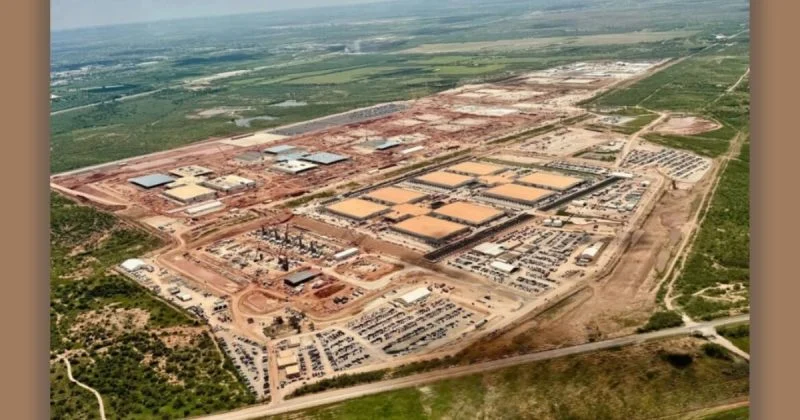
In December 2025, Governor Spencer Cox stood before an audience of government officials, business leaders, and academics at the Utah AI Summit in Salt Lake City and announced a vision he called “pro-human AI.” The initiative would spread across six areas: workforce development, industry, state government, academia, public policy, and learning. It would invest $10 million in AI-ready workforce curriculum. It would position Utah as a national model for responsible artificial intelligence governance. And it would do all of this while the state simultaneously prepared to host some of the largest data centre campuses on the planet, facilities whose combined energy demands could consume four times the electricity that Utah residents and businesses currently use.
The tension between these two commitments is not incidental. It is structural. Utah has become, perhaps more than any other state, a laboratory for testing whether a government can credibly regulate the harms of artificial intelligence while aggressively courting the industry that produces them. Governor Cox has articulated this duality with a clarity unusual in American politics: “Let's use this technology to benefit humankind, and let's regulate it to make sure they don't destroy humankind. I don't think that's a contradiction. I think that's common sense.” The question is whether common sense can survive contact with the economic incentives now converging on a stretch of desert southeast of Delta, Utah, where a 20-million-square-foot data centre campus is already under construction.