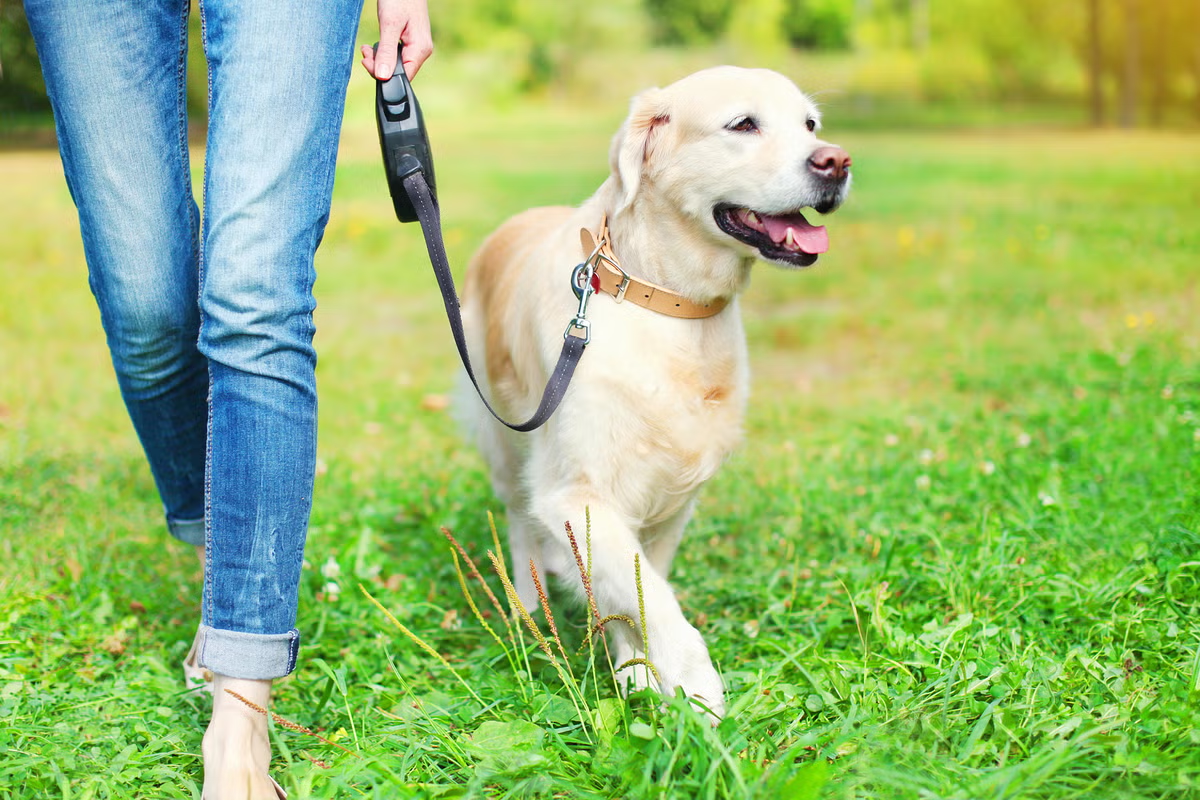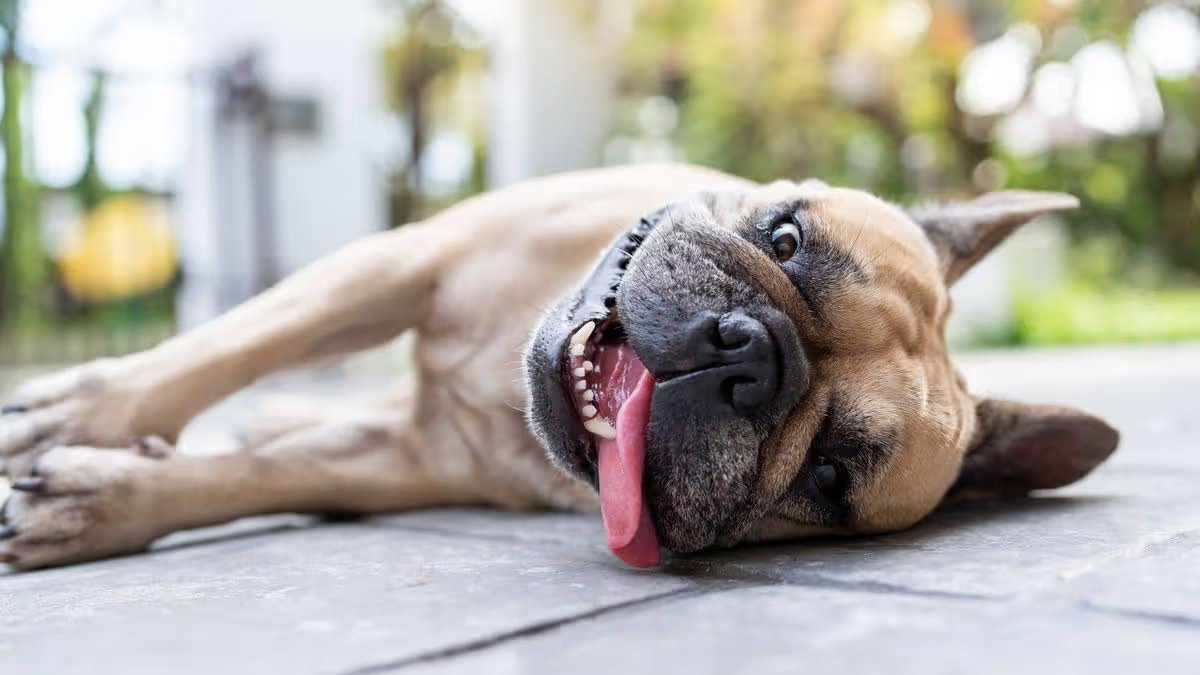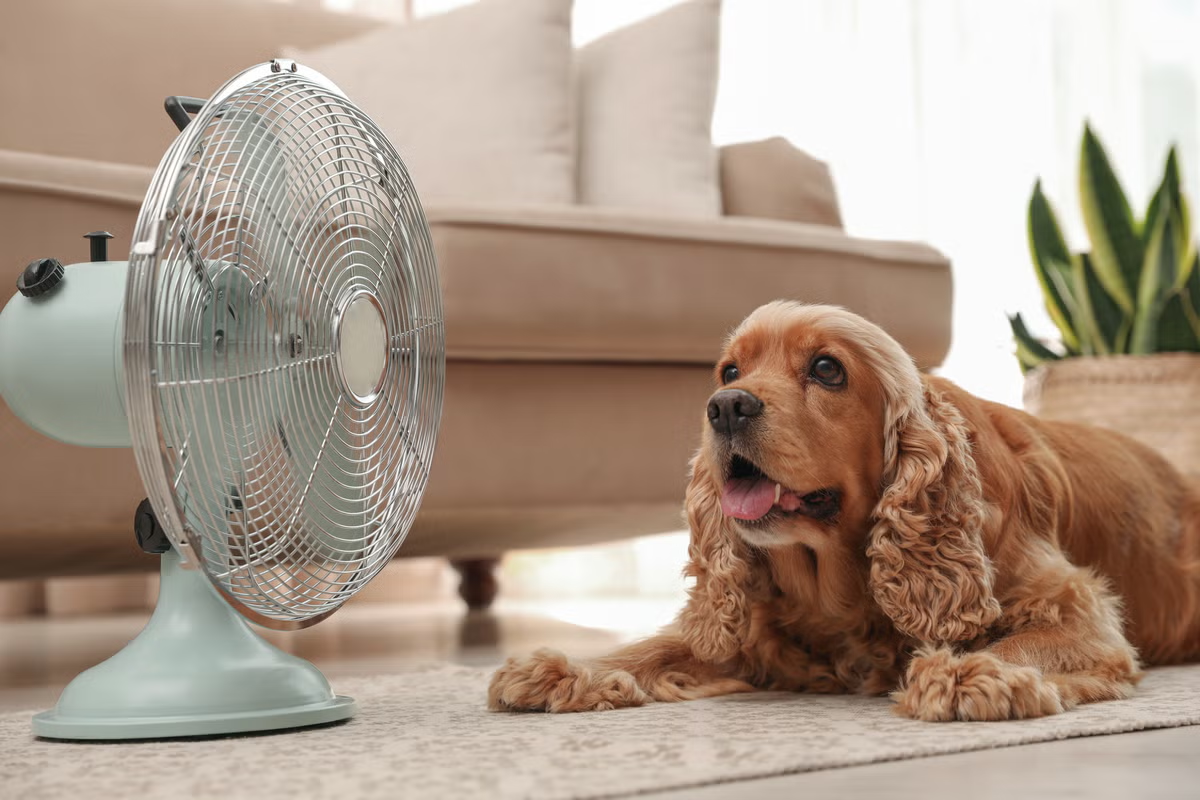
The study shows that one breed is 17 times more likely to suffer during hot weather11:31, 28 May 2026Temperatures across the UK can be deadly for certain pets, who risk health issues during walks in hot weather. According to the RSPCA, dogs with pre-existing health problems, flat-faced breeds, and those with dense coats generally face a greater risk of overheating, worsened by the hot, muggy weather blanketing the UK.The animal charity said that dogs are 10 times more likely to experience heat-related problems from exercising in hot weather than from overheating in vehicles. When dogs become hot, they can regulate their temperature by panting, drinking more, finding shade or plunging into water.But if they cannot do these things, or if conditions are simply too extreme, their body temperature can soar and trigger heat-related illnesses and even death. In the UK, there are hundreds of documented heatstroke incidents, and up to a quarter of these animals tragically die from the consequences.Research by the Royal Veterinary College found that certain breeds faced a heightened risk of heatstroke during hot spells. Nine were singled out as the most 'at risk', reports the Express.Chow ChowBulldogFrench BulldogDogue de BordeauxGreyhoundCavalier King Charles SpanielPugGolden RetrieverSpringer SpanielResearchers claim: "Many of these breeds are flat-faced, meaning that they have a 'brachycephalic' skull with a shortened head, flat face and short nose. As well as breed, the study identified some other important predictors for heat stroke in dogs, including being above average weight and being over two years old."Dogs that were big for their breed, including both obese dogs and large or muscular dogs, had almost one and a half times the risk compared to those that were smaller than the breed average. But this is just the tip of the iceberg, as many dogs affected with heat stroke may not even be taken to a veterinary surgery."Dr Dan O’Neill, co-author and senior lecturer in companion animal epidemiology at The Royal Veterinary College, added: “As the UK moves progressively towards higher average temperatures due to global warming effects, we all need to wake up to the changing health hazards that our dogs will increasingly face. A greater understanding of which breeds, ages and types of dogs are at extra risk of heat-related illness can assist owners to select breeds that are more resistant to heat effects and to plan how best to protect predisposed dog types from their increased risk by, for example, altering times and levels of outdoor activity."The average temperature at which a UK dog can develop heatstroke is merely 16.9°C, demonstrating that even moderate spring or summer days can pose a threat to dogs. The RSPCA recommends walking dogs early in the morning or late in the evening, when temperatures are lower.Dog owners should carry a portable water dispenser and provide dogs with a small quantity of water every 15 to 20 minutes. Walks will also be safer if pets can avoid surfaces that tend to heat up, such as pavements, and spend time on cooler surfaces like grass.What are the signs of heatstroke in dogs?Heatstroke is preventable, but it can occur. The RSPCA urged pet owners to "cool first, transport second".A spokesperson said: "The longer the dog is overheated, the more damage it can cause to their health, possibly even killing them. Cool the dog immediately to improve their chances of recovery. Try to stay calm and think clearly. Stay focused on the dog and remind yourself that you are capable of saving a life."Watch out for the following symptoms in dogs and seek medical attention if necessary:Article continues belowCollapse: Heat exhaustion, when severe, could cause the dog to collapse.Confusion or disorientation: Dehydration might make the dog lightheaded or dizzy, affecting their movements.Dehydration: Can present as a dry nose, sunken eyes, heavy panting, infrequent urination, and tiredness.Drooling: If the dog is drooling more often, and it’s thicker and stickier, this could be a symptom of heatstroke.Increased heart rate: Check by placing your hand on their chest, just behind their front leg’s elbow. A fast pulse could signal overheating.Muscle spasms: Heat cramps are often associated with dehydration, and might appear as shivering and shaking despite the high temperatures.Noisy breathing: Breathing noisily or faster than normal, especially in flat-faced breeds, is a sign of overheating.Panting: Dogs cool down by panting, so the more they pant, the hotter they are.Red gums and tongue: Whilst this is often a symptom of a dental problem, when coupled with panting and heavy breathing, red gums can occur when a dog is overheating.Seizures: Heatstroke, especially in dogs with epilepsy, can trigger seizures and loss of consciousness.Vomiting and diarrhoea: Stool that’s softer than normal can be a symptom of heat exhaustion. Stool and diarrhoea that contains blood are signs that the heatstroke has become more severe.Weakness and lethargy: Dogs might sleep more, have trouble standing or walking, or generally seem more sluggish with their movements.
Nine dog breeds most at risk of heatstroke during walks
The study shows that one breed is 17 times more likely to suffer during hot weather
811 words~4 min read