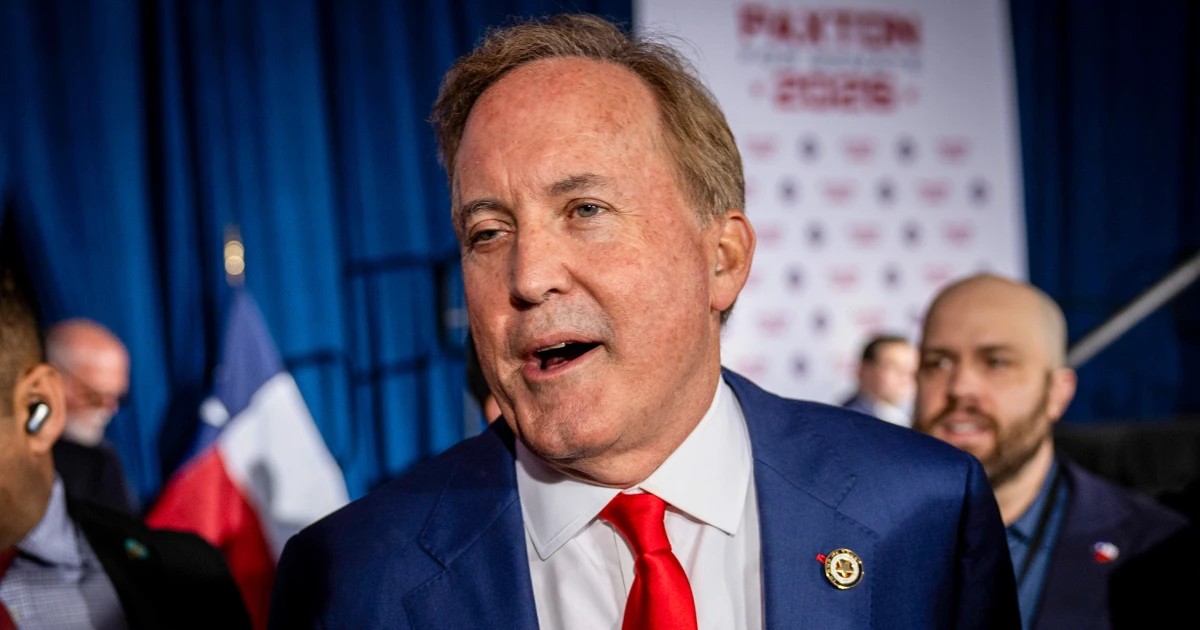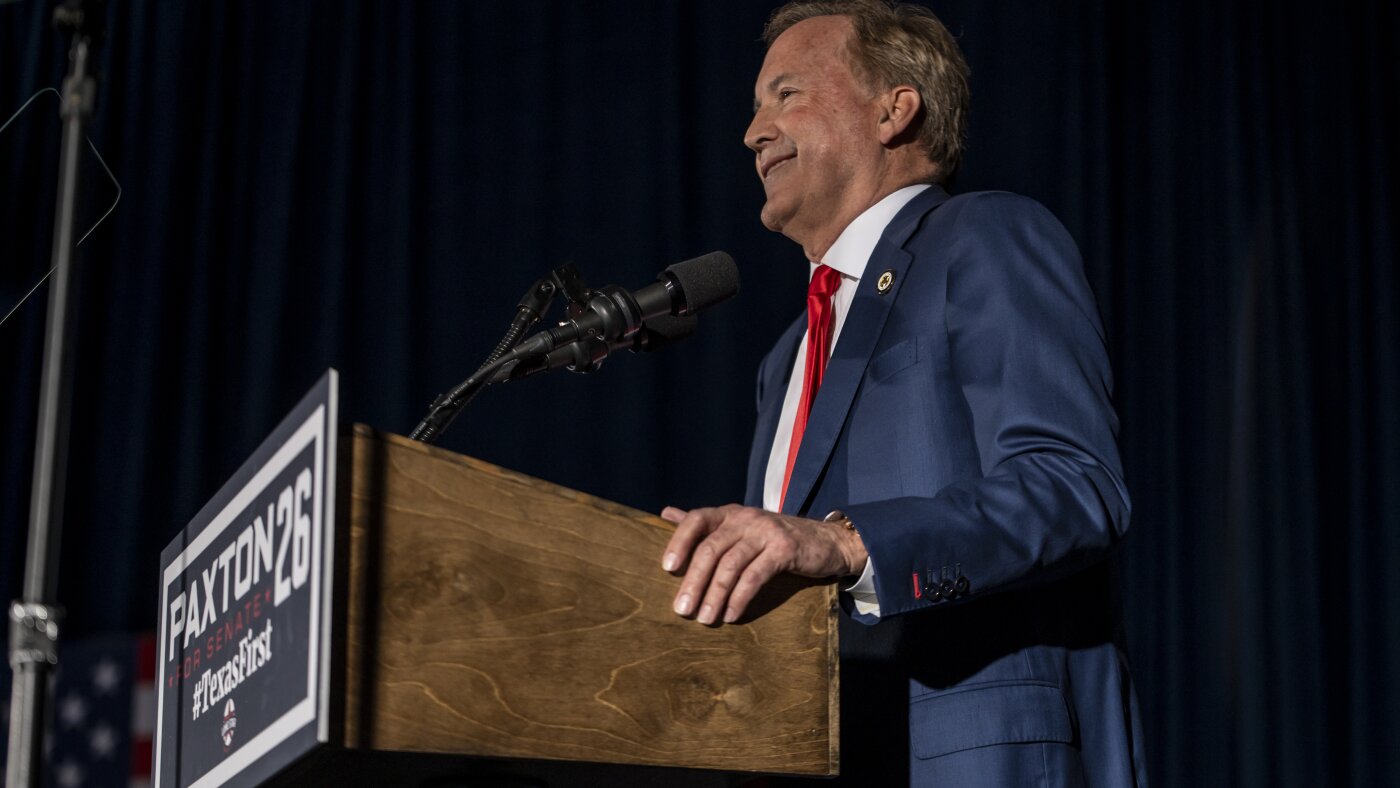
The Texas GOP’s decision to nominate Attorney General Ken Paxton over longtime Sen. John Cornyn (R-TX) is reigniting one of the Democratic Party’s most persistent political debates: whether Texas is finally becoming competitive enough to justify a massive Senate investment.Democrats immediately celebrated Paxton’s victory as a possible turning point, arguing the embattled attorney general gives them their best statewide opening in years. But beneath the excitement is a deeper strategic question hanging over the 2026 map: whether national Democrats risk pouring hundreds of millions into a state that has repeatedly disappointed them at the ballot box.The stakes are unusually high because Democrats face a razor-thin path back to the Senate majority, which is helping fuel the growing Texas conversation.
According to the current Senate landscape, Democrats have little margin for error in their push to reclaim the chamber. The party is expected to hold most of its own seats, but realistic pickup opportunities remain limited. Democrats are heavily targeting Republican-held seats in North Carolina and Georgia while also competing in several true battlegrounds, including Maine, Michigan, and Ohio. But even a near-perfect performance in those races may not be enough to secure a majority, leaving party strategists increasingly focused on whether they need an additional breakthrough in a more difficult state such as Texas or Alaska to complete the map.