See more Daily Mail on Google - save us as a Preferred SourceBy MATT STRUDWICK, SENIOR NEWS REPORTER Published: 10:38 BST, 28 May 2026 | Updated: 10:39 BST, 28 May 2026
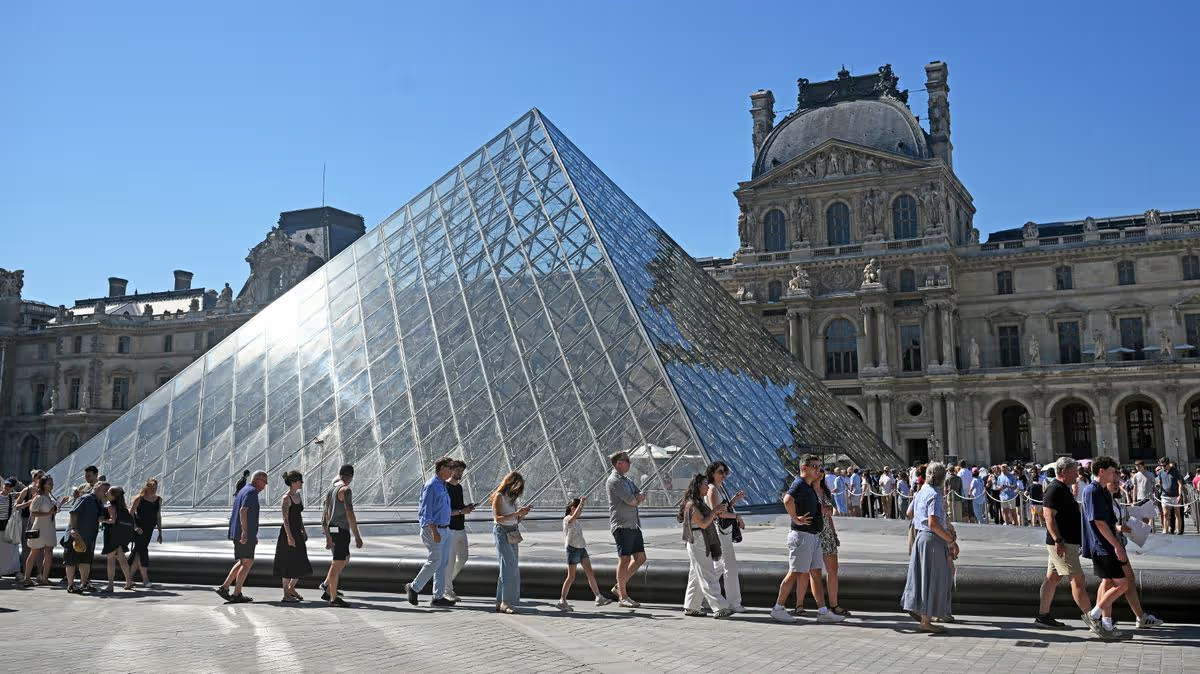
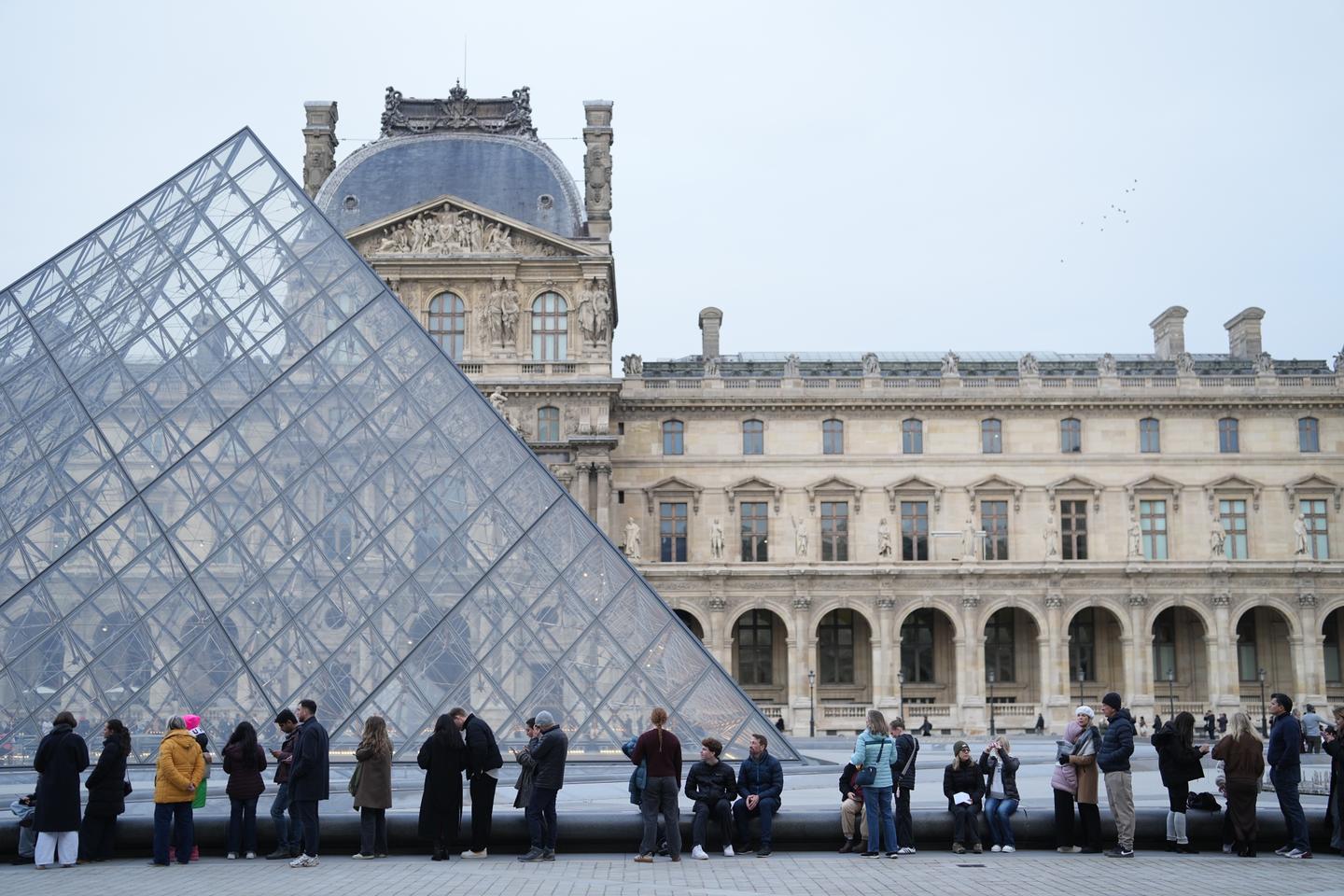
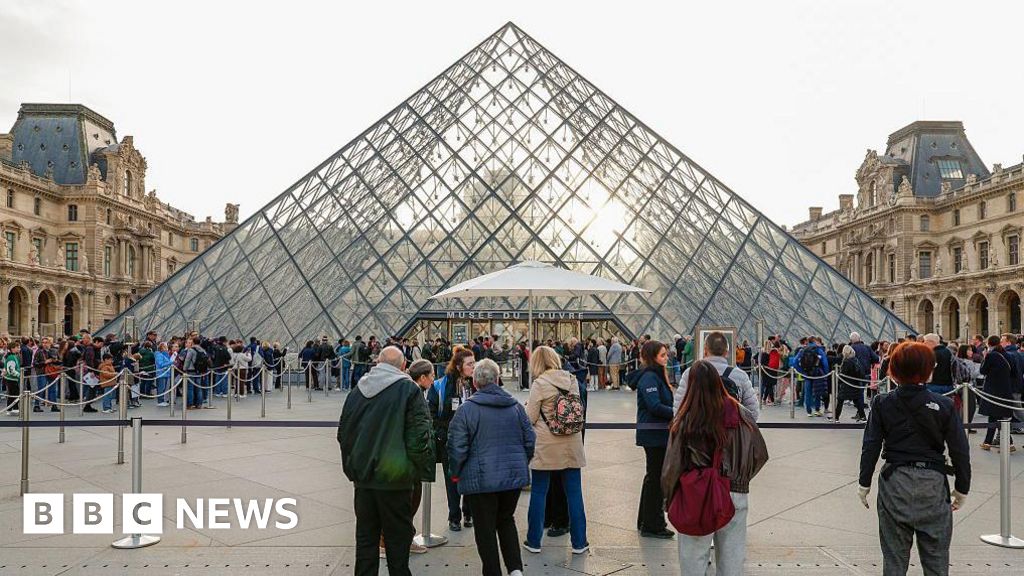
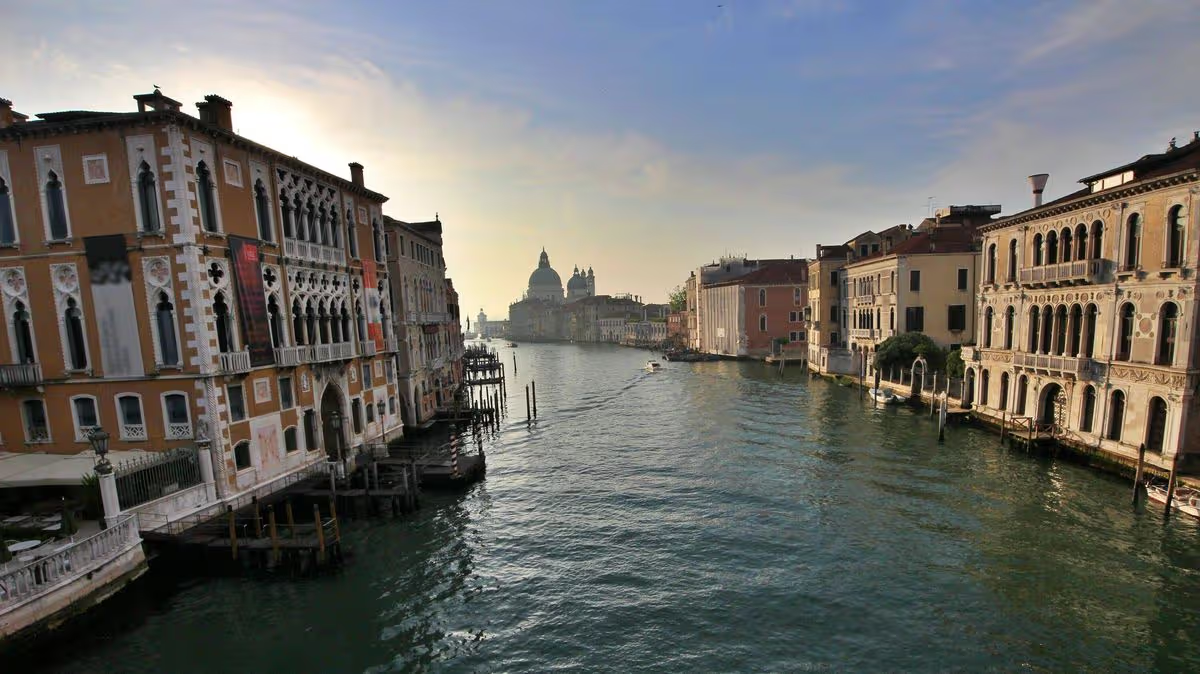
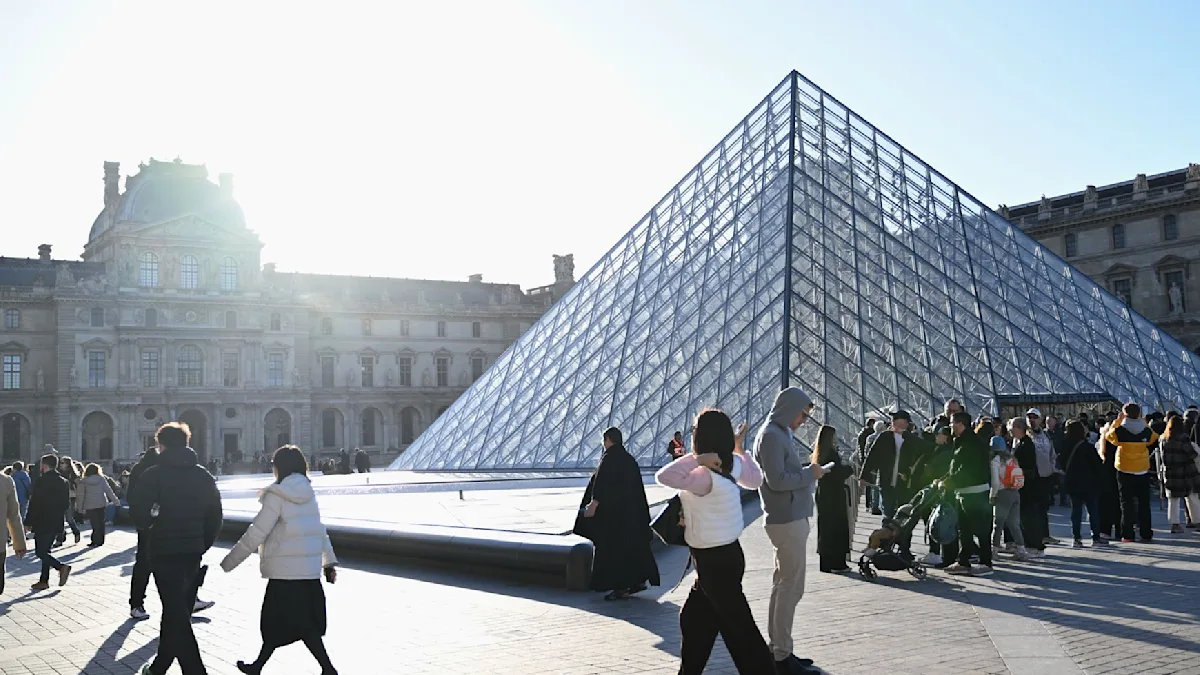
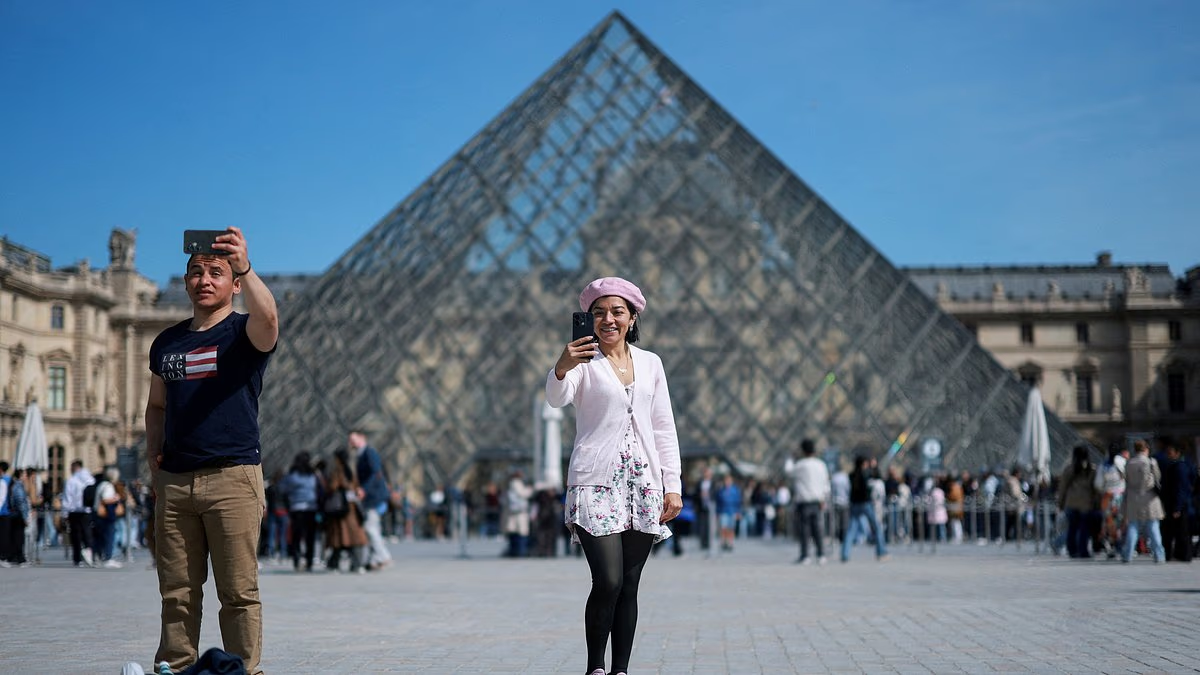
Britons face having to pay hundreds of pounds more for two-tier entry fees at popular foreign attractions this summer. 'Differential' or 'dual' pricing is quietly being introduced at major tourist spots such as the Louvre in Paris, and the Trevi Fountain in Rome, for foreign and non-EU visitors, Which? has found. The consumer watchdog said increased fees are becoming 'commonplace' with the charge also coming into force on hiking routes and some private beaches. The Louvre, one of Paris's most popular tourist attractions, hiked its prices from €22 to €32 last year for Britons and other countries outside the European Economic Area. It means Brits will have to fork out €10 more than tourists from the European Union to gain entry to see artworks such as Leonardo da Vinci's Mona Lisa.British tourists will now have to state their country of origin when booking tickets online and will need to provide ID clarifying their nationality if buying tickets at the museum on the day. The Louvre currently attracts around 8.7 million visitors a year, and is France's most visited museum. It is not the only tourist attraction in France to raise its prices: a ticket for the Palace of Versailles is now €35 - €3 more than for French and EEA citizens. The Louvre, one of Paris's most popular tourist attractions, hiked its prices from €22 to €32 last year for Britons and other countries outside the European Economic Area In Italy, non-residents of Rome are now charged €2 for a closer view of the Trevi Fountain (pictured)While it will cost Britons €22 to see the famous stained glass windows of the Sainte-Chapelle, EEA tourists are charged €16. France's Culture Minister, Rachida Dati, has justified the charges, saying in January: 'I want visitors from outside the EU to pay more for their entry tickets and for that surcharge to go toward funding the renovation of our national heritage.'The politician added: 'The French are not meant to pay for everything all by themselves.'In Italy, non-residents of Rome are now charged €2 for a closer view of the Trevi Fountain. Similarly, Venice charges a €5 day tripper fee to tourists who aren't staying in the Veneto region overnight during peak season. Madeira, in Portugal, has introduced €3 fees for non-residents over the age of 12 to more than 30 popular hiking trails, with a €50 fine for those who don't pay.Similarly, in Tenerife, a permit or pass will need to be purchased to walk the most popular trails in Teide National Park, costing from €10 to €25 depending on the route and whether there is a guide. Tenerife locals don't pay the fee, and Canary Island residents pay reduced prices. Similarly, in Tenerife, a permit or pass will need to be purchased to walk the most popular trails in Teide National ParkLikewise, in the USA, British tourists and other non-residents now face skyrocketing fees. On top of existing entrance fees, non-USA residents must now pay $100 (approximately £75) to visit the 11 most popular national parks, including Yosemite and the Grand Canyon, or $250 (approximately £185) for a multi-visit pass.The Department of Interior introduced the extra fee 'to put American families first'. 'These policies ensure that US taxpayers, who already support the National Park System, continue to enjoy affordable access, while international visitors contribute their fair share to maintaining and improving our parks for future generations,' said Secretary of the Interior Doug Burgum in November. Naomi Leach, deputy editor of Which? Travel, said: 'Many attractions are quietly introducing higher charges for foreign visitors. From museums to national parks, travellers are facing tourist-only fees and two-tier pricing systems that can add hundreds to the cost of a trip.'Brits should budget carefully before booking their summer holidays. It's worth researching attraction costs in advance, looking out for free-entry days and using a card with zero foreign transaction fees if you'd rather not carry cash.'