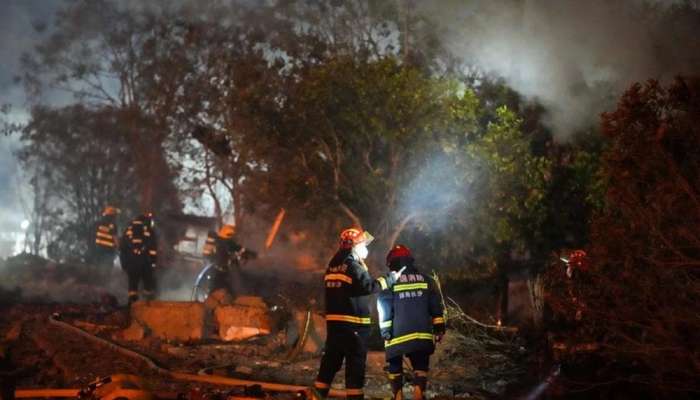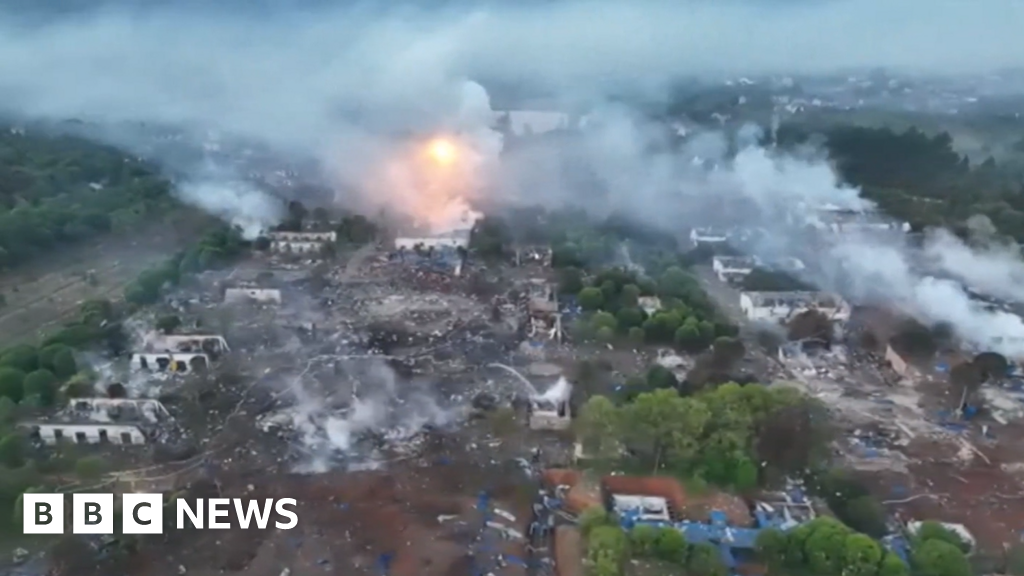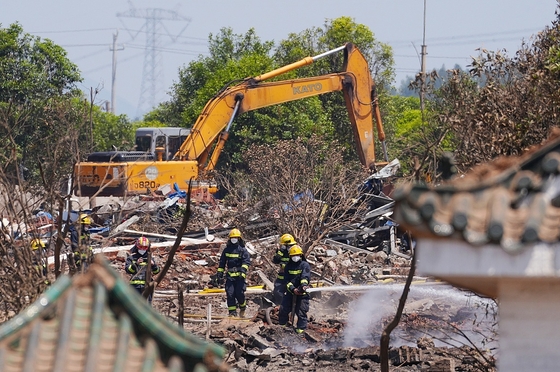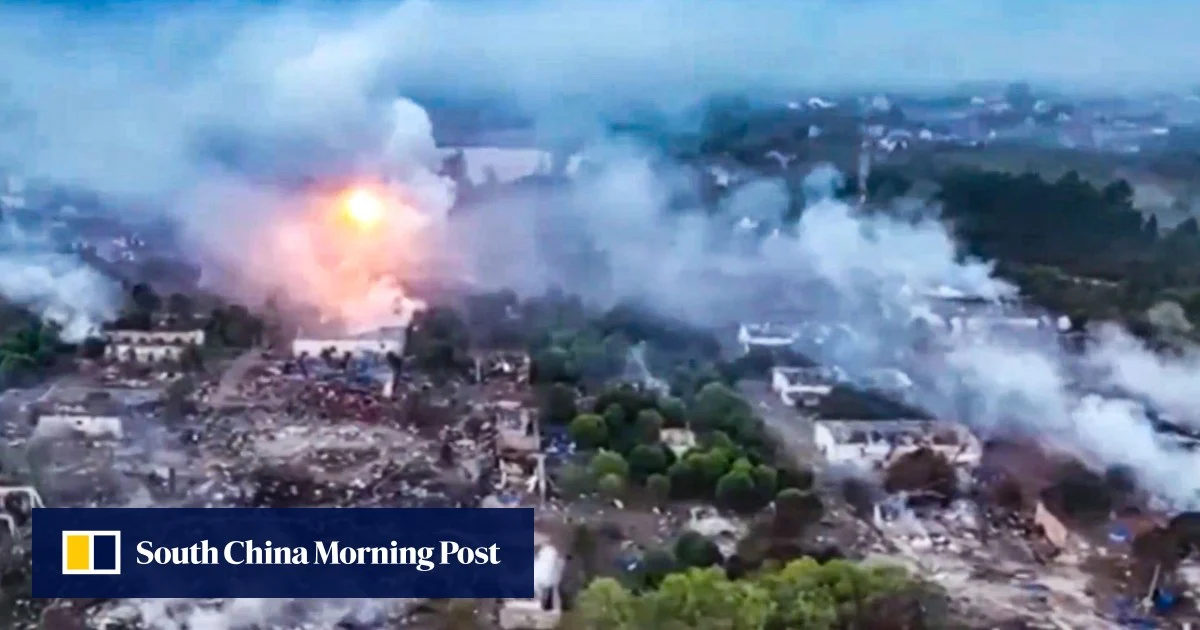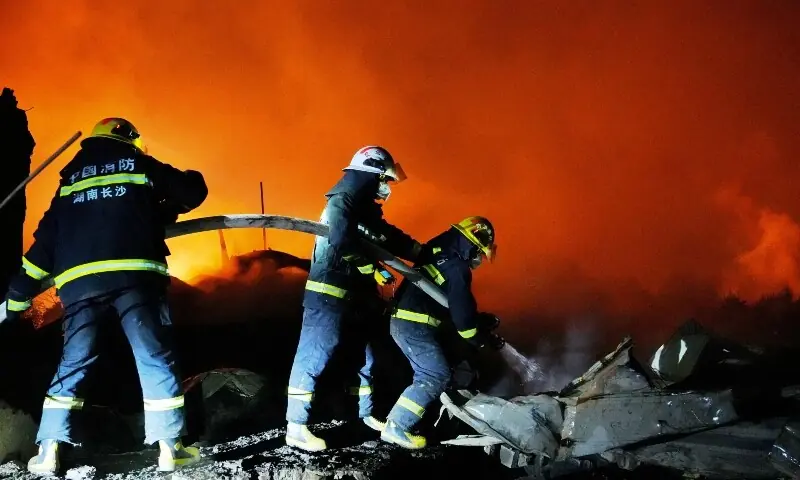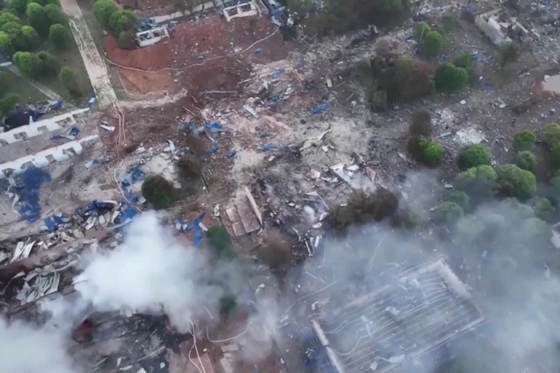
1. Hunan province launched a strict crackdown on illegal fireworks production following a deadly blast on May 4 at Liuyang Huasheng Fireworks Manufacturing and Display Co., a major pyrotechnics hub [para. 1][para. 3]. The accident killed 37, left one missing, and injured 51, with five in serious but stable condition [para. 3]. The provincial government, after approving the crackdown under the name "Thunder," scheduled the campaign through the end of August, followed by a regular inspection and rectification phase [para. 2]. Public employees found to protect illicit operators will be removed from posts and investigated [para. 1][para. 10].2. The crackdown was prompted by prior safety problems at Huasheng, which had borrowed another person’s safety-manager qualification [para. 4]. After the blast, all fireworks producers in Hunan were ordered to suspend operations for rectification [para. 4]. The notice emphasized drawing lessons to prevent illegal production from rebounding while licensed companies are shut down [para. 5]. Authorities will conduct blanket inspections in vulnerable areas such as idle factories, abandoned breeding facilities, border zones, shutdown companies, and urban-rural rental housing, requiring each site to be registered [para. 6]. Advanced methods including drone photography, abnormal electricity-use monitoring, infrared thermal imaging, and surveillance of personnel and vehicles will be used for integrated air-and-ground inspections [para. 7].3. Checkpoints will be set up at key roads, highway entrances, and provincial boundaries to target suspicious vehicles like box trucks, vans, and enclosed three-wheeled vehicles, while cracking down on unlicensed transport and disguised logistics [para. 8]. Transportation and postal regulators will inspect delivery channels to keep fireworks out of parcel networks and sever distribution chains [para. 9]. The campaign emphasizes accountability: if illegal production persists due to perfunctory inspections or false reports, local leaders will be held strictly responsible, and public employees acting as protectors will be removed and investigated, with criminal suspects transferred to judicial authorities [para. 10]. The provincial work-safety committee will organize open and covert inspections, and regions that fail effective implementation will be publicly criticized, summoned for talks, warned, and exposed [para. 11].4. A separate work plan on resumption of production for fireworks manufacturers was issued after the Liuyang accident, drafted under decisions by the provincial Communist Party committee and government [para. 12]. All producers must meet four conditions before applying to resume: safety facilities and equipment meeting standards, personnel-control measures in place, closed-loop management of raw and auxiliary materials, and strict implementation of management systems; if any condition is unmet, production may not resume [para. 13]. The reopening process requires self-inspection, application, county and township reviews, and final municipal approval [para. 14]. For personnel controls, the plan requires certifications for key staff, closed factory areas with real-name registration, accurate headcounts, and insurance coverage matching the workforce [para. 15].5. Regulators are to focus on violations such as exceeding approved staffing, explosive quantities, or production scope; unauthorized changes in workshop use; illegal temporary structures; and subcontracting or outsourcing [para. 16]. Companies with major accident hazards face temporary suspension, and prominent violations will be punished strictly, with penalties on both companies and responsible individuals where appropriate, strengthening coordination between administrative enforcement and criminal justice [para. 16][para. 17]. Third-party agencies issuing false reports in safety assessments will be dealt with severely, and officials applying lax standards in approving resumptions or relying on fines without follow-up will be held strictly accountable [para. 18]. Discipline-inspection and government-supervision departments at all levels will include resumption in routine oversight, with problems promptly reported and suspected violations transferred to supervisory authorities [para. 19].AI generated, for reference only
Hunan Targets Illegal Fireworks Production After Deadly Blast
Hunan authorities are intensifying inspections after a Liuyang factory blast killed 37 people and left one missing
583 words~3 min read