Brandon Woyshnis / Getty Images
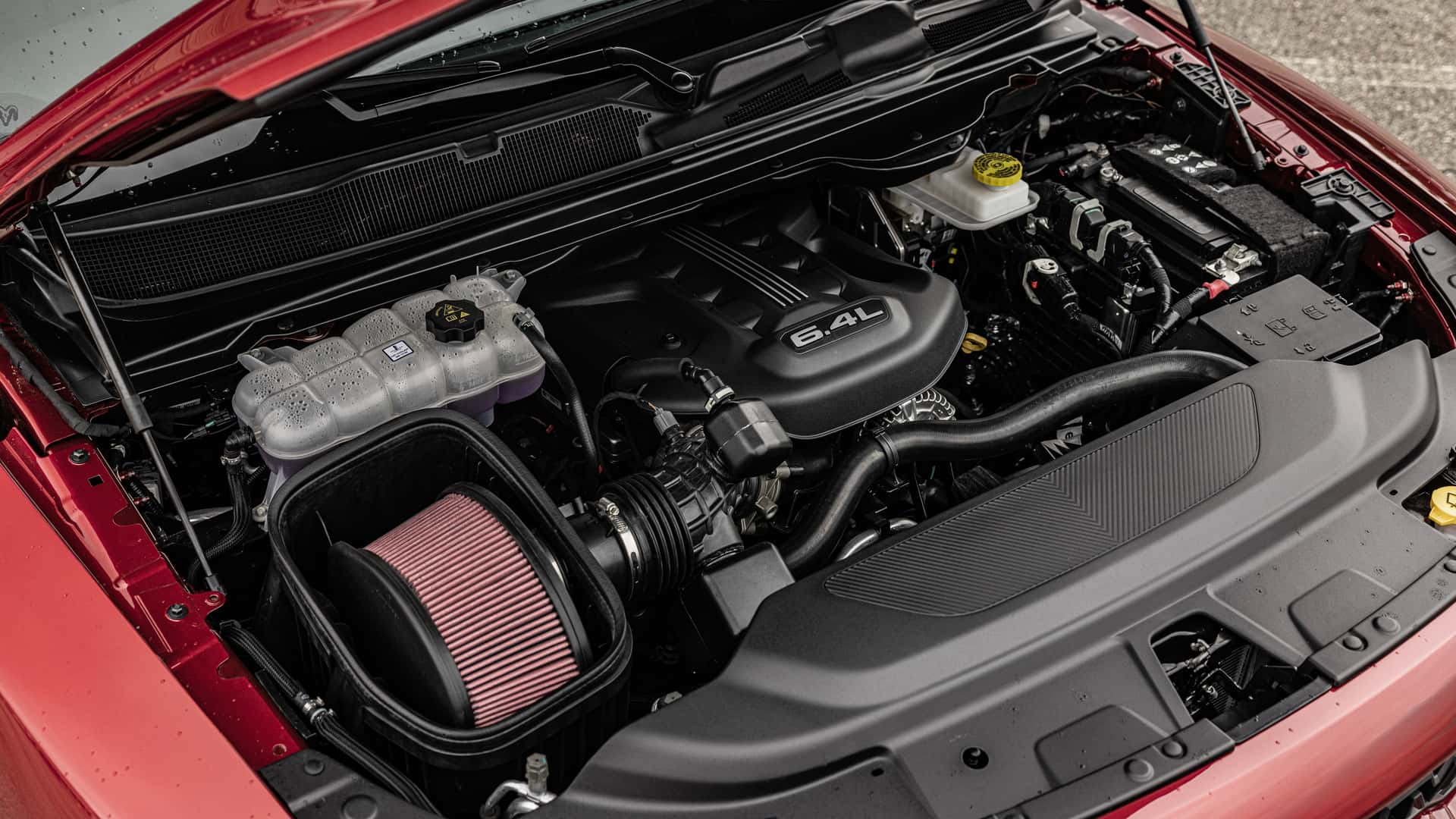
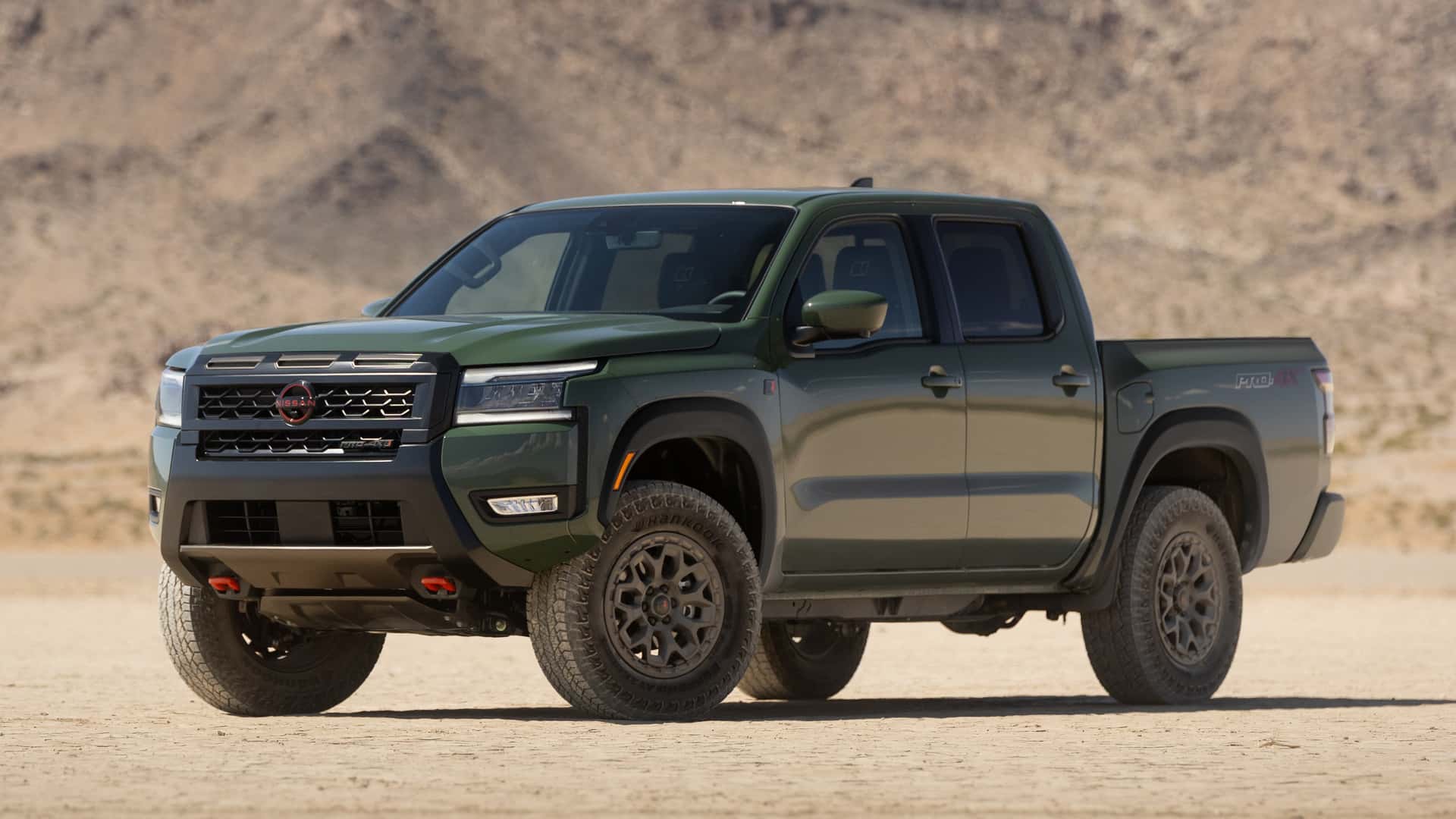
A V6 engine once lived under the hoods of family sedans, minivans, and mid-range trucks across the automotive market, a standard choice that balanced power with acceptable fuel costs. The category has since contracted sharply. Turbocharged four-cylinder engines have grown powerful enough to make V6 displacement unnecessary for many applications, and electrification has replaced the engine discussion entirely for a growing number of buyers. Today’s V6 lineup reflects that narrowing: the configuration survives primarily in premium vehicles and body styles where its specific character — smooth power delivery, linear response, and an effortless feeling at highway speeds — still earns its place against the alternatives.
The reasons to seek out a V6 in 2026 are genuine, not sentimental. Turbocharged four-cylinders deliver strong peak power, but their torque characteristics differ from a larger engine in ways some drivers notice. A V6 often feels more relaxed at sustained highway speeds because it produces its torque across a broader range without the boost-dependent surge that defines the four-cylinder’s power band. In trucks, the V6’s inherent towing and hauling capability suits the job without requiring a larger displacement engine. In luxury vehicles, the engine’s refinement contributes to the cabin experience in ways the buyer is paying for. These are functional reasons, not purely emotional ones.