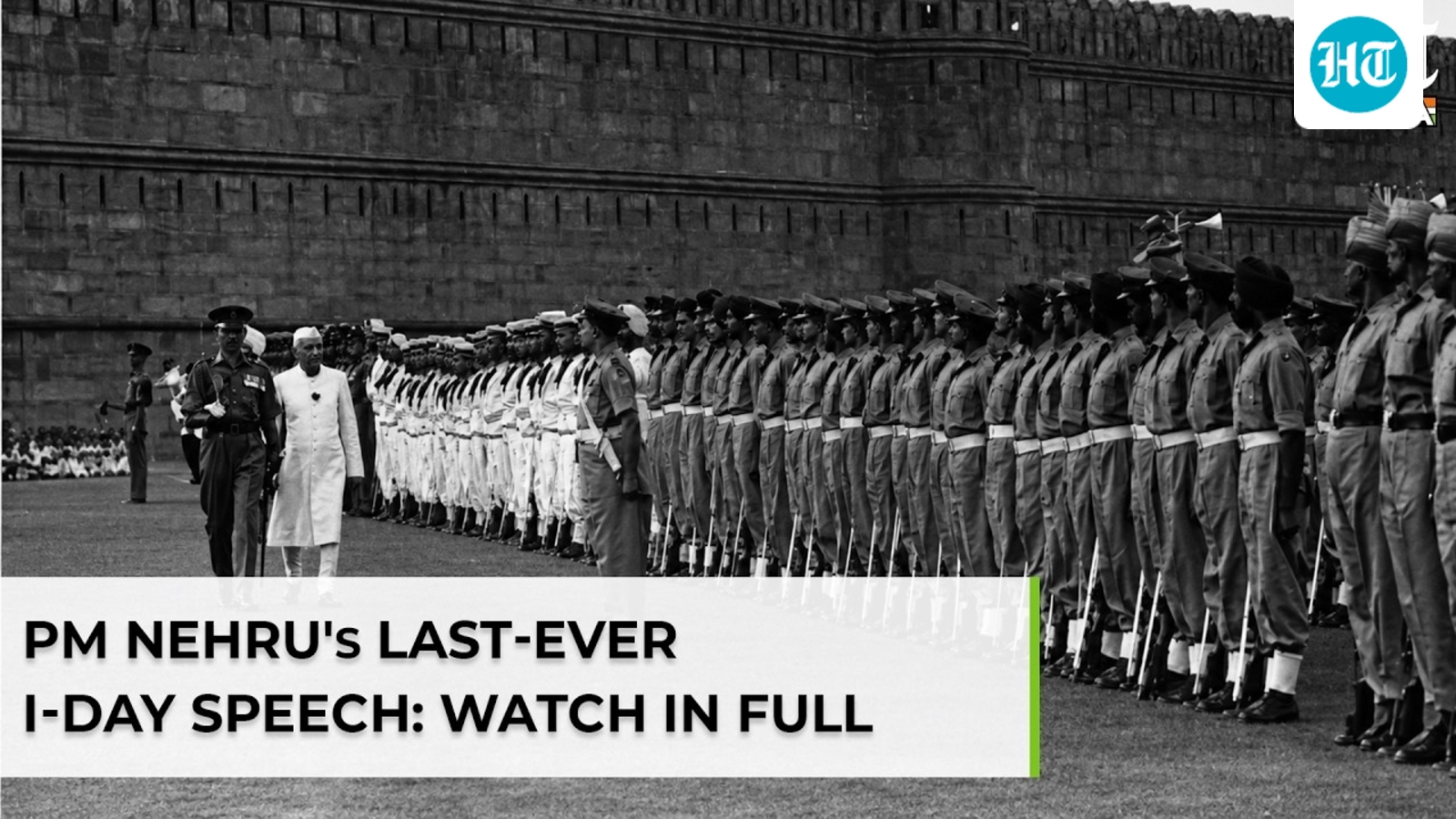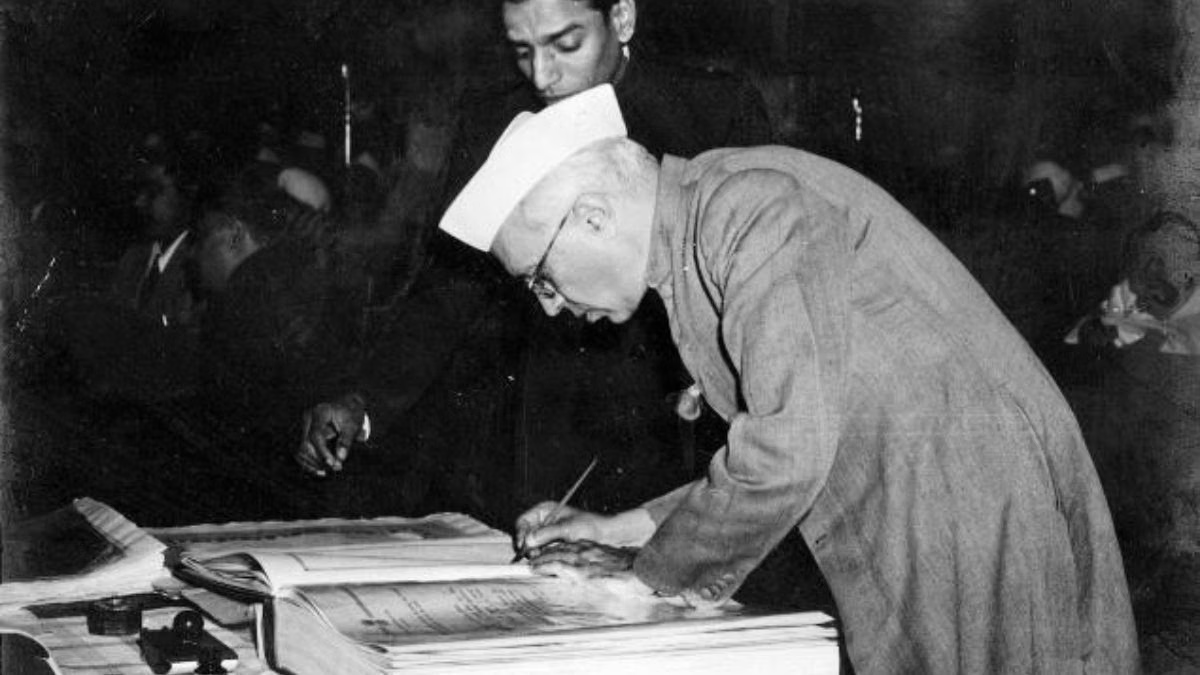
There is a photograph of Jawaharlal Nehru that almost everyone in India has seen, even if they couldn’t tell you where or when it was taken — the patrician profile, the rosebud pinned to the achkan, the faint air of a man who has just finished a sentence more elegant than the one you were expecting.
Nehru is the statesman of the midnight speech, the disciple of Gandhi, the architect of non-alignment. He is a figure so thoroughly absorbed into the national psyche that it is difficult to see him as a thinker rather than a monument. Yet, maybe photographs fail to capture the most interesting aspects of Nehru. Before he was a Prime Minister, he was something stranger and more vulnerable. He was a prisoner with a fountain pen, trying to work out, on paper, how you talk an ancient civilisation into changing its mind.The setting matters. While Karl Popper sat in Christchurch, New Zealand, a refugee from Vienna, teaching at a provincial college, and wrote The Open Society and Its Enemies, his furious wartime defense of doubt against dogma, Nehru was writing his own book under guard. He drafted The Discovery of India between 1942 and 1945 in Ahmadnagar Fort, a basalt prison in Maharashtra where the British had deposited him and eleven other Congress leaders after the Quit India resolution.