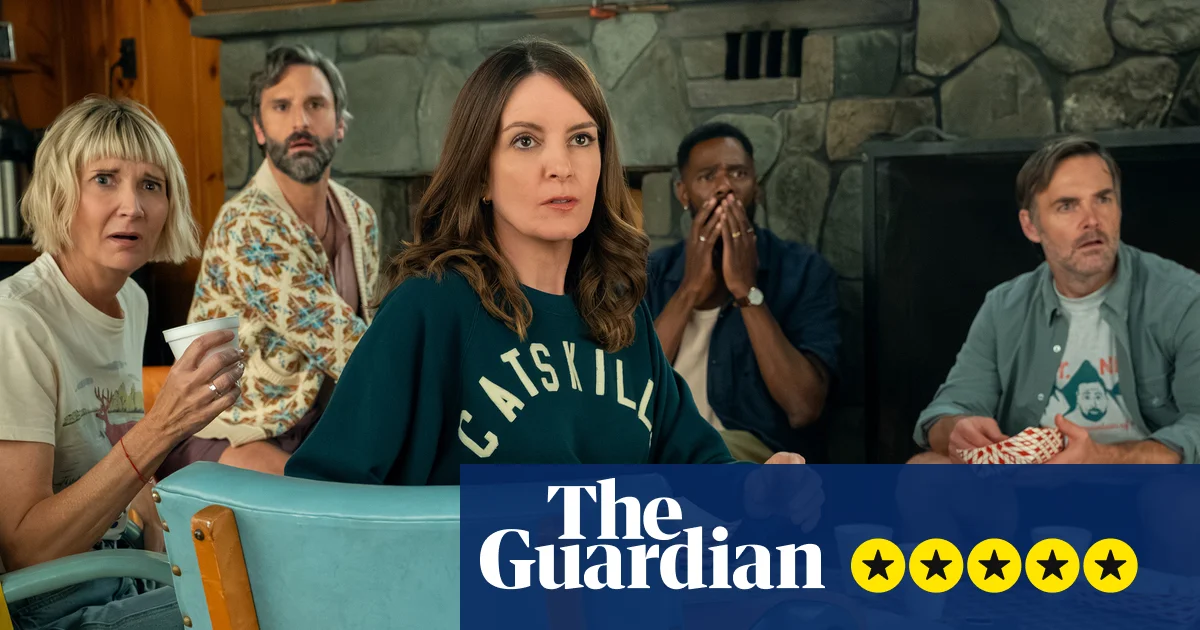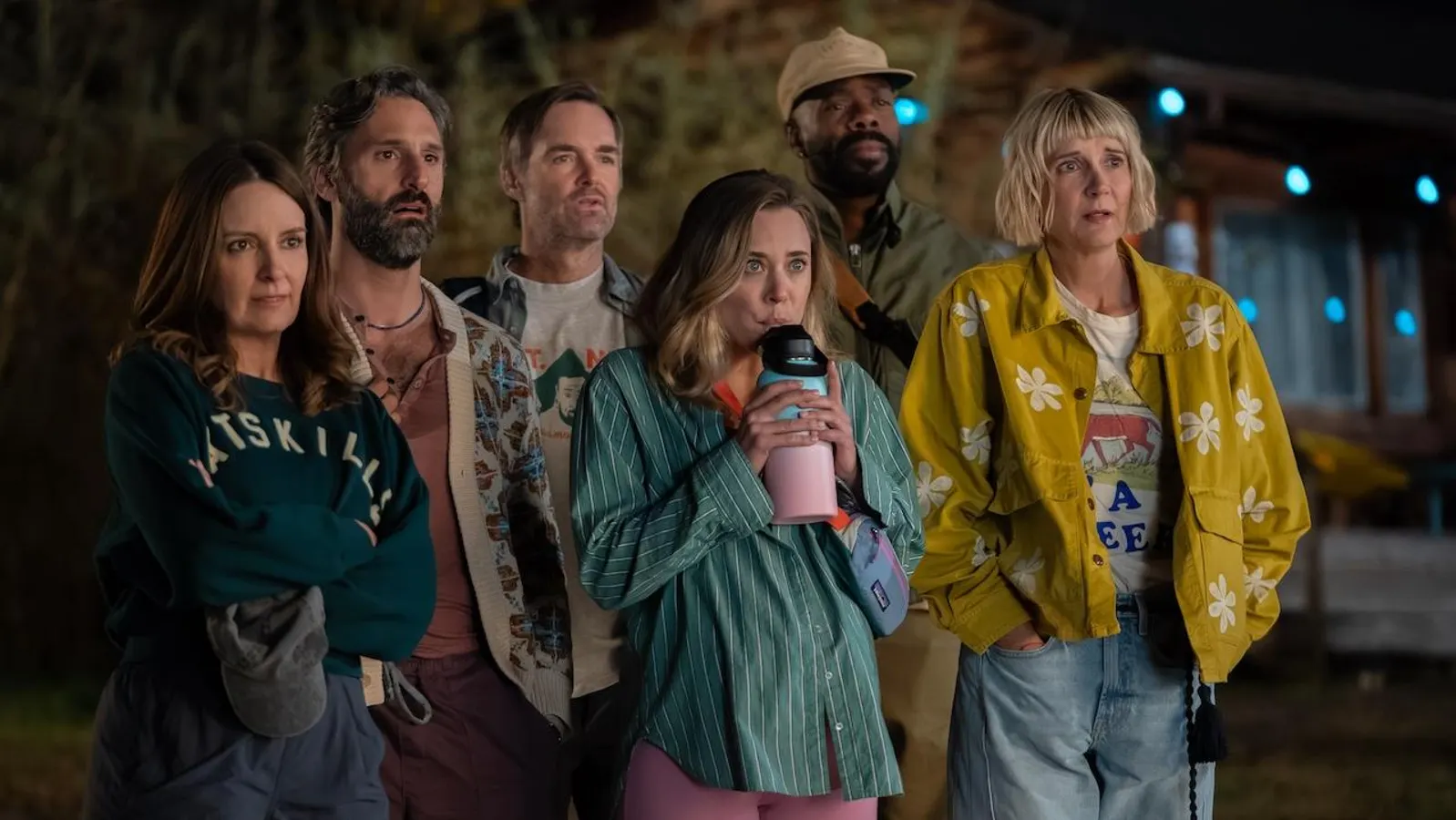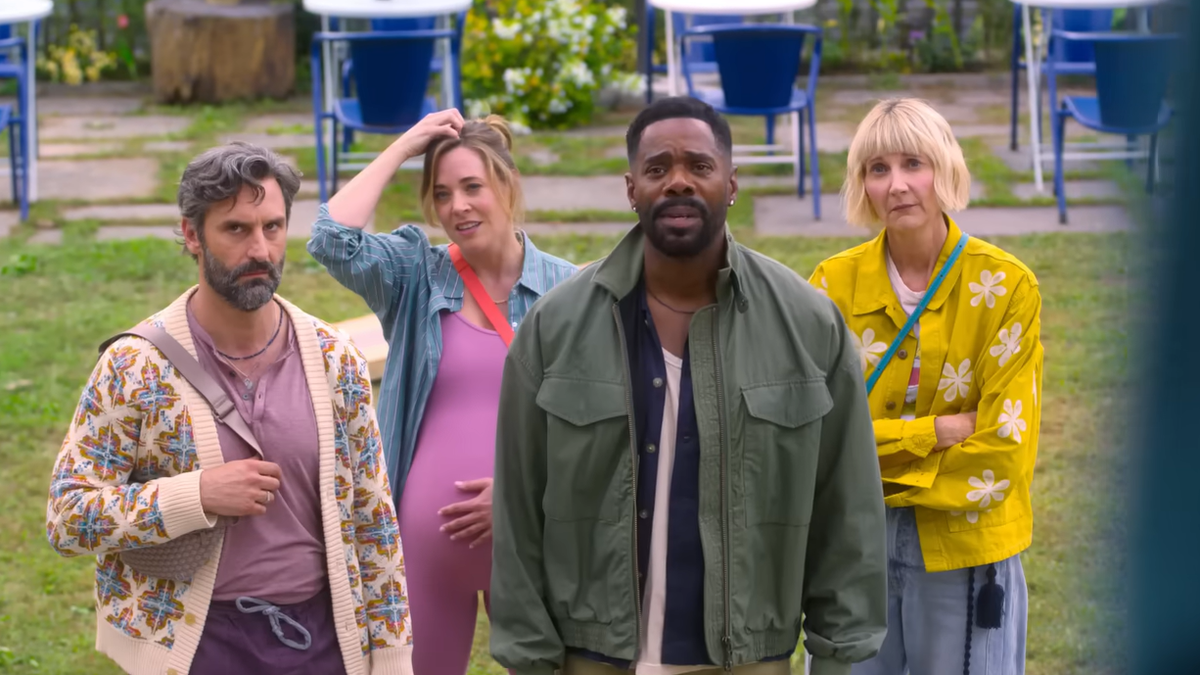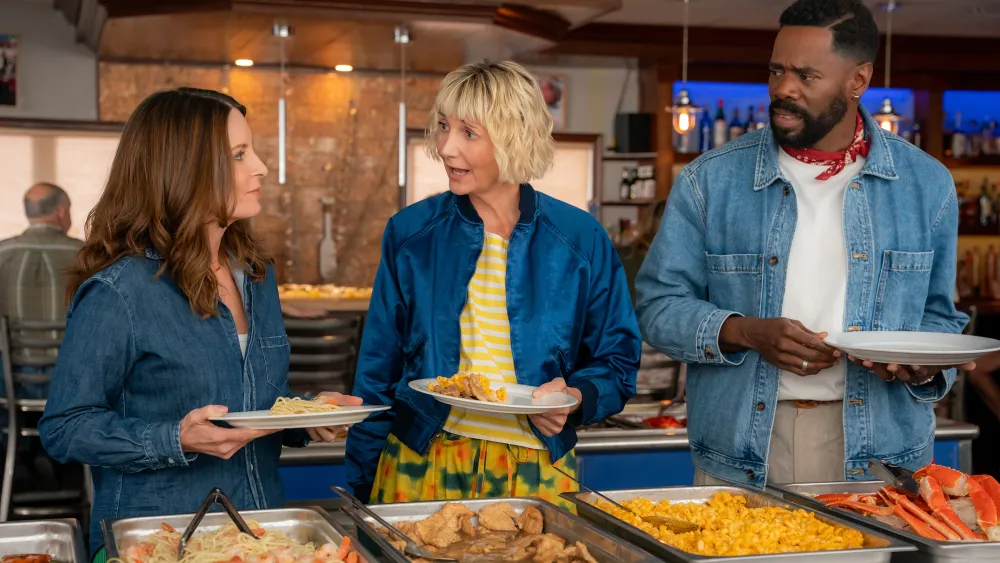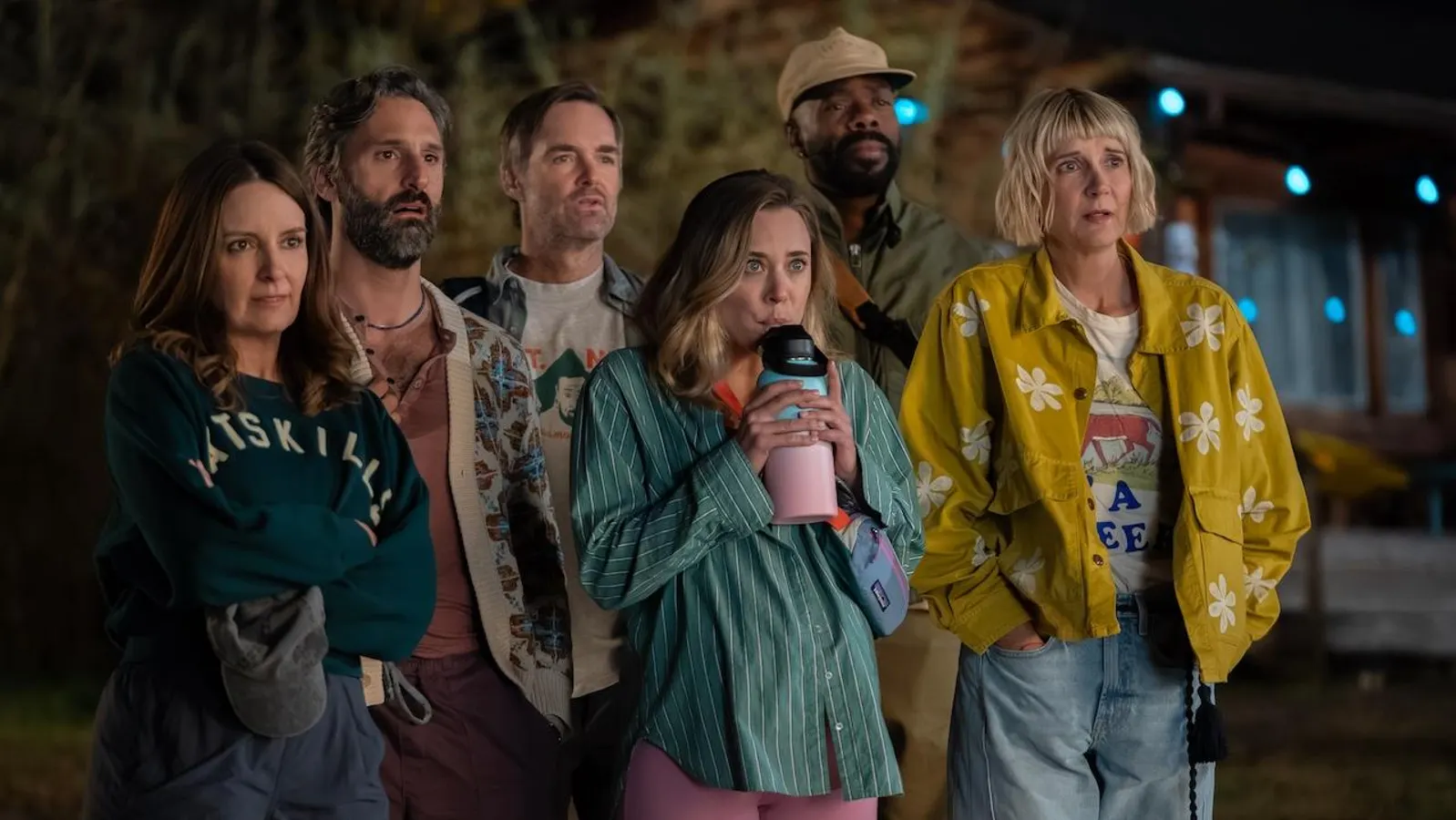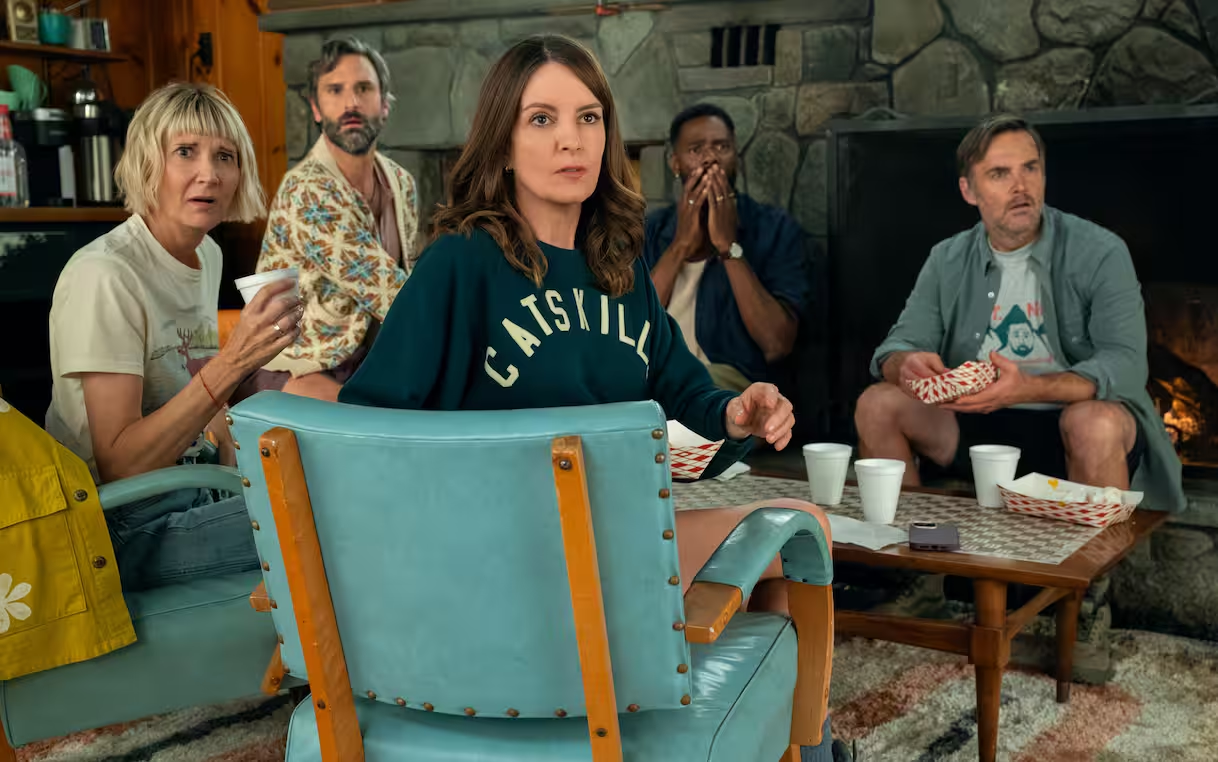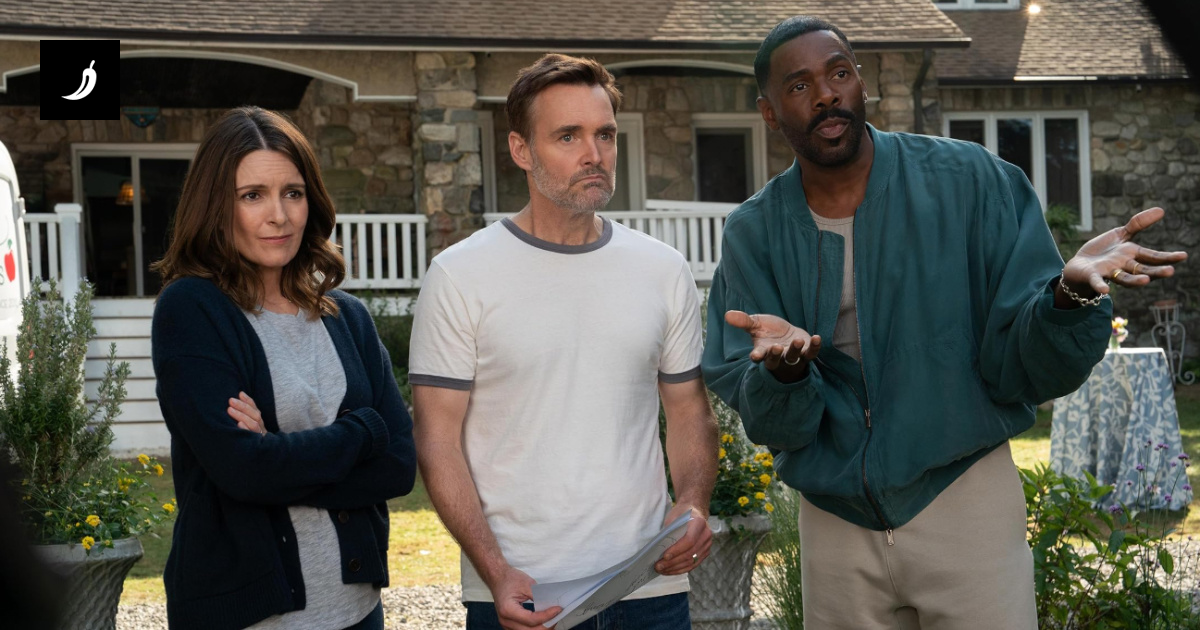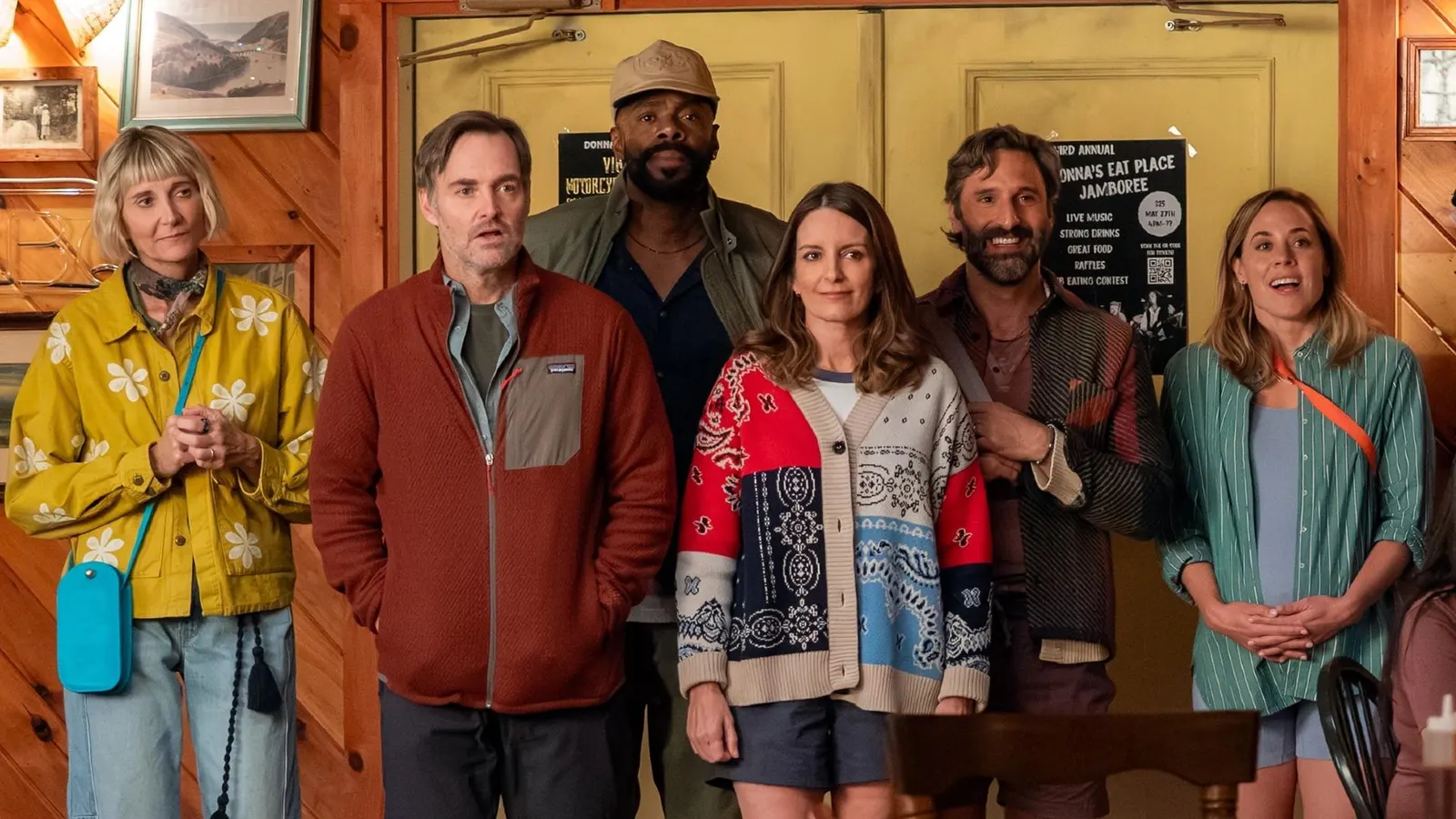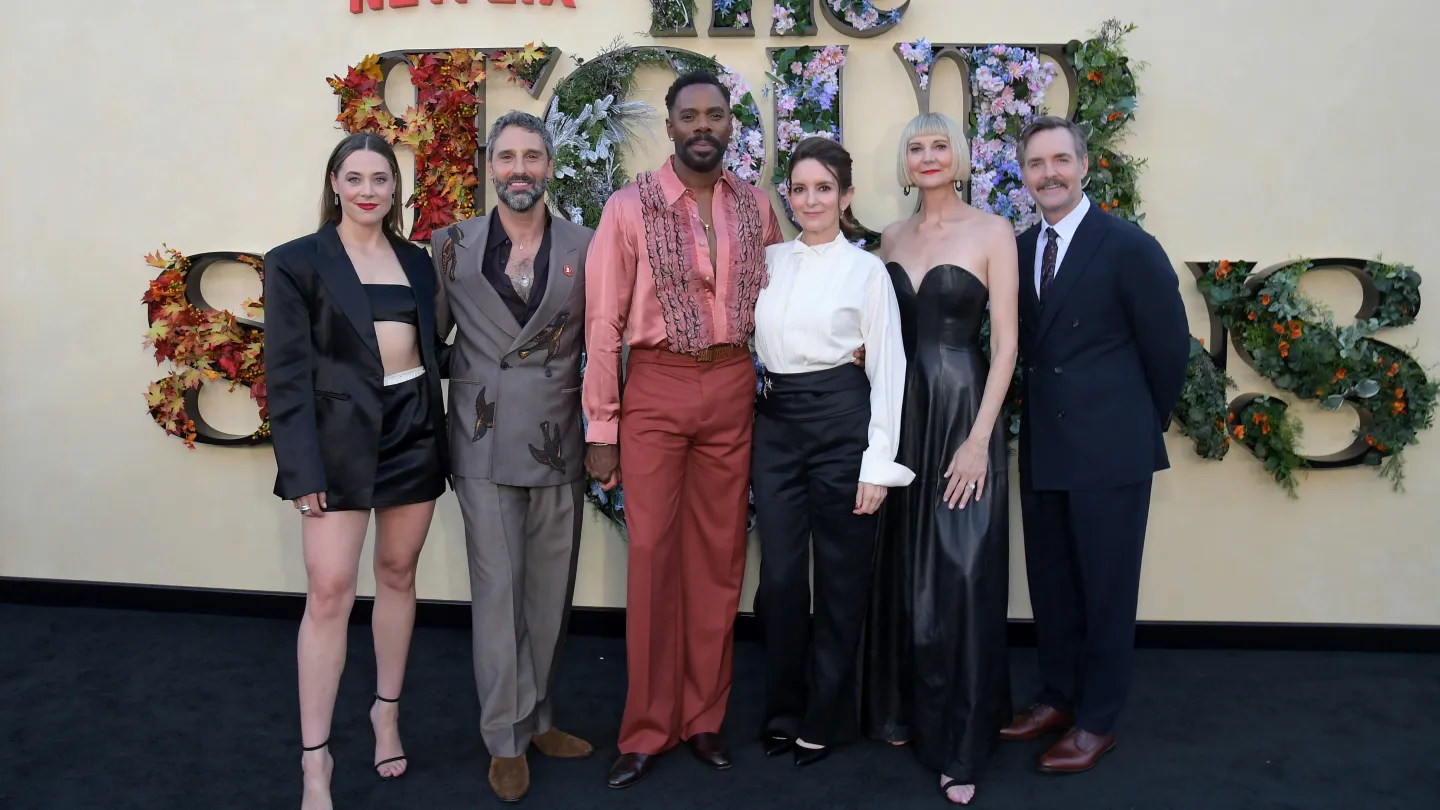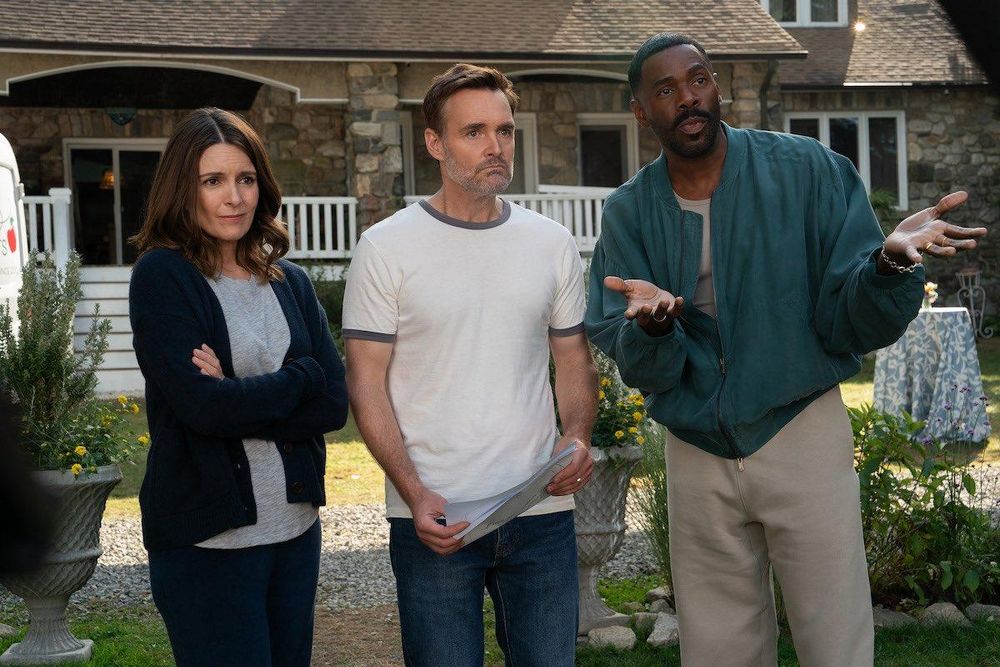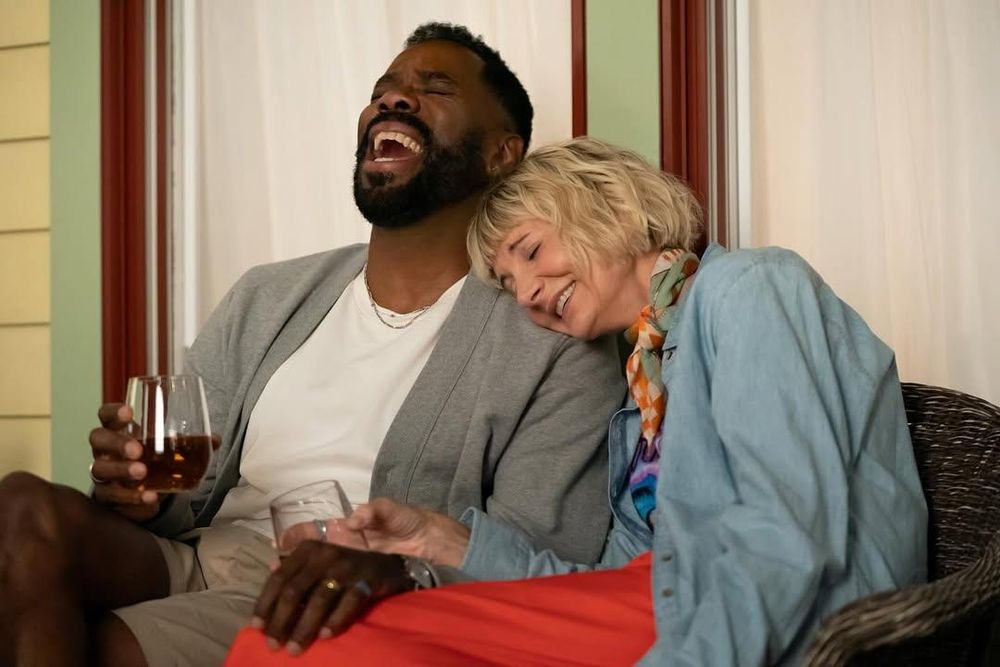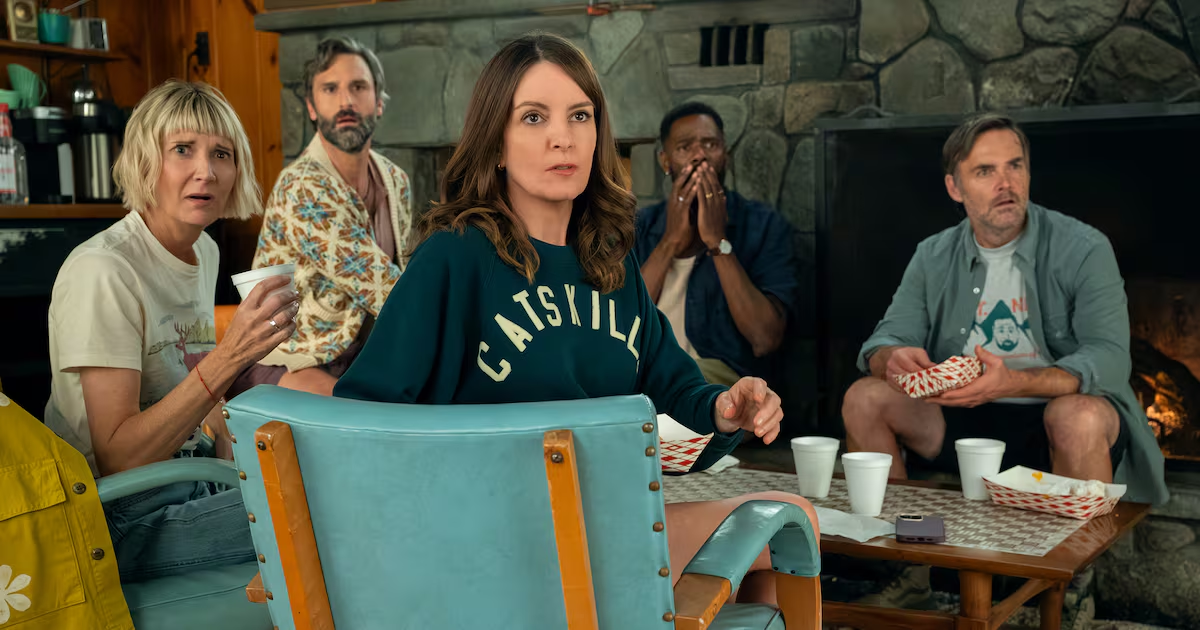
There will always be people who are shocked when it is their turn to be middle aged and irrelevant – and there will always be wry grown-up comedies about these individuals running aground on the rocks of their impending decrepitude. The trick is to have something new to say about the eternal midlife crisis – a challenge at which season one of Netflix’s remake of the 1981 Boomer lament, The Four Seasons (Netflix from Thursday), largely failed. Its big gimmick was to update midlife angst from a Boomer obsession to an anvil around the neck of a group of Gen X friends slacking their way towards obsolescence. A cast headed by Tina Fey and Steve Carell was game. But Four Seasons had zero new insights to offer about the great American midlife crisis. It was more annoying than profound, despite a genuinely shocking twist towards the end (warning: spoilers ahead). That bombshell involved the killing off of Carell’s Nick, a hedge fund manager who had ditched his wife Anne (former indie rocker Kerri Kenney-Silver) and taken up with a dental hygienist in her 30s, with whom he was expecting a child. But not even that surprise could banish the thick fog of smugness that hung around the script and which infused the performances by Fey and Will Forte, playing “normal” couple Kate and Jack, and by Colman Domingo and Marco Calvani as gay couple Danny and Claude (an obviously unthinkable proposition in the original movie). Everyone had main-character syndrome. Which may be an insight into the psychology of the average upper-middle-class ageing American but which made for tedious viewing. The series now staggers without Carell and badly misses the narcissistic energy he brought to Nick. “Other woman”, Ginny (Erika Henningsen), has now joined their circle of friends as they reconvene for another of their four-times-a-year get-togethers (hence Four Seasons). This time, the derring-do is led by Jack (Forte taking over from the part played by Alan Alda in the movie). He’s a wrinkling boy scout who wants to climb an especially forbidding peak and scatter Nick’s ashes, which is probably what he would have wanted (maybe). As he is joined by his wife and old college pals, all sorts of tensions boil over. Anne, for instance, is overwhelmed by the responsibility of dealing with Nick’s estate and doesn’t want to have Ginny around. Meanwhile, Jack’s determination to achieve maximum good clean fun is exhausting and Danny and Claude clash over which of them nixed their plans for a family (each blames the other). [ Irish film-maker on directing Kylie Minogue’s documentary: ‘She walked in with an energy. I was totally blown away’Opens in new window ]Fey is the best thing here. She always seems just one eye-roll away from shrugging her shoulders and exiting (a surprise, considering she’s also a producer). However, she and her fellow cast are stuck playing characters so pleased with themselves that their self-satisfaction could power a housing estate or three. All of which might be tolerable if the show had something profound to say about middle age. But the gang’s dilemmas are so petty and couched in privilege that it is hard to have any empathy. Carell played it smart by bailing early. Viewers forced to slog through further episodes of pampered upper-middle-class Americans bemoaning how tough they have it, will likewise feel motivated to jog on into the sunset.
The Four Seasons, season two: Steve Carell was right to bail on this show about pampered midlife Americans
Television: Tina Fey is the best thing here, and even she always seems just one eye-roll away from shrugging her shoulders and exiting
565 words~3 min read