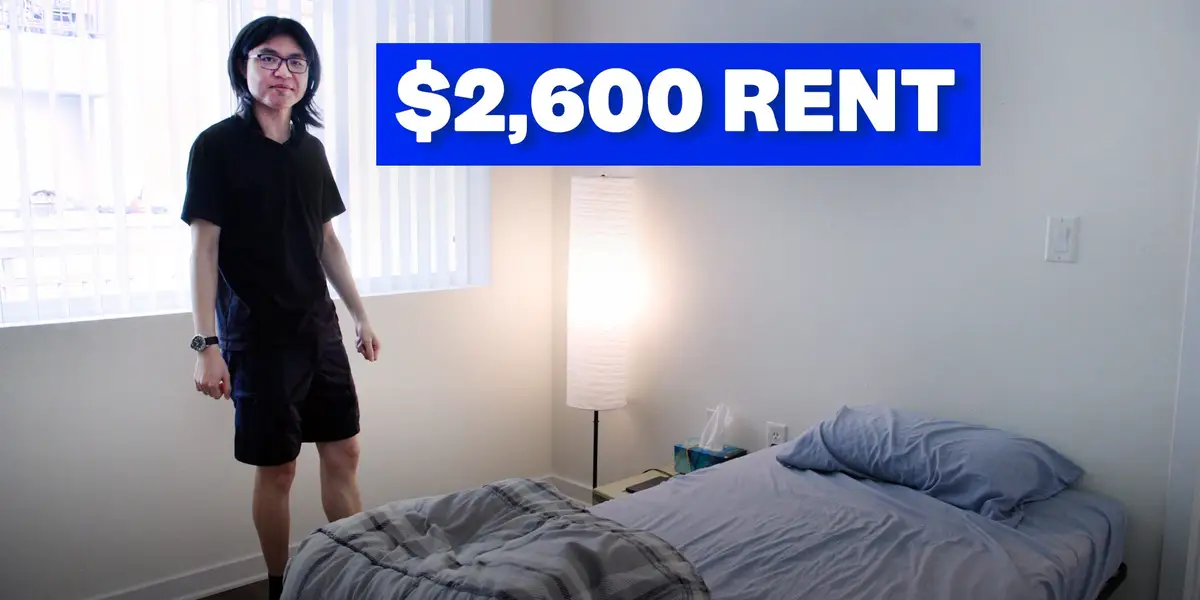
At a young age, tech professionals often dream of luxury apartments, expensive gadgets and high-end cars. But a 24-year-old Meta employee, Raymond Zeng earning $306,500 (Rs 3 crore) a year, has opted for a very different, rather an unconventional lifestyle. Living in the San Francisco Bay area, he told Business Insider that she doesn't own a car, couch or even a TV. Raymond Zeng works as a software engineer at Meta and moved to San Francisco about 8 months ago after spending 2 years in Dallas. "I've been told by many of my friends that my living situation is very "Spartan." I don't own a car, couch, or even a TV," he told BI.ALSO READ: Trump ally says New York conquered by mainstream Muslims under 'Jihadi Mamdani'Focus on travel, investment and hobbiesRaymond Zeng revealed he is focused on achieving financial independence early, with a goal of retiring around age 30. Despite earning a high salary, he says he chooses a minimalist lifestyle so he can prioritise investing, travel and hobbies over unnecessary spending.“Right now, I'd rather prioritize investing, travel, and hobbies over filling my apartment with things I don't use very much or experiences that don't lead me to a fulfilling life.”— oragnes (@oragnes) ALSO READ: ‘If you're writing code traditionally, stop. It's over': Former Google CEO Eric Schmidt Saves between $5,000 and $20,000 every monthThe employee said he earns between $7,000 and $8,000 monthly excluding bonuses and stock options, which make up around 60% of his overall compensation package. After taxes and retirement contributions, his monthly take-home income is roughly $4,000. Depending on bonuses and stock vesting, he explained he is able to save anywhere from $5,000 to $20,000 in a single month.He currently estimates he could build an investment portfolio worth more than $2 million by age 30 if markets perform well and his savings continue at the current pace.No car, low transport costs and limited food spendingThe employee also lives without a car, helping him save heavily on transportation expenses. Most months, he spends little or nothing on travel within the city, relying mainly on walking, public transit and his company’s shuttle service.His grocery spending stays around $300 a month, while he budgets another $75 for eating out. However, because his employer subsidises breakfast and lunch, he says he often spends even less than planned.Uses investing and FIRE strategy to build wealthThe tech employee says he maxes out his:401(k)Roth IRAHealth Savings Account (HSA)He also invests additional money into brokerage accounts, with around 80% allocated to US stocks and 20% to international markets.He closely tracks every dollar through self-designed spreadsheets that monitor budgeting, taxes, pay projections and investment growth.‘Build the life you want and then save for it’The employee said he actively follows FIRE (Financial Independence, Retire Early) communities on Reddit, Discord and YouTube, where he shares financial plans and investment updates.While he hopes to retire young, he admitted his plans could still change depending on life circumstances and market conditions.“One of the biggest ideas I've taken from the FIRE community is to build the life you want and then save for it. However, I'm flexible — if my circumstances change, then so will my retirement plans.”Lives minimally despite high salaryHe lives in a one-bedroom apartment for $2,600 a month, which he considers affordable for the Bay Area. Raymond revealed he intentionally keeps his lifestyle simple. His living room doubles as a workspace and hobby room, and he does not own a television because he rarely watches TV.His bedroom setup is also basic, with only a bed, blanket, pillow and a filing cabinet used as a nightstand. One luxury purchase he highlighted was a $400 bidet.“One thing I did splurge on, though, was a $400 bidet, which felt worth it as a quality-of-life upgrade.”VR gaming and hobbies help reduce social spendingInstead of frequently going out, he spends most weekends in virtual reality with friends who live far away.He said the setup has unintentionally become a money-saving habit because he no longer spends heavily on bars, restaurants or social outings.A large portion of his discretionary spending goes toward travel and hobbies, including the furry community, where he commissions artwork, designs characters and attends conventions.He is also saving for a custom-made fursuit, which can cost up to $7,000.
'No car, no TV': 24-year-old Meta employee earning $306,500 rejects luxury lifestyle, explains strategy to build wealth while pursuing travelling, hobbies
A 24-year-old Meta engineer, Raymond Zeng, earns a staggering $306,500 annually but lives a minimalist life, forgoing a car, couch, and TV. He prioritizes early financial independence, aiming to retire by 30. Zeng saves aggressively, investing heavily in stocks and utilizing the FIRE strategy to build a substantial portfolio, funding his passion for travel and hobbies.
708 words~3 min read