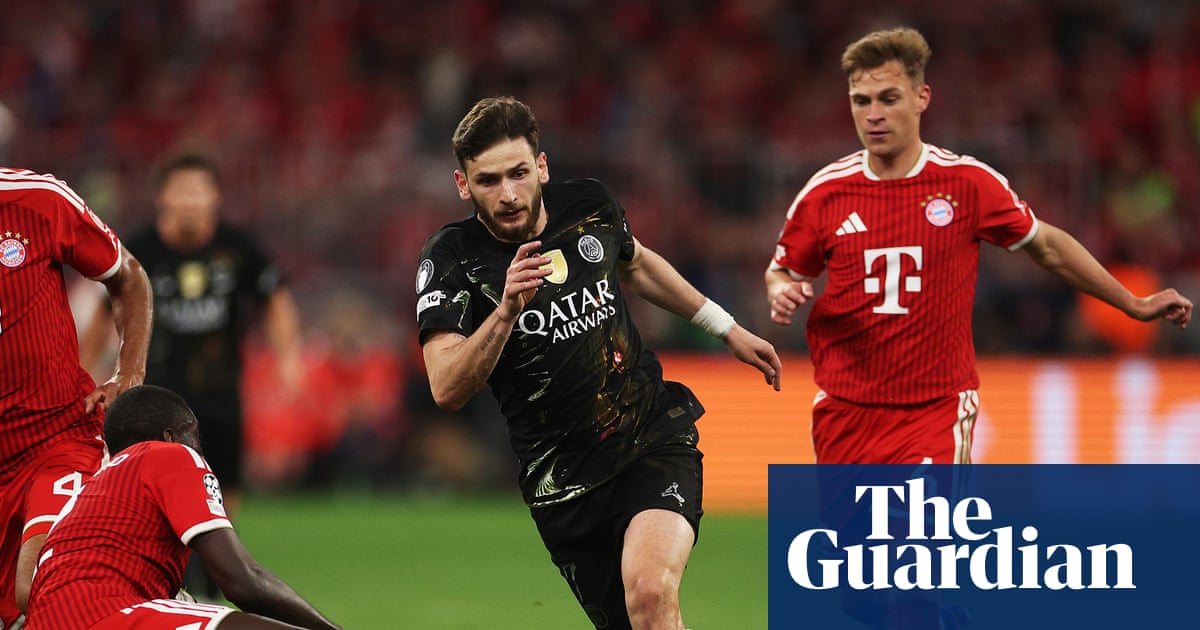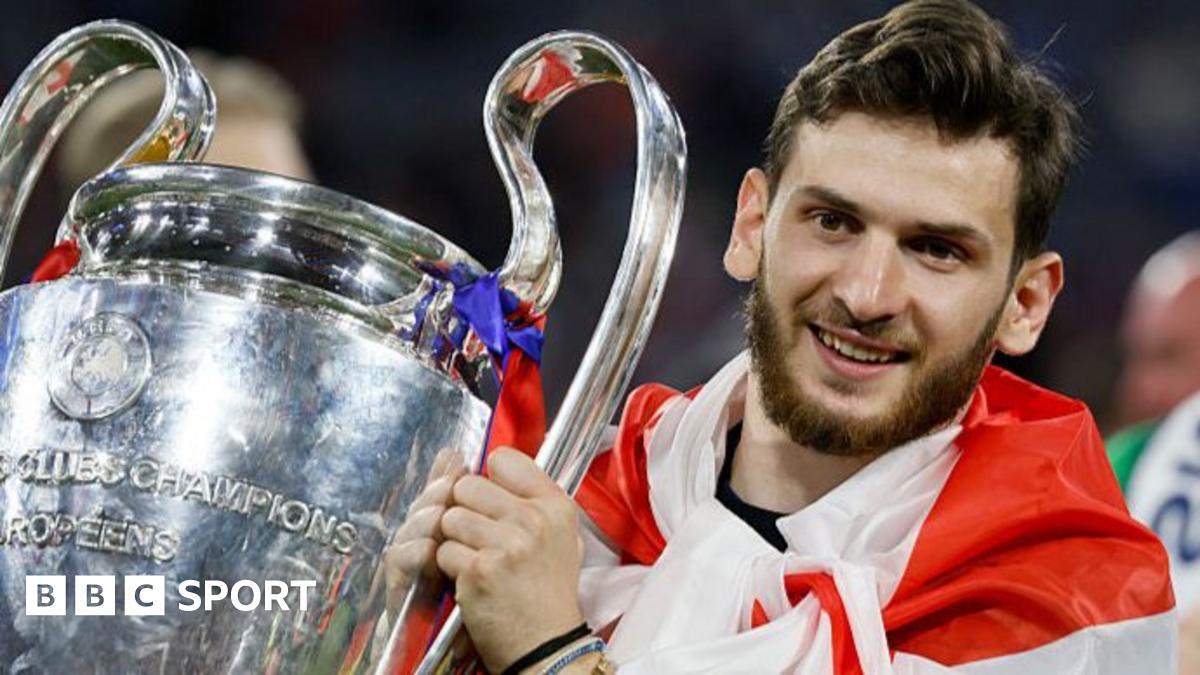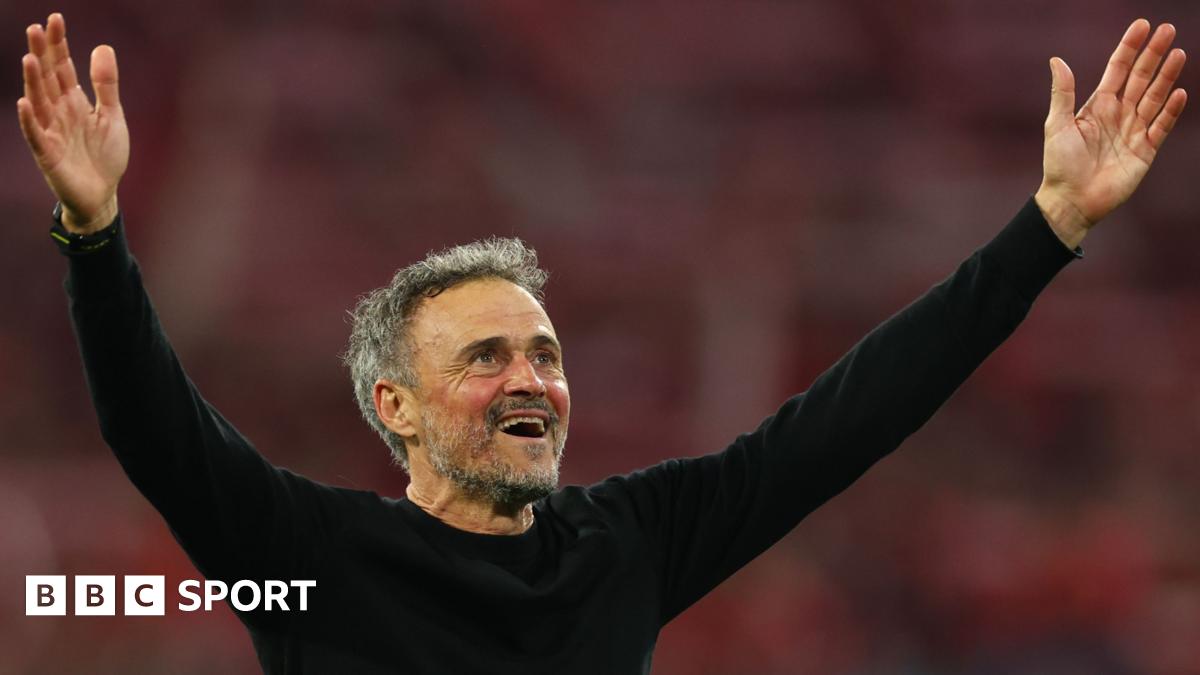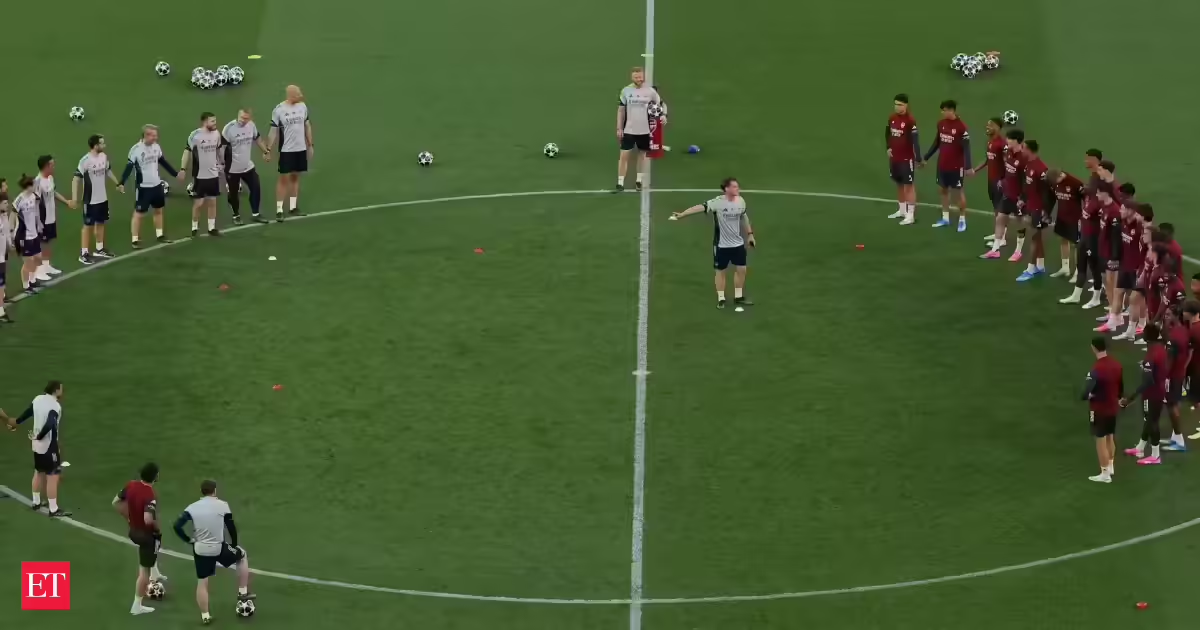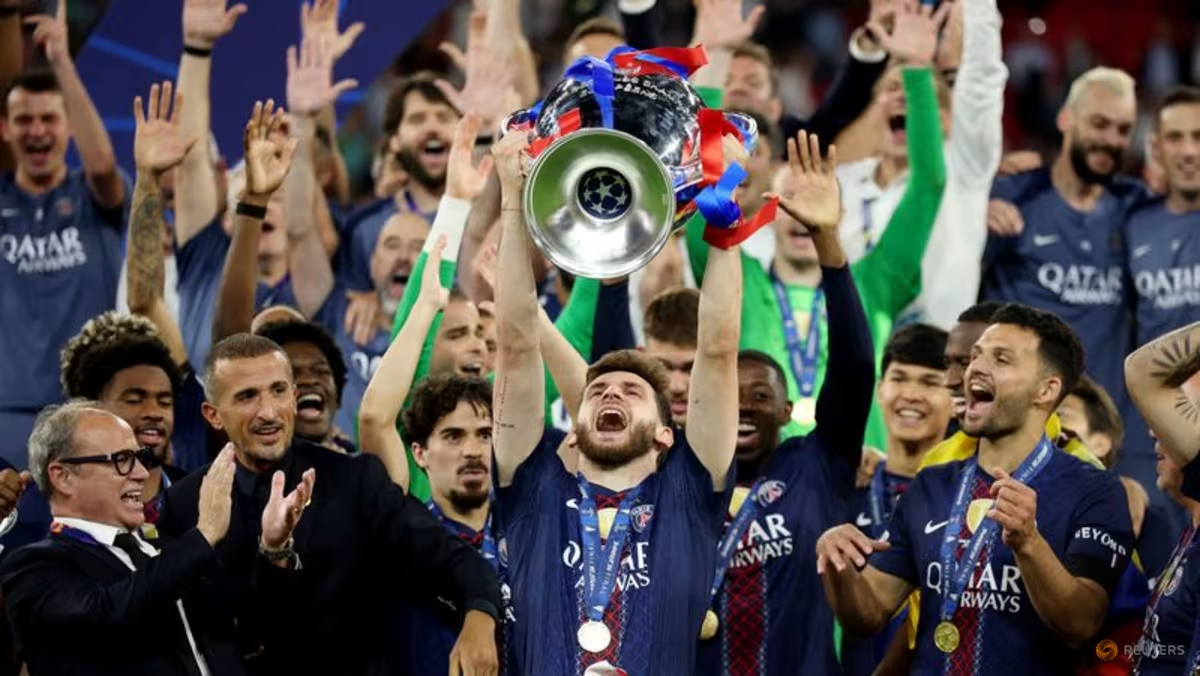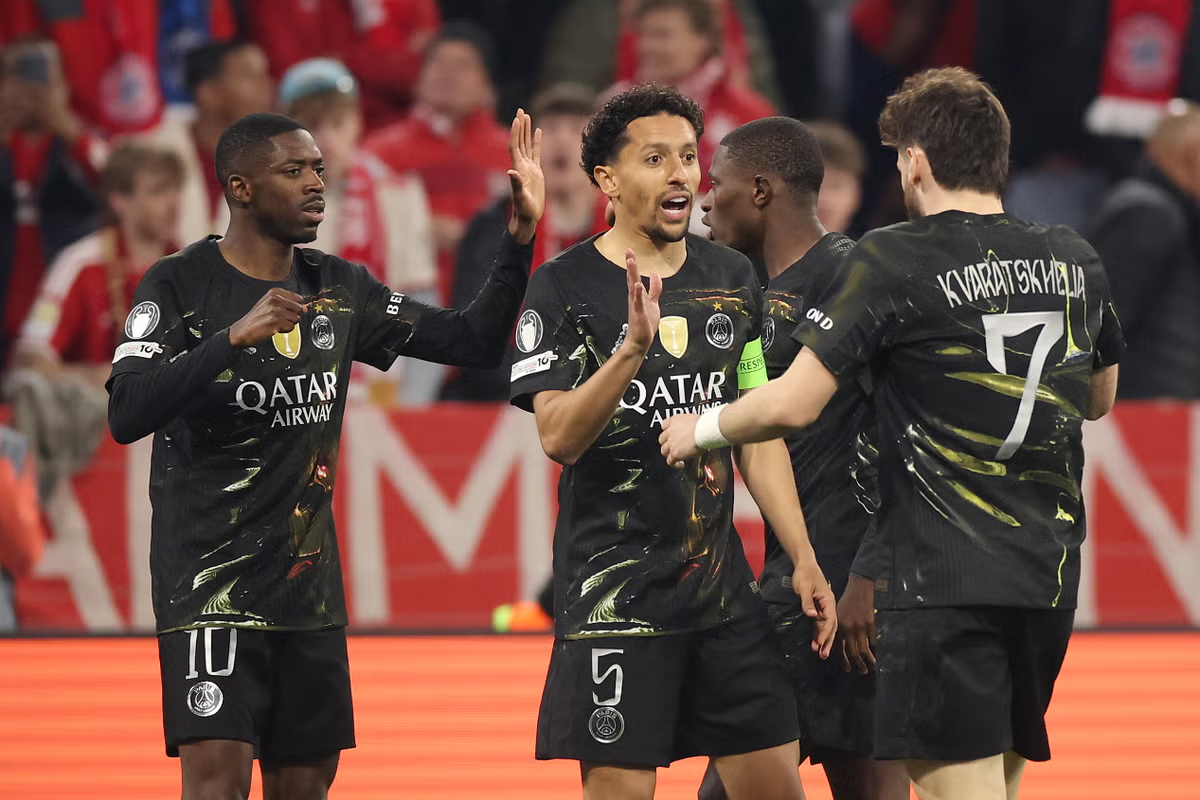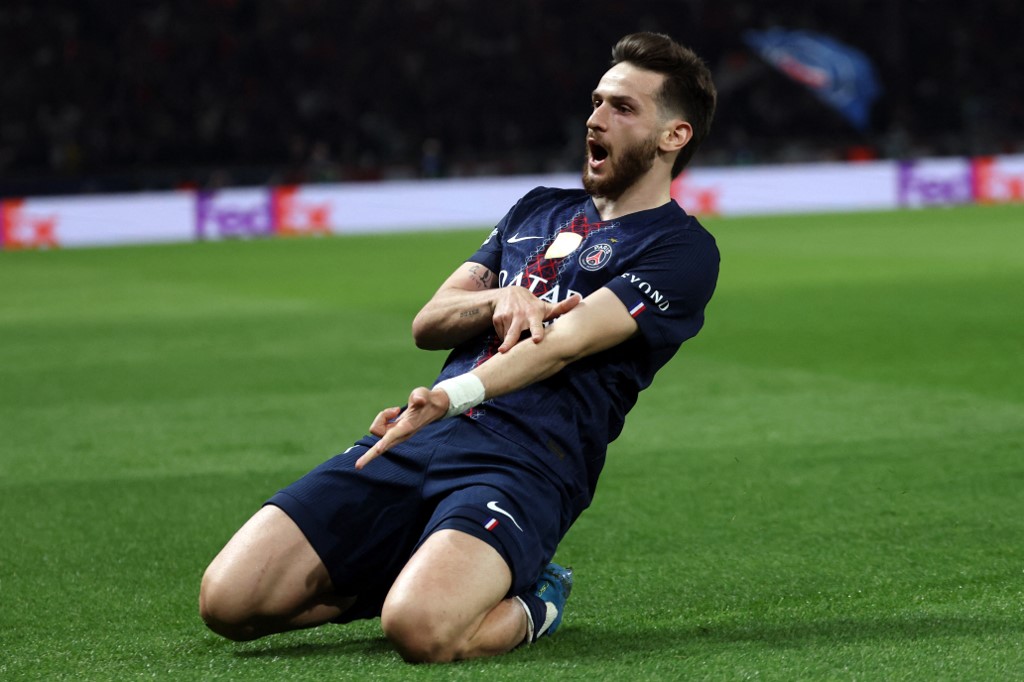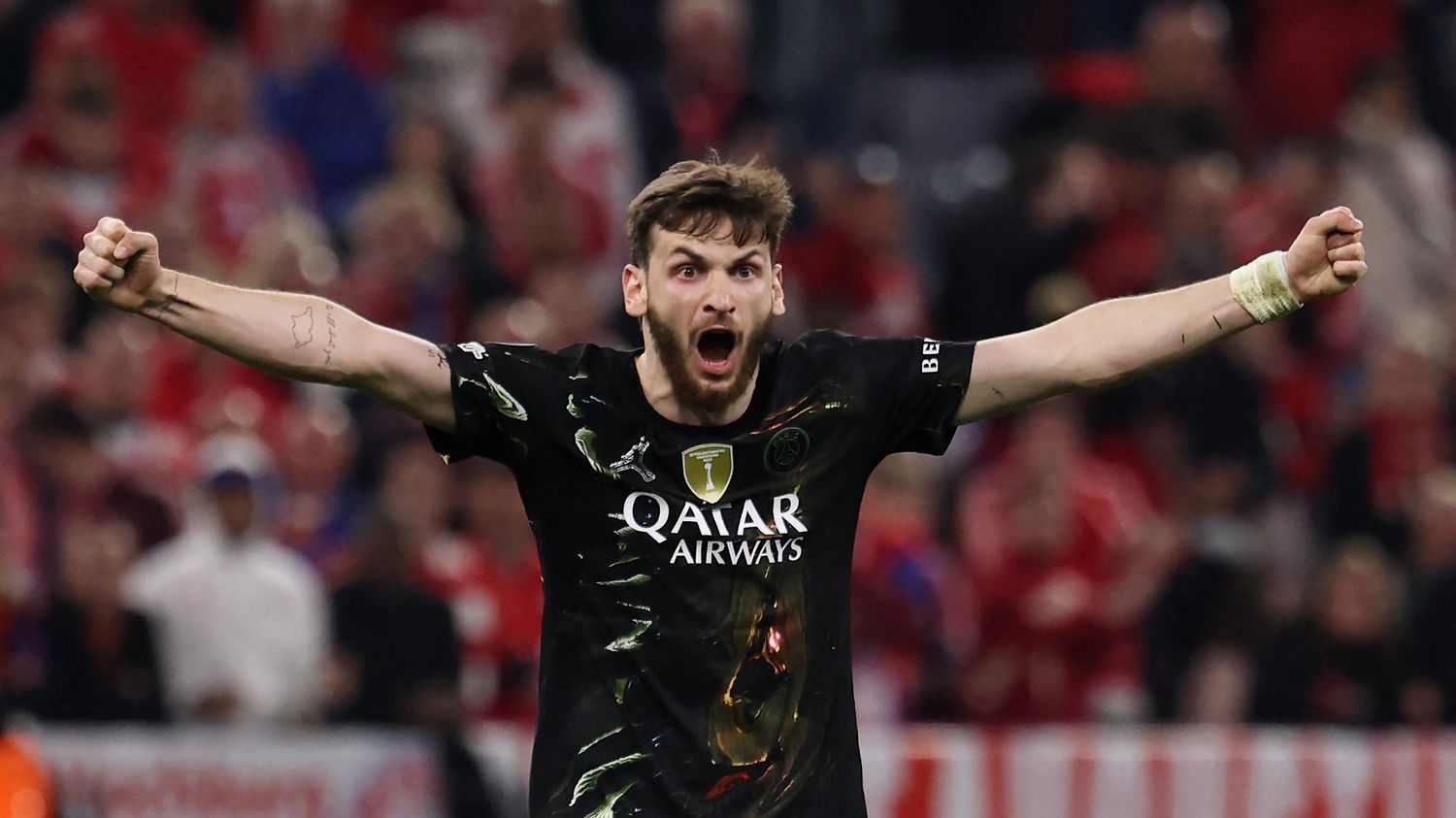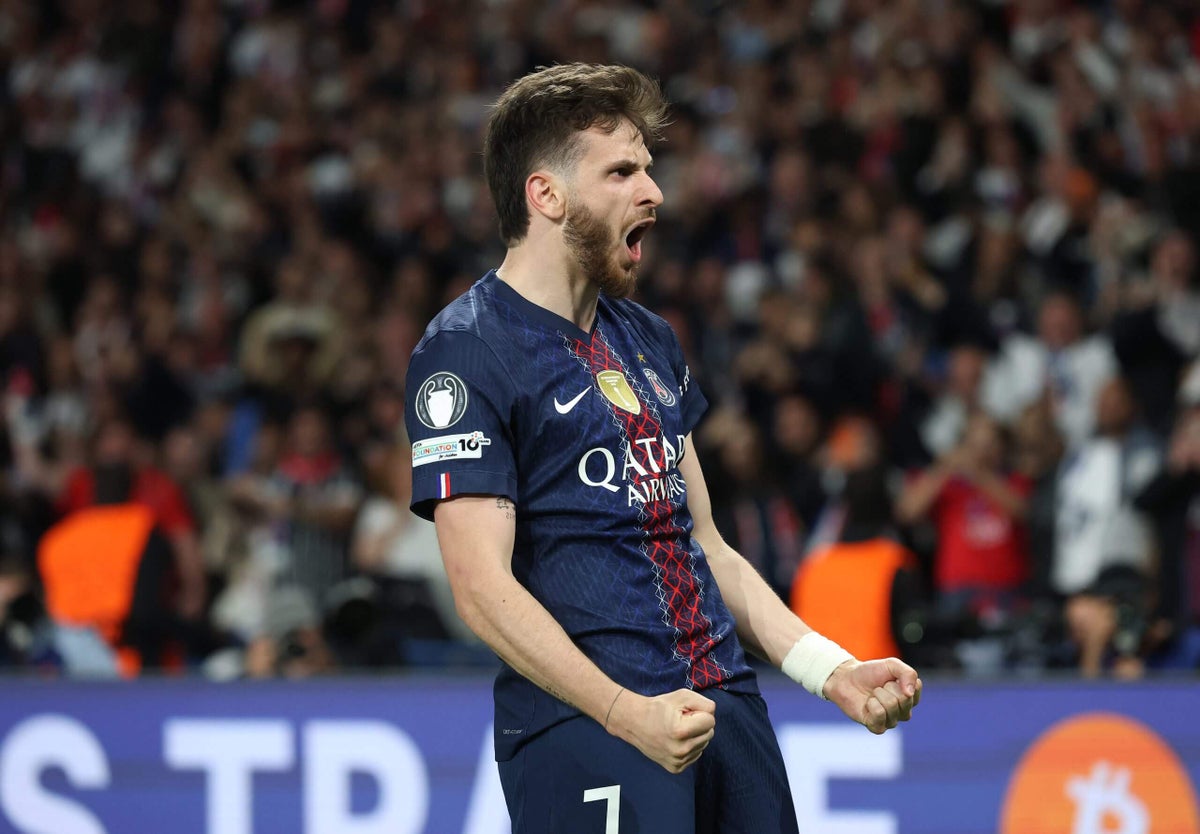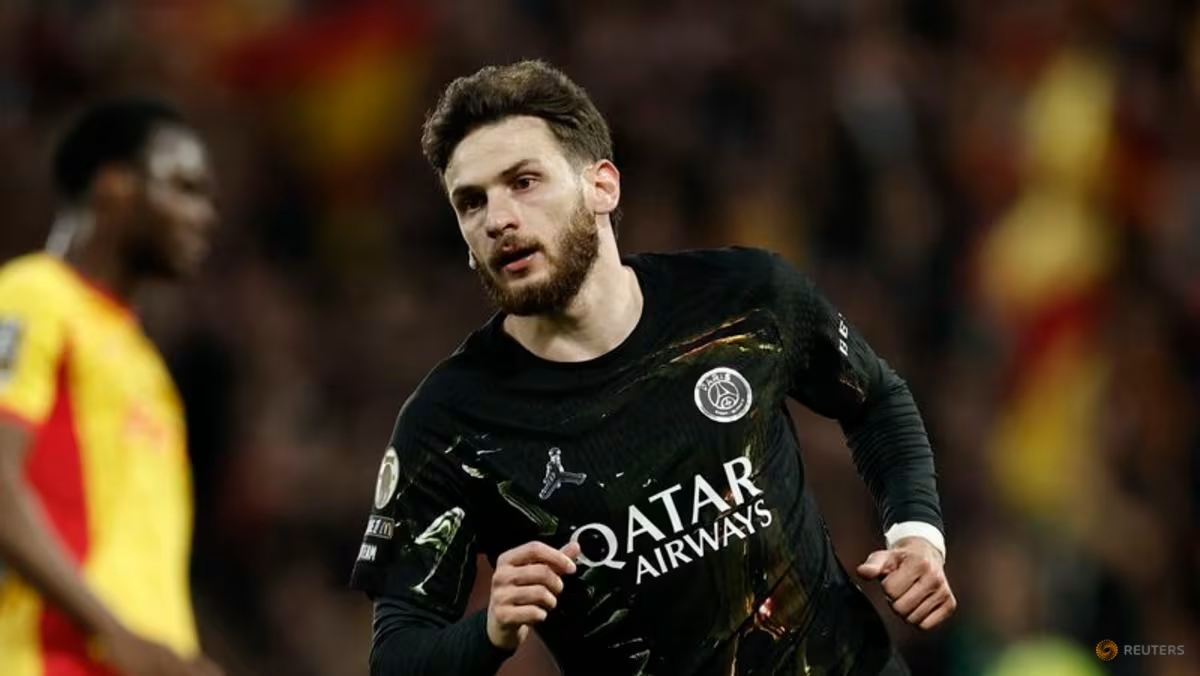
PARIS, May 28 : Paris St Germain’s road to the Champions League final has been fuelled by collective brilliance, but few players capture the chaos and beauty of Luis Enrique’s side better than Khvicha Kvaratskhelia.As PSG prepare for another showdown, against Arsenal at the Puskas Arena in Budapest, the Georgian has become one of the symbols of Luis Enrique’s exhilarating side, adding improvisation and menace to a team already overflowing with attacking talent.Long before Paris, however, there was Napoli.When the Serie A club signed the then little-known Georgian from Dinamo Batumi in 2022 for around 10 million euros, supporters barely knew how to pronounce his name. Videos have popped up on YouTube and TikTok to guide them.
Even before his first official appearance, expectations had spiralled into mythology. During his initiation ceremony, Kvaratskhelia sang Opus’s “Live Is Life”, the song forever associated in Naples with Diego Maradona’s famous pre-match warm-up against Bayern Munich in 1989.Supporters immediately christened him “Kvaradona”.“I know Maradona means everything to Naples,” Kvaratskhelia said at the time. “It’s a huge responsibility to be mentioned in the same sentence.”What followed was one of the most explosive breakthroughs in European football.Operating from the left wing in Luciano Spalletti’s thrilling Napoli side, Kvaratskhelia shredded Serie A defences with a dizzying repertoire of feints, body swerves and sudden changes of pace.By January 2023, he already had six goals and seven assists in 14 league games and was tearing through Champions League opponents with the same carefree brutality.Spalletti quickly recognised what made him different.“His unpredictability allows him to transform the ordinary into the extraordinary,” the Italian coach said.That unpredictability remains central to his game today. Kvaratskhelia is not merely a dribbler hunting highlights.Nearly ambidextrous, he can attack outside or drift inside onto either foot, combine in tight spaces or accelerate directly at defenders. He stretches defensive lines through positioning and movement, forcing opponents to retreat even before he touches the ball.Luis Enrique has refined his game further, demanding relentless pressing and defensive commitment to complement the attacking freedom.In Paris, Kvaratskhelia has become part of a collective machine rather than its sole inspiration, flourishing alongside Ballon d’Or winner Ousmane Dembele, Vitinha and Joao Neves in a younger, more balanced PSG side.His path to the elite was hardly conventional.Born in Tbilisi and coached early on by his father Badri, a former footballer, Kvaratskhelia developed in Georgia before moving to Russia with Rubin Kazan. Following Russia’s invasion of Ukraine, FIFA rules allowed foreign players to suspend their contracts, enabling him to return briefly to Dinamo Batumi before Napoli secured him.Former Georgia coach Willy Sagnol said he had tried unsuccessfully to convince French clubs to sign him. Some executives considered recruiting a Georgian too risky or insufficiently glamorous.That hesitation now looks extraordinary.Kvaratskhelia has evolved from an obscure signing into one of Europe’s defining attacking players, capable of turning elite matches with one burst of acceleration or one flash of invention that could make him a credible Ballon d’Or contender.