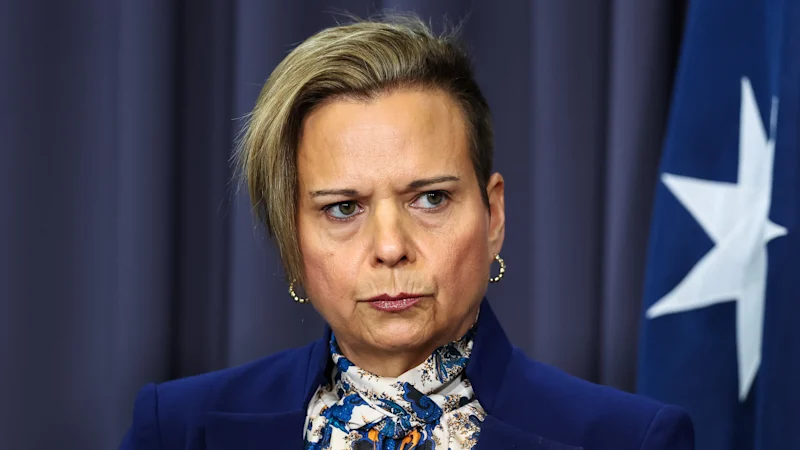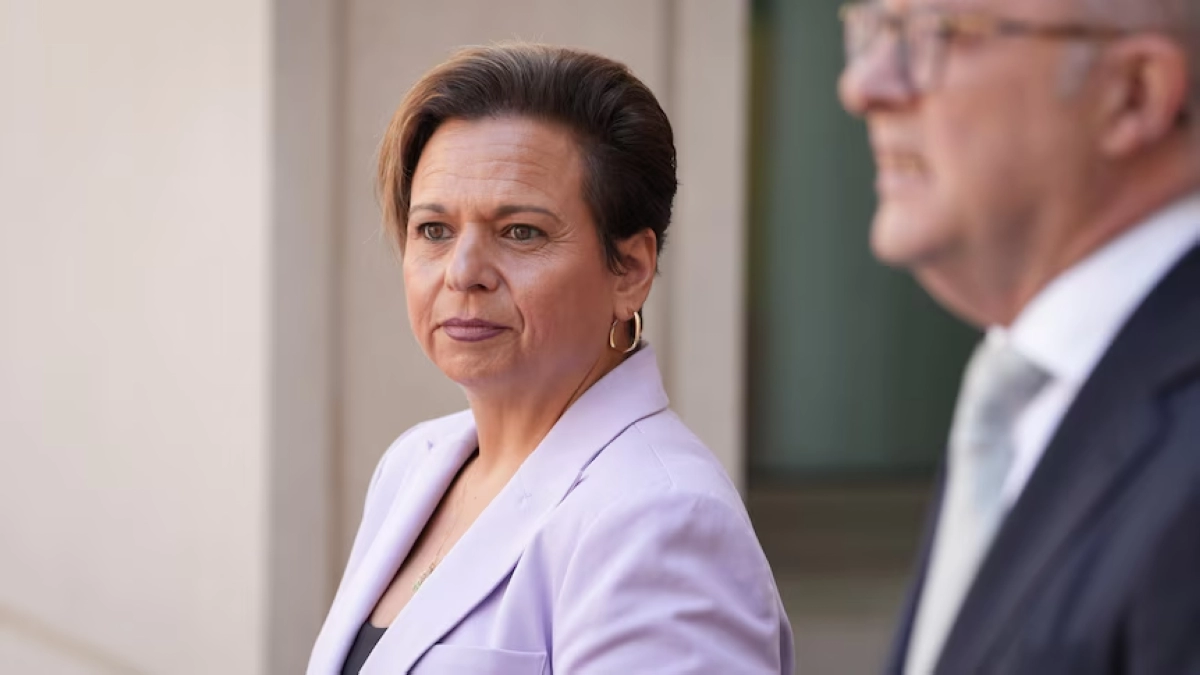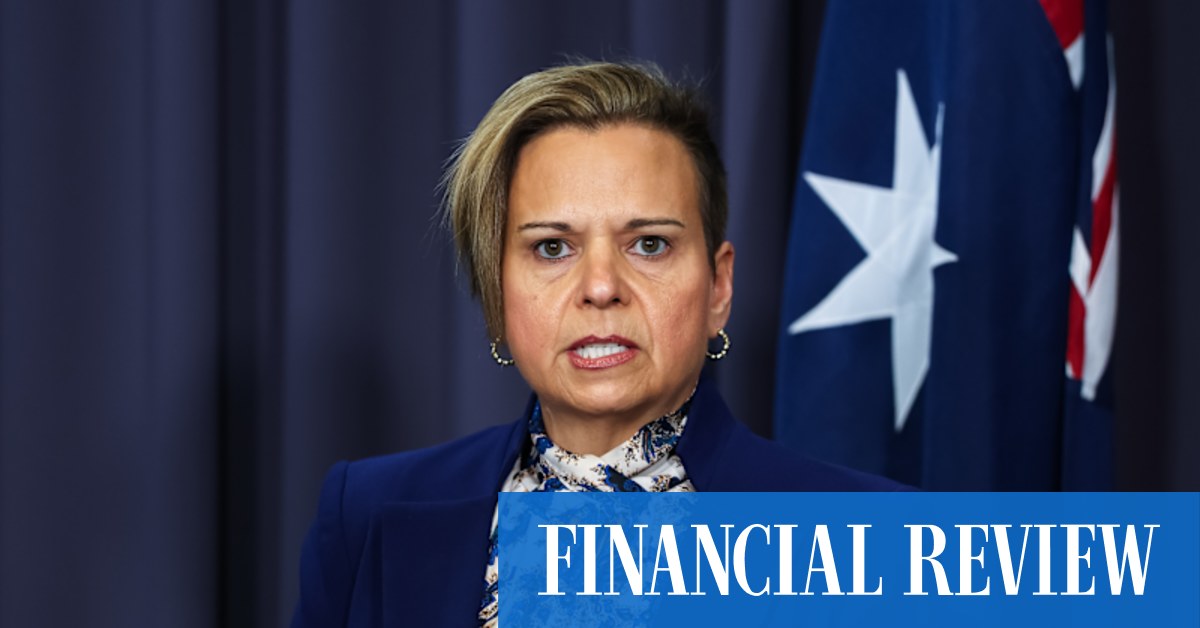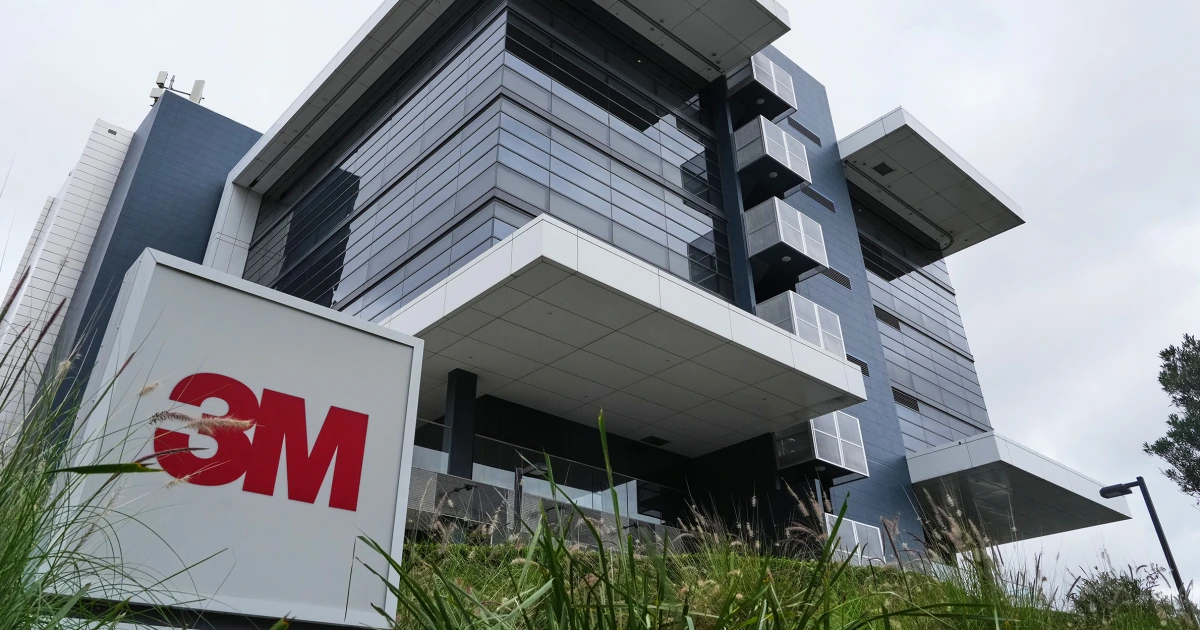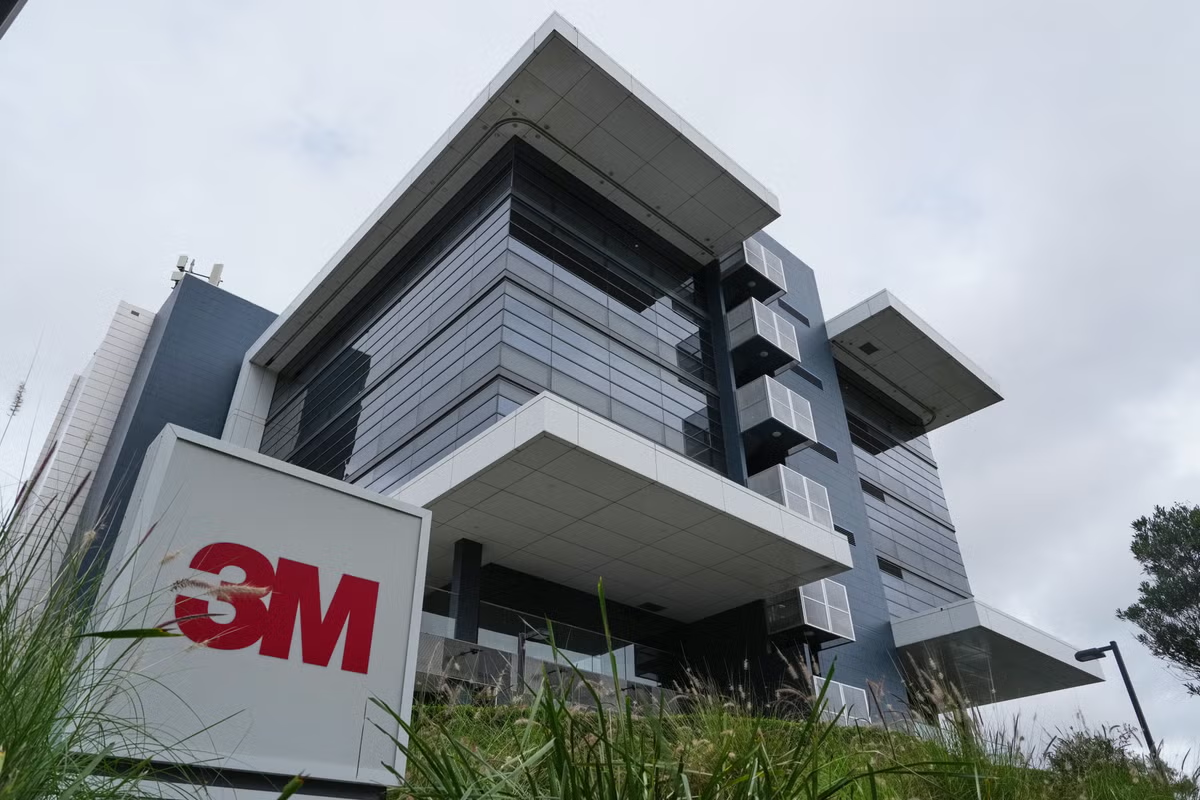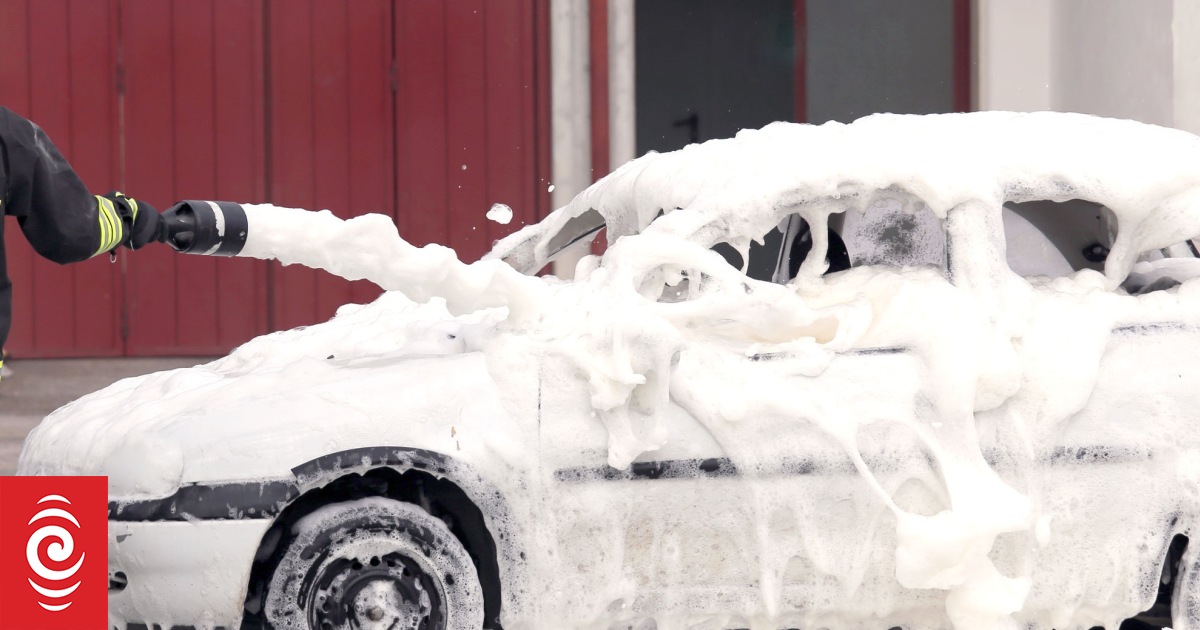
Updated May 28, 2026 — 6:29pm,first published 11:19amA $2 billion lawsuit launched by the federal government against Wall Street giant 3M company over its firefighting foam containing “forever chemicals” has blindsided the communities hit with the fallout of the contamination disaster.In the largest legal claim ever brought by the Commonwealth, 3M is being sued in the Federal Court of Australia, accused of covering up the harms of its per- and polyfluoroalkyl chemicals (PFAS), which were used for decades by the Department of Defence in firefighting foam.Lindsay Clout on his property at Fullerton Cove. Dean SewellThe foam leached off 28 Defence bases and into surrounding communities, poisoning land, water and food supplies, as well as tens of thousands of private residences.On Thursday, affected residents were caught off guard by news of the lawsuit. Lindsay Clout from Fullerton Cove, near Newcastle, was among the first to learn his land was poisoned in 2015, and said Defence spent years subsequently playing down the issue.“It’s a bit of a paradox here that we went for so long with people telling us ‘there’s no health impacts from the chemicals, there’s nothing to see here, you don’t really have to worry about it, everybody’s got it in their blood’, all that kind of discussion,” Clout said.“Now, all of a sudden, ‘yes, we have a major problem, it’s costing us a lot of money, and we’re going to recoup it’.The federal government has launched legal action against multinational company 3M.AP“It is validation, but it generates a little bit of anger for the communities that are affected by it.”Clout said locals were still living under the duress of restrictions over how they use their properties despite their successful bid for compensation.His sentiments were echoed by Mark Grant, who abandoned the Williamtown home he shared with his young family in 2017 after significant levels of PFAS were found in the blood of his baby daughter just minutes after she was born.Grant said the lawsuit was ironic given the stance Defence took with the community.“We were told we were being hysterical, there’s nothing to see here, everything is fine,” said Grant. “All of a sudden the liability is too big for them and they’re seeking financial relief.”Prized for their stain, water and heat-repelling abilities, PFAS compounds are hidden in hundreds of everyday consumer products, and have contaminated the blood of nearly every Australian citizen and most of the world’s population since they were invented last century.They are known as “forever chemicals” because they do not easily break down in the environment and can linger for years in human blood.Speaking in Canberra on Thursday, Attorney-General Michelle Rowland said the government would take the position that 3M withheld a range of information and misrepresented the effects of the substances.“This is a government that is prepared to take on one of the biggest multinational corporations in the world for the betterment of Australian citizens,” she said.Attorney-General Michelle Rowland announced the lawsuit on Thursday. Alex EllinghausenA 3M spokeswoman said the company would defend itself against the claims, noting it had never manufactured PFAS in Australia and had ceased sales of the products at issue in Australia around two decades ago.“Despite this, the Department of Defence continued to use PFAS-containing firefighting foams for nearly two decades longer, as noted in a recent legislative committee report,” she said.This masthead has been reporting on the dangers posed by the chemicals since 2015 and first flagged the potential legal action by the Commonwealth in 2024.Rowland revealed that Defence has already shouldered costs of $1.3 billion as part of a nationwide investigation into and clean-up of the toxic substances, with the bill expected to climb further in the years ahead.The costs borne by Defence also include $408 million paid to settle lawsuits launched by communities and property owners enveloped by the toxic fallout of the foam.Rowland said 3M’s misconduct had resulted in substantial costs for the Australian taxpayer.“This included withholding 3M’s own environmental laboratory testing, which showed there were significant adverse environmental effects associated with the use of 3M firefighting foam, representing that 3M firefighting foam could be safely disposed of, was biodegradable, and not toxic, and there were no significant adverse environmental effects,” Rowland said.The Australian action comes off the back of a landmark US legal settlement in 2024, in which 3M agreed to pay up to $US12.5 billion ($19 billion) to remove forever chemicals from thousands of water supplies across America.Environmental campaigner Jon Dee, who leads the Blue Mountains community group STOP PFAS, welcomed the developments.“Our argument has always been when it comes to compensation of people or compensation for property because of PFAS damage, why are taxpayers paying for a problem that was knowingly caused by 3M?” he said.University of Sydney associate professor Nick Chartres, from the Centre to End Corporate Harm, described the action by the Australian government as long overdue and critical to showing industries they would be held to account for harms caused by their products.He said internal industry documents showed that 3M knew for decades that the chemicals were toxic and persistent, and the company withheld studies from regulators that would have seen the chemicals banned in order to make billions of dollars in profit.“It is straight from the tobacco industry playbook,” Chartres said.Water scientist Ian Wright from Western Sydney University takes samples at several locations around the PFAS-polluted dam Lake Medlow, near Medlow Bath in the Blue Mountains.Wolter Peeters“Approximately 100 per cent of Australians over the age of 12 now have these chemicals in their blood, which have been established as carcinogens by world-leading authoritative bodies, and they will likely stay in our blood and the environment for decades to come.”The government’s lawsuit will not pursue 3M over personal injury claims and will instead focus on the economic, environmental and cultural effects of the contamination.The World Health Organisation’s cancer agency has classified one of the best known PFAS chemicals carcinogenic, while US and European health authorities have linked the chemicals to some kinds of cancer, raised cholesterol, suppression of the immune system and interference with hormones and fertility.Australian authorities continue to argue there is “limited evidence” of clinically significant harm resulting from PFAS exposure.Independent senator Lidia Thorpe chaired a parliamentary inquiry into PFAS which recommended the federal government pursue legal action against 3M last year.She said the fact the case would not address health impacts was deeply concerning.“We need a strong and well-resourced health response. This must be prioritised, but the government has again downplayed health impacts today,” she said.Thorpe also warned that the lawsuit should not be treated as a cost-recovery exercise to bolster the budget.“Any funds recovered from 3M need to be used on the highest areas of need as a priority.”Independent senator David Pocock has been advocating on behalf of communities devastated by PFAS pollution, including the Aboriginal community of Wreck Bay and residents of Norfolk Island.“I want to recognise the attorney-general for taking this significant step, and also the affected communities, investigative journalists, independent filmmakers, firefighters, unions and First Peoples who have spent years pushing for justice and reparations, not just here in Australia but across the world,” he said.“I hope this action will see justice delivered to those communities who have been impacted hardest, send a warning to others, and act as a wake-up call for Australia to start proactively acting to prevent the toxification of our environment.”The Greens congratulated the federal government on the lawsuit but warned stronger action was needed to remove harmful PFAS chemicals from circulation in Australia.Greens senator Peter Whish-Wilson said the government should ban all types of PFAS across all uses, including cosmetics, and regulate the chemicals out of packaging to prevent pollution at the source.“If action is not taken to manage PFAS out of packaging, Australia risks becoming the global dumping ground given other countries have taken this action years ago,” he said.Start the day with a summary of the day’s most important and interesting stories, analysis and insights. Sign up for our Morning Edition newsletter.Carrie Fellner is an investigative reporter for The Sydney Morning Herald.Connect via X or email.Caitlin Fitzsimmons is the environment and climate reporter for The Sydney Morning Herald. She was previously the social affairs reporter and the Money editor.Connect via email.From our partners
‘A bit of anger’: Residents frustrated by bombshell $2b lawsuit over ‘forever chemicals’
The lawsuit is the largest legal claim ever brought by the Commonwealth but has blindsided communities hit with the fallout of the contamination disaster.
1,367 words~6 min read