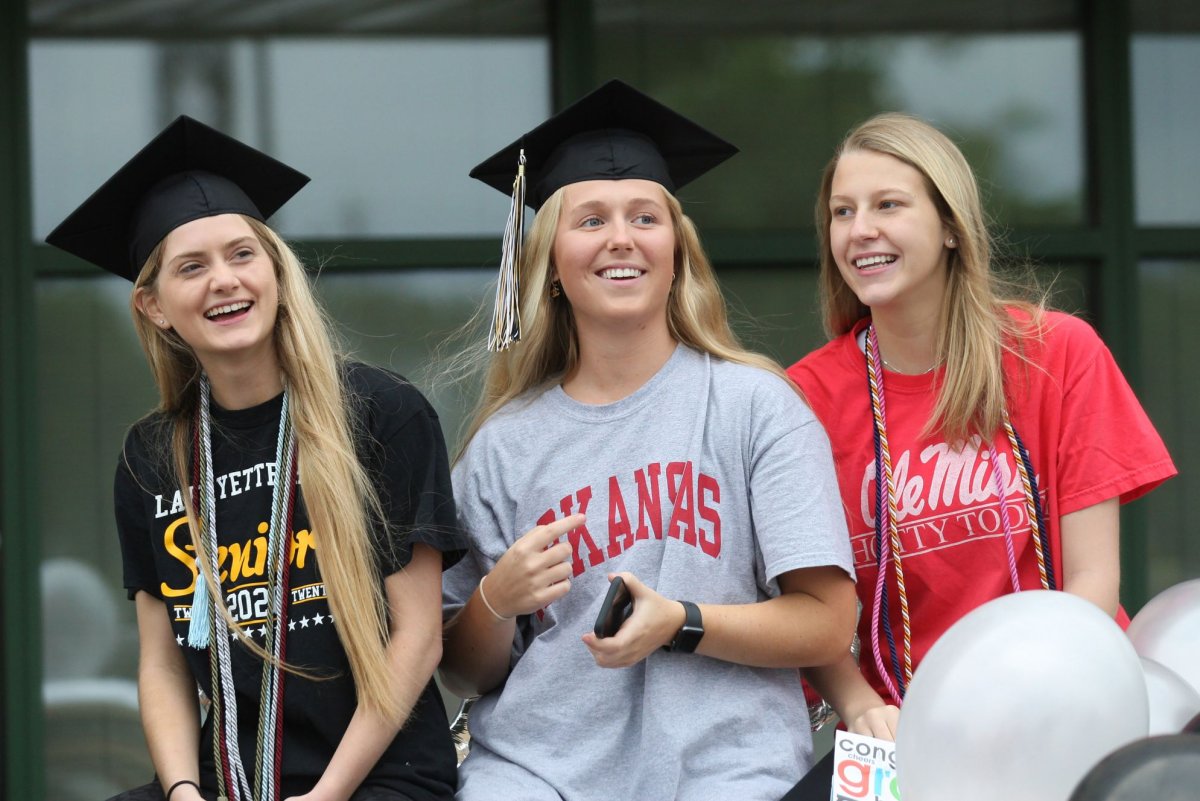
Earlier this month, I received a high school graduation announcement for my alma mater, Cushing High School in Cushing, Okla. A friend’s son walked across the same stage I did 25 years ago and, as I did, will be going to college in the fall.
Neither of us had a good chance of making it that far, statistically speaking.
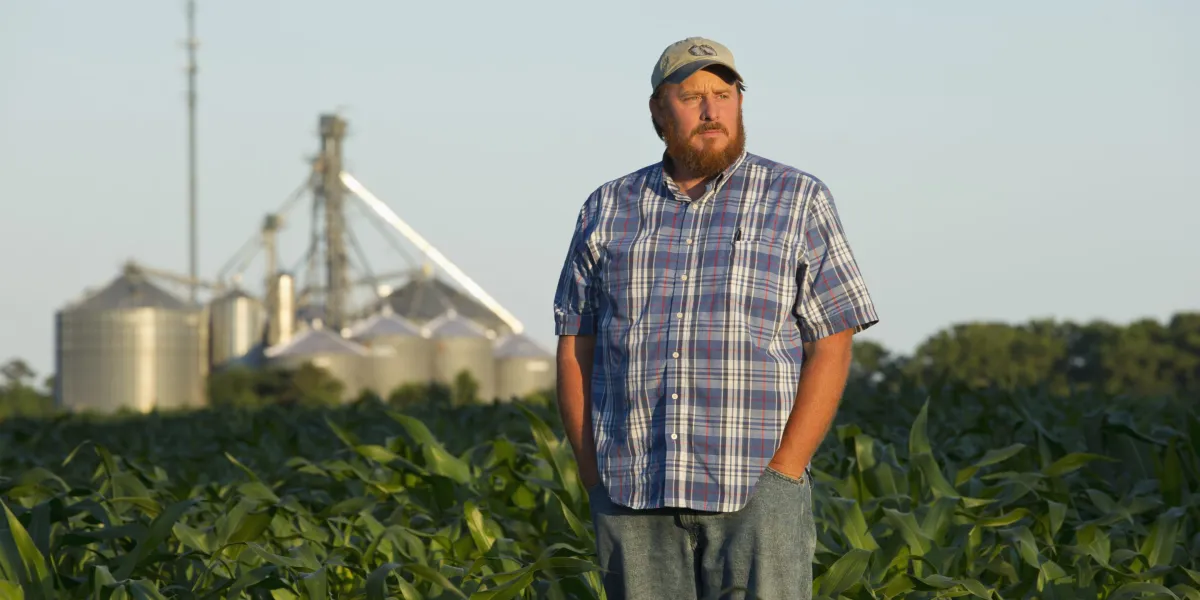
College-going rates among rural students remain lower than the national average—in 2022 just over half (53 percent) went directly to college, compared to 63 percent of suburban and 60 percent of urban high school graduates. Rural students who do find their way to higher education may do so because of TRIO programs like Upward Bound and Talent Search. But with traditional-age enrollments projected to decline and federal support for access programs now at risk, a renewed focus on rural areas could get more students on campus and help grow rural economies. Colleges also have the added political incentive of showing rural communities, where skepticism of higher ed may be elevated, the benefits of a degree.
The Ph.D. Is Not a Pit Stop for Creative Writers
The End of the Grad School Lifeline? (opinion)