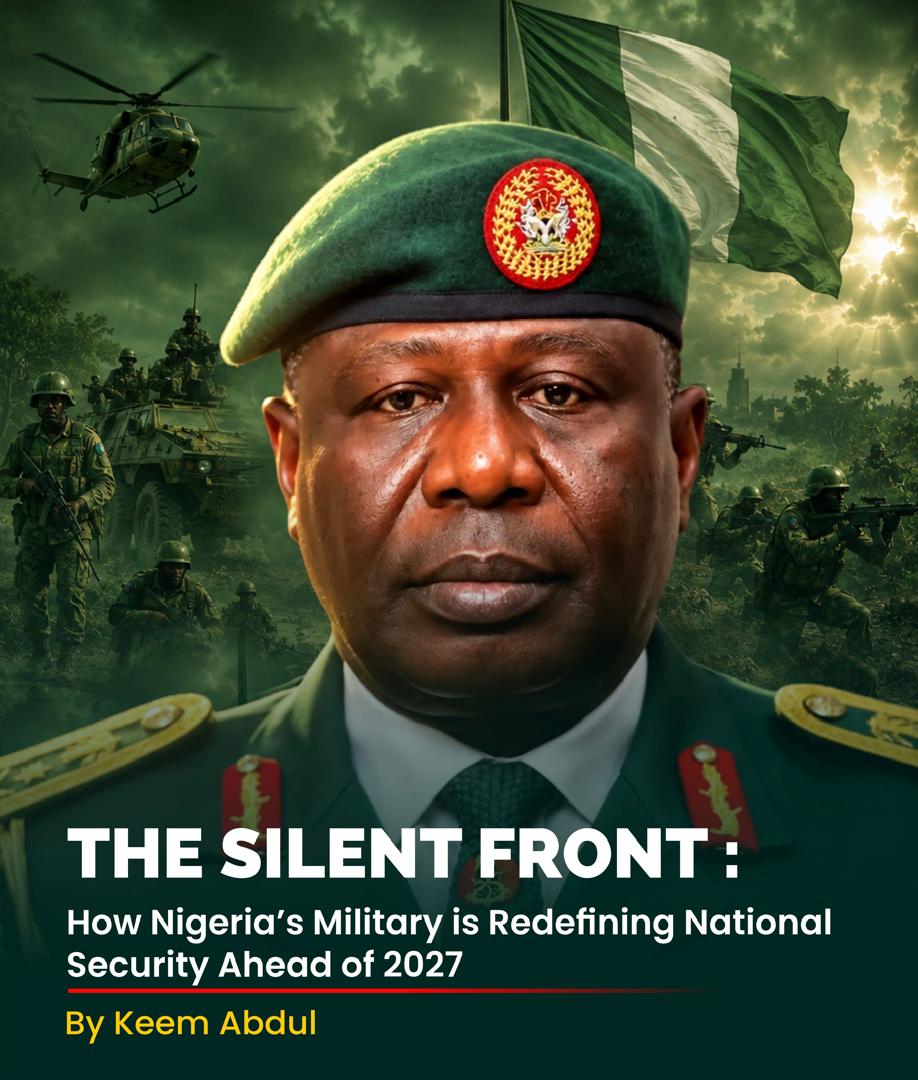
When Nigerians think of the Armed Forces, the image is usually stark: troops in desert fatigues, armored vehicles rolling through the Northeast, gunboats patrolling the Niger Delta, fighter jets streaking over the Northwest. For two decades, Nigeria’s security story has been written in the language of bullets, bombs, and body counts.
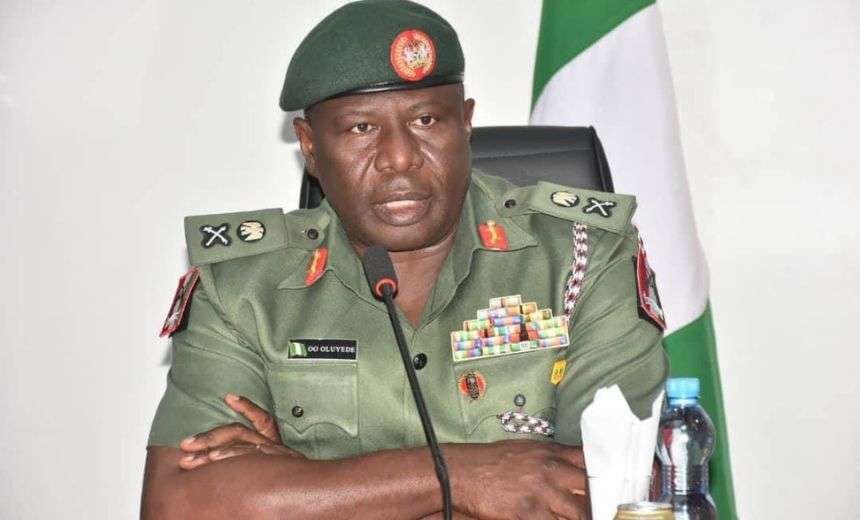
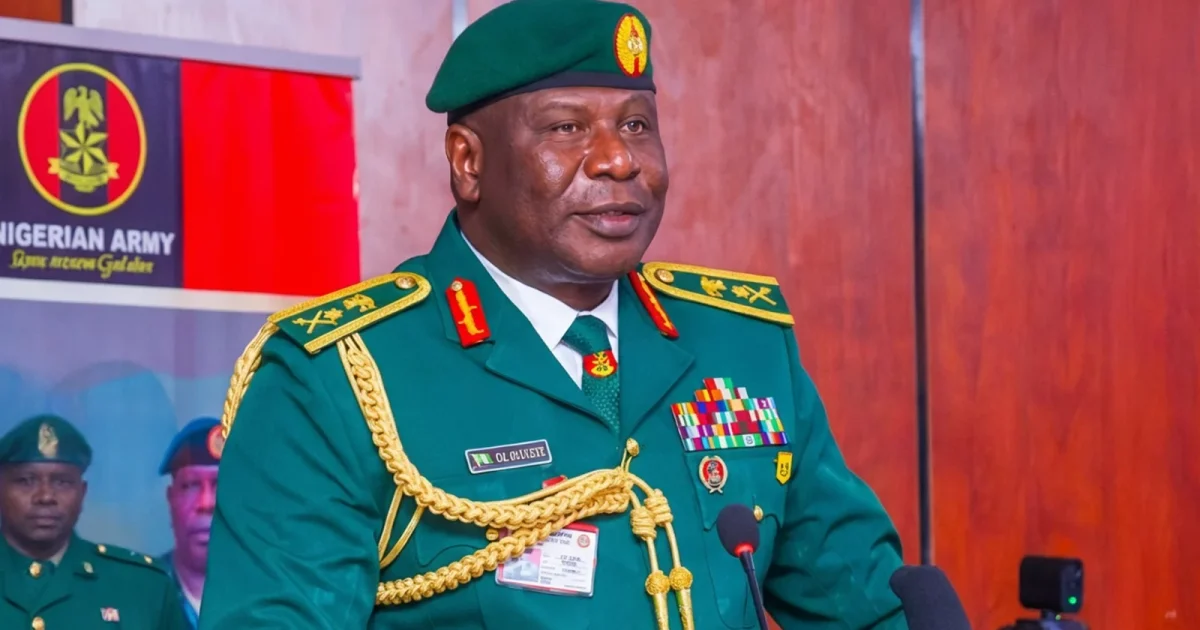
But under Chief of Defence Staff General Olufemi Oluyede, a quieter front is opening up. It’s a front shaped by his years in Port Harcourt as General Officer Commanding of the 6 Division and Land Component Commander of Operation Delta Safe, where he saw firsthand how quickly a military operation could be won on the ground and lost in the court of public opinion.
Today, the weapons are narratives, the battles are fought in news cycles, and the territory being contested is public perception. It is a shift that signals more than a change in tactics. It is the emergence of a new military doctrine for Nigeria — one that treats information integrity and strategic communication as equal to firepower. And with the 2027 general elections already casting a long shadow over the political landscape, the implications are profound.
From the Battlefield to the Information Space