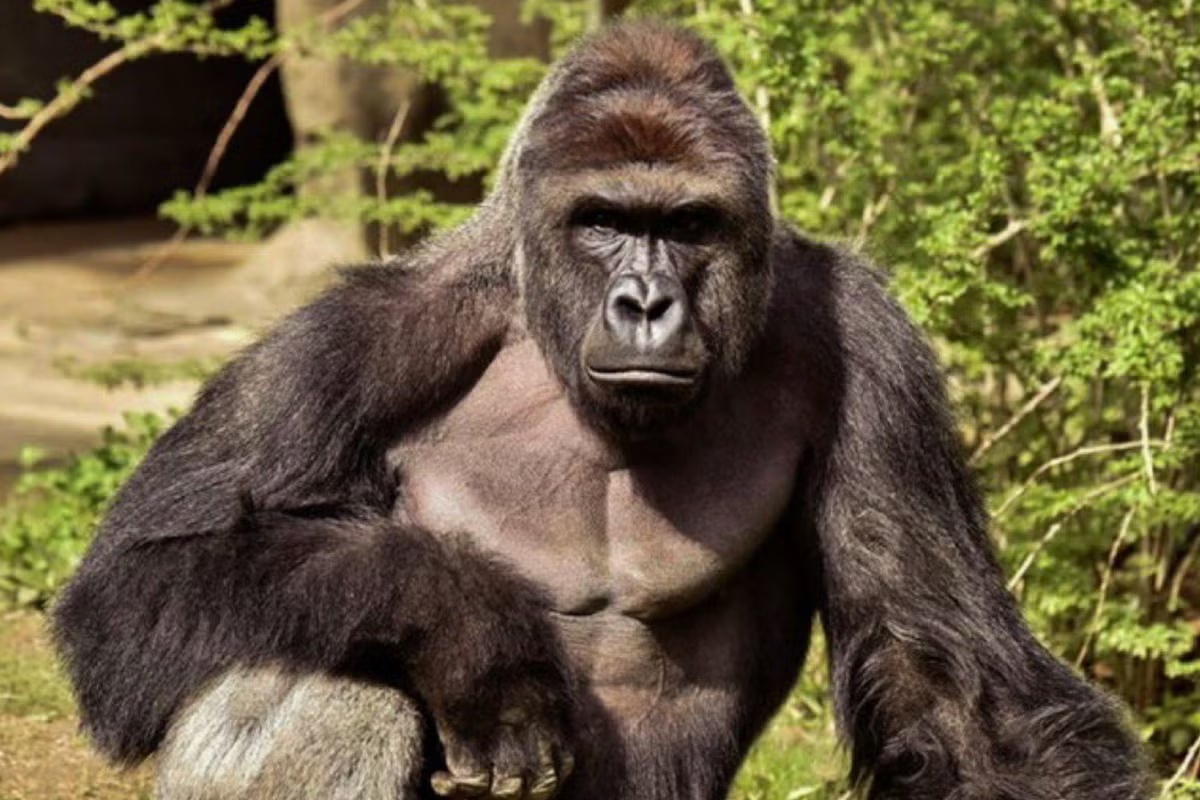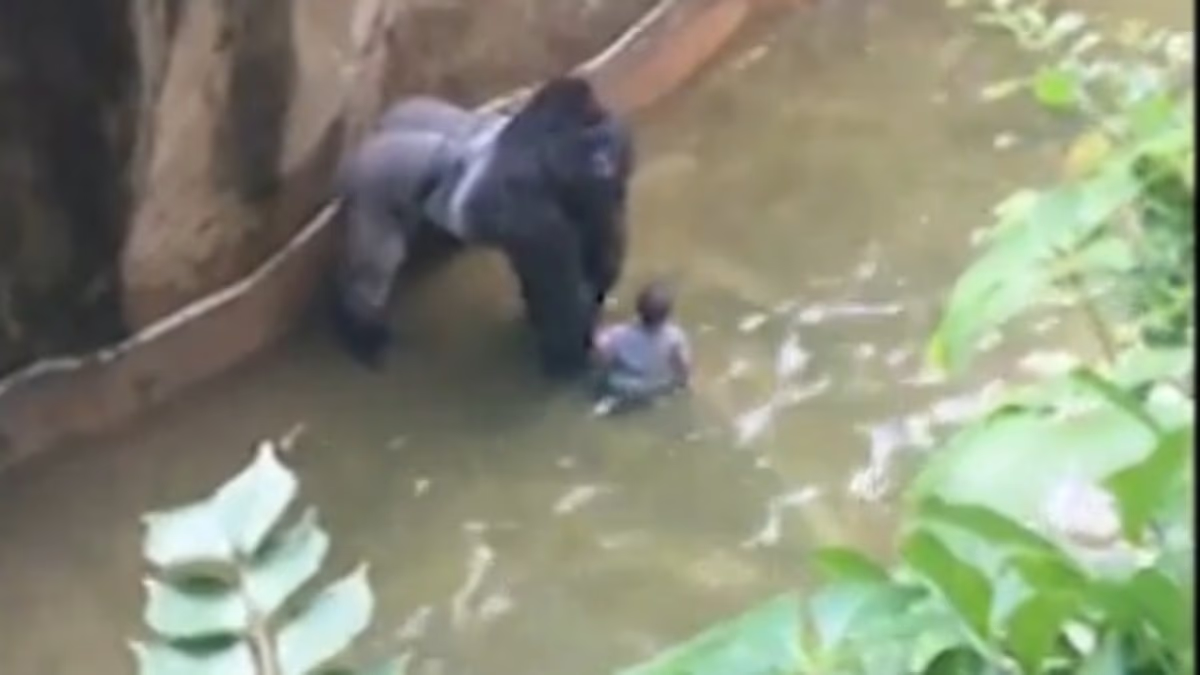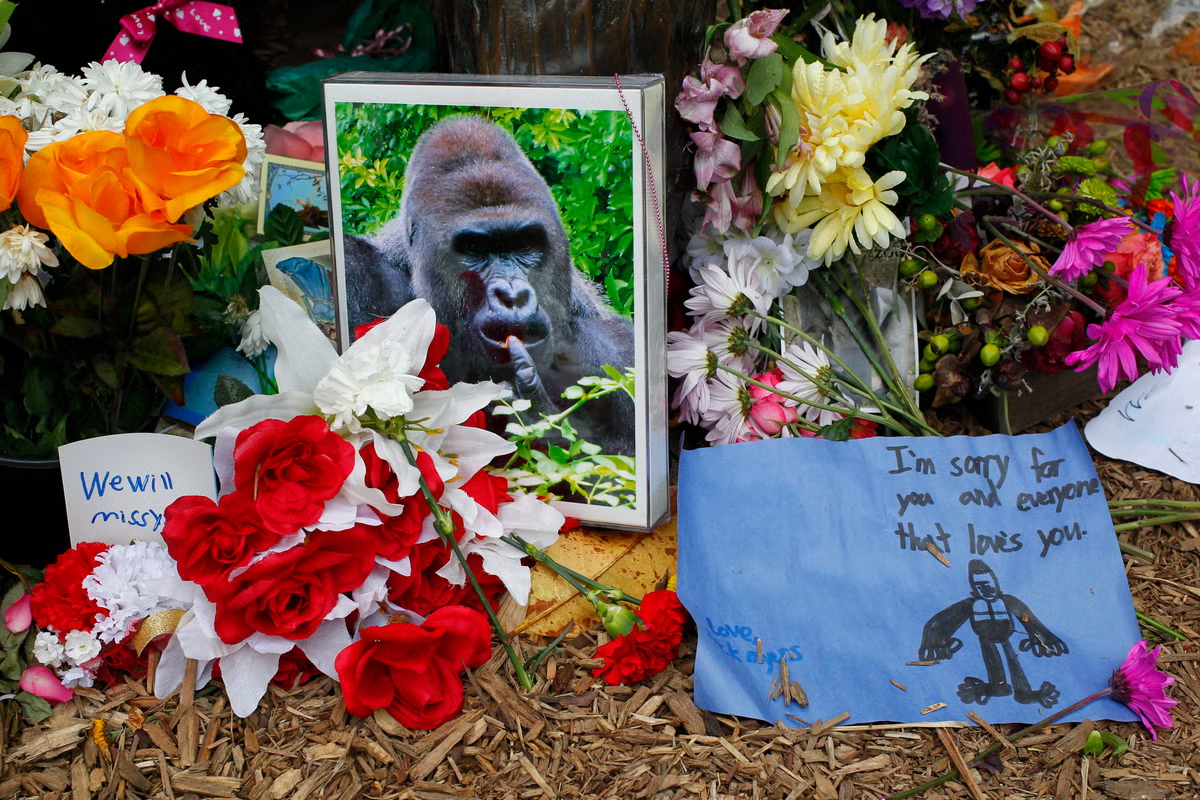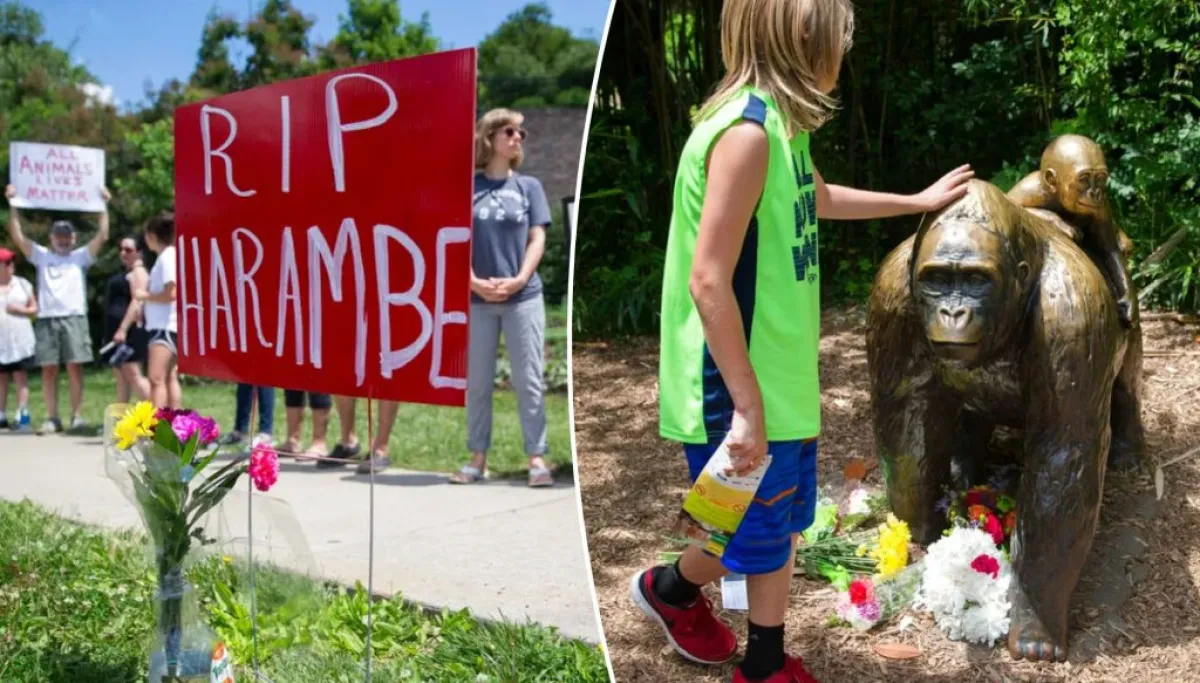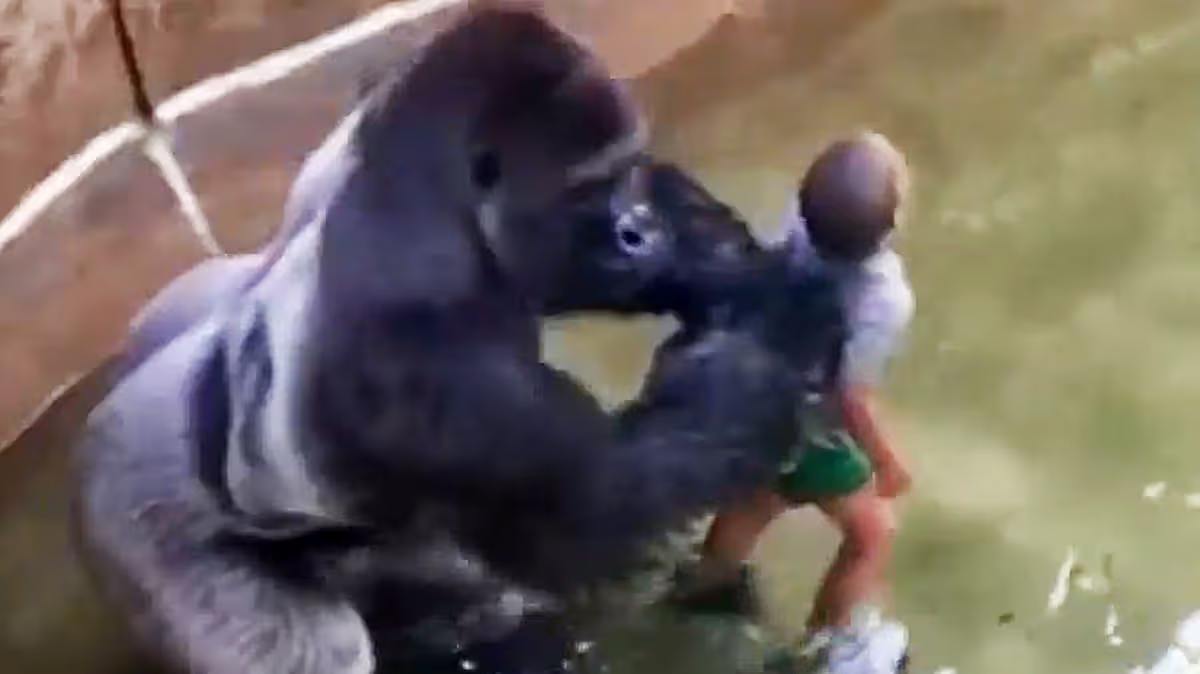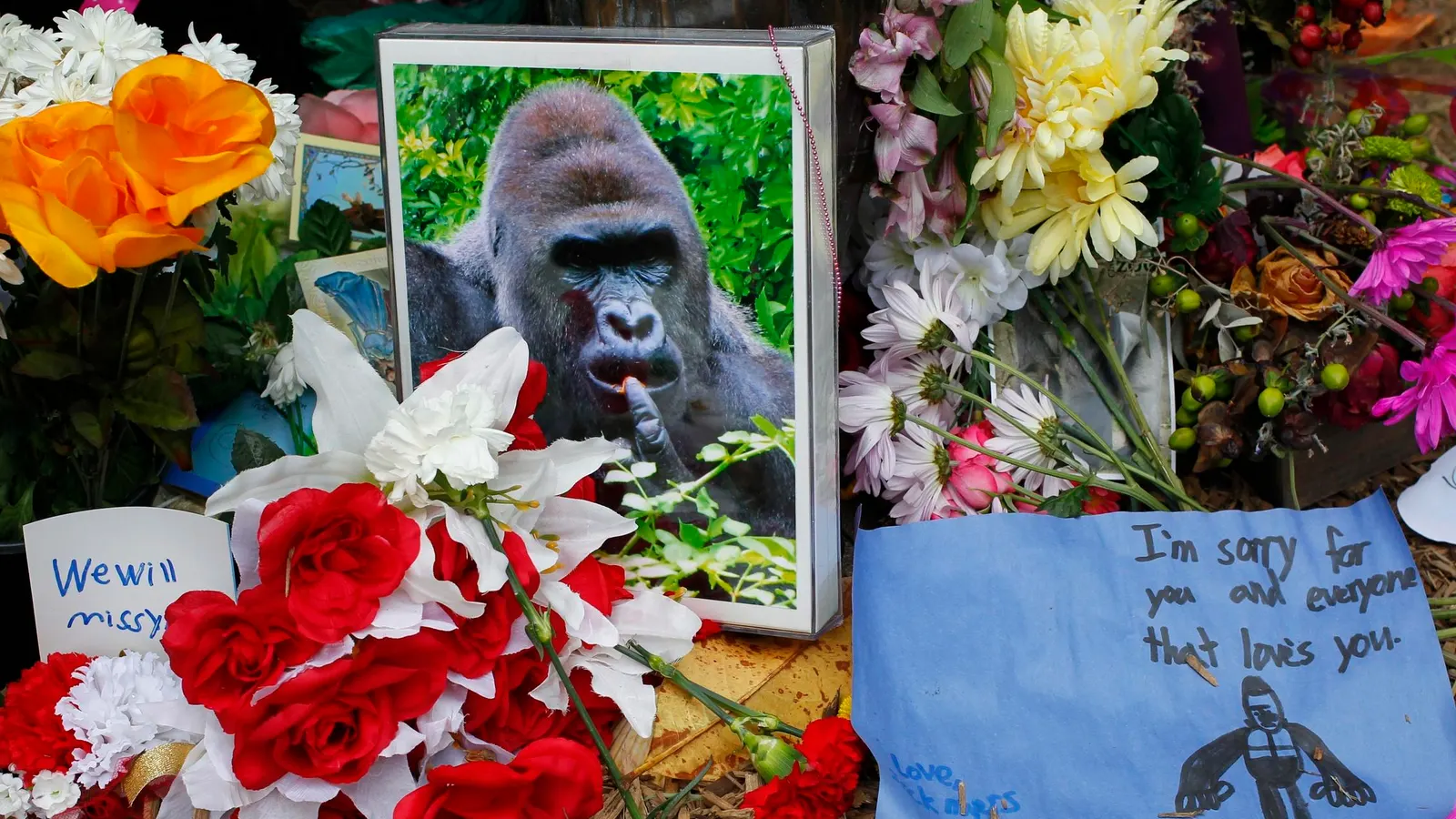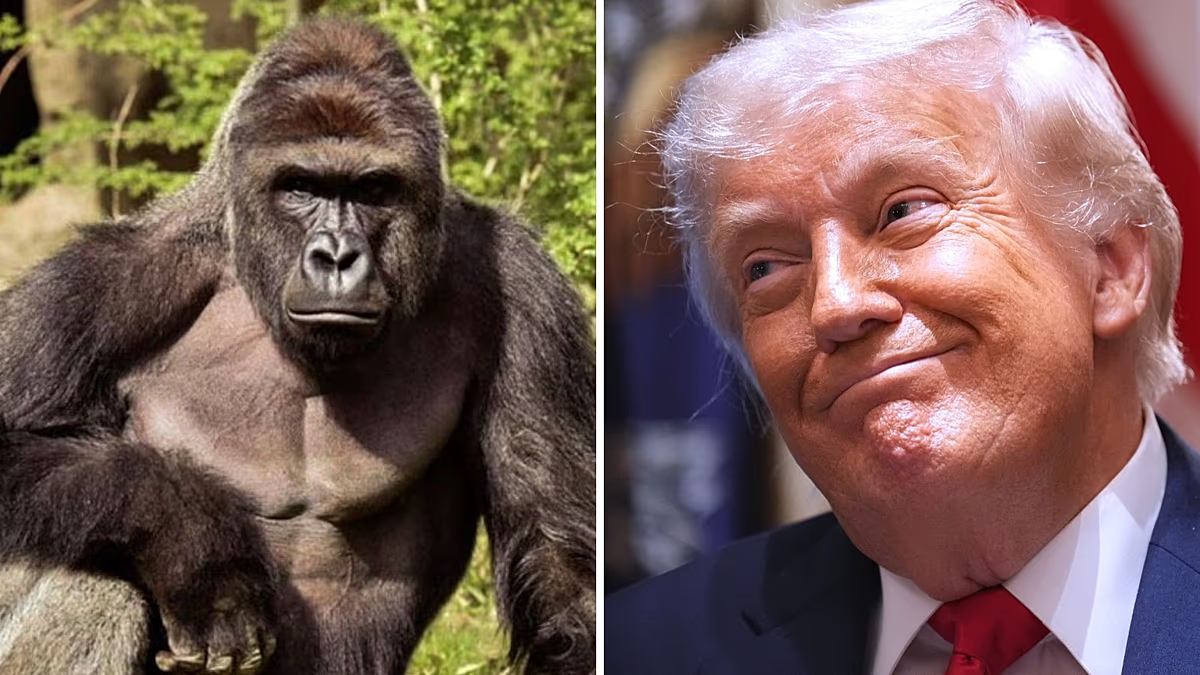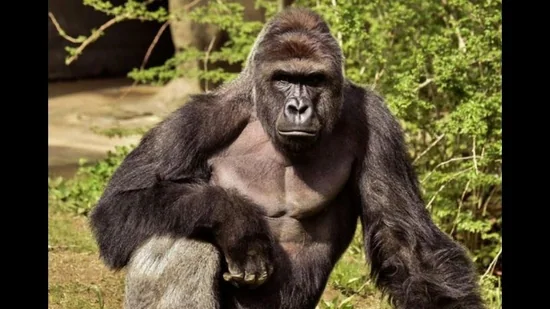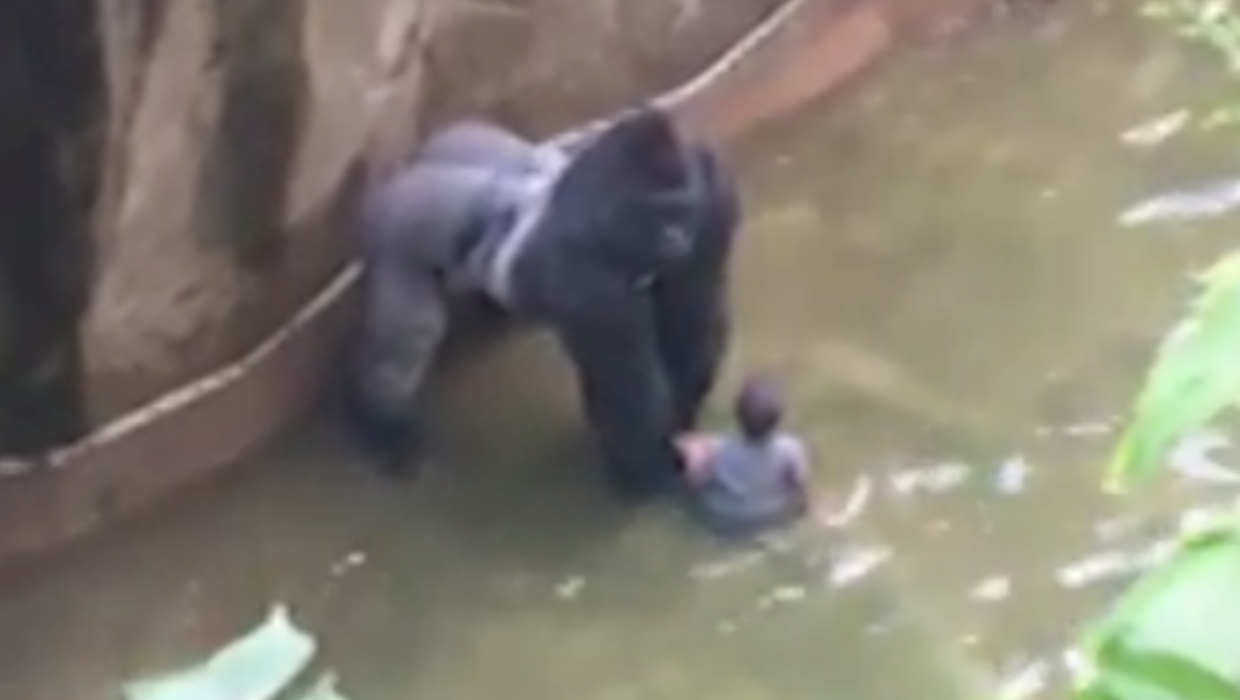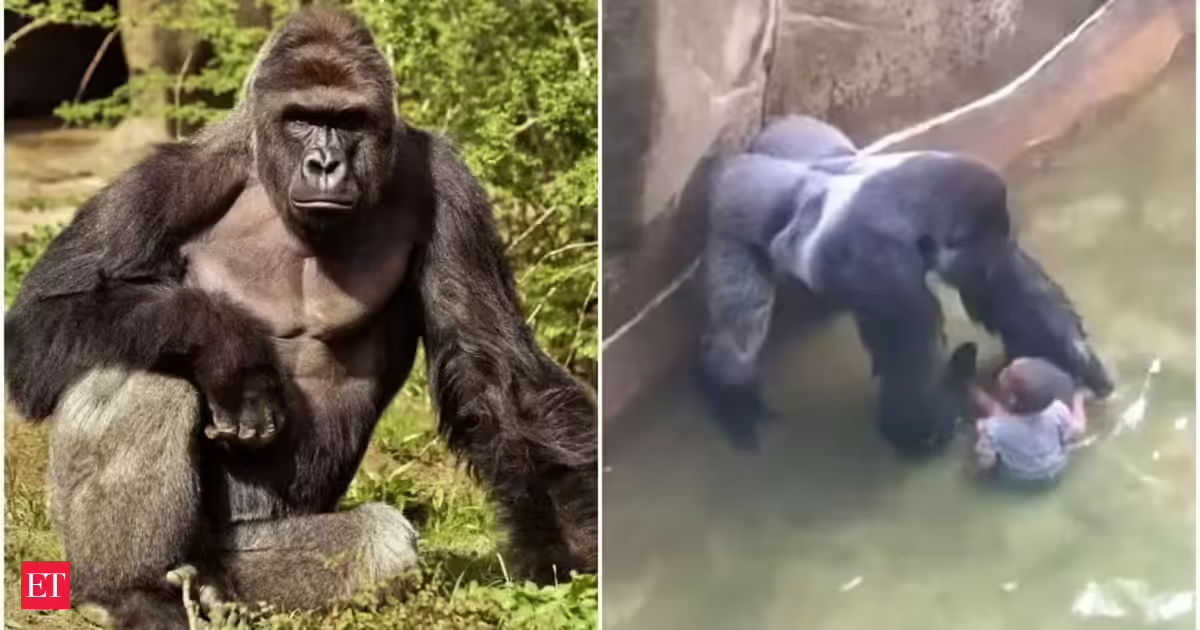
Nearly a decade after Harambe, the silverback gorilla killed at the Cincinnati Zoo, became one of the internet’s most unforgettable cultural moments, the official White House account unexpectedly brought him back into public with a tribute that stunned social media.The post, shared on what would have been Harambe’s 27th birthday, described the gorilla as “a true patriot” and “a symbol of loyalty, strength, chaos, unity, and the strange beauty of the internet.” It ended with the message, "Gone, but never forgotten. Rest easy.”For many online, the tribute, which was viewed by nearly 6 million views within hours of posting, was more than just another viral meme callback. It reignited one of the internet’s strangest and longest-running joke conspiracies, the so-called “Harambe Simulation Theory,” a meme-driven idea suggesting that the world somehow “broke” and brought a glitch in the matrix after Harambe’s death in 2016.The White House tribute of HarambeIn the tribute, the White House appeared to lean into Harambe’s unusual place in internet culture, describing the gorilla as more than just a viral meme. The statement called him “a symbol of loyalty, strength, chaos, unity, and the strange beauty of the internet,” while noting that “the world stopped scrolling and collectively mourned something bigger than a meme.” Referring to Harambe as “a true patriot” and saying his “legacy still lives on,” the post apparently echoed the nostalgic and almost mythic tone that has surrounded Harambe online for years. It was particularly noticiable within meme communities, Reddit forums, and internet subcultures that jokingly treat his death as a turning point in modern internet history.— WhiteHouse (@WhiteHouse) Harambe’s death: The killing of a gorilla that changed internet cultureHarambe was a 17-year-old western lowland gorilla living at the Cincinnati Zoo in Ohio. On May 28, 2016, a three-year-old child climbed through a barrier and fell into Harambe’s enclosure. People with mobile phones captured the terrifying emergency situation.As crowds screamed, Harambe was seen violently dragging the child through water inside the enclosure. And then the gorila was shot. Zoo officials later argued that tranquilizers could take too long to work and might further endanger the child.Happy Birthday, Harambe. In case you didn’t see it, here’s the story that enthralled the world and broke our hearts. Some people he was protecting the boy, others say he would’ve harmed him. Whatever happened, it wasn’t Harambe’s fault. The fault fell on the parents and… pic.twitter.com/4c9v37Xcnp— Kentucky Girl (@Notwokenow) May 28, 2026 The 3-year-old child, whose identity never came into public, survived without permanent injury, but Harambe’s death stirred global outrage, debate, and grief online.Many questioned the zoo’s safety measures and whether the killing could have been avoided. Others debated whether Harambe had actually intended to harm the child. Animal rights activists, internet users, comedians, and meme creators all turned the incident into a cultural flashpoint that rapidly evolved beyond a typical news story.As per its obituary on Herb Walker, Harambe was described as "intelligent and curious" by his handlers and was one of the last remaining lowland gorillas; only about 175,000 still exist. Reuters reported in 2016 that officials collected and preserved Harambe’s sperm as part of a genetic “frozen zoo” program designed to protect endangered species, though experts said it was unlikely to be used for breeding unless the gorilla population faced a major crisis in the future.How Harambe became an internet phenomenonWhat made Harambe unique was not just the tragedy itself but the internet response that followed. Memes flooded platforms like Reddit, X, YouTube, Instagram, and later Substack-style commentary blogs. The gorilla became a recurring symbol in online culture, referenced in jokes, political memes, nostalgia posts, conspiracy theories, and ironic tributes for years afterward.Over time, Harambe’s murder exploded the traditional news event into something resembling digital folklore for an entire generation raised on internet humor. The phrase “Dicks out for Harambe” became one of the most widely recognized internet slogans of that time, while countless users continued referencing the brutal murder of the animal whenever major global events seemed unusually chaotic or surreal.The bizarre rise of the ‘Harambe Simulation Theory’Out of that online culture eventually emerged the “Harambe Simulation Theory,” an intentionally absurd meme conspiracy suggesting the world entered a broken alternate timeline after Harambe’s death. The theory jokingly argues that life before May 28, 2016, felt relatively normal, but after Harambe was killed, reality itself seemed to spiral into increasingly bizarre events. Some commentators even believed that it actually fractured the space-time continuum and plunged humanity into a degraded alternate timeline. Supporters of the meme often point to a long chain of global moments that followed: the 2016 US election, where Donald Trump held office for the first time; Brexit; the COVID-19 pandemic; global lockdowns; multiple wars; inflation; UFO disclosures; the AI boom; and conspiracy scandals involving Epstein files etc.Importantly, the theory is not treated as a serious conspiracy by mainstream audiences. Instead, it functions largely as internet satire, fused with nostalgia, generational anxiety, and the feeling that the modern digital era has become chaotic and difficult to process.Even many users who share the meme openly acknowledge that it is absurd yet continue reviving it because of how strangely symbolic Harambe became in online culture.Why Harambe’s story still rings the bellNearly ten years later, Harambe’s death remains one of the defining moments of internet-era collective memory. Part of that endurance comes from the emotional contradictions surrounding the event itself. A child survived a horrifying accident, but a rare animal lost its life. Public grief mixed with memes.Tribute from the The most powerful house in the world appears to have tapped directly into that strange emotional territory, where nostalgia, humor, tragedy, and online culture intersect.
10 years ago, a child fell into a zoo enclosure with a 450-pound ‘patriot’ gorilla that was killed minutes later and the internet believed it broke the matrix
Harambe's story: The White House's unexpected tribute to Harambe, the silverback gorilla killed in 2016, reignited the "Harambe Simulation Theory." This meme-driven idea suggests the world became chaotic after his death, with users pointing to subsequent global events as evidence of a "glitch in the matrix."
940 words~4 min read