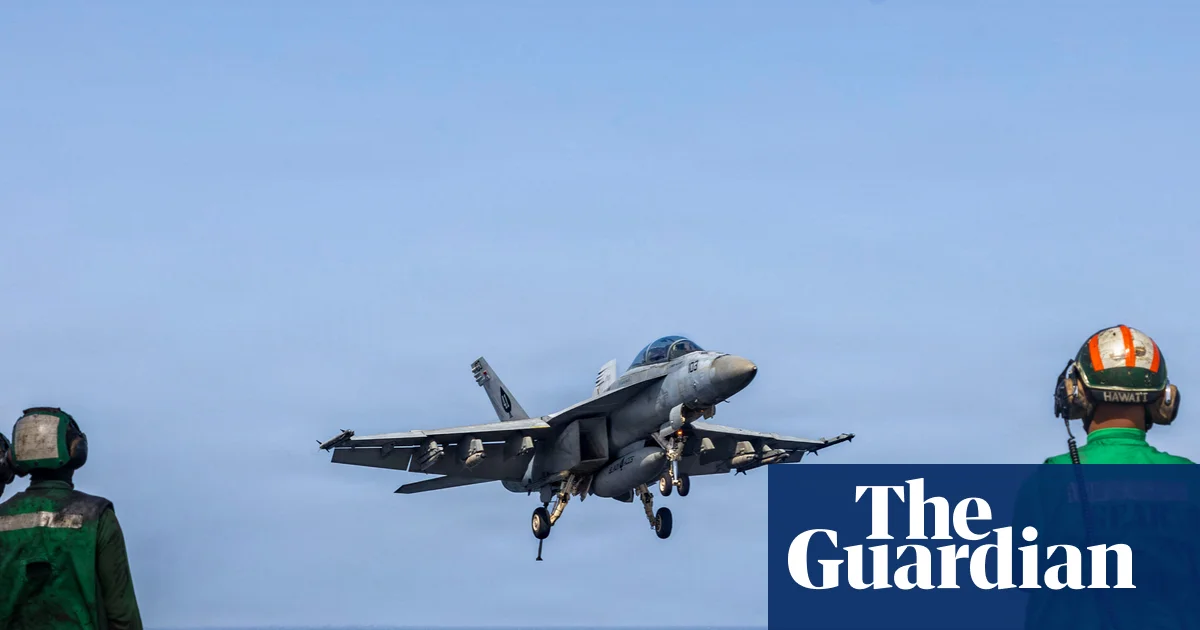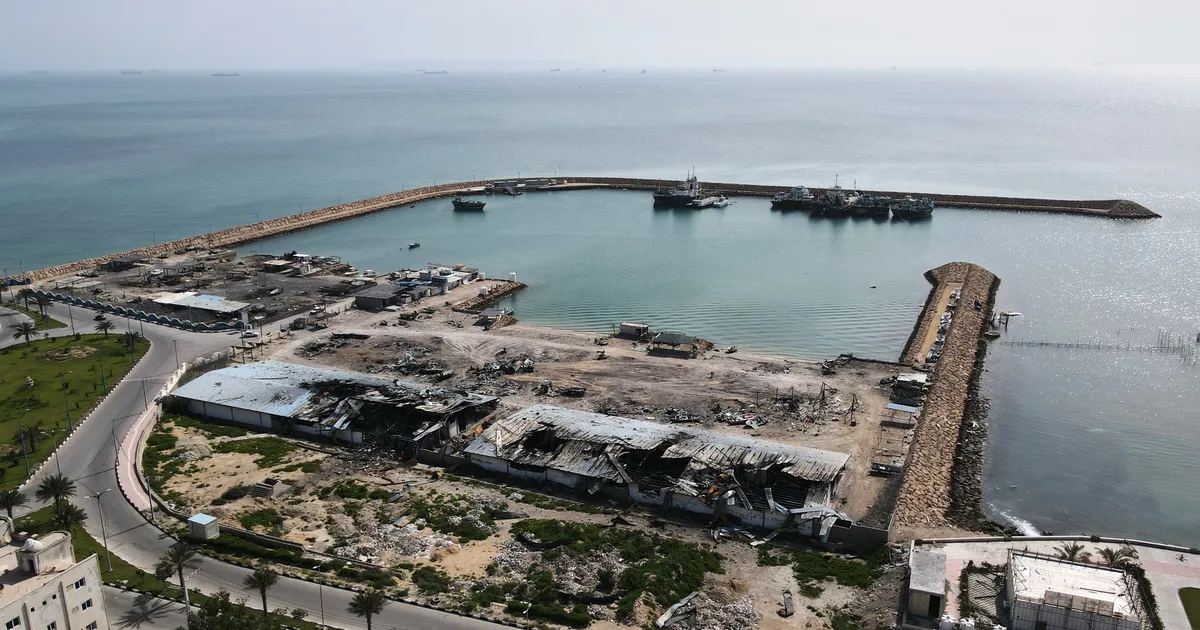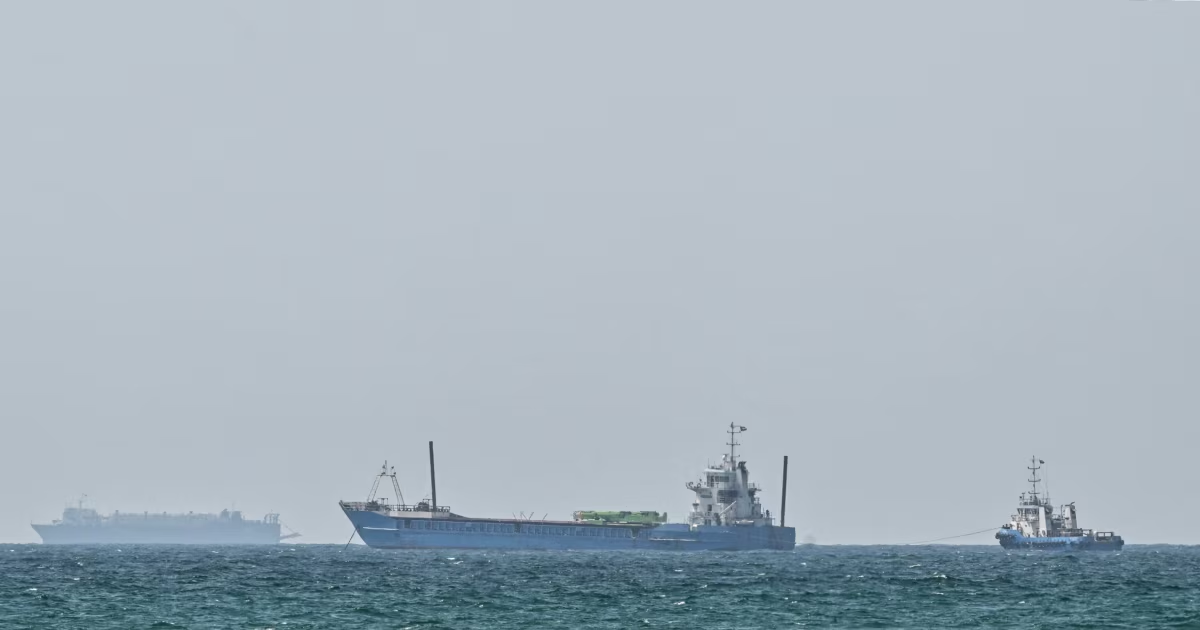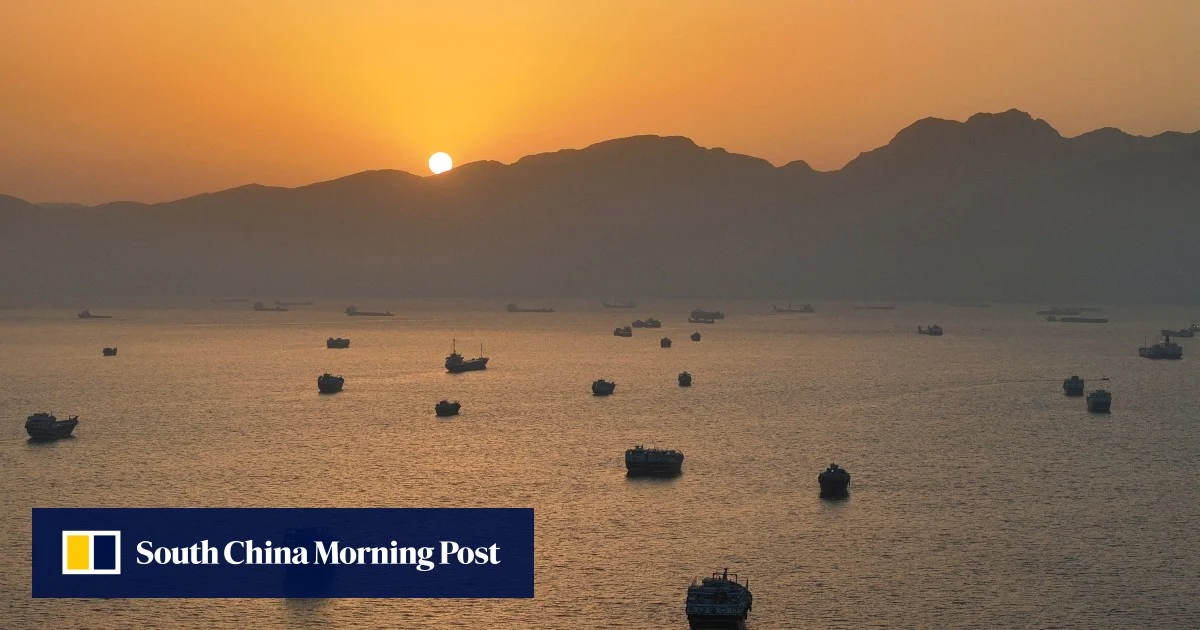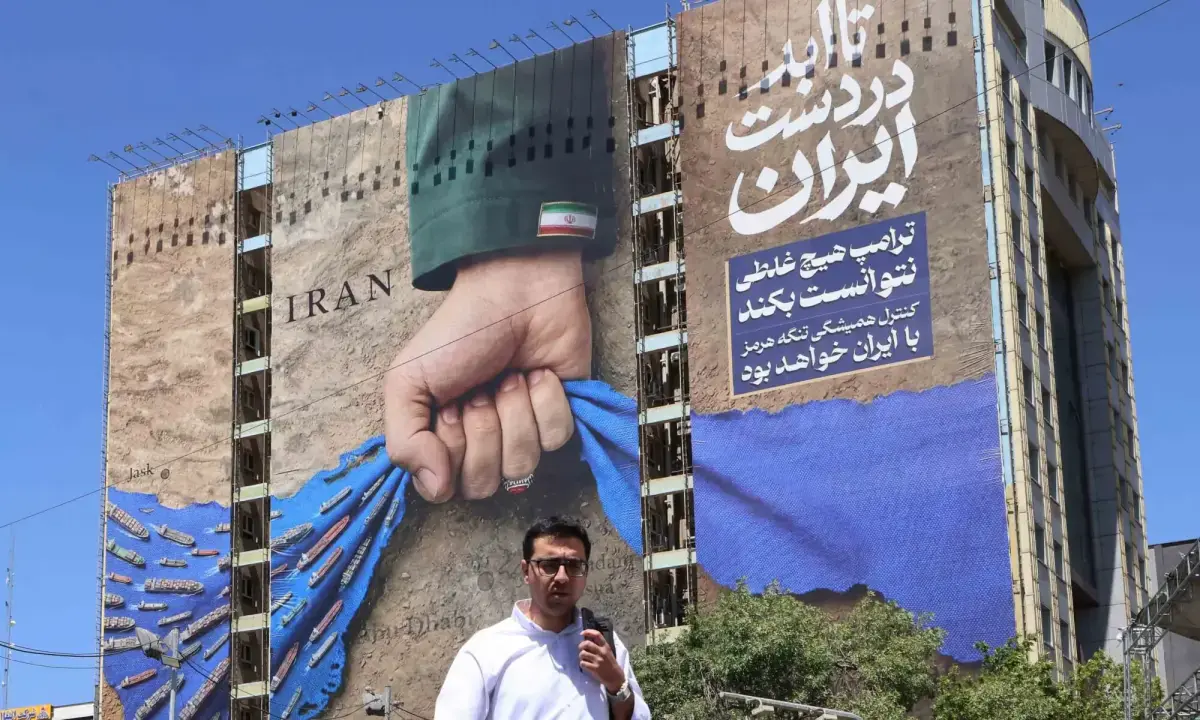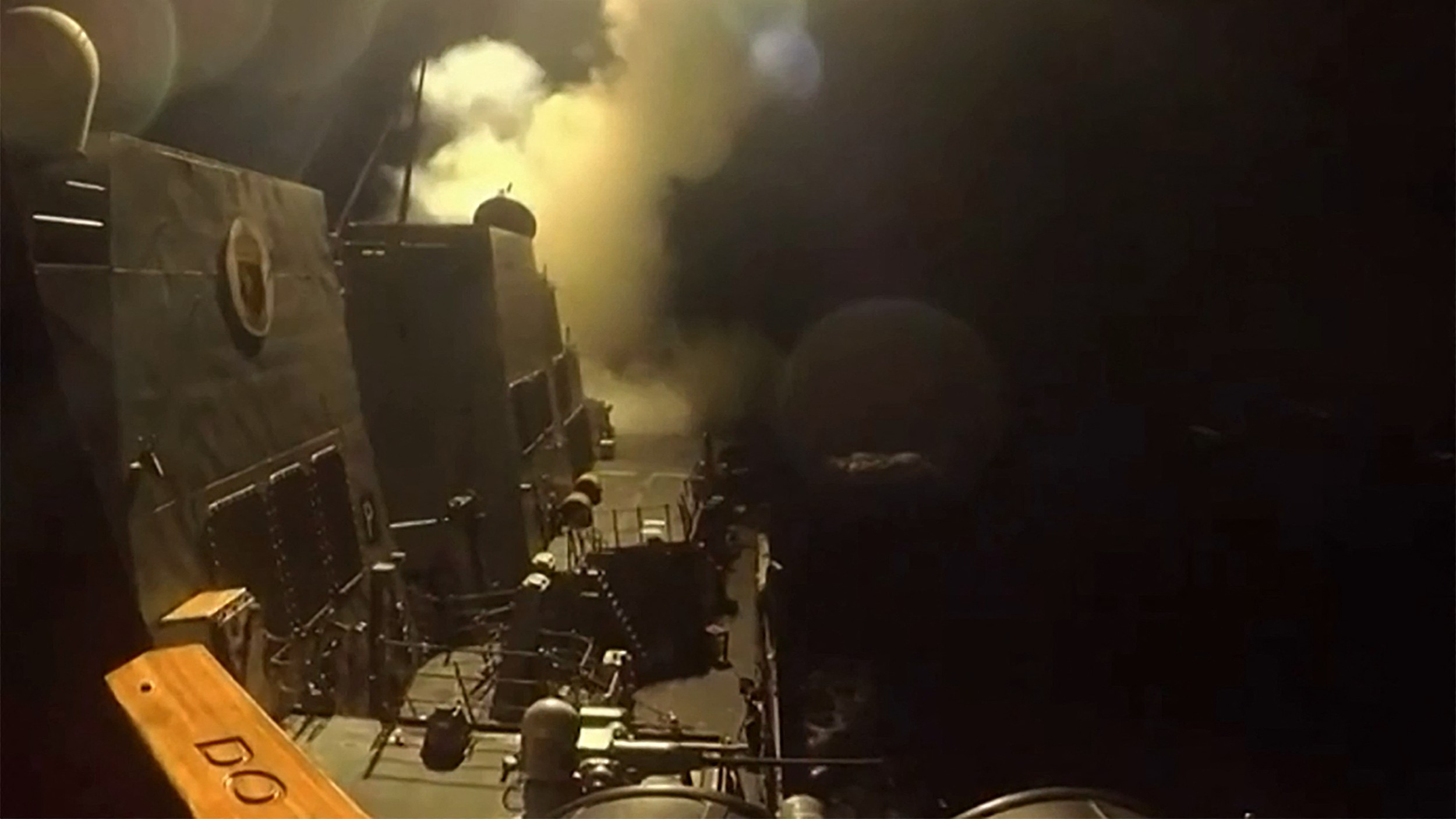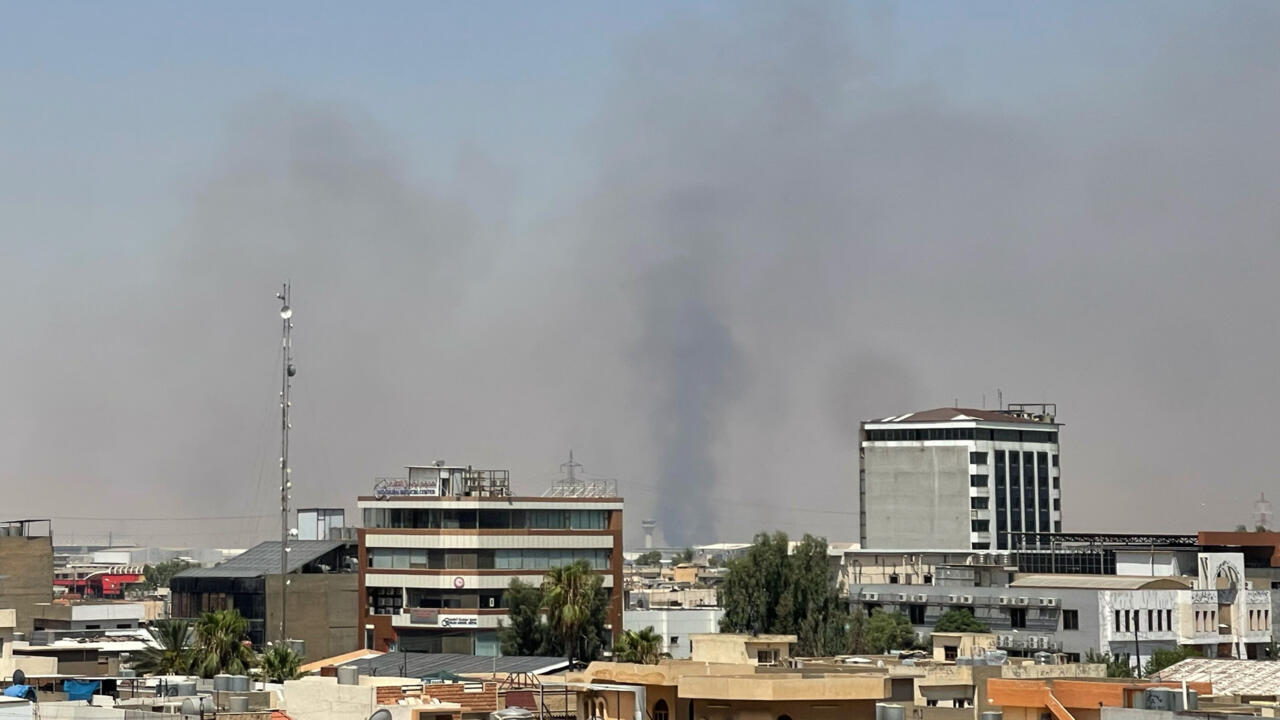
The United States struck southern Iran on Thursday, drawing retaliation from Tehran against a US military base, in the most serious clashes since an April ceasefire began. The fighting, which drew in US ally Kuwait, threatened to jettison a fragile diplomatic push to forge a peace agreement and open the Strait of Hormuz, which has become a key point of contention in efforts to formally end the war. The fresh fighting appeared to begin when Iranian forces fired at four ships attempting to cross the Strait, state broadcaster IRIB reported on Thursday. US forces launched strikes that hit a ground control station in the southern port area of Bandar Abbas, a US official, speaking on condition of anonymity told AFP, prompting swift response by Iran. Read moreMiddle East war live: US carries out strikes in Iran targeting military site "Following this morning's aggression by the invading US military against a location on the outskirts of Bandar Abbas Airport using aerial projectiles, the American air base that served as the source of the attack was targeted at 4:50am (0120 GMT)," the Iran Revolutionary Guards said, according to Iranian state broadcaster IRIB. The Guards did not provide details on the location of the base, though Kuwait's military said its air defences were responding to an "enemy" attack on Thursday. The clashes threw into question talks aimed at formally ending the war that began on February 28 with US-Israeli strikes on Iran. A key focus of the proposed deal has also been restoring full traffic to the Strait of Hormuz, which Tehran has effectively closed, leaving global energy markets grappling with curbed supplies of the huge amounts of oil and gas that normally pass through it. Oil prices bounced higher on Thursday after reports of the strikes, reversing much of Wednesday's fall on the hopes of a possible imminent deal. Fresh strikes were also reported in Lebanon, another front of the war. Israel said it hit the southern city of Tyre, after warning it would take action against Iran-backed Hezbollah and declaring all areas south of the Zahrani River, which lies roughly 40 kilometres (25 miles) from the border, as "combat zones".
US strikes Iran, Tehran hits back with attack on American air base
The United States carried out strikes on a ground control station in the south of Iran on Thursday, prompting retaliation from Tehran which targeted a US base in the most serious clashes since the April…
875 words~4 min read