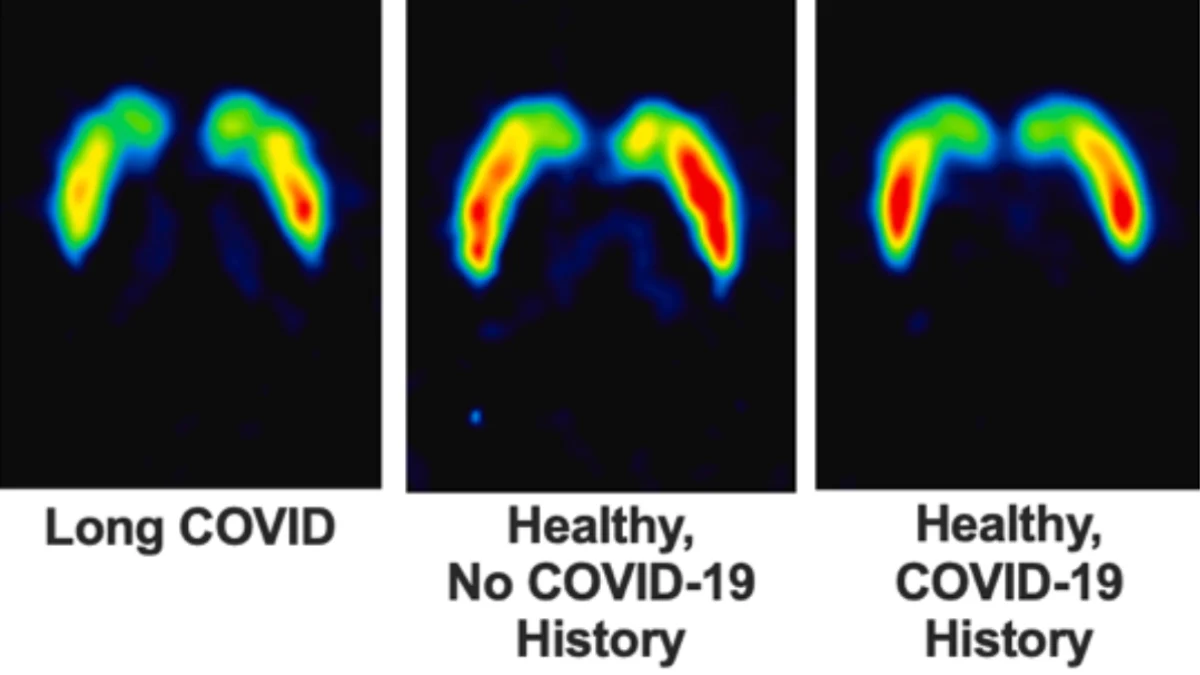
A new brain imaging study is raising questions about one of the most widely discussed explanations for long COVID. Researchers found no evidence of widespread brain inflammation in people experiencing lingering symptoms after COVID-19 infection. Instead, patients with more severe symptoms showed increased activity in brain regions linked to emotion, stress, and memory.
Long COVID has often been suspected to involve ongoing inflammation in the brain caused by SARS-CoV-2 infection. Scientists have explored this theory as a possible explanation for symptoms such as fatigue, brain fog, anxiety, and depression. However, direct proof has remained limited.
To investigate the issue more closely, researchers at the University of Turku in Finland used advanced brain imaging techniques to examine people with long COVID who continued to experience symptoms long after infection.
"We did not observe evidence of widespread brain inflammation in patients with long COVID when compared to healthy controls," says Professor of Neuroimmunology and InFLAMES Research Flagship group leader Laura Airas, who led the study.
Comparing Long COVID Patients With Healthy Volunteers and MS Patients