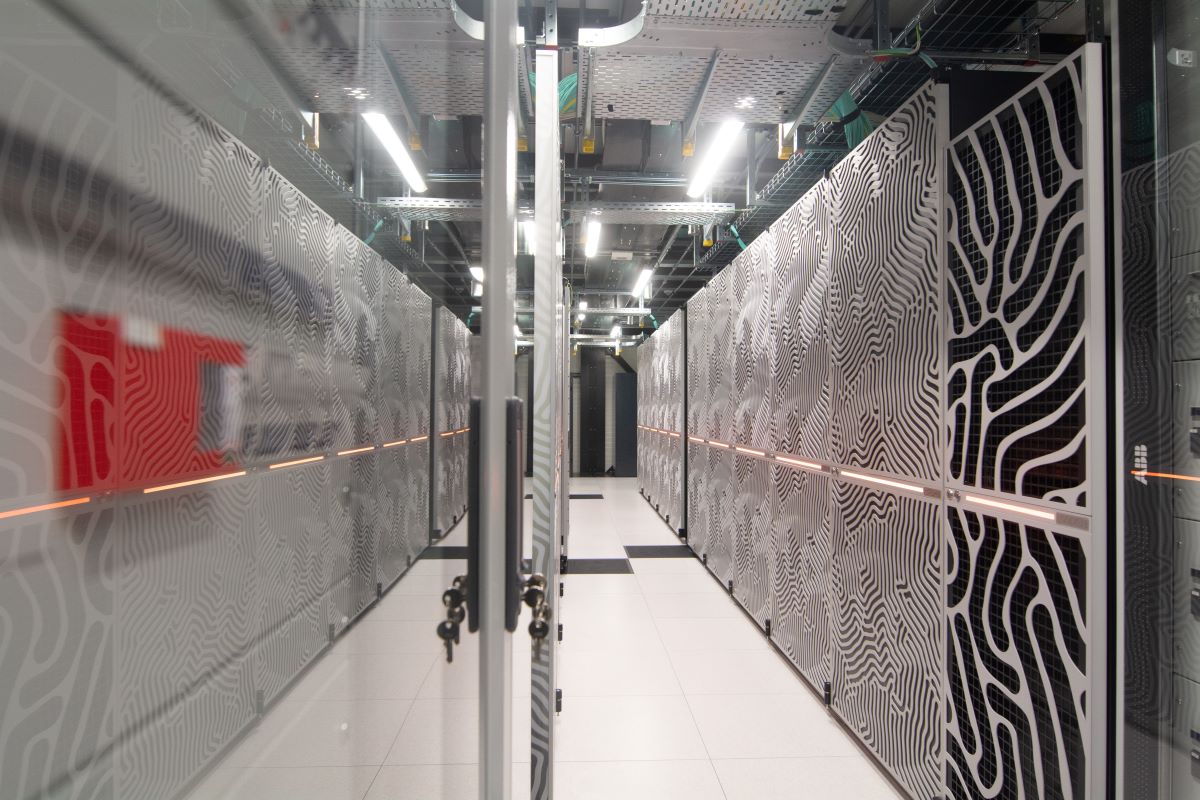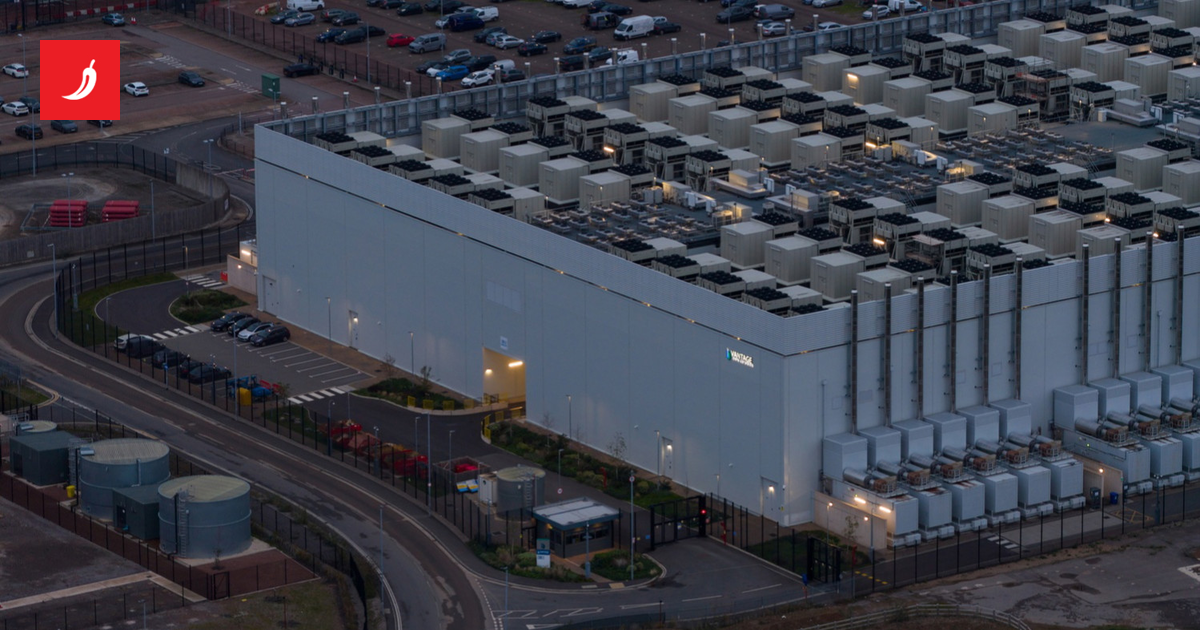
An estimated cumulative average of €360 has been added to household electricity bills over recent years due to high data-centre energy demand, a new study has claimed.The research, commissioned by environmental groups Friends of the Earth Ireland and Beyond Fossil Fuels, also maintained the cost on households could “intensify dramatically” over the coming years.Data centres accounted for 22 per cent of Irish electricity usage in 2024, more than all urban households in the State (18 per cent), according to the Central Statistics Office. Data-centre electricity usage that year compared to just 5 per cent in 2015.The “rapid expansion” of such facilities has seen households pay an estimated average total of €360 in additional electricity costs from 2015 to 2023. The “intensity of data-centre presence” on Ireland’s grid has put upward pressure on prices, according to the new report.Cumulatively for all Irish households, this price effect was “as high as €715 million”, it noted.The findings were disputed by the industry, which said households were “not subsidising data centres”.However, the report argued that Irish households will be further exposed to wholesale electricity cost increases, given the “extraordinary volatility” of fossil fuel pricing, Ireland’s dependency on gas and “high and steadily increasing” data centre energy demand.The study, published on Thursday, was authored by Dr Seán Fearon, an ecological economist and postdoctoral researcher at the Institute of Environmental Science and Technology at the Autonomous University of Barcelona.“Our modelling shows that the high, growing and inflexible nature of data centres’ electricity demand increases the number of hours in which gas sets the price in the Irish power system, driving up electricity costs,” Fearon said.He added that historical evidence suggests this effect becomes “even more pronounced” during energy shocks, with the combination of high data centre demand and gas dependency “significantly amplifying price spikes” due to energy insecurity.Depending on the growth of the data-centre sector, the average Irish household could pay a further €295 to €644 cumulatively from 2025 to 2034, the study suggests. For all households combined, this would equal between €633 million to €1.43 billion.Limiting data-centre demand while accelerating renewable energy deployment could save the average household hundreds of euros cumulatively over the next eight years, Fearon said.Rosi Leonard, data centres campaign lead with Friends of the Earth Ireland, claimed Irish households have “effectively been paying a hidden data-centre tax on their electricity bills”.“The scale of the data-centre sector’s grip on Ireland’s energy system is not inevitable. It is the result of political decisions,” she said.Leonard called on the Government to introduce a moratorium on new data centres and to place “firm limits” on the expansion of existing facilities.Asked about the report, Maurice Mortell, chair of Digital Infrastructure Ireland (DII) – which represents businesses involved in data-centre operation, construction and servicing – claimed Friends of the Earth Ireland is “just trying to sow division in society”.He noted Minister of State Alan Dillon told the Dáil last year that households are “not subsidising data centres”.Noting that all users of the grid contribute to its development, Dillon told the Dáil last year that the Commission for the Regulation of Utilities (CRU) “ensures costs are fairly and proportionally allocated”.Mortell claimed the new report “for its own reasons ignores this and ignores that bigger users buy electricity in a different way to other users”.According to a DII economic impact report published this week, data centre investors have invested €18 billion into the Irish economy, he said.“Data centres are a vital ingredient in the foreign direct investment ecosystem here and are also vital for public bodies and domestic companies,” he said.
Data-centre energy demand adds hundreds of euros to home electricity bills, study claims
Report draws criticism from representative body Digital Infrastructure Ireland, which says data centres ‘vital’
592 words~3 min read