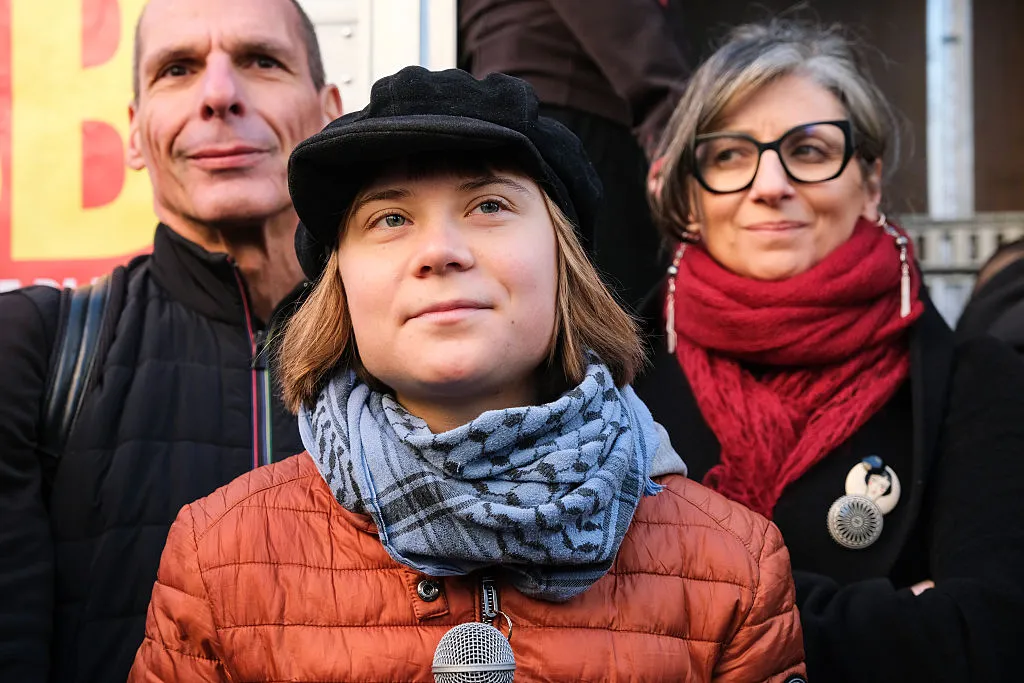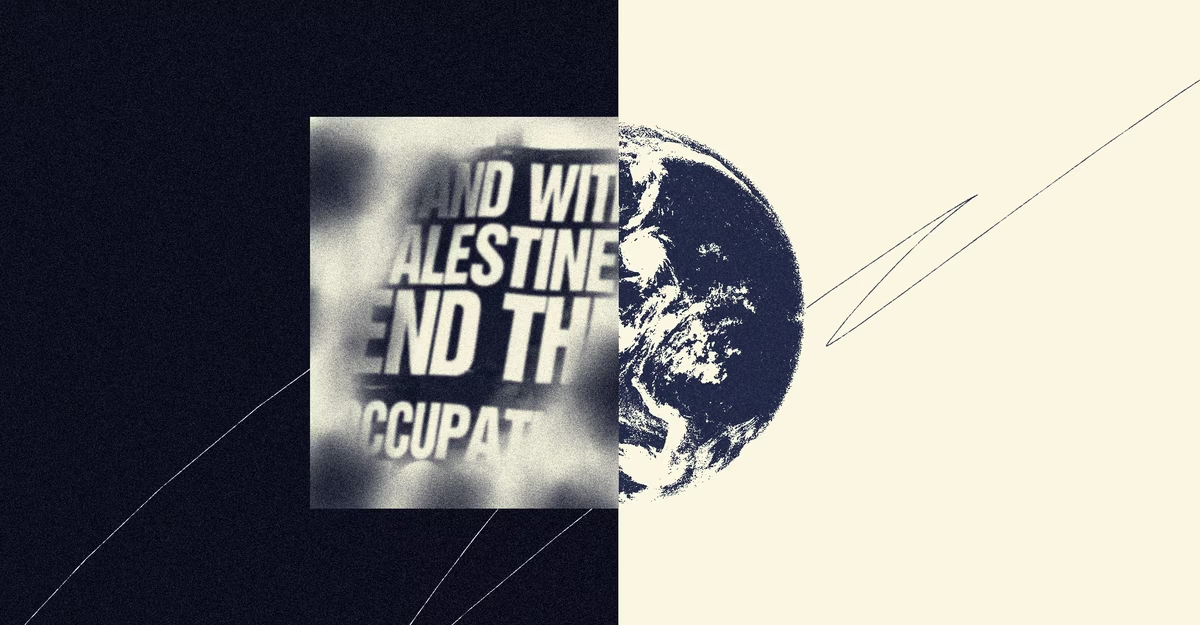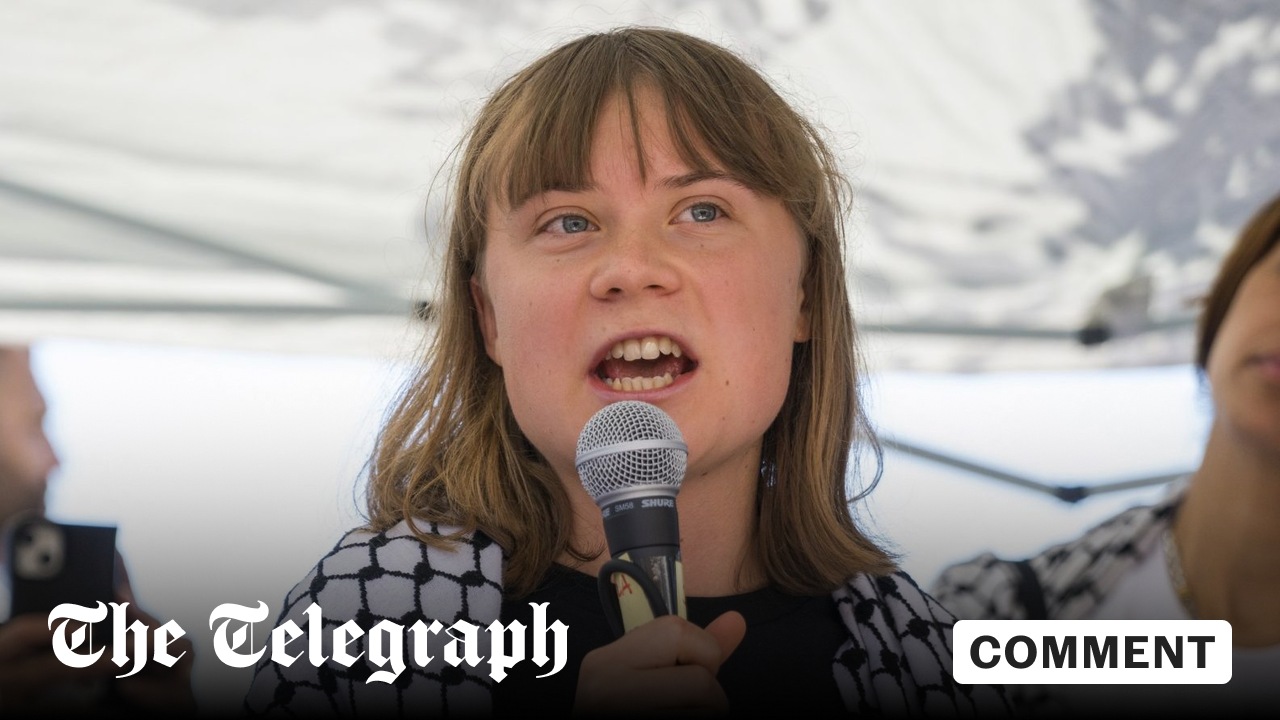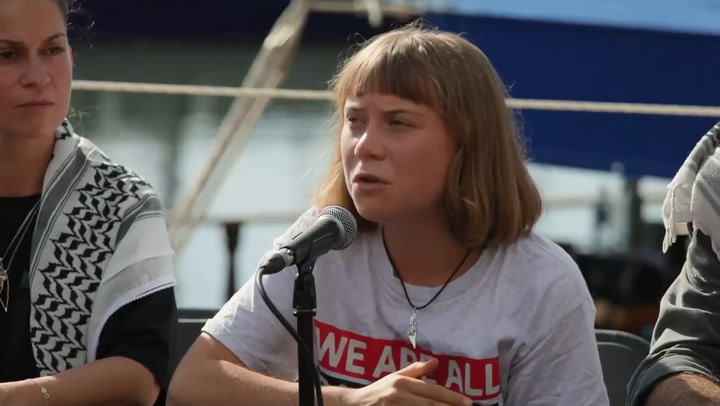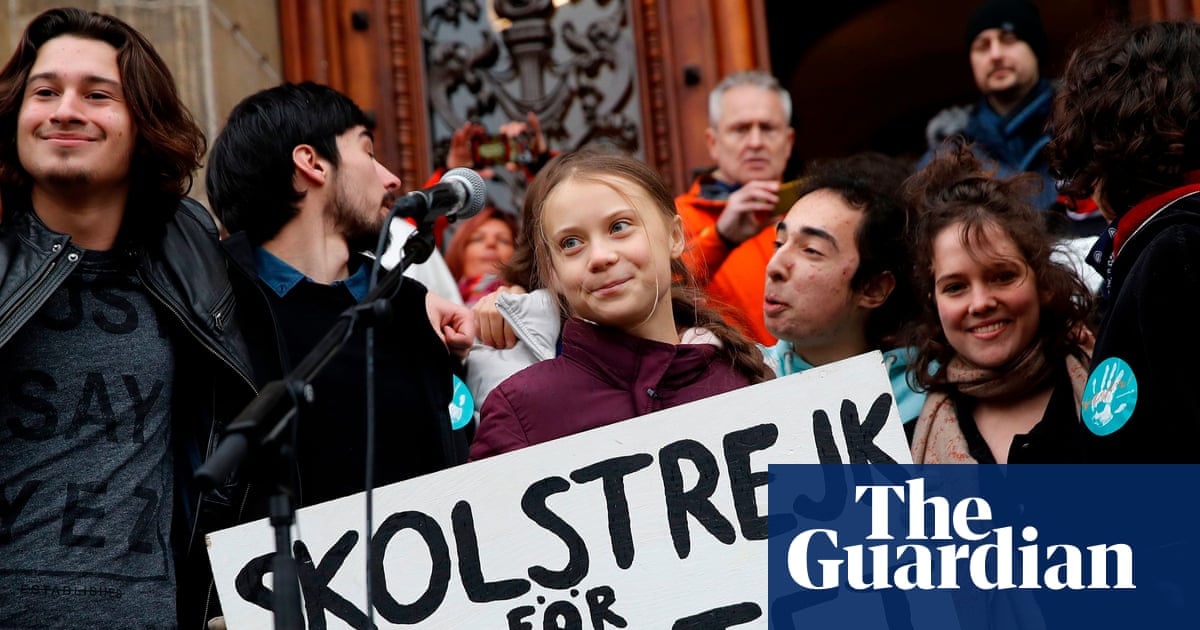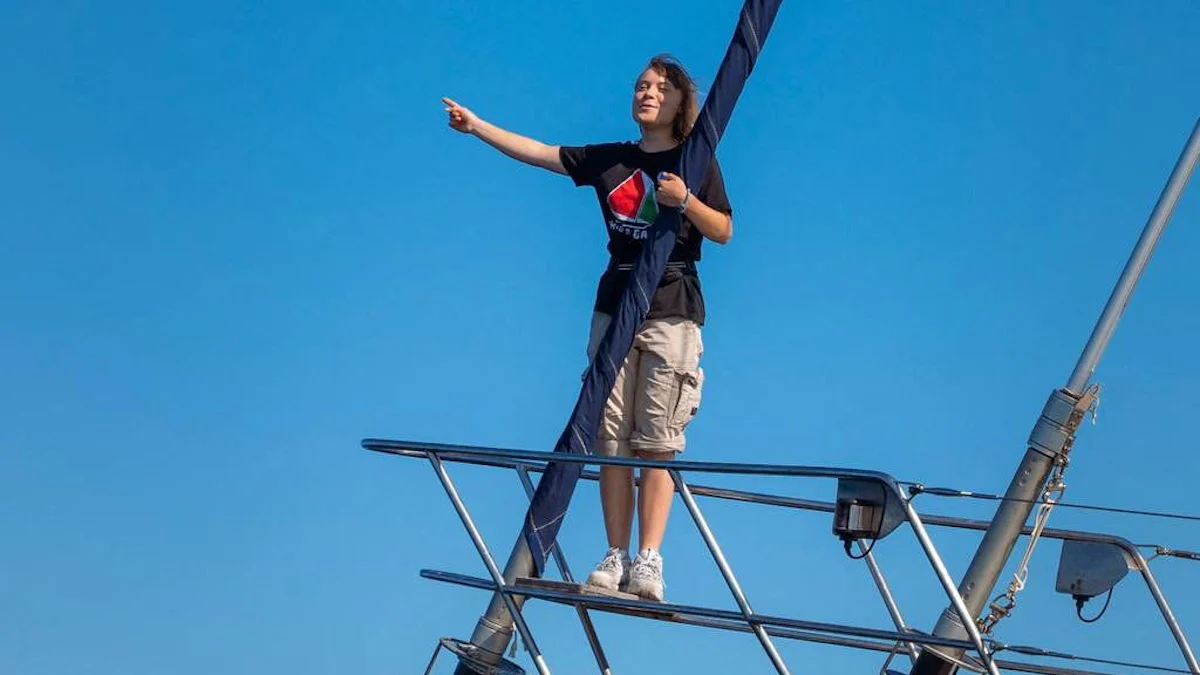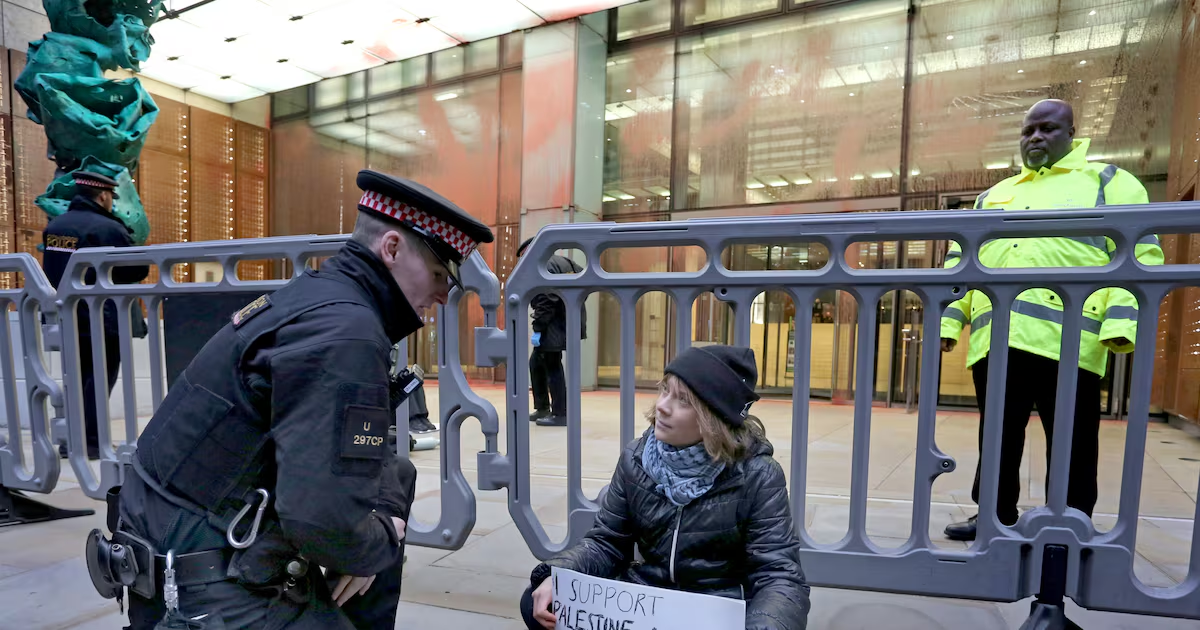
Greta Thunberg doesn’t owe the world anything. As a teenager deeply concerned by the threat of climate change, she led an unlikely global youth movement. She had the ability to bring millions of people on to the streets of multiple countries at the same time.Having listened to her at many events during those remarkable years, it was obvious her concerns were heartfelt and science-based. Clearly, she was not a mouthpiece coached by activists in the background.She was subjected to appalling vitriol at a time when social media was only beginning to show its horrible side. One contributor to Fox News called her “a mentally ill Swedish child who is being exploited by her parents and by the international left”. Donald Trump was unnerved by her and in his usual crass way mocked her throughout 2019, suggesting at one point she needed to undergo anger-management, while posting “Chill Greta. Chill!”In many ways that year was the peak of Greta’s climate activism – though her campaigning has broadened since. She won over the US. Attending the UN Climate Action Summit in New York, she stared down global leaders and delivered her famous “How dare you!” speech. It was, arguably, one of the greatest speeches ever on the fate of Planet Earth and on human indifference. Yet it was marked by brevity – less than 500 words.She openly talks about her Asperger’s syndrome that helps her speak when she feels she has something to say. It gave her focus and ability to shut out those who seek to undermine her. But this occasion was different. There was a quiver in her voice, flagging her anger at continuing inaction by constantly dithering politicians – “how dare you continue to look away”.[ Rich are getting richer, poor are getting poorer and the middle class is disappearingOpens in new window ]Some 200,000 people turned out for a protest in lower Manhattan. Thunberg took to the stage for the main rally at Battery Park, quickly revealing her steely side: clear demands justified by climate science, no platitudes. The following week more than double that number turned out with her in Montreal.It looked as if the movement was achieving critical mass; politicians could no longer look away. But then Covid-19 struck and climate protests were pushed aside – the next generation distracted by a more immediate deadly intrusion on their lives.‘One day there will be no more looking away. Looking away from climate disaster, from the last rabid takings of extractive capitalism, from the killing of the newly stateless’— Omar El Akkad, journalist and novelistThunberg’s preoccupations soon centred around injustice; the systemic, “blatant” failures where the most vulnerable – particularly in the Global South – suffer disproportionately from climate change and human rights violations. She framed the climate crisis as a social justice issue, protesting against political inaction, oppression and prioritisation of economic profit over human and environmental wellbeing. The Gaza conflict and plight of Palestinians was an immediate concern.These led to tensions within green heartlands of Europe, notably in Germany and the Netherlands, but particularly Fridays for Future, the youth-led international grassroots movement of students who skipped Friday classes to protest against political inaction on climate change. Some claimed it had been radicalised and was engaging in politics rather than ecological mobilisation.Both sides of the argument are well-articulated; it is just a matter of where one comes down on the issue. For me, recently reading Omar El Akkad’s book, One Day, Everyone Will Have Always Been Against This, emphatically tips the scales in favour of Thunberg’s perspective.El Akkad, a journalist and novelist, also refers to looking away, when he writes: “One day there will be no more looking away. Looking away from climate disaster, from the last rabid takings of extractive capitalism, from the killing of the newly stateless.”[ Global South must be saved from fossil fuels and other climate-harming practicesOpens in new window ]It has been described as “his memento for this moment in history”. Like Thunberg, he knows how brevity can pack a punch. He exposes weak American and European responses to mass suffering, notably the smugness of liberals, who insist they stand firmly against human suffering. All this is compounded by indifference; silence, hypocrisy and cowardice – with flawed notions of what democracy is and failure to fully address the aftermath of rampant colonialism.And yet, One Day is much more than that. Fintan O’Toole wrote in the New York Times: “At its best, it is a probe into the murky depths of a collective consciousness shaped by the need to evade the daily evidence of political and environmental catastrophe.”El Akkad argues that climate impacts, the treatment of displaced people, growing global inequality and other issues are interconnected. We live in a world that has increasingly come under the control of “a gaggle of cruel, vain, very rich men who are fully engaged in the enterprise of stripping every public and societal resource for parts”.There’s a common narrative thread from Gaza “through climate change, through segregation, through apartheid, through resource exploitation, and that thread is simply asking people to look away”. Kevin O’Sullivan is an environmental commentator and consultant
Joining the dots from climate to Gaza and all the injustice in between
Climate impacts, treatment of displaced people, growing inequality and other key issues are all interconnected
854 words~4 min read