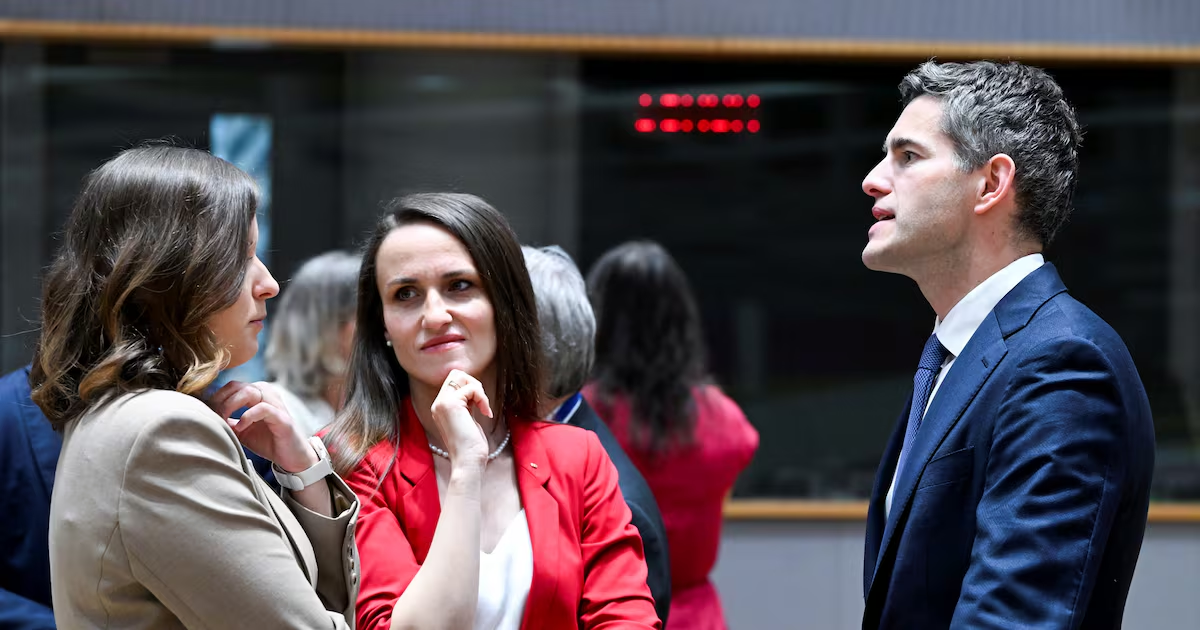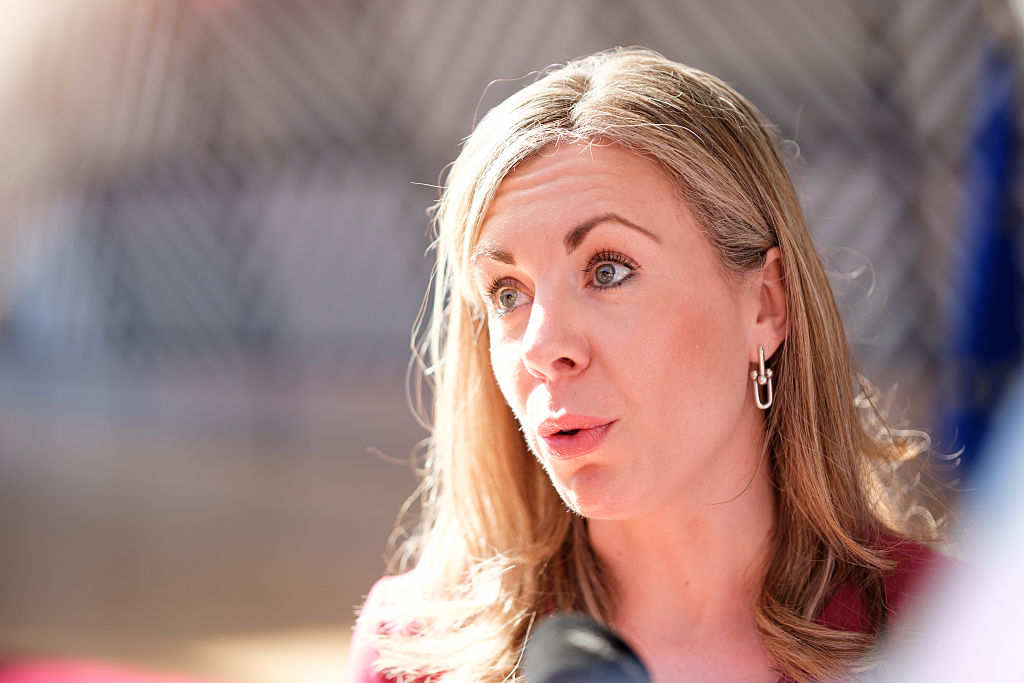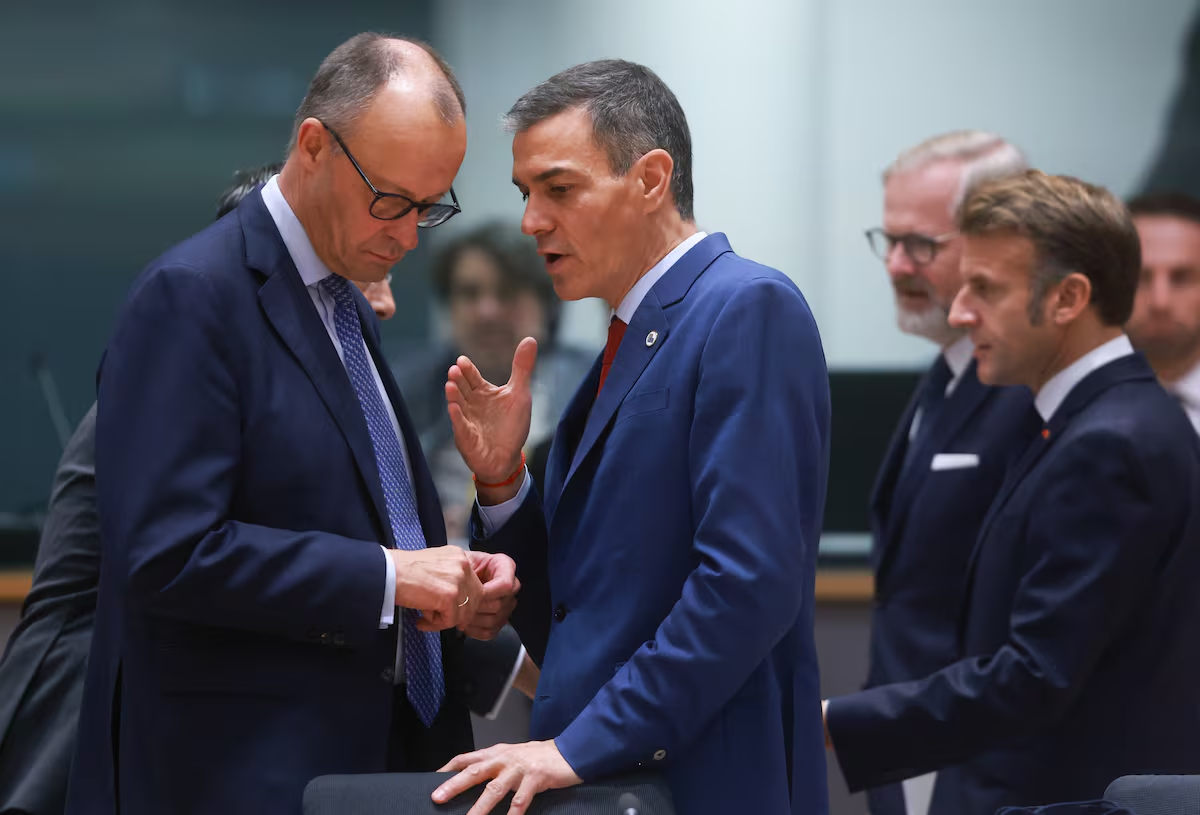
A catchy nickname can be tough to shake. The group of European countries known as the “frugals” are hoping to rebrand themselves as the “modernisers” in the upcoming tussle to negotiate the EU’s next seven-year budget. The fiscally conservative camp who want to keep spending in check has traditionally included Sweden, the Netherlands, Austria, Denmark and Germany. “The position of Sweden is clear, we need a better budget, not a bigger budget,” minister for EU affairs Jessica Rosencrantz told reporters in Brussels this week. There was “limited” room in national coffers for increased contributions towards the union’s common budget, she said. On the other side of the divide are Spain, Italy, Poland and a dozen eastern and southern EU states, who feel a bigger pot of money will be needed to respond to a mounting list of challenges, while protecting Common Agricultural Policy farm subsidies and “cohesion” development funding for poorer regions. There are calls for more funds to be put aside for defence, border control, a bumper economic competitiveness fund, and plenty more. The one thing everyone can agree on is that landing a deal on the size and scope of the budget is going to be tough. Wrestling those competing demands into a messy compromise that all 27 member states can sign off on will be a big job. The plan had been to get a deal by the end of this year, but that timeline looks to be slipping.The Irish Government pencilled in a budget deal as a top goal for its Council of the EU presidency, which will see Irish ministers steer policy negotiations in Brussels for the second half of the year. Privately, Irish officials sound less and less confident that a compromise can be struck by the end of 2026. Berlin wants a deal by then, but the French are not in as much of a rush. Some believe an agreement may not be clinched until after the French presidential elections next April. The idea would be to avoid an awkward budget compromise becoming a feature of a campaign where Marine Le Pen’s far-right National Rally hopes to sweep into the Élysée on an anti-establishment platform, a result that would upend French and European politics. Denmark, previously a proud frugal, has made an interesting pivot and is willing to talk about a bigger, overhauled budget. “We do not see ourselves as frugal, we do see ourselves as modernisers,” said Marie Bjerre, Danish minister for European affairs. “We’re willing to discuss higher spending, but it has to be limited, it has to be on the new challenges, like defence, Ukraine, competitiveness,” she told journalists this week. The €1.2 trillion budget, known officially as the multiannual financial framework, runs until the end of 2027. When something is this contentious in Brussels it will always be kicked up to the level of prime ministers and presidents to thrash out. There is huge relief Hungary’s former prime minister Viktor Orbán won’t be sitting at the negotiating table. The far-right populist would surely have threatened to veto the agreement until he extracted some pricey concessions elsewhere. [ Europe is losing arms race and must abandon ‘haute couture’ missiles, EU defence chief warnsOpens in new window ]Two crunch summits of European leaders, one at the end of November and the other the week before Christmas, will be dominated by the budget. Speaking last month, European Council president António Costa, who chairs the summits, said governments had a “collective responsibility” to land a deal in December. Costa has built up a lot of goodwill with the 27 national leaders and he will need all of it to nudge the contradictory positions towards a common one. “We’re among the member states hoping for an agreement this year but ... I don’t think that’s the most important issue right now, the quality of the agreement is,” said Ignacy Niemczycki, Poland’s junior minister for European affairs. That’s only one half of the puzzle. A deal then has to be done with the European Parliament. The fractured nature of that house will make putting together a majority of MEPs willing to pass the budget tricky.Hard-right nationalist and far-right parties make up a quarter of the parliament today, a volatile dynamic that has seen the usual centrist majority break down on occasion. The centre-left Socialists & Democrats, the liberal Renew grouping and the Greens have all been frustrated by their traditional centre-right bedfellow, the European People’s Party, cosying up to forces on the extreme right when it suits. That strained relationship might be tested to breaking point during difficult budget talks. A serious delay in national governments haggling out a deal will leave less time for a back-and-forth with MEPs. Get ready to hear a lot more about EU budget negotiations over the next few months. [ Europe Letter: A call for help catches the eye at an Amsterdam metro stationOpens in new window ]
Frugals no more? Europe’s budget hawks try on a ‘moderniser’ makeover
Coalition known as Europe’s frugals try to rebrand as ‘modernisers’ in upcoming EU budget fight
819 words~4 min read