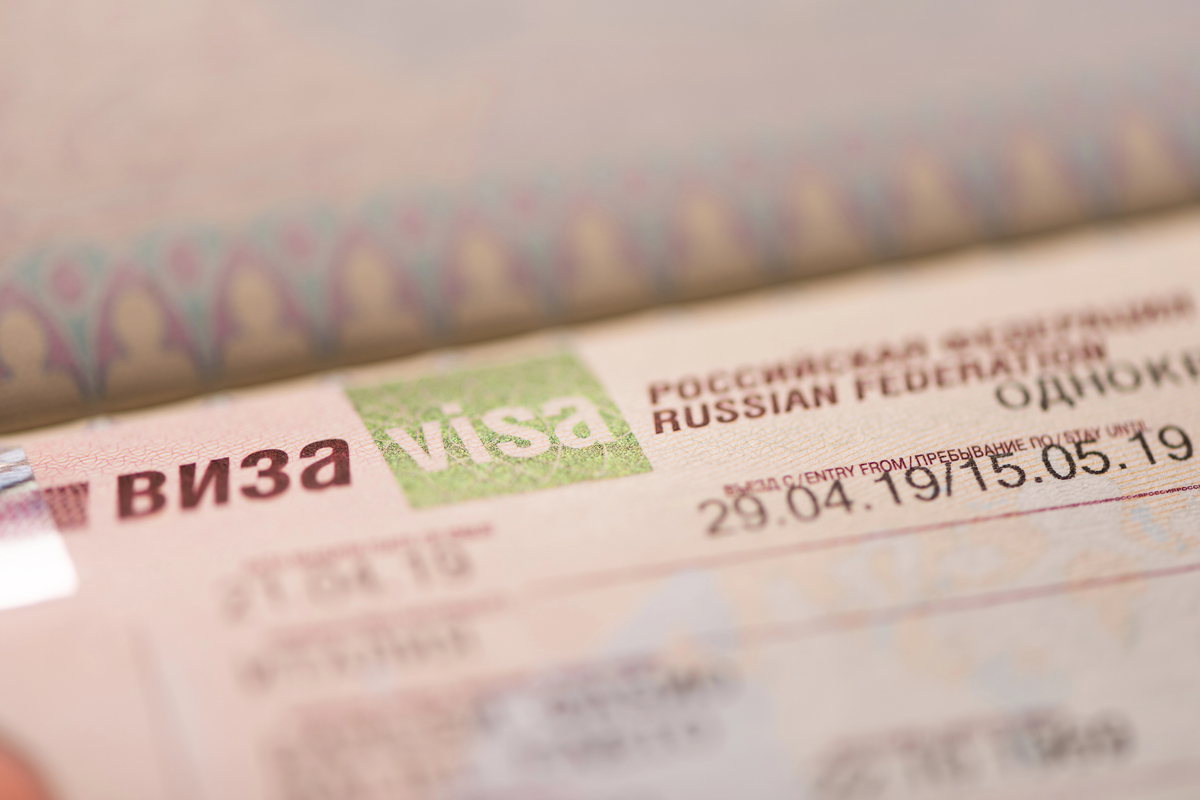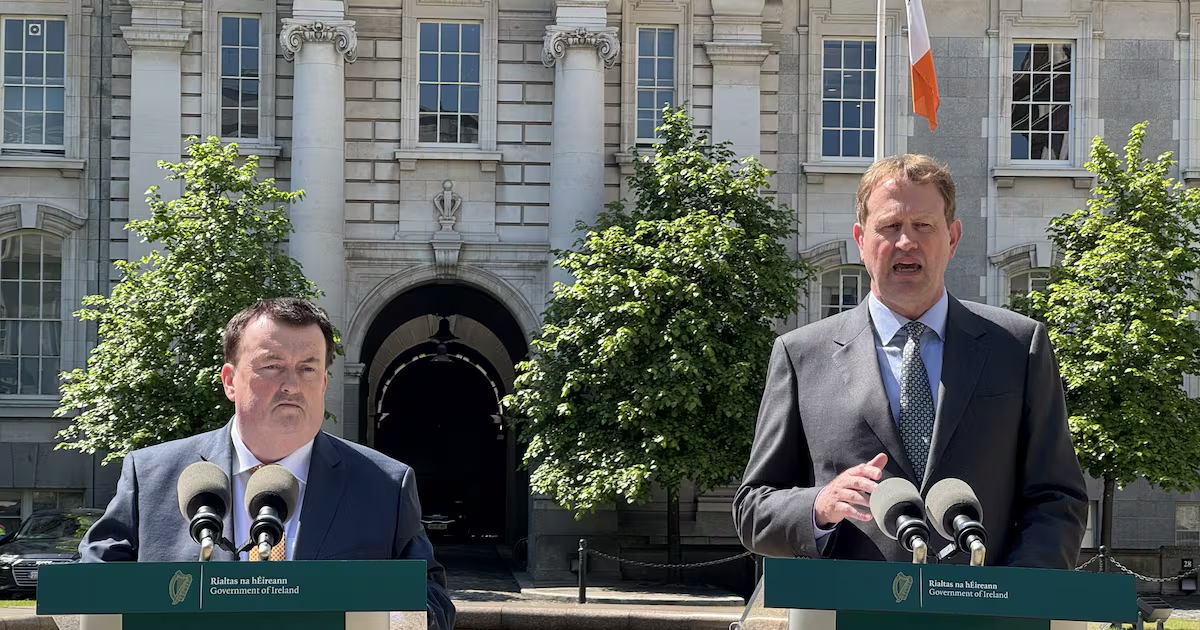
Ireland has granted more than 14,000 visas to Russian citizens since the full-scale invasion of Ukraine in 2022, according to new figures which an MEP says raise a concern that “hostile” intelligence agents could be entering the State. Department of Justice figures show the vast majority, almost 97 per cent, of visa applications from Russian citizens are approved by Irish officials.Dublin MEP Barry Andrews has written to Minister for Justice Jim O’Callaghan asking him to “re-examine” the number of visas being issued to Russian and Belarusian citizens as the war in Ukraine continues into its fifth year.“As you can imagine, many in the Irish Ukrainian community will have concerns that thousands of Russian and Belarusian nationals are still able to enjoy travel, work or study in Ireland, while Moscow continues its criminal war against their country,” he said.The number of applications for Irish visas from Russian people dropped sharply at the start of the Covid-19 pandemic, from 17,707 in 2019 to 3,046 in 2020. The numbers have since increased, but stricter EU rules introduced following the invasion mean they have not returned to 2019 levels.The EU restrictions include a ban on multiple entry visas, meaning Russians must make a new application each time they want to travel to a member state. The Government has granted 14,247 visas to Russian citizens since 2022 and refused just 465 applications. Most (11,548) were short-term applications, allowing the recipients to remain in the State for just 90 days. Some 2,700 long-term visas have been granted in the same period. These allow recipients to work or study in Ireland for a longer period which is decided on a case-by-case basis.More than 2,100 visas have also been granted since 2022 to citizens of Belarus, a strong supporter of Russia’s invasion.[ Government refuses to issue new visas to Russian diplomats amid espionage concernsOpens in new window ]Andrews noted there were valid reasons to issue visas to Russian and Belarusian people and that many citizens of those countries do not support the war. However, he asked the Minister if sufficiently robust measures were being taken “to assess possible hostile intelligence activities by any individuals receiving visas”. Andrews also asked if the Minister would consider a lifetime ban on visas for Russian soldiers who had served in Ukraine since 2014. Such a ban is being discussed at EU level and is expected to be tabled at the next month’s European Council meeting. It has been proposed by Czech MEP Tomáš Zdechovský, who said it would be “a very powerful tool to dissuade young Russian and foreign recruits from going to war in Ukraine”.Andrews also asked O’Callaghan if Russian or Belarusian citizens were using Irish visas to travel to the UK via the Common Travel Area and if there were safeguards to ensure the visas do not impact EU sanctions enforcement.
‘Hostile’ agents may be among 14,000 Russians granted Irish visas in four years
Dublin MEP seeks greater scrutiny of applications ‘to assess possible hostile intelligence activities’ by visa recipients
471 words~2 min read