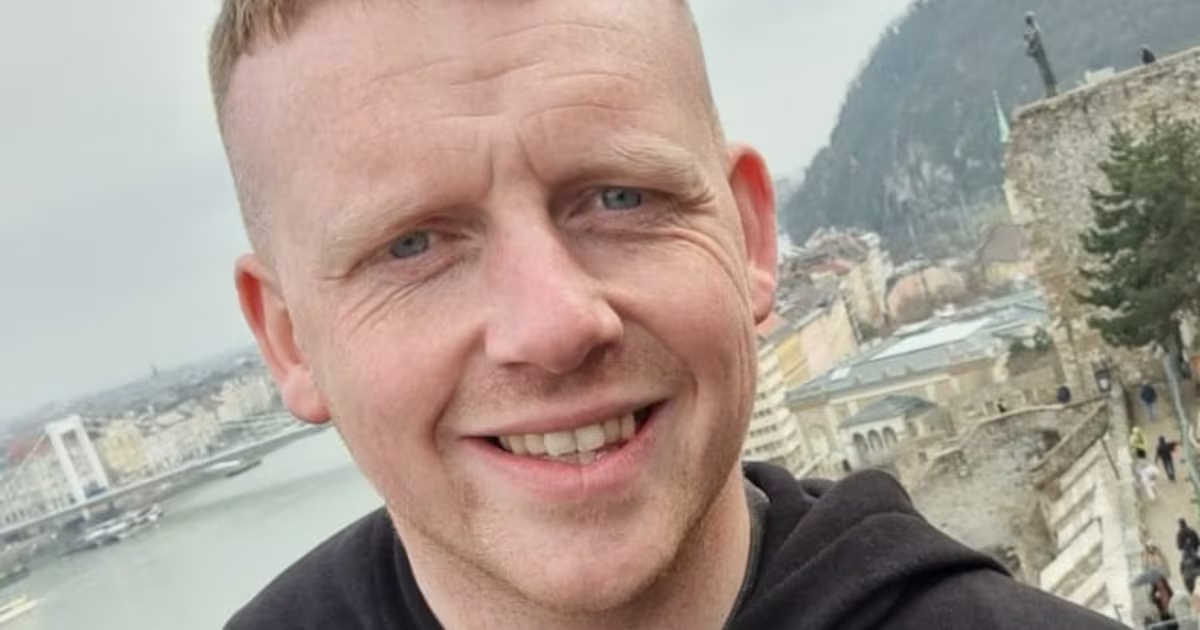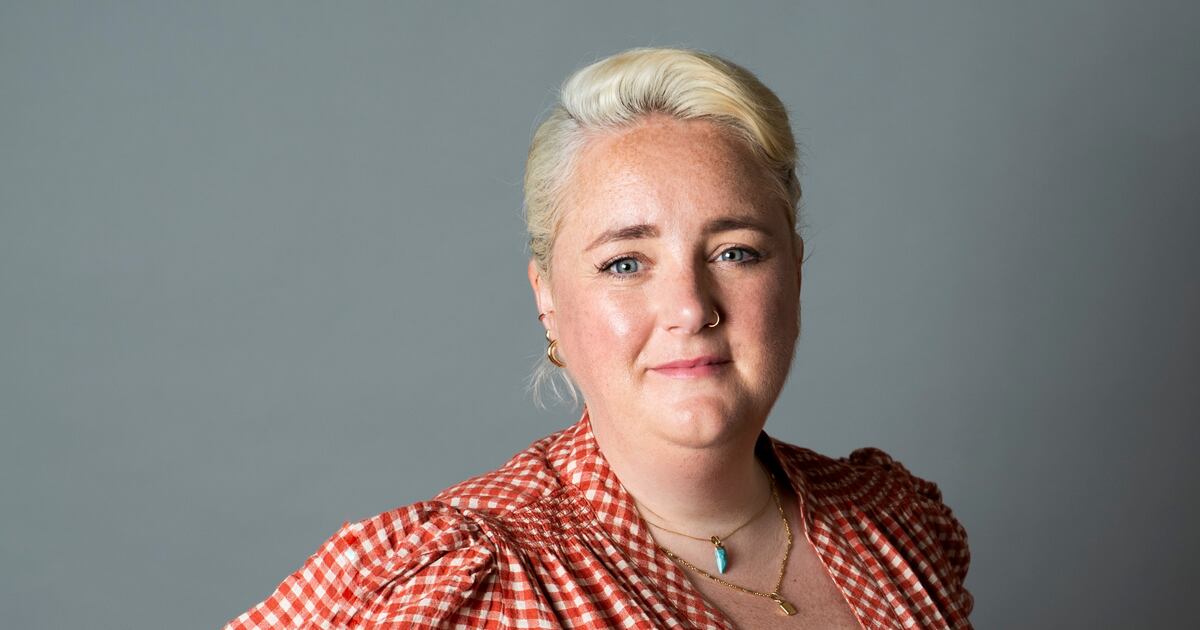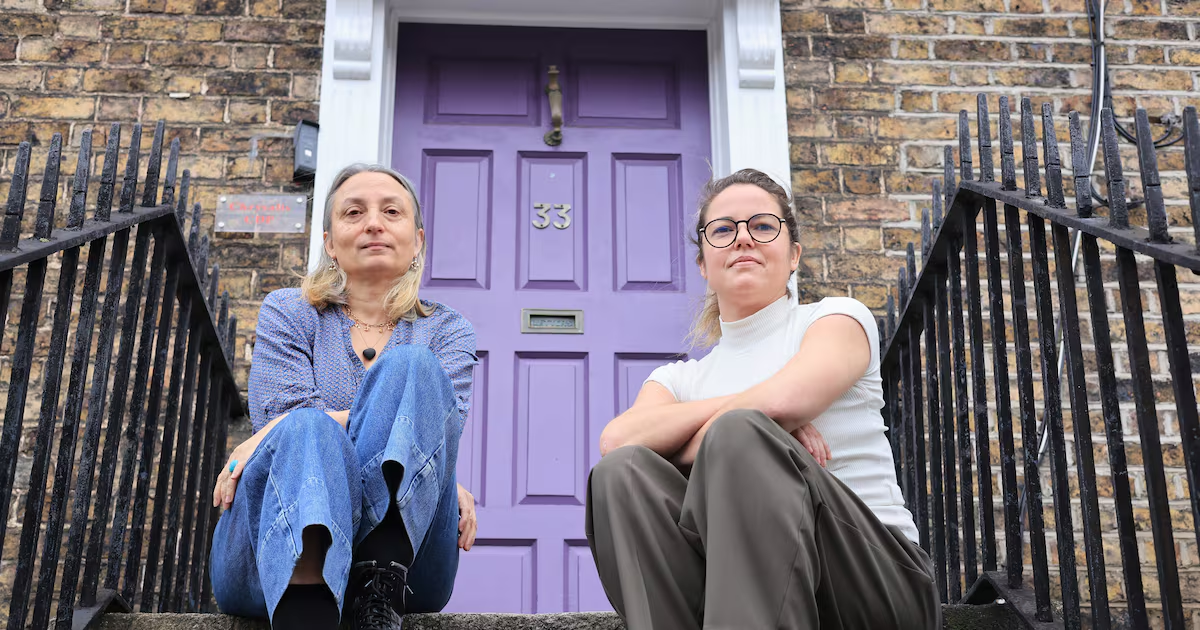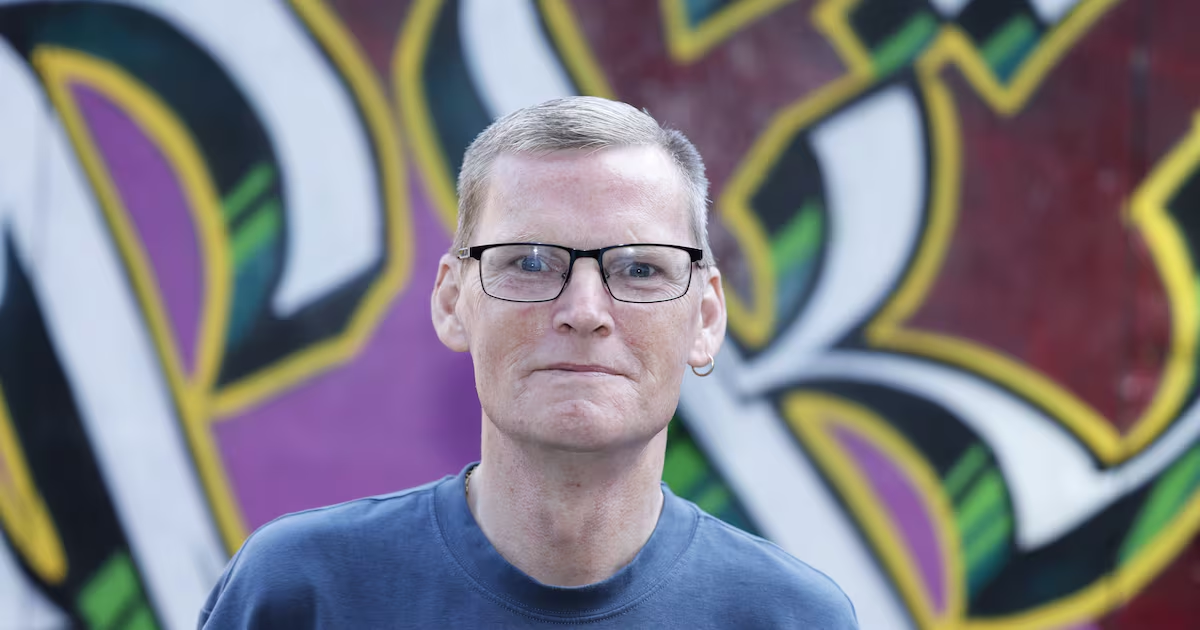
From his first days in primary school Niall (50), from Clondalkin, Dublin, was told he was “bold, lazy, not trying hard enough”. He had undiagnosed ADHD (attention deficit hyperactivity disorder). “I was trying hard, but when you are told you are bad enough times as a child, you believe it. Then I was put in a special class,” he says. “I started smoking hash when I was nine to quieten my mind. For me drugs were survival to make me feel normal because when you are told you’re bad, you’re useless – you feel just shame and stigma.”Niall left school at 15, having passed his Junior Certificate exams, and ended up on heroin, “the strong stuff”, when he was about 17. “I was smoking and then injecting. I had to stop that because my veins got thrombosis, and was smoking again,” he says. He accessed drug treatment centres along the way, but these, too, could be unwelcoming because of his ADHD and Niall was deemed to have “behaved badly” under their rules. “I was late for appointments, late for phone calls, late for groups. I had problems with eye contact and I was full of anxiety, and then I was medicating the anxiety,” he says. “I found the clinics could be very stigmatising and judgmental.”Experiences like Niall’s are not uncommon in addiction services. More than one in five (21 per cent) of those accessing these services have ADHD, autism, dyslexia or other neurodivergences, research from Trinity College Dublin’s school of nursing and midwifery has found.[ What happens when your therapist or GP asks: ‘Have you ever wondered if you might be neurodivergent?’Opens in new window ]From Thursday the school is offering a ground-breaking course in response to this finding. Titled Substance Use and Neurodiversity, the six-hour course is free and will be available online.Catherine Comiskey, professor of healthcare modelling, global addiction and transformation at the school, led the original research at the request of Citywide Drugs Crisis Campaign, a national network of community drugs projects and activists. She was struck by how many women in treatment for benzodiazepines were neurodivergent (up to one in three) and that neurodivergent men in addiction services were more likely to use alcohol and heroin.“Then we spoke to staff [in services] and they said some coming in were late for appointments, upset by noise in the building, getting anxious and even stressed making a phone calls ... There is a lot going on in a busy clinic.”There has been no training on meeting the needs of neurodivergent service users “so they were learning on the job by trial and error”. There was a “crying need” for the course, she said. “These are real people with real life challenges that can cause huge distress. Simple changes in the service can mean the difference between someone successfully accessing treatment or not.”[ I’m riddled with ADHD apparently, and medication has changed my lifeOpens in new window ] Niall, now off heroin for eight years, still accesses services. He found acceptance and an end to the sense of stigma and shame through his involvement with Uisce, a representative organisation for people who use drugs. “Uisce showed me the way,” he says. “There is no judgment and no stigma. I think if my ADHD had been seen when I was in school for what it was, I could have been a whole different person, definitely. There was a lot of trauma in my childhood. “I think it’s great neurodiversity is being seen now in schools, and that staff in services are realising they want to be more understanding of [neurodivergent] people.”
Neurodivergence and addiction: ‘I found the clinics could be very stigmatising’
Free TCD course aimed at drug support services
601 words~3 min read