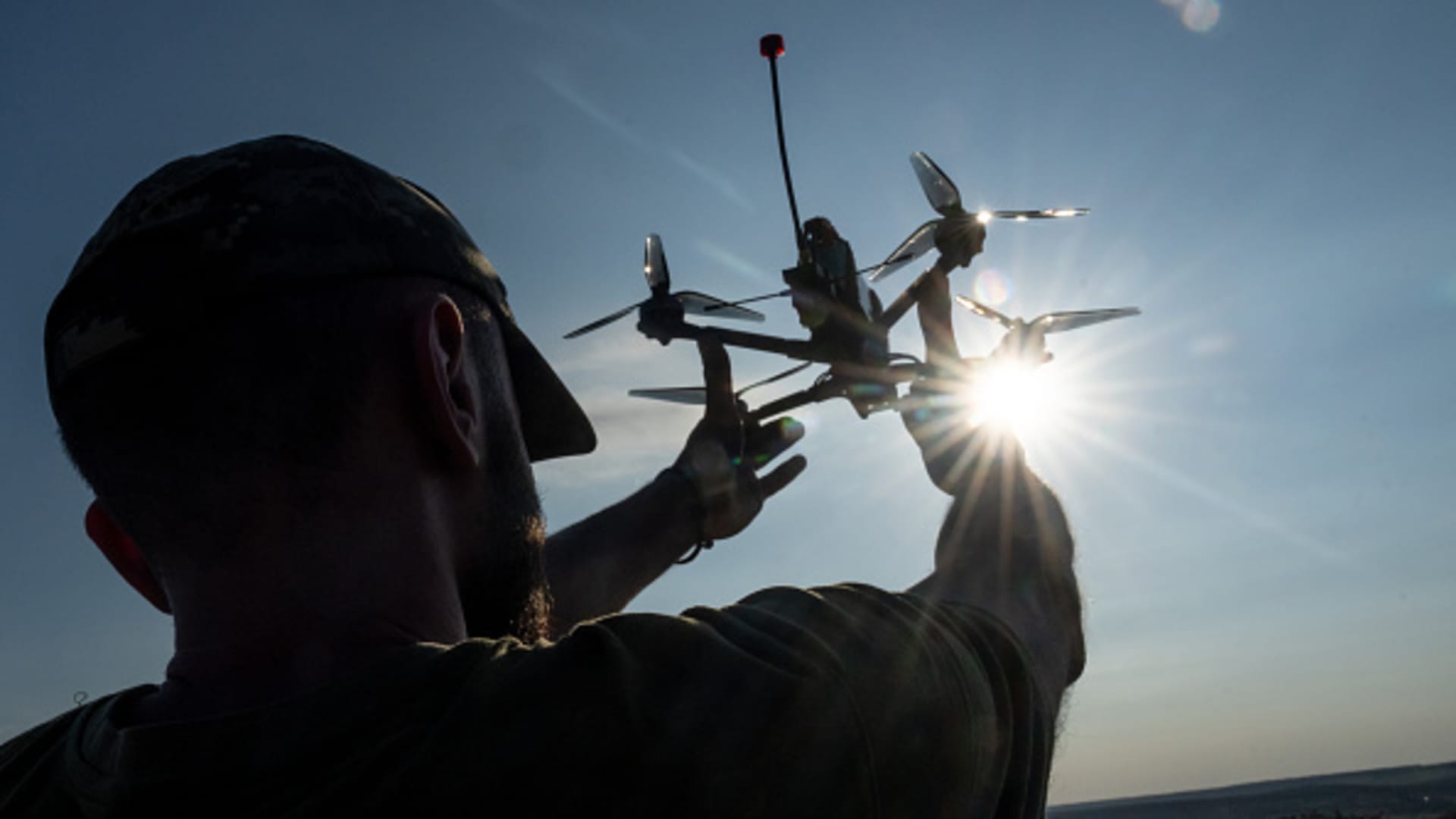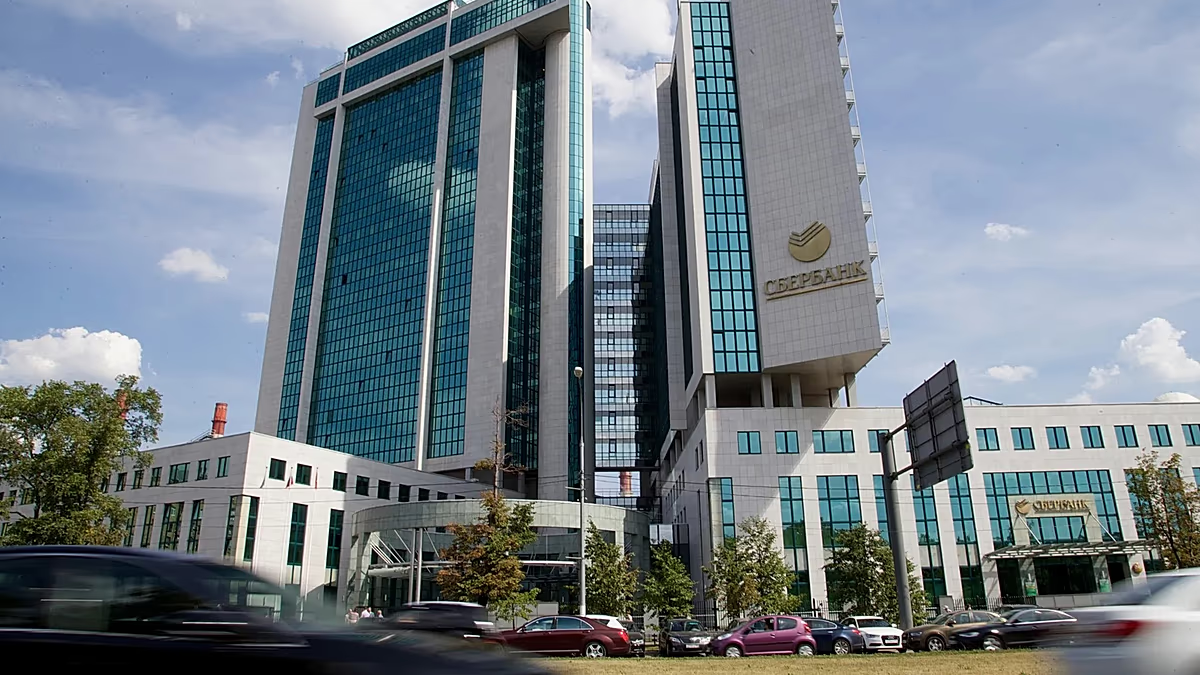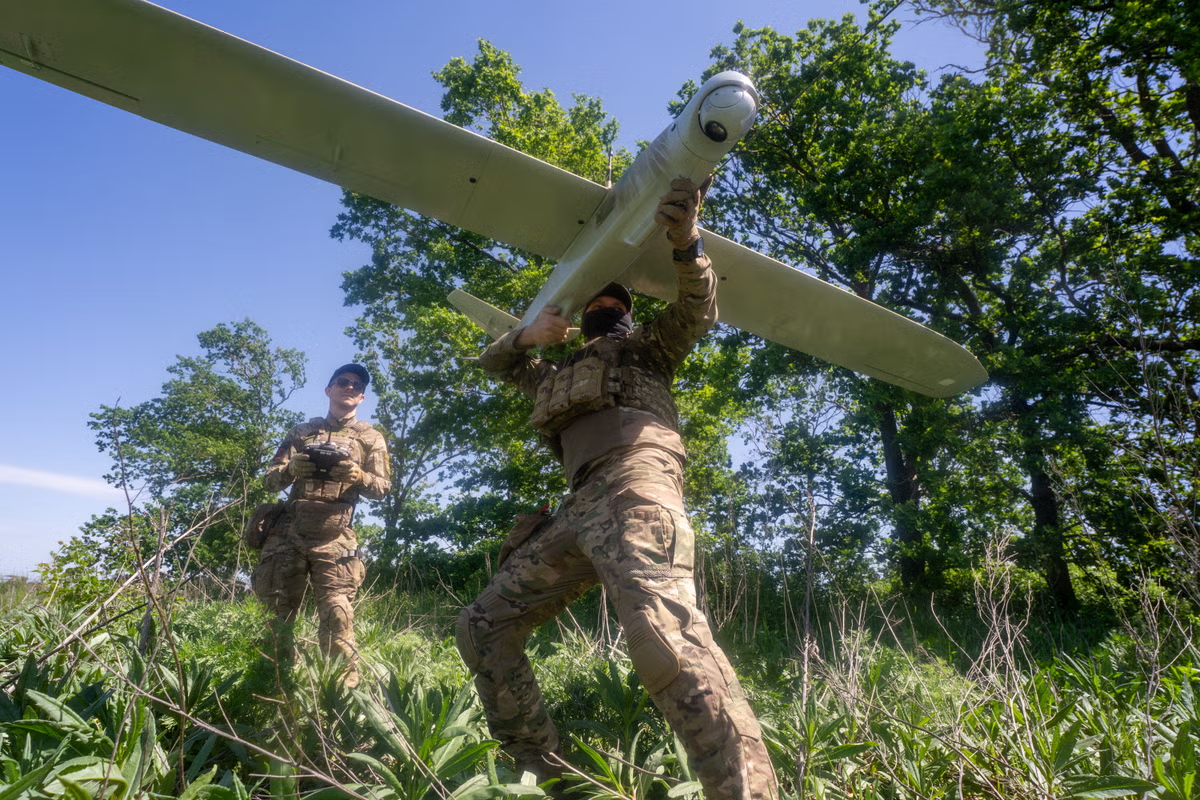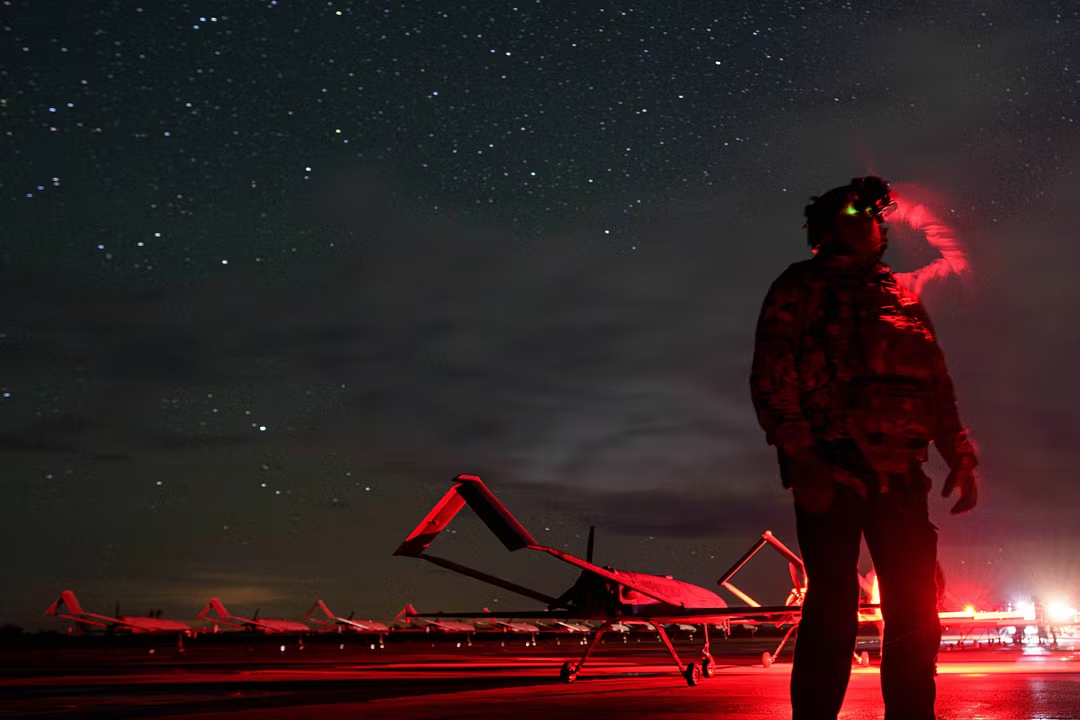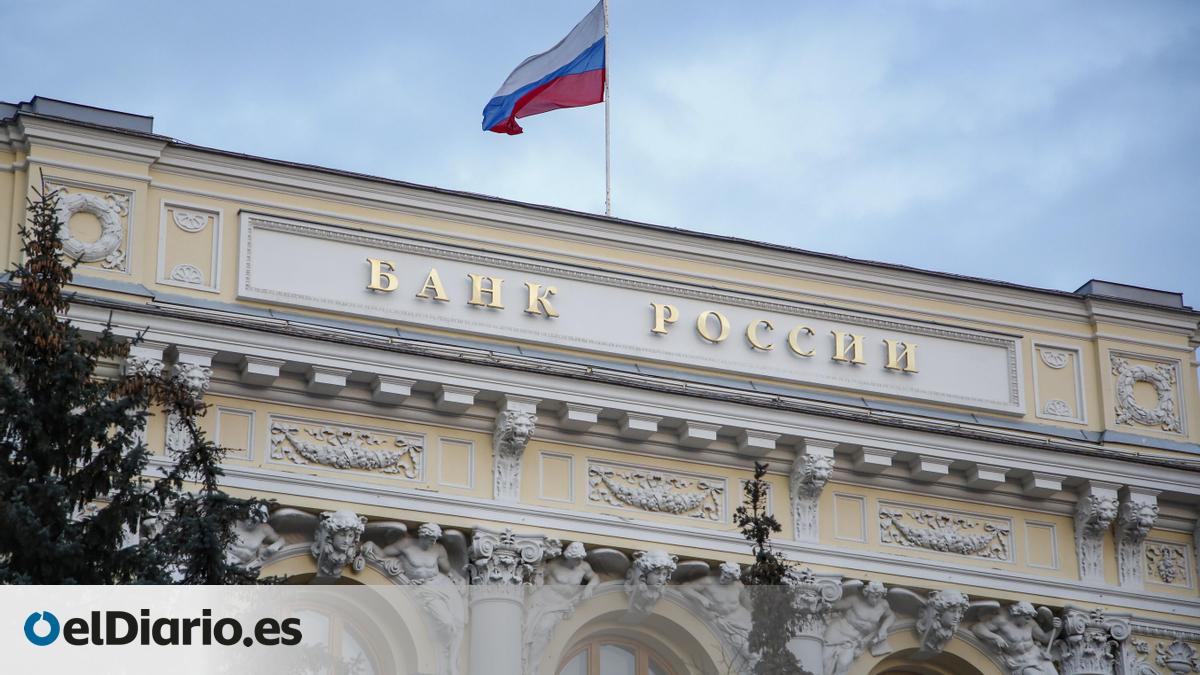
Russia’s State Duma has adopted a law in its final reading allowing employees of the Bank of Russia, Sberbank, the Rosinkas cash-in-transit service, and the Courier Communication Central Board to repel drone attacks without waiting for security agencies to arrive, Andrei Kolesnik, a member of the Duma’s defense committee, told the news outlet RTVI on May 26.Rosinkas is Russia’s state-linked cash collection service, responsible for transporting money and valuables. The Courier Communication Central Board is a special postal service handling secure government communications and deliveries.“The law has been passed, and better late than never. Everyone must defend the motherland! Even throwing a stone is already good,” Kolesnik said.Under the new law, employees of these organizations may disable drones by jamming or intercepting control signals, disrupting operators’ control systems, or damaging or destroying the aircraft. The organizations will have to pay for the protective measures themselves.Military analyst David Sharp told The Insider that the powers will likely be given to internal security services.“Of course, they do not imply that clerks or deputy directors of bank branches are expected to fend off drones, but those responsible for security, I assume. They probably have armed personnel.They are the ones meant here, and the goal is to make the most of the available resources. Since these organizations have employees capable of handling special anti-drone rifles, standard small arms, or special air defense systems that can be installed at facilities, a law is needed to give them permission to use such weapons in the workplace.But drones that attack deep inside the country are not the kind of aircraft that can be knocked off course with rifles. Apparently, the idea is that the more people and entities can fight drones at least in theory, the better.”Anatoly Aksakov, chair of the State Duma’s financial markets committee, confirmed that employees would be issued weapons.“First, they will create interference to make it harder for [a UAV] to be guided and attack the relevant facilities – that is, they will suppress all kinds of signals. And then, in addition, they will use tools capable of shooting down these drones and thereby protect the relevant facilities,” he said.A number of Russian security agencies and guard services already have the authority to down drones, including the National Guard (Rosgvardiya), the Ministry of Internal Affairs (MVD), the Federal Security Service (FSB), the Federal Protective Service (FSO), the Foreign Intelligence Service (SVR), the Federal Penitentiary Service (FSIN), as well as departmental security units.
Russia’s central bank, Sberbank, and cash-in-transit service have been authorized to shoot down drones
Russia’s State Duma has passsed a law allowing employees of the Bank of Russia, Sberbank, the Rosinkas cash-in-transit service, and the Courier Communication…
409 words~2 min read