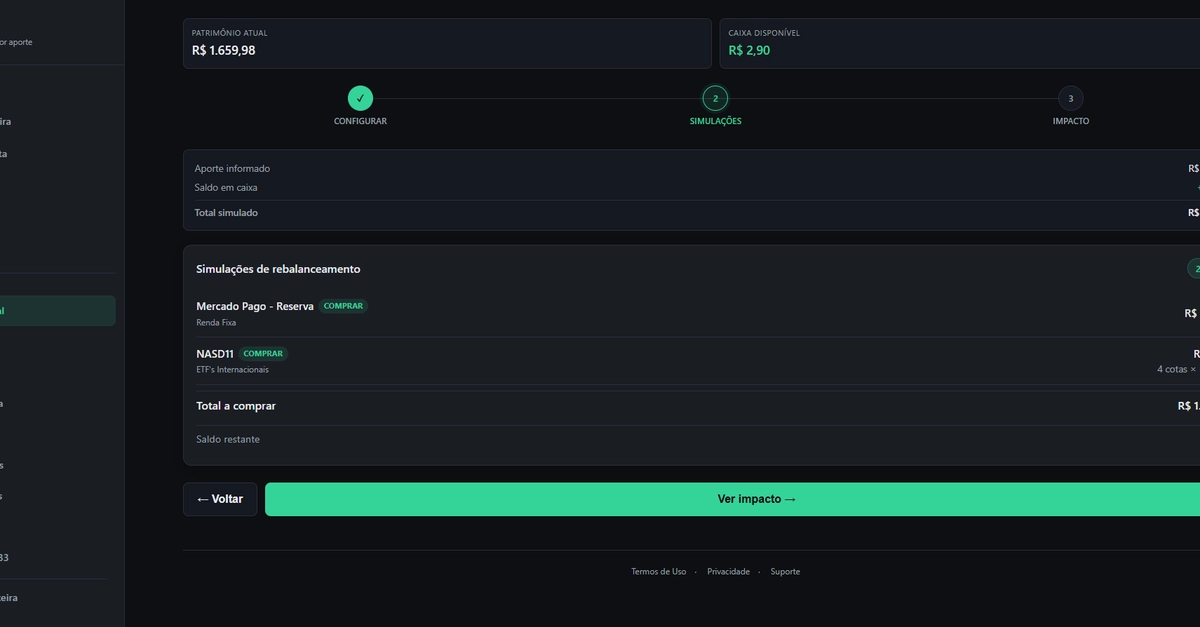
I have a spreadsheet that tells me exactly which positions are off-target by how many dollars. It took thirty minutes to build and it works — but I still have to log into my brokerage, click through the trade ticket, and hope I did not fat-finger a decimal. The gap between knowing what to rebalance and actually doing it is where most portfolios drift.
I tested five rebalancing approaches over the past year: Google Sheets with GOOGLEFINANCE, dedicated platforms (Passiv and Portseido), brokerage built-in tools (M1 Finance and Fidelity Basket Portfolios), and a minimal Python pipeline. This article covers what each approach does well, where it falls short, and the decisions that matter more than tool choice — specifically, your rebalancing threshold, tax awareness, and how often you actually follow through.
Threshold Versus Calendar Rebalancing
Before evaluating tools, the decision framework matters. Calendar rebalancing trades on a fixed schedule — quarterly, annually — and the calendar decides for you. It is simple, but between dates your allocation can drift substantially during fast markets, and you may execute trades when drift is minor, generating transaction costs for barely meaningful adjustments.