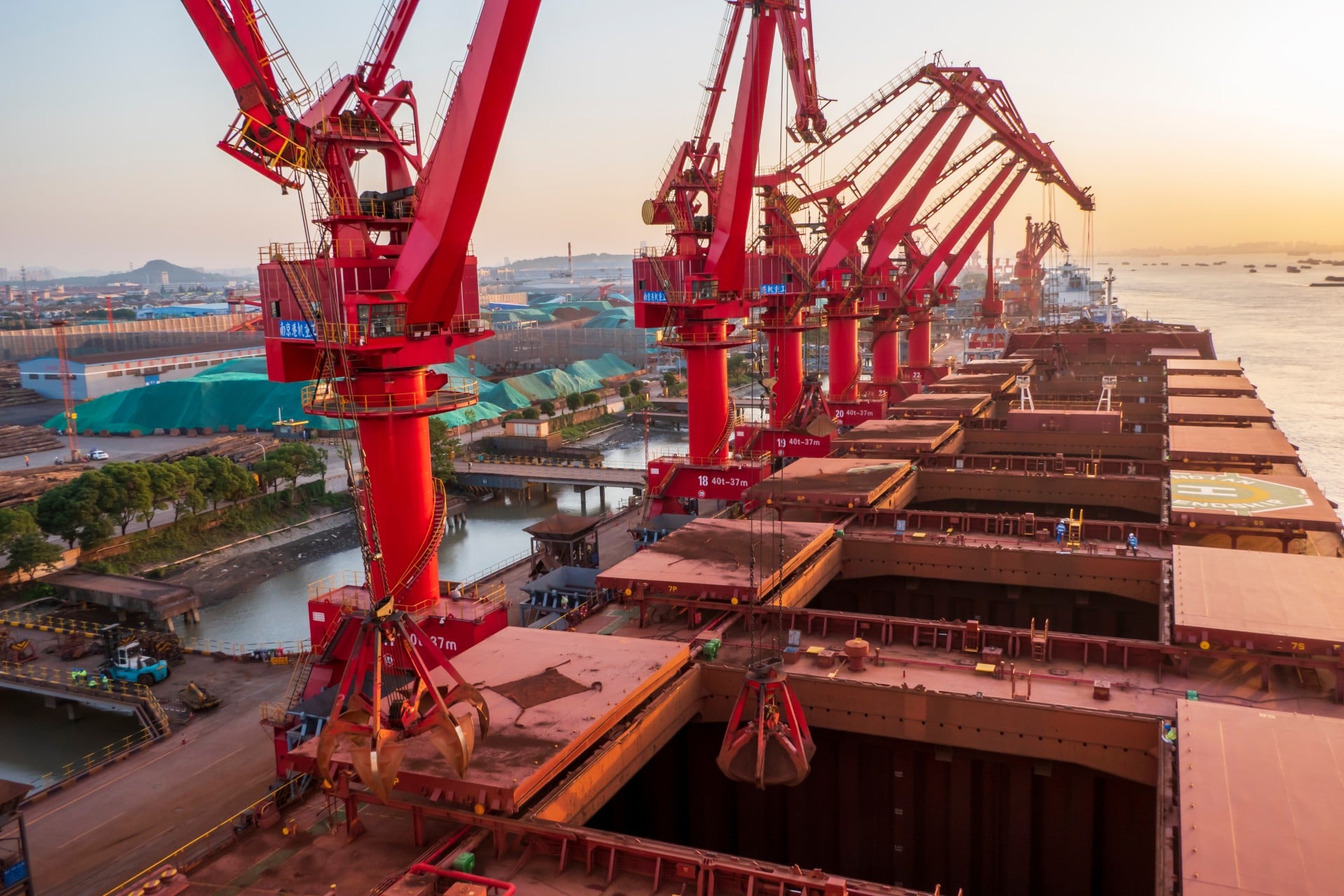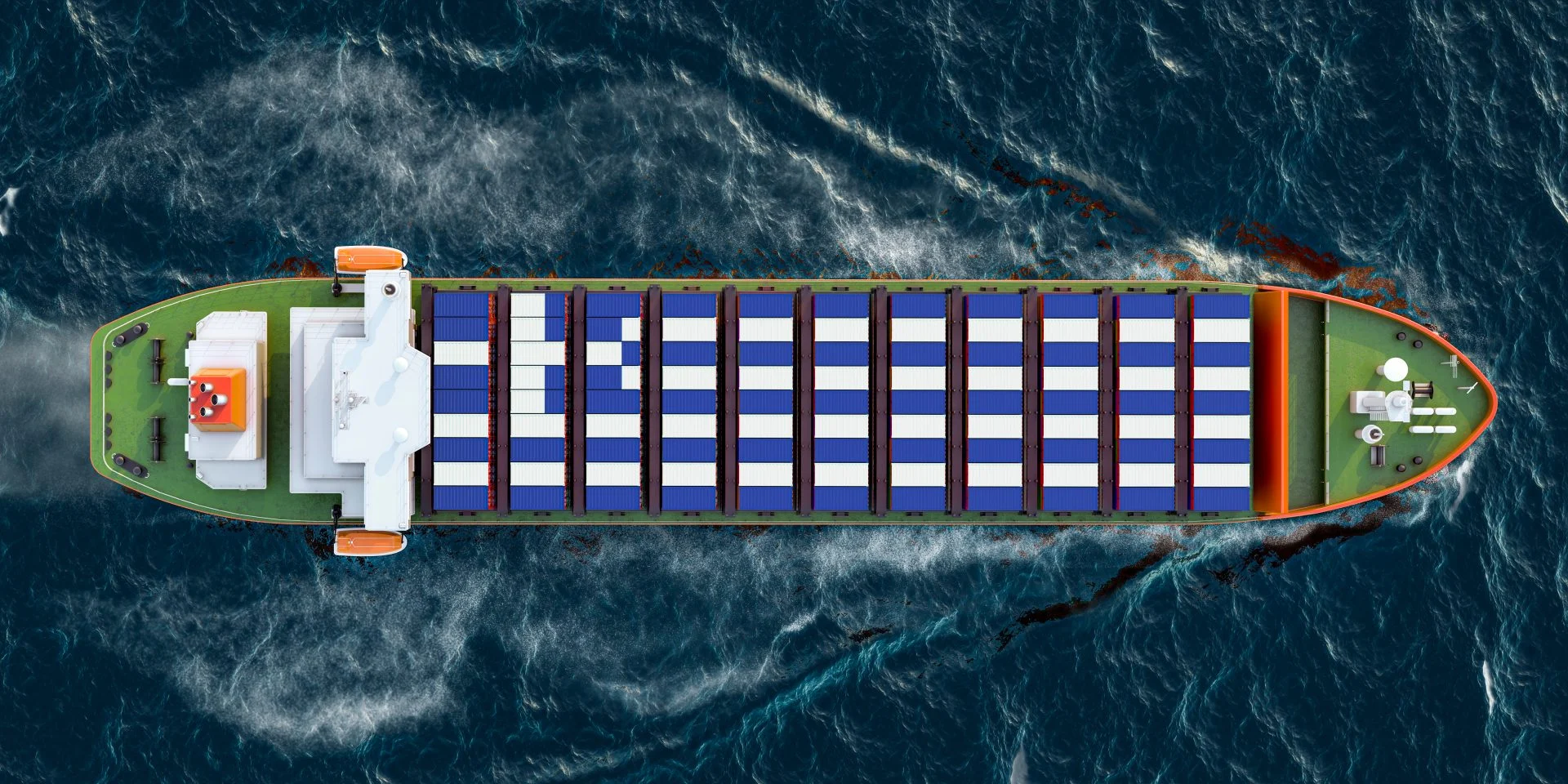
Greek shipowners are making investments in newbuild vessels exceeding 60 billion dollars, running an extensive shipbuilding program for new commercial vessels and taking a leading role in the global fleet’s green transition.According to data processed by the Union of Greek Shipowners from Clarkson Research (January 2026), Greek owners’ investments in newbuilds continue to rise. The orderbook has reached 725 vessels under Greek interests, with a total capacity of 70 million dwt—an increase of 13 million dwt compared to a year earlier. Moreover, compared to 2021, Greek orders are seven times higher in terms of vessel numbers and five times higher in terms of capacity. According to the UGS annual report, Greek shipowners continue to invest across various vessel segments, with a focus on tankers, dry bulk carriers, and LNG carriers, while container ship orders are also increasing significantly. Continuous investment and ongoing fleet renewal place Greek shipping at the forefront of the industry’s green transition. The Greek commercial fleet is above the global average in all categories of environmental equipment and is the world’s largest fleet capable of using alternative fuels, the largest equipped with energy-saving technologies (EST5), and the largest fitted with SOx scrubbers (in dwt terms).The “green performance” of Greek shipping improves every year, with increasing adoption rates across all equipment categories. For instance, while at the beginning of 2024 one in three Greek vessels was equipped with at least one energy-saving technology, this share now exceeds 50%.Message from M. TravlouThe President of the Union of Greek Shipowners, Melina Travlou, emphasizes in her message: Greek shipping has maintained its leading global position, confirming its strategic importance, reliability, and resilience. The Greek-owned fleet continues to play a leading role in international maritime transport, contributing decisively to energy security, food security, and the stability of global supply chains. At the same time, we remain firmly committed to the energy transition of shipping. Greek shipping, a pioneer in this field as well, systematically invests in new vessels, advanced technologies, and emissions-reduction solutions, operating one of the youngest fleets globally and the largest fleet capable of using alternative fuels.Greek-owned fleetToday, the Greek-owned fleet has reached 5,800 vessels and controls 19.1% of the global fleet (in dwt terms). In absolute terms, the carrying capacity of the Greek-owned merchant fleet exceeds 458 million dwt.Greece has been a leading maritime nation for decades. It remains by far the global leader in strategic vessel segments such as oil tankers and LNG carriers, while ranking second in dry bulk carriers. Specifically, Greek interests control 26% of oil tankers (1,064 vessels), 23% of LNG carriers (172 vessels), 22% of dry bulk carriers (2,766 vessels), as well as 16% of chemical tankers (574 vessels), 11% of LPG carriers, and 8% of both containerships and car carriers.
Greeks invest 60 billion dollars into 'green' ships
According to data processed by the Union of Greek Shipowners from Clarkson Research (January 2026), Greek owners’ investments in newbuilds continue to rise.
489 words~2 min read