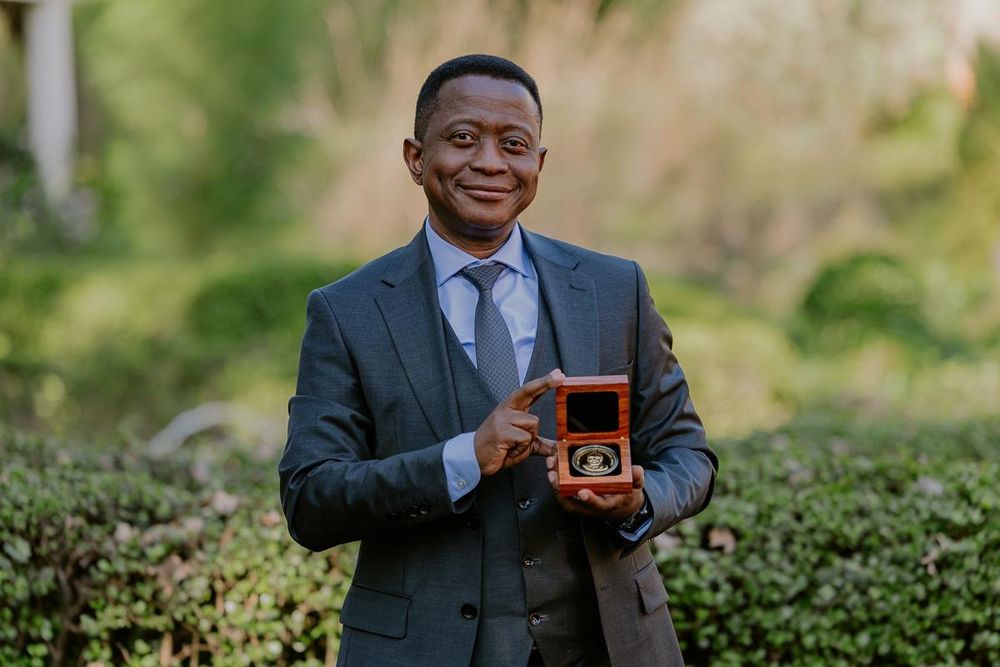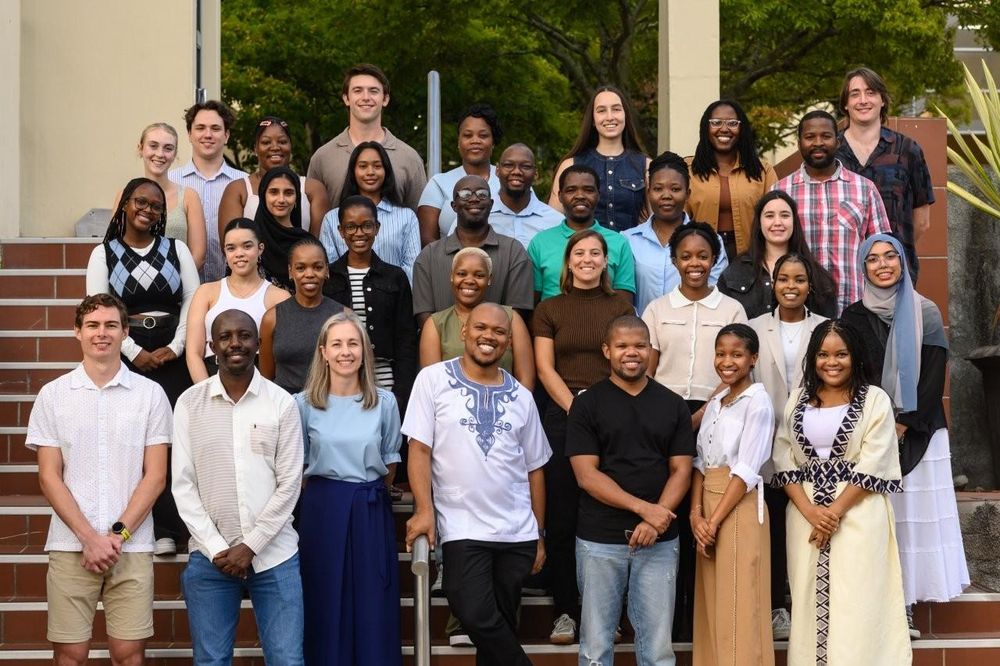
Prof. Thulani Makhalanyane (middle front) leads a large research group in African microbiome research in the Department of Microbiology at Stellenbosch University, consisting of eight postdoctoral fellows, six BScHons, thirteen MSc and nine PhD students. The group is also strategically aligned with SU’s School for Data Science and Computational Thinking, thereby strengthening computational and systems biology skills within microbiome science in Africa.
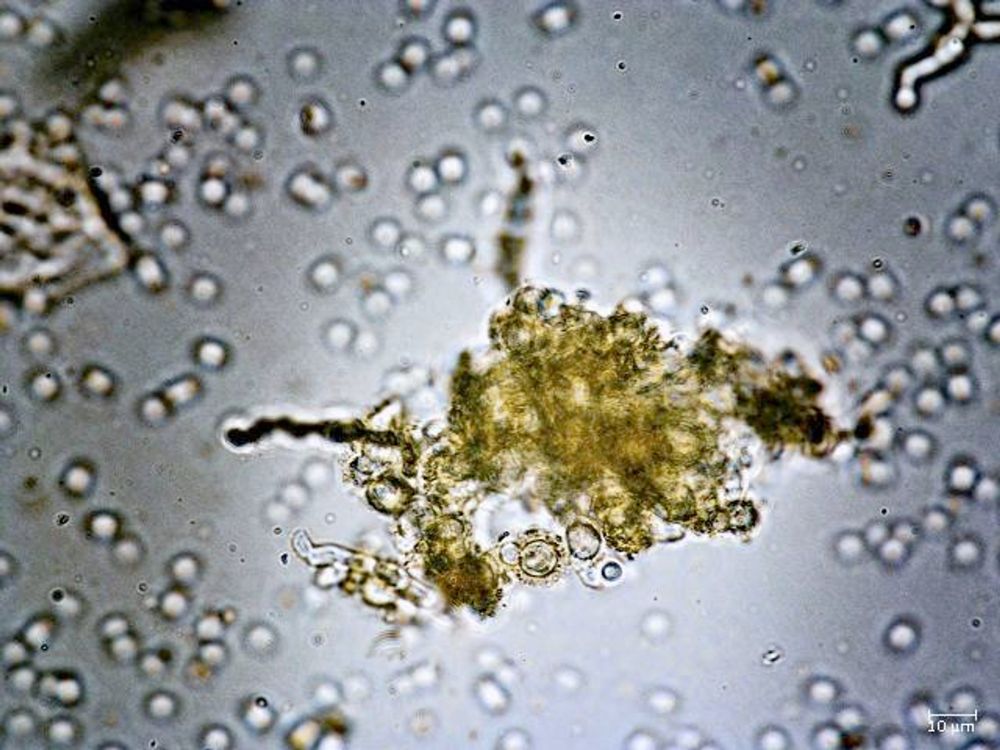
Africa boasts some of the most spectacular, climate-resilient, and biodiverse landscapes on Earth, yet a critical component of this richness remains almost entirely invisible to global science. The microscopic universe of bacteria, fungi, and viruses that populates African soils, waters, and living organisms—collectively known as the microbiome—is conspicuously absent from international datasets. To date, less than three per cent of global microbial diversity has been validly characterised, leaving a staggering knowledge gap that severely limits the scope of modern medicine, agriculture, and environmental conservation.
This profound disparity is finally being confronted by an ambitious pan-African initiative led from South Africa. A newly established South African Research Chair in African Microbiome Innovation at Stellenbosch University, spearheaded by the internationally renowned microbiologist Professor Thulani Makhalanyane, is setting out to radically alter the global scientific landscape. At the heart of this effort is the African Microbiome Project, a monumental endeavour that aims to sequence ten million samples from across the continent, systematically reducing the severe knowledge deficit regarding African microbiota.