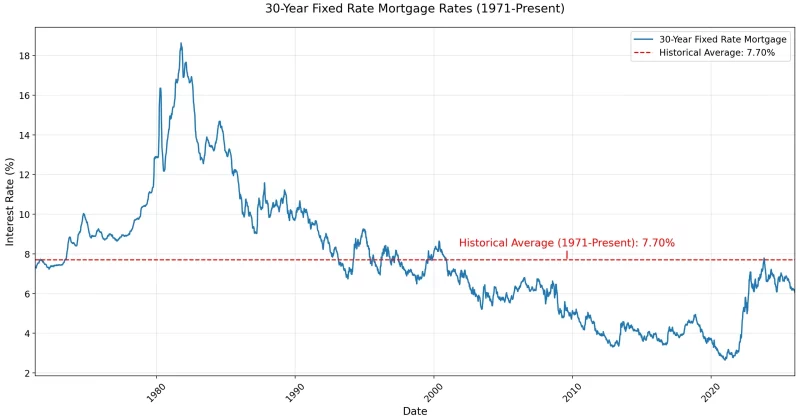
SynopsisUS mortgage rates reached a nine-month high of 6.65% last week, driven by elevated oil prices and inflation concerns. This surge, coupled with a persistent housing shortage and the "rate lock-in" effect, is intensifying affordability challenges for prospective buyers. Mortgage applications saw a significant decline as borrowing costs increased.TIL CreativesThe impact of higher mortgage rates was immediately visible in housing finance activity. US mortgage rates climbed to a nine-month high last week, adding fresh pressure on housing affordability as geopolitical tensions in the Middle East kept oil prices elevated and fueled concerns over persistent inflation, according to a report by Reuters. The average rate on a 30-year fixed mortgage rose to 6.65% in the week ended May 22, according to data released by the Mortgage Bankers Association (MBA).The increase marks the highest mortgage rate level since August 2025, before the Federal Reserve began cutting interest rates in response to signs of weakness in the labor market. Those earlier rate reductions had briefly helped mortgage rates drift closer to the 6% mark. However, renewed inflationary pressures and rising Treasury yields have since reversed that trend.The conflict involving Iran has played a significant role in pushing up energy prices, which in turn has contributed to broader inflation concerns. Rising oil prices have increased expectations that inflation could remain elevated for longer, leading investors to demand higher yields on U.S. government bonds. Since mortgage rates closely track the benchmark 10-year Treasury yield, borrowing costs for homebuyers have also moved higher.At the same time, the U.S. labor market has shown resilience. The unemployment rate currently stands at 4.3%, unchanged from levels seen last August. Meanwhile, inflation has accelerated, with consumer prices rising 3.8% in April from a year earlier, compared with 2.9% inflation during the same period last year. Several Federal Reserve officials have recently expressed concern that inflationary pressures may not be temporary and could require tighter monetary policy if price increases persist beyond energy-related sectors.The impact of higher mortgage rates was immediately visible in housing finance activity. Mortgage applications declined 8.5% from the previous week, according to the MBA, with refinancing activity leading the fall. Overall mortgage application volumes dropped to their weakest levels since last summer, reflecting reduced appetite among borrowers amid rising financing costs.The report by Reuters also highlighted the changing leadership at the Federal Reserve. Kevin Warsh recently assumed office as the Fed’s new chair, replacing Jerome Powell, who had faced repeated criticism from President Donald Trump over interest rate policy. Shortly after Warsh’s swearing-in ceremony at the White House, Trump stated that he expected interest rates to decline. However, financial markets are increasingly pricing in the possibility that the Fed could raise rates again before the end of the year if inflation remains stubbornly high.Despite the latest jump in mortgage rates, Treasury yields have eased somewhat this week on optimism surrounding a potential diplomatic breakthrough that could reopen the Strait of Hormuz, a critical global oil shipping route. Any decline in Treasury yields may eventually be reflected in mortgage rate data from Freddie Mac, which last week reported an average 30-year mortgage rate of 6.51%, also the highest level since late summer 2025.Beyond interest rates, structural issues within the U.S. housing market continue to weigh on affordability. A persistent shortage of available homes remains a major obstacle for potential buyers. The report stated that the so-called “rate lock-in” effect is further limiting supply, as homeowners who secured mortgages at historically low rates are reluctant to sell and take on significantly higher borrowing costs for a new property.According to Reuters, experts said that historically low turnover in the owner-occupied housing market is intensifying affordability challenges. The turnover rate of existing owner-occupied homes averaged 4.7% over the last four quarters, remaining below levels recorded during the depths of the global financial crisis. The limited supply of homes, combined with elevated mortgage rates, continues to create difficult conditions for prospective buyers across the U.S. housing market.Read More News on(What's moving Sensex and Nifty Track latest market news, stock tips, Budget 2025, Share Market on Budget 2025 and expert advice, on ETMarkets. Also, ETMarkets.com is now on Telegram. For fastest news alerts on financial markets, investment strategies and stocks alerts, subscribe to our Telegram feeds .) Subscribe to ET Prime and read the Economic Times ePaper Online.and Sensex Today. Top Trending Stocks: SBI Share Price, Axis Bank Share Price, HDFC Bank Share Price, Infosys Share Price, Wipro Share Price, NTPC Share Price...moreless(You can now subscribe to our ETMarkets WhatsApp channel)Read More News on(What's moving Sensex and Nifty Track latest market news, stock tips, Budget 2025, Share Market on Budget 2025 and expert advice, on ETMarkets. Also, ETMarkets.com is now on Telegram. For fastest news alerts on financial markets, investment strategies and stocks alerts, subscribe to our Telegram feeds .) Subscribe to ET Prime and read the Economic Times ePaper Online.and Sensex Today. Top Trending Stocks: SBI Share Price, Axis Bank Share Price, HDFC Bank Share Price, Infosys Share Price, Wipro Share Price, NTPC Share Price...moreless
US Stock Market: Mortgage rates hit 9-month high as inflation worries deepen
US mortgage rates reached a nine-month high of 6.65% last week, driven by elevated oil prices and inflation concerns. This surge, coupled with a persistent housing shortage and the "rate lock-in" effect, is intensifying affordability challenges for prospective buyers. Mortgage applications saw a significant decline as borrowing costs increased.
833 words~4 min read