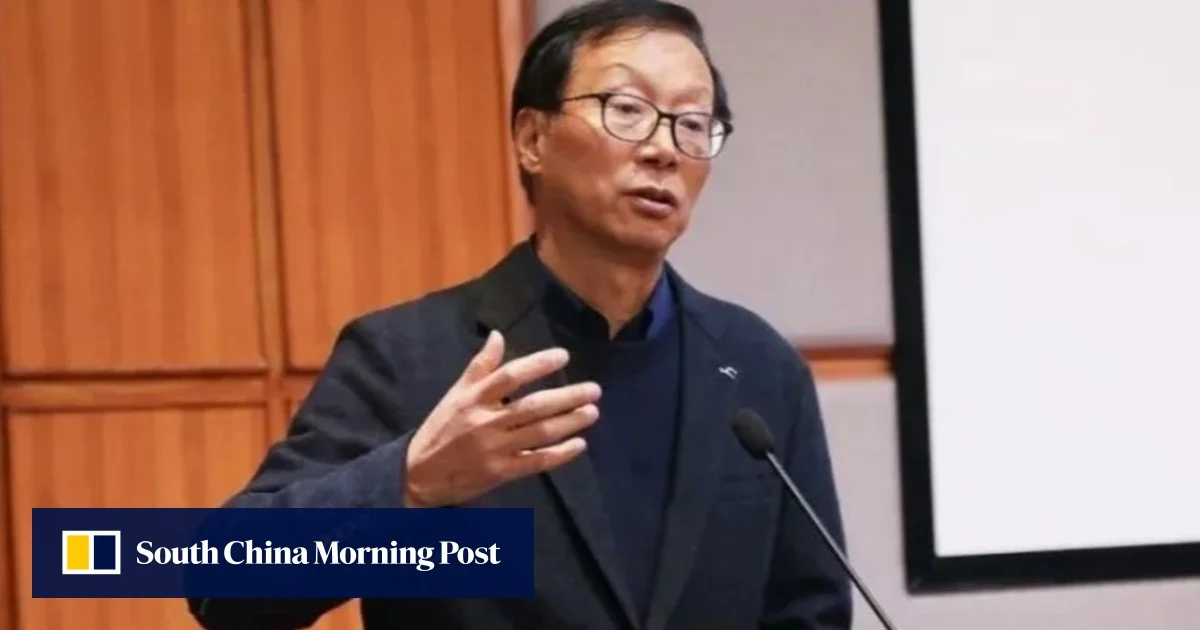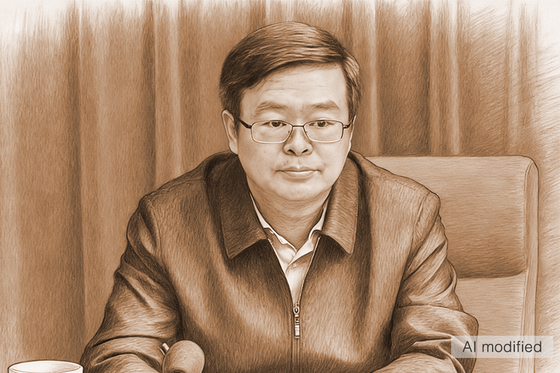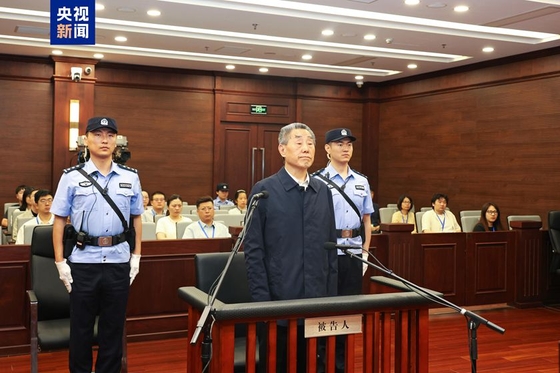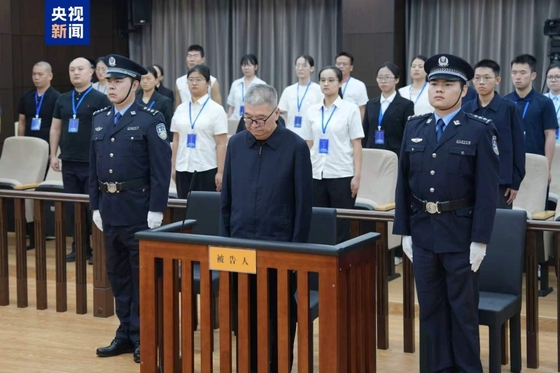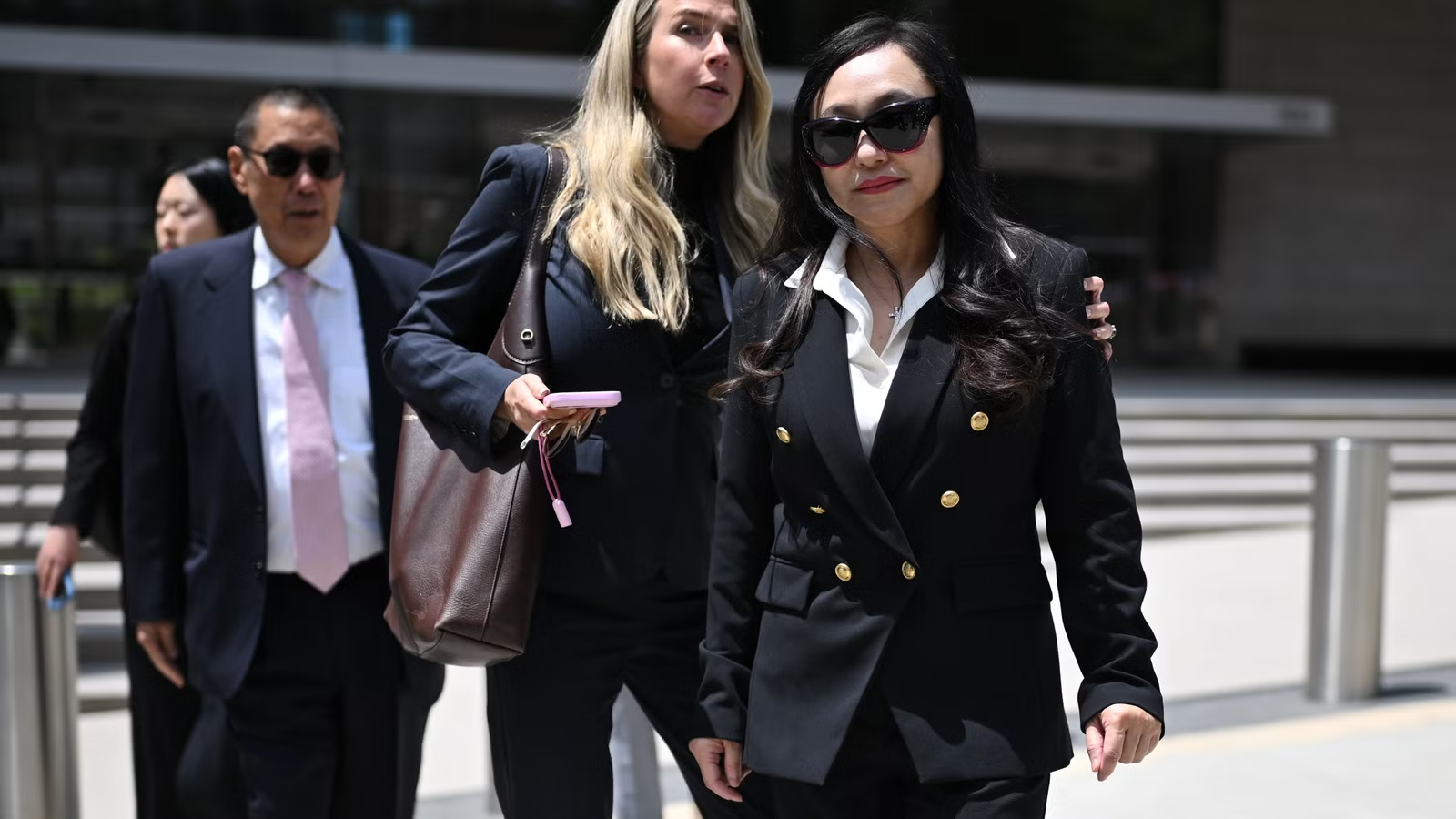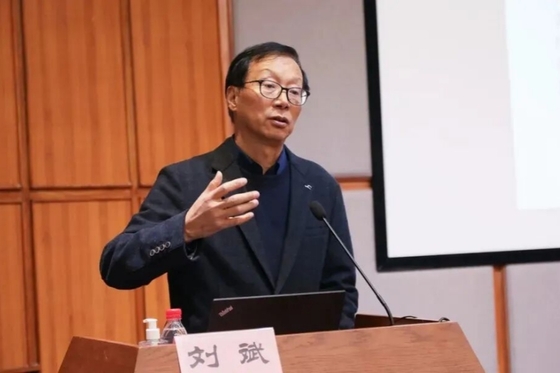
1. Liu Bin, a leading archaeologist known for discovering the ancient city at China’s Liangzhu site, pleaded guilty to charges of bribery and embezzlement at a public trial on May 20 at the Suichang County People’s Court in Zhejiang province. [para. 1][para. 2] Prosecutors accused him of accepting over 4.65 million yuan ($690,000) in bribes and embezzling 300,000 yuan from a Liangzhu research project. [para. 2] Liu accepted the charges and punishment; a verdict will be announced later. [para. 3]2. Liu Bin had a distinguished career: he graduated from Jilin University with a degree in archaeology and worked at the Zhejiang Provincial Institute of Cultural Relics and Archaeology, later serving as deputy director and director. [para. 4] He helped lead the excavation of Liangzhu Tomb No.12 in 1986 and discovered the ruins of the ancient city of Liangzhu in 2007, which became central to China’s case for early urban civilization and later a UNESCO World Heritage site. [para. 5] He was regarded as the third-generation leader of Liangzhu archaeology and received national honors, including the title of national advanced worker and a special government allowance. [para. 5][para. 6] In September 2020, he joined Zhejiang University as a leading humanities scholar and served as a professor and director of various institutions until the case surfaced. [para. 7]3. Before the trial, Liu had been absent from public view, and social-media accounts belonging to Zhejiang University’s School of Art and Archaeology deleted content associated with him. [para. 8] Court materials showed he was placed under detention by supervisory authorities on December 2, 2025, and formally arrested on February 25, 2026. [para. 9] At the trial, he appeared with graying hair and a haggard expression. [para. 9]4. Prosecutors alleged that from 2009 to April 2021, Liu used his positions at the Zhejiang institute to help companies and individuals secure and pass acceptance reviews for cultural-relic protection and archaeological projects, accepting money and property totaling over 4.65 million yuan. [para. 10] In one instance, he awarded an exploration project to Shaanxi Longteng Cultural Relics Protection Co., whose shareholder Wang Lin was the younger brother of a university classmate. [para. 11] Wang paid Liu more than 1.4 million yuan in “thank-you fees” for subsequent projects, and Liu also contracted a digital-information project to another company controlled by Wang, receiving 30,000 yuan. [para. 11][para. 12]5. A key dispute involved 2.2 million yuan that Wang gave Liu after Liu had stepped down from his director’s post at the institute around August 2020. [para. 12][para. 13] Wang gave 2 million yuan in March or April 2021 for a down payment on a home for Liu’s daughter, with no expectation of repayment. [para. 13] In 2023, the day before Liu’s daughter’s wedding, Wang gave another 200,000 yuan as a gift, and also advanced three years of rent totaling 450,000 yuan for a Beijing studio rented by the daughter. [para. 14][para. 15] Liu’s wife testified that she and their daughter each earned about 200,000 yuan a year, while Liu earned about 800,000 yuan annually at Zhejiang University. [para. 16]6. Liu’s defense argued that the 2.2 million yuan from Wang was received after Liu had left public office, and under judicial interpretations, such conduct constitutes bribery only if there was an advance agreement while in office. [para. 17] The lawyer said the 2 million yuan was prompted by a funding gap for the home purchase with no prior arrangement, and the wedding gift was a personal goodwill gesture that should be a disciplinary violation, not a crime. [para. 17] On the embezzlement charge, prosecutors said Liu oversaw a project marking the 80th anniversary of Liangzhu’s discovery, commissioning a documentary for 400,000 yuan; after completion, the company returned 300,000 yuan to Liu personally. [para. 18]7. Three prominent archaeologists submitted statements to the court describing Liu’s major contributions to archaeology, hoping the court would take them into account. [para. 19] People who attended the hearing said the presiding judge expressed regret that a scholar of Liu’s stature had failed to understand and observe the law. [para. 19]AI generated, for reference only
Star Archaeologist Behind China's World Heritage Discovery Pleads Guilty to Bribery, Embezzlement
Liu Bin, credited with unearthing the 5,000-year-old ancient city of Liangzhu, admitted in court to accepting nearly $700,000 in kickbacks in exchange for granting legacy exploration contracts
677 words~3 min read