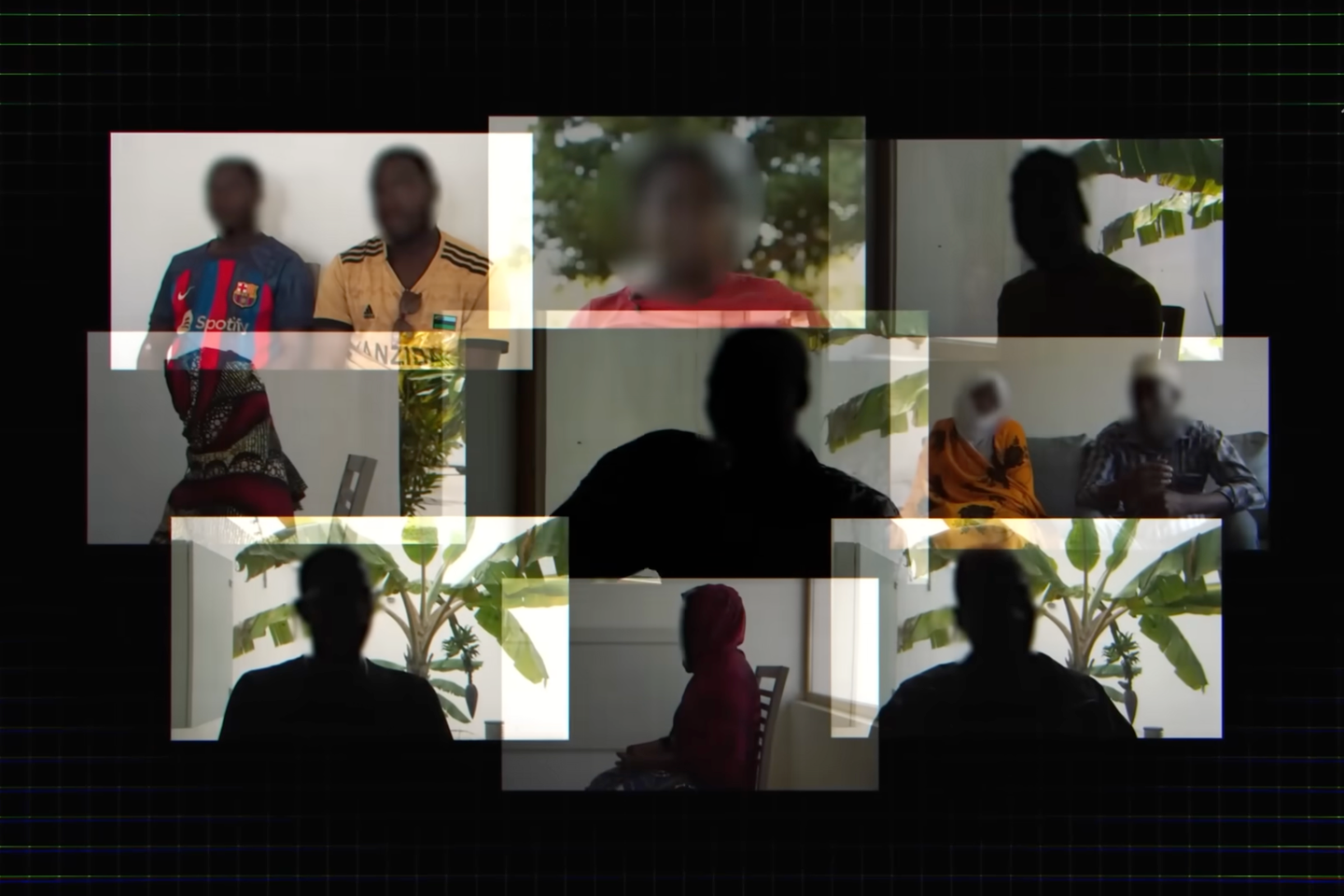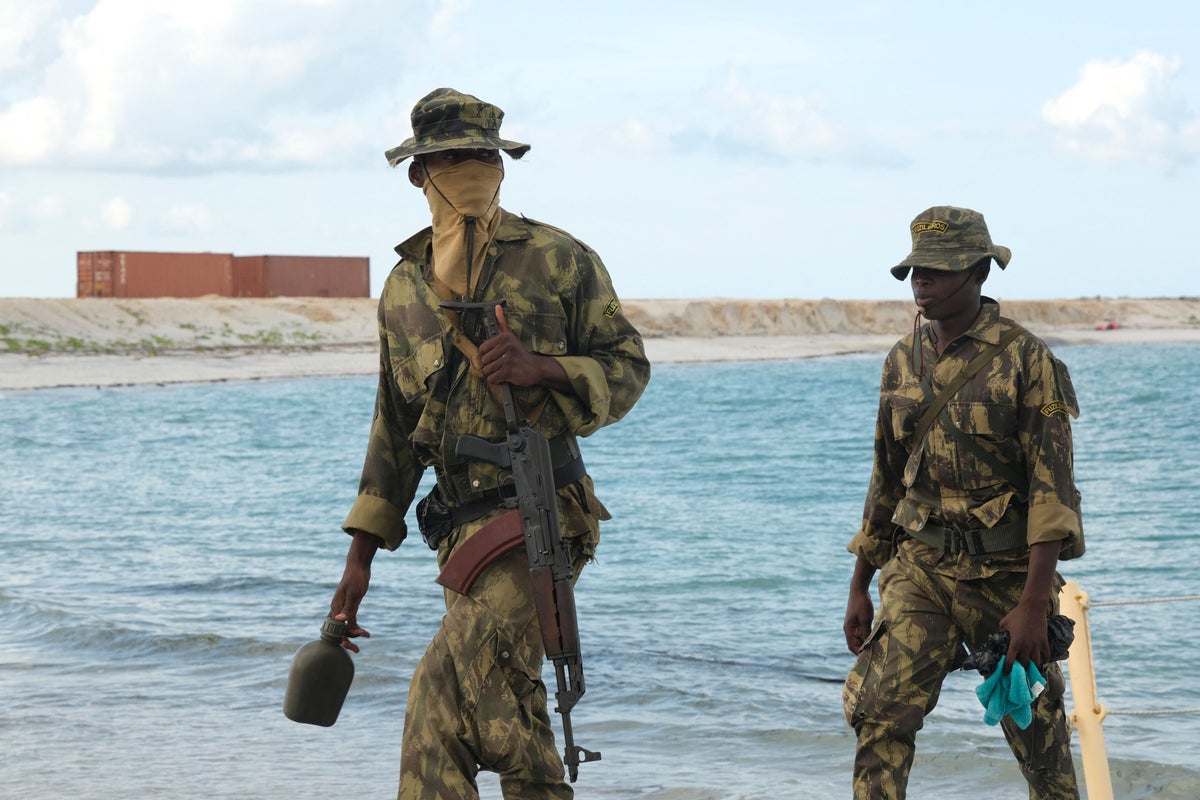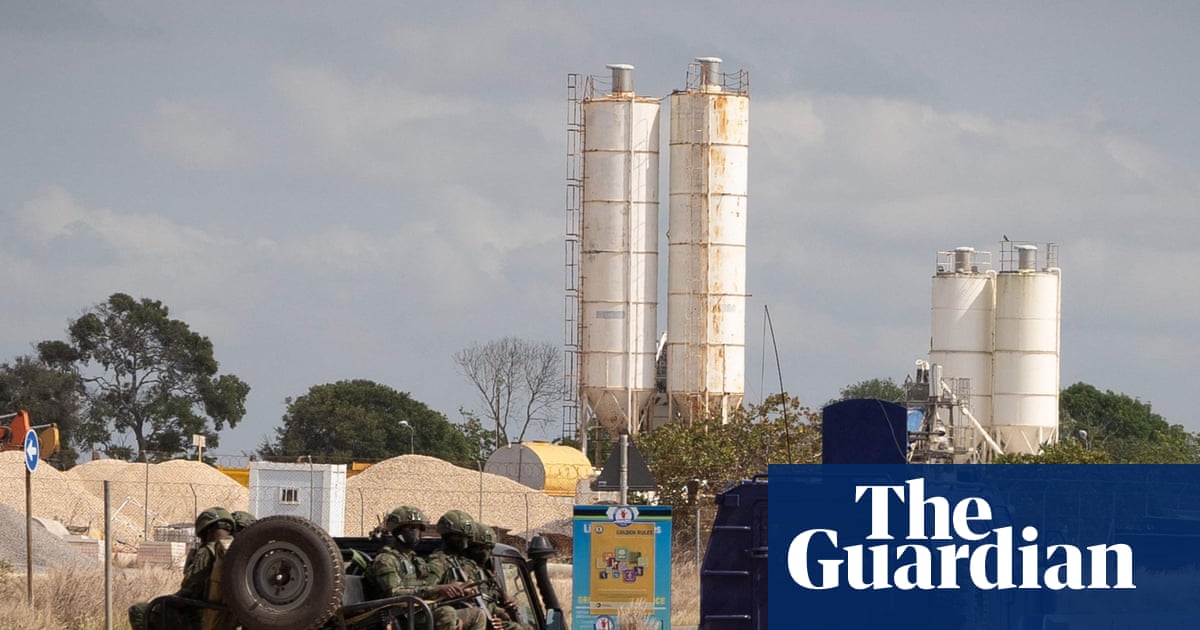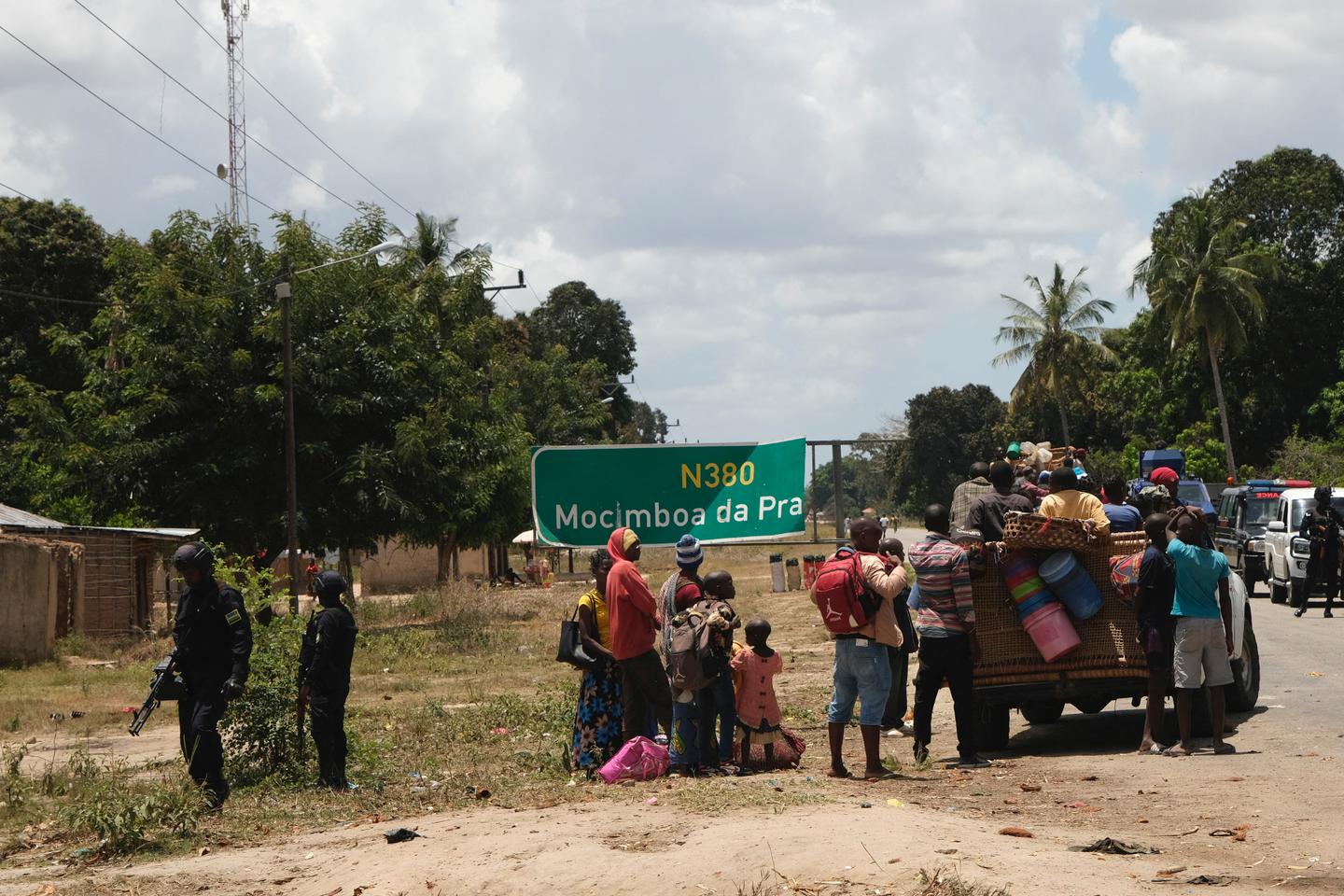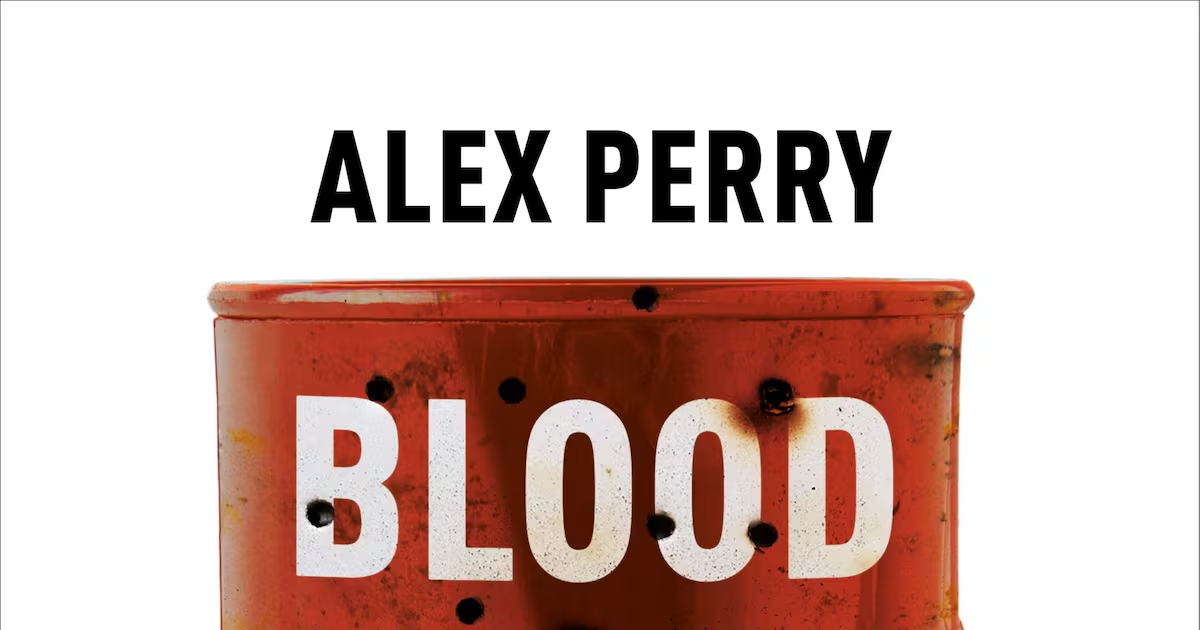
The jihadist-led massacre in Palma, Mozambique, in 2021 was not an isolated act of violence. It was, as journalist Alex Perry argues in his meticulously researched new book Blood Will Flow, the culmination of something far older and far more deliberate: the logic of an extractive industry that has, from its origins, treated human life as an acceptable cost of doing business. “This is the story of the disaster and the business that created it,” he writes.Palma sits on the edge of the Afungi Peninsula, 40km from some of the world’s largest deposits of natural gas — a fact that explains everything about why the world came to Mozambique and almost nothing about what it owed the people already living there. The attack on the TotalEnergies gas plant left 1,452 people dead and 209 abducted (while different reports provide different figures, Perry’s research appears to be the most thorough and accurate), among them 55 of the company’s own contractors. That help did not come, or that it was delayed, perhaps deliberately diverted, is the question at the heart of this book, and Perry pursues it with the kind of forensic tenacity that has defined his career.Perry is not a writer who observes from a safe distance. His portfolio spans decades of award-winning journalism, and his commitment to getting close to the truth has cost him. In 2007, while serving as Time magazine’s South African correspondent, he was jailed in Zimbabwe for working without accreditation, a charge rendered quietly absurd when the court convicted him for being, in the judge’s own words, a “determined and resourceful journalist”. According to his website, Zimbabwe is not the only country that has found him inconvenient. His inconvenience has won him a slew of awards.That instinct, to go where the story is, shapes the architecture of this book entirely. After introducing Palma and grounding the reader in its context, Perry travels back to the origins of the extractive industry, following the money, the ideology and the institutional culture that made what happened in Mozambique not only possible but almost predictable.This takes the reader to Osage County, where the story of profit and greed driving the industry from its first spudding becomes impossible to ignore. The Osage were a Native American nation whose displacement from their ancestral lands placed them, by a peculiar irony of history, on territory that sat atop vast oil reserves. What followed was the systematic exploitation of both the land and the people connected to it, with the spoils flowing decisively in one direction. It is here that Perry locates the founding character of the extractive industry: in his words, defined by “a feverish quest for profit through resolute indifference to others”. It is a damning formulation, and the book earns it. That same indifference, established at the industry’s origins and never meaningfully revised, helps explain how the gas facility in Palma was constructed the way it was, offering the local community limited financial benefit from its own natural resources, and how $50bn in foreign investment, including $1bn from the British government, did not extend to anything resembling adequate protection of the people whose lives and land had been conscripted into the service of others’ profit.The book moves between the structural and the unbearably personal. Perry sits with the families of the deceased and the survivors, reconstructing the massacre shot by shot, and the reader is left with a comprehensive and distinctly human understanding of the lives of those involved. After two days pinned down in the Amarula Hotel, with the realisation settling that no help was coming, 183 people, a group made up of TotalEnergies contractors and civilians, made a break for it in a 17-car convoy. Only 11 cars made it out. Ten people were killed in the attempt to escape.He does not limit his attention to the TotalEnergies contractors. He sits with the surrounding communities, who describe what they witnessed and its aftermath, among them scenes of five decapitated heads (of the 330 beheaded bodies found) arranged around a fire, a cooking pot holding the blood of the dead. The pain that survivors carry lingers on every page.Central to the story is Patrick Pouyané, chair and CEO of TotalEnergies since 2014, whose decisions Perry examines with considerable care. Not only does Perry track his rise in the business, but he takes great care to interview as many sources as possible in a quest to understand how Pouyané’s strategy for the company, combined with his determined, detail-driven management style and the commercial success he delivered, shaped the organisation from the top down.What emerges is a portrait of a company that, despite its deep operational entanglement with the Mozambican military in a region already at war, chose to regard the violence as a local matter, one it bore no responsibility to address.Pouyané has firmly and publicly rejected allegations that TotalEnergies bears any responsibility for the reported detentions, torture and killings of civilians linked to security forces operating around the Mozambique liquefied natural gas (LNG) project site.When the full scale of the massacre became public, the outrage was considerable. Human rights organisations demanded accountability and environmental groups called for the Afungi plant to be shut down entirely. Yet TotalEnergies and the Mozambican authorities declined to acknowledge the true extent of what had occurred. The company’s official position was that all personnel connected to the Mozambique LNG project had been safely evacuated and that the company had gone further still, assisting civilians by keeping the port and airport operational for as long as safely possible. It is a version of events that the survivors, and the families of the dead, tell rather differently.The legal consequences are now playing out in real time: last October, a group of survivors from the Amarula Hotel, with the families of two men who died in the convoy, filed suit against TotalEnergies in Paris, alleging that the company failed to assist in a rescue, actively hindered that rescue, and bears responsibility for involuntary manslaughter.Perry does not allow the reader the comfort of a simple villain. He moves towards the Islamic State-affiliated jihadists responsible for the attack and delves into the complexity of what drove them. Experts identify local and ideological forces at work: the economic and social marginalisation of a poor region suddenly exposed to the dizzying scale of gas-related investment, and the radicalisation that took root around a hardline interpretation of Sunni Islam, though analysts are careful to stress that local grievances, rather than imported ideology alone, are what allowed the insurgency to flourish.This is not a linear story, and Perry makes no attempt to force it into one. He has not focused on a single aspect of the attack but investigated and interviewed across every possible angle. For a reader who wants a well-researched account, grounded in sufficient facts and evidence to allow them to draw their own conclusions, Blood Will Flow delivers.
‘Blood Will Flow’: Mozambique massacre and the cost of human life
Alex Perry uncovers why help did not come to victims after the TotalEnergies attack
1,147 words~5 min read