Soumya, an alumnus of IIM, Calcutta is an experienced director with a demonstrated history of working in the information technology, infrastructure planning for the AEC industry
The international definition for Building Information Modeling (BIM) reads ‘digital representation of physical and functional characteristics of a facility which creates a shared knowledge resource for information about it, forming a reliable basis for decisions during its life cycle, from earliest concept to demolition’. The same is defined by the US National Building Information Model Standard Project Committee.
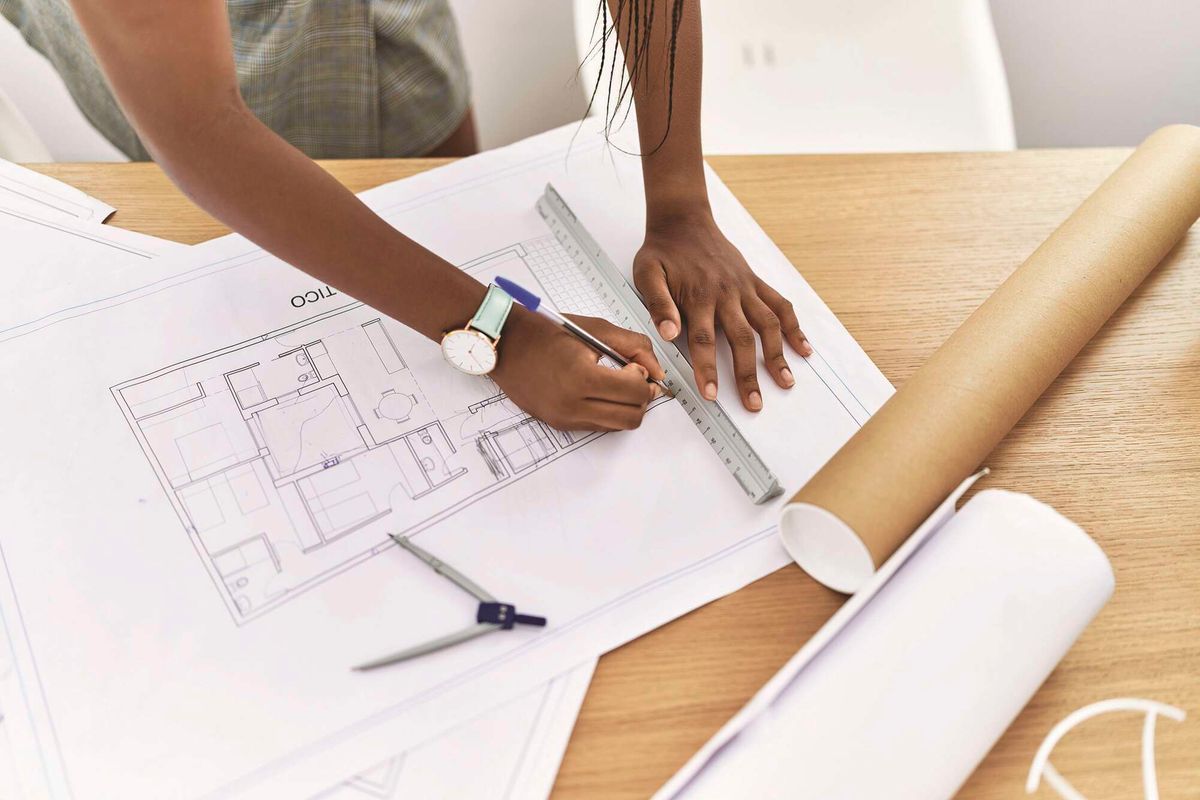
Fundamentally, it is a software driven interface which provides the project delivery team with a 3D virtual visualization of the look & feel of the building to be constructed. The traditional building design was largely reliant on two-dimensional technical drawings (plans, elevations, sections, and others). Building information modeling extends this beyond 3D, augmenting the three primary spatial dimensions (width, height, and depth), including time as the fourth dimension (4D), cost as the fifth (5D), estimation as the sixth (6D) and facility management as seventh (7D).
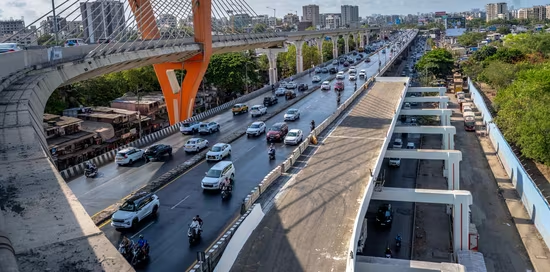
Large scale infrastructure projects are the need of the hour so as to meet the demand of a vast country like ours. We need large residential complexes, mega malls, multispecialty hospitals, multistoried parking, and hypermarkets. Multi-crore investments are involved in such projects, and errors here also cost in crores. Architectural Engineering Construction (AEC) companies face various challenges while executing these large projects. These projects are executed by a team of professionals – architects, structural engineers, service engineers, and various consultants & contractors who may not necessarily work out of one location. The coordination and collaboration between these teams is very important for the success of a large complex project. Today, the industry is limited in the way teams work together and shares information i.e. via drawings. Everyone is working as per their own set of drawings, which most of the time, despite all efforts, do not match, as they might lose a link in the entire cycle. Also, these large scale projects have long gestation periods, which sometimes get executed in multiple phases. During the course, team compositions also change. Due to a lot of reworking and redesigning, there is loss of information in the transition.