By LAWRENCE BOOTH, CRICKET CORRESPONDENT Published: 02:00 BST, 28 May 2026 | Updated: 02:00 BST, 28 May 2026
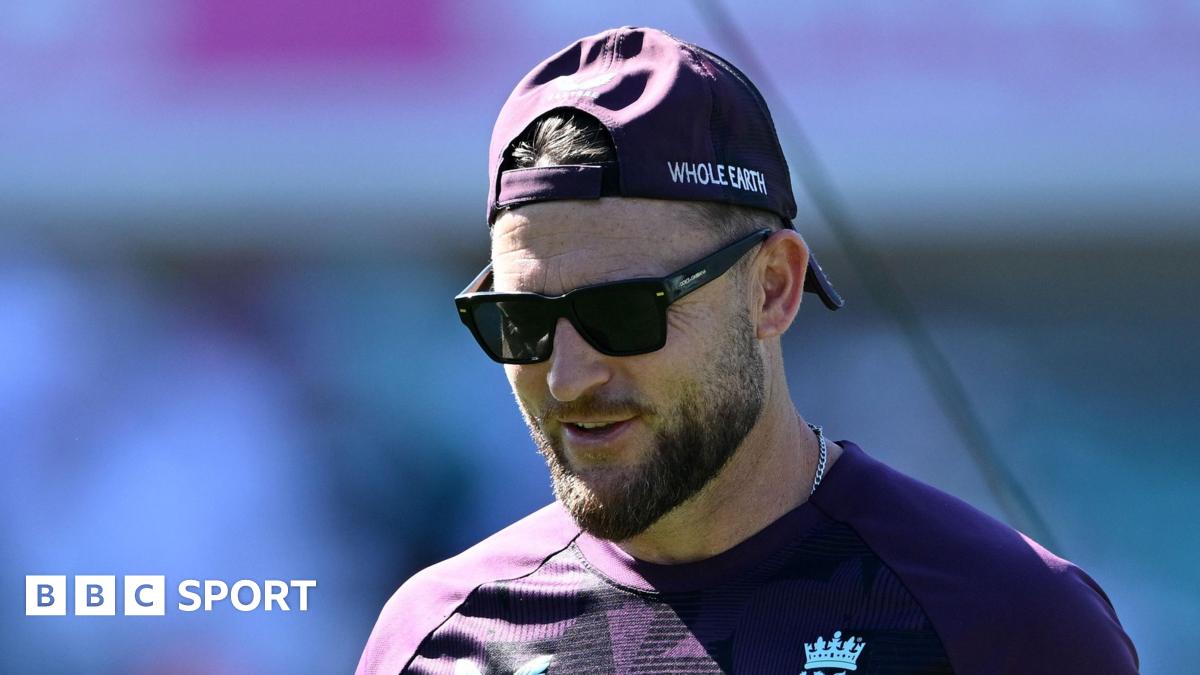
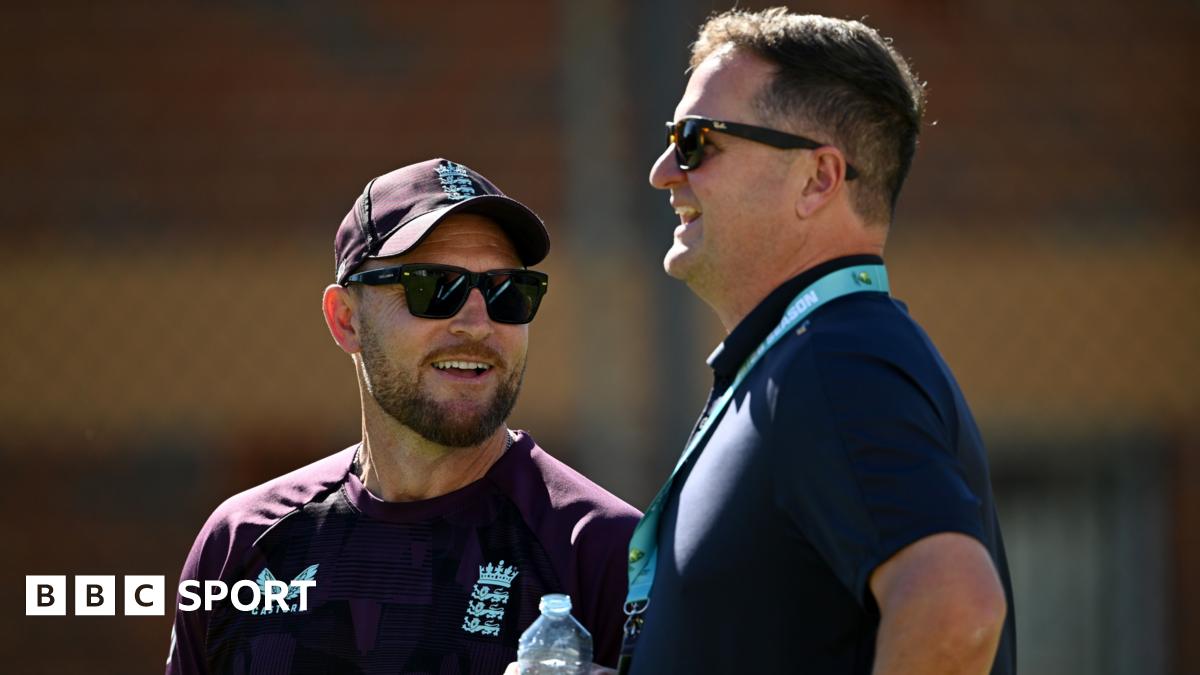
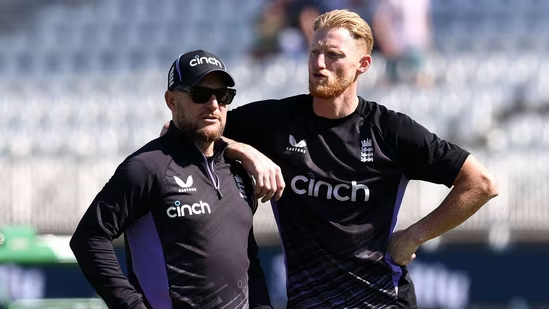
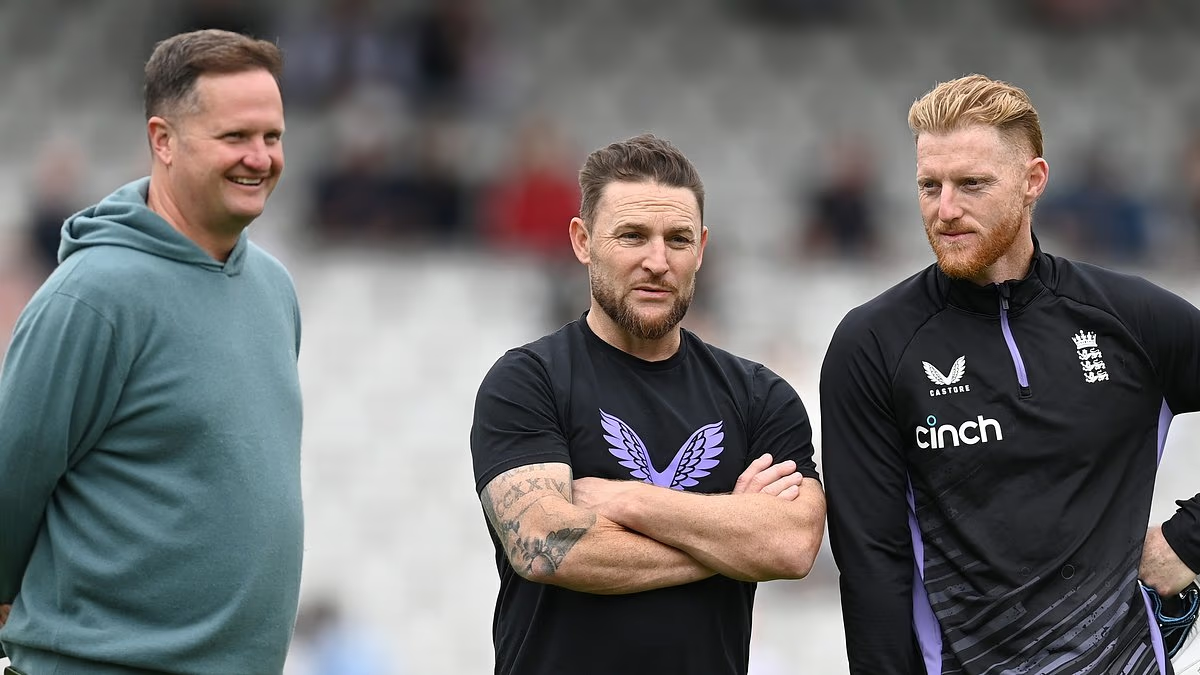
In the five months since England lost in Australia, the chat has centred on one question: will Brendon McCullum change as he enters the final phase of his stint as head coach?To judge by the interview he gave to the ECB website, filmed earlier this week at England's training camp in Loughborough and released online, the answer is simple: not really, no.Two months ago, the ECB chief executive Richard Gould said McCullum had shown the ability to 'adapt and evolve' after the Ashes, singling out his use of walkie-talkies to communicate with the players during the white-ball tour of Sri Lanka.Yet McCullum's 32-minute tete-a-tete with a member of the dressing-room's social-media team was essentially a restatement of the philosophy that has served him since he took the Test job four years ago.There was, it's true, a call to arms, with McCullum insisting that his team's best years 'are in front of us'. But asked how he was going to change his style after the Australia meltdown, he reiterated the message that has been at the heart of England's approach since 2022: 'I firmly believe that positive or aggressive cricket and smart cricket can absolutely exist together.'He added: 'If there's one area we need to improve, it's understanding when games are on the line, what's needed at this point in time? And being able to adapt to that, to fluidly manoeuvre what's required, and do things in a way which sharpens our ability to close games out. Brendon McCullum (centr) has let slip that England will continue their attacking approach'If we do that, then I have no doubt that we'll become a team which wins a lot more of those bigger series than we have so far.'Close observers of the Test team will recognise the sentiment, even if it has usually been phrased in terms of knowing when to apply pressure and when to soak it up. Ben Stokes went blue in the face trying to make this point during the Ashes, while admitting his team were better at the former than the latter. McCullum's observation, then, is not new.He did outline three basic principles that sounded fresh. But closer inspection suggested more repackaging of old wisdom: the team should play with an identity; the players should play according to their own strengths; and the dressing-room should remain calm.There were references to 'refinement' and 'sharpening', but then there always have been. As for his relationship with Stokes, there had been no clear-the-air talks because there was 'nothing to clear the air about'.None of this should come as a surprise. One of McCullum's last public utterances in Australia in January was: 'I'm open to evolution and some nipping and tucking, but without being ultimately able to steer the ship, maybe there is someone better.'In other words, he likes to do things his way – a conviction coach who feels the main problem has been 'probably a slight misunderstanding of what some of the messaging from us is'. Finesse the messaging, he believes, and England can prosper once more.This isn't ludicrous, even if it will infuriate many. England have lost only three of 12 full Test series since McCullum took charge, while Stokes's win percentage of nearly 55 per cent is higher than any England captain since Mike Brearley.But the public are itching for evidence that lessons have been learned from the Ashes drubbing, and may eye with suspicion McCullum's claim that he expects to see Zak Crawley and Ollie Pope 'again in English colours'.For all the expectation of a fresh start, of Bazball 3.0, the reality is that McCullum was never going to change, not deep down. The reference to walkie-talkies suggests the ECB knew that too. The fascination this summer will lie in whether the same message can deliver different results.