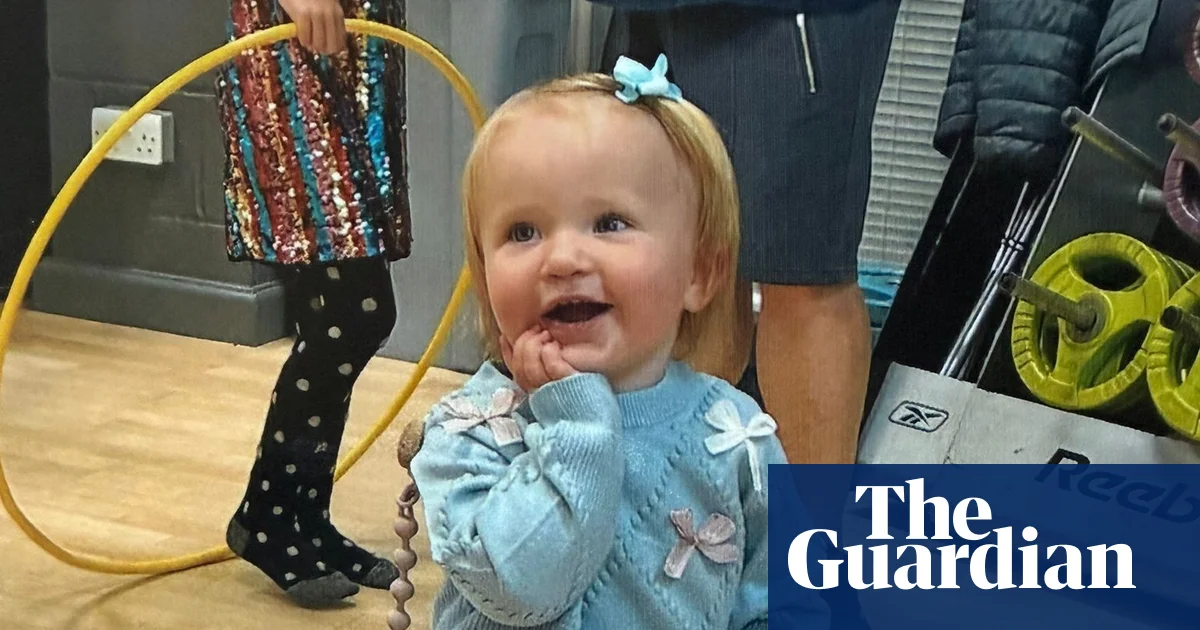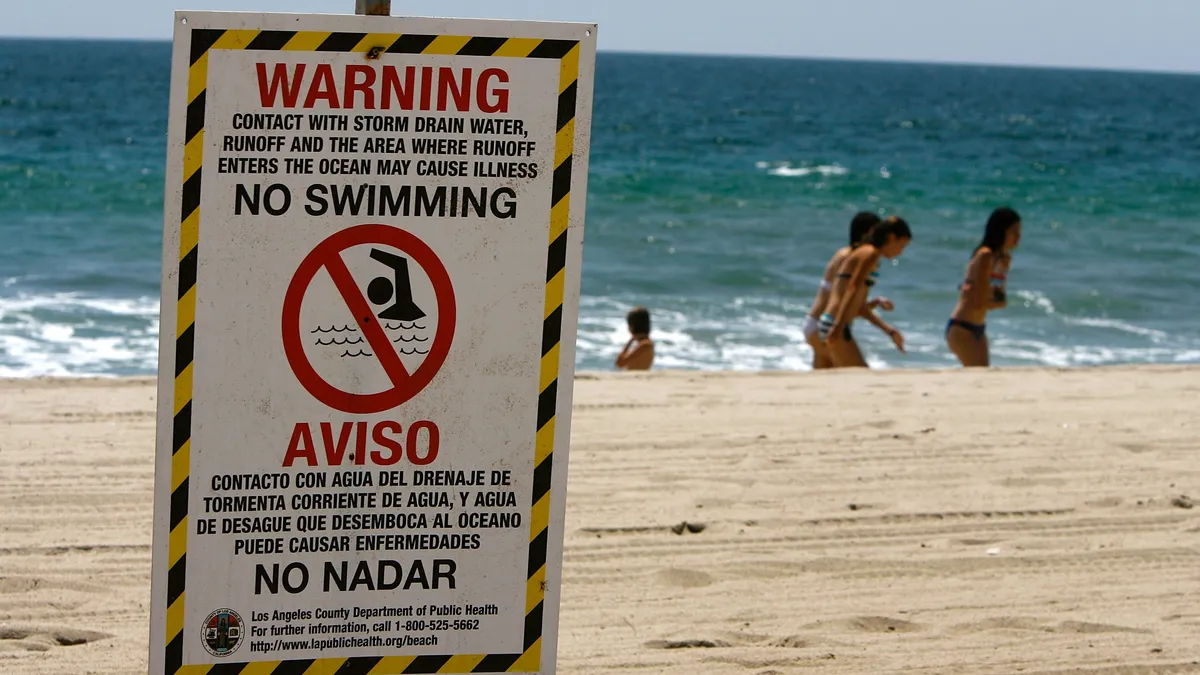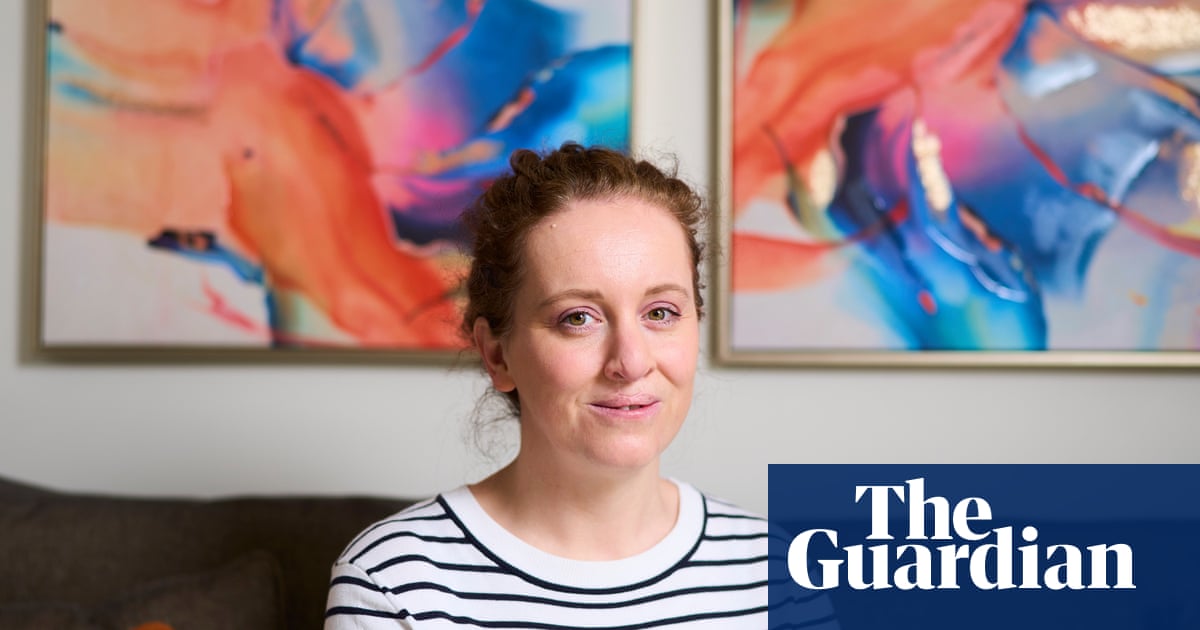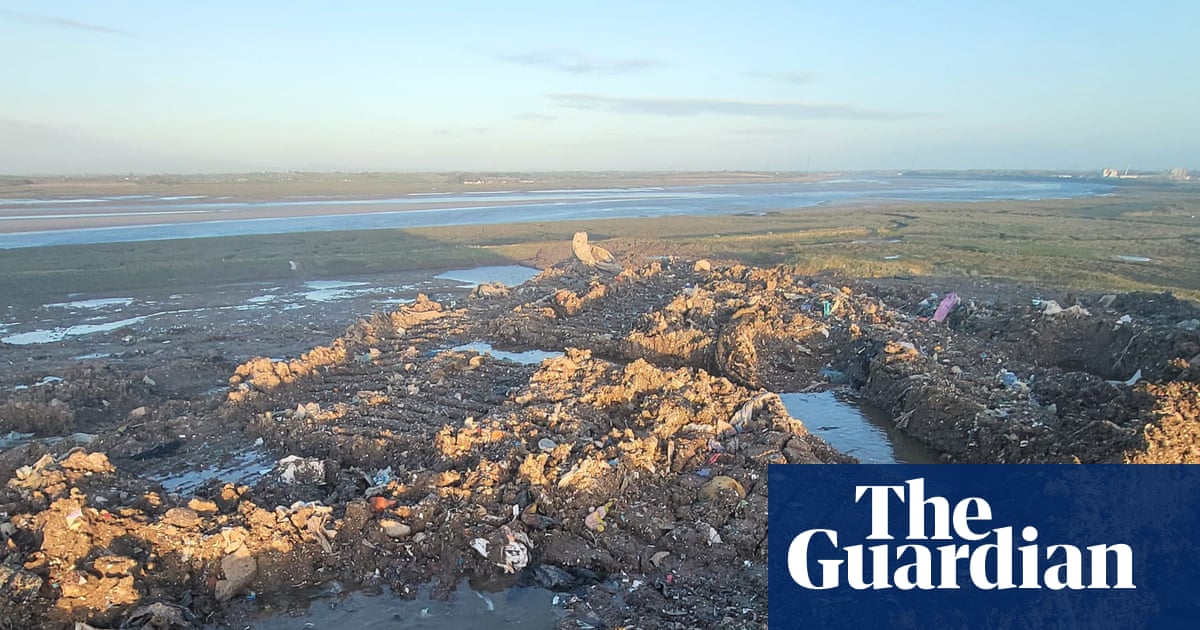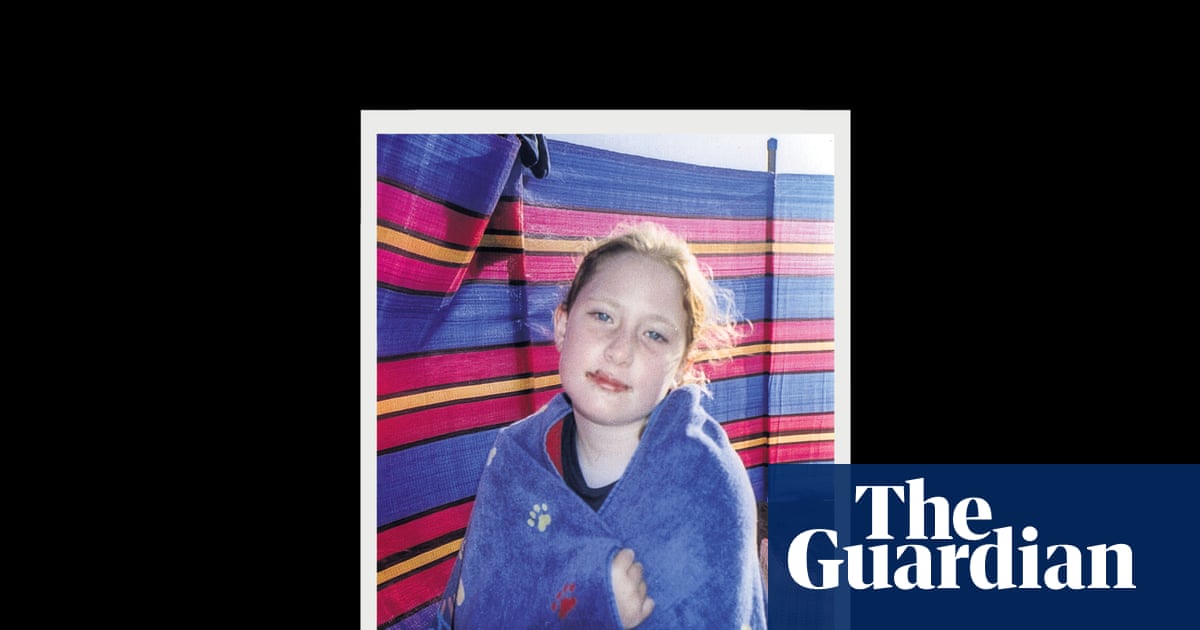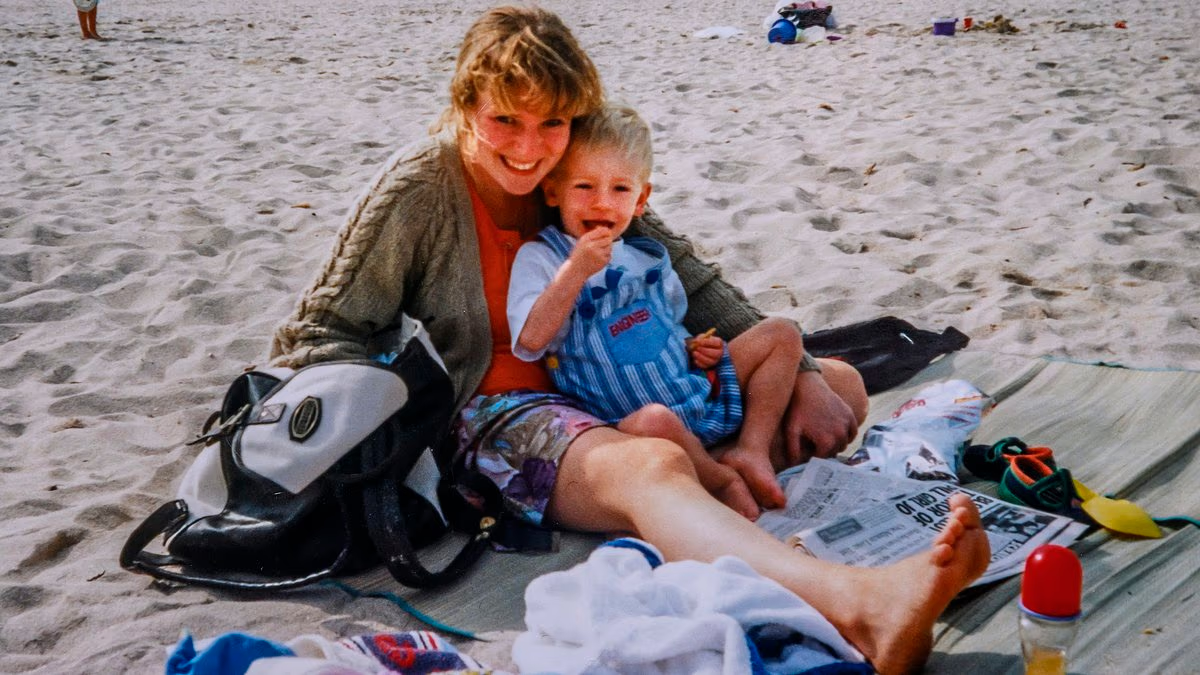
Rachael Bell will never forget the day 30 years ago an environmental health officer visited her home in Morecambe Bay. Her two young sons, Matthew and Tom, were in bed, horribly sick with E.coli O157, the most dangerous strain of the pathogen.Six other local children had fallen ill with it too. Was it an ‘outbreak’ or just a coincidence, a rare unrelated cluster?The health officer from Lancaster City Council was there to identify how Rachael’s sons may have been infected.‘He was very formal, abrupt, carrying a briefcase,’ says Rachael, who is now 61 and still living in that same seaside cottage.E.coli O157 can be spread in many ways – including via human sewage, animal faeces, undercooked food and contaminated surfaces. The health officer had a list of questions about what her boys had eaten, where Rachael shopped and how she prepared food. He inspected her kitchen and the inside of her fridge. Rachael had to demonstrate how she washed her hands.‘He was asking about basic kitchen skills as if I was a bit simple,’ says Rachael, who now works as a cook and housekeeper.‘I asked him, “Could it have come from the beach?”’ This was the start of September, and they’d spent the summer in and around the sea. Just days before, they’d been on beaches in both Blackpool and Morecambe.The health officer’s reply will stay with her forever. ‘E.coli can’t survive in water,’ he told her. When Rachael Bell asked an environmental health officer if her children's E.coli could have come from the beach, he said no (Pictured with her son Matthew, who died in 1997) ‘For all these years, because of that health officer, I’ve believed it was because of something I’d done wrong,’ says Rachael in a heartbreaking confessionAlthough Tom recovered – he is now 29, a musician – Matthew didn’t. The toxins produced by the E.coli led to a rare form of kidney failure, haemolytic uremic syndrome (HUS). On October 25 1997, a few weeks after that health officer’s visit, Matthew Bell died just shy of his fourth birthday.‘For all these years, because of that health officer, I’ve believed it was because of something I’d done wrong,’ says Rachael.The other ill children recovered – although one needed dialysis – and the link between the cases was never explained. There was nothing that all the children had eaten, no shop or food outlet they had all used. It was only this year, watching Dirty Business, the Channel 4 factual drama starring David Thewlis and Jason Watkins, that Rachael realised she hadn’t been told the truth.E.coli can survive in water – up to 91 days. And even in 1997, campaign groups such as Surfers Against Sewage were pointing to the danger of water company policy that saw raw sewage released straight into our waterways.As the heatwave continues, with the half term holiday stretching ahead, hundreds of thousands of Brits will flock to the beach. But just how safe is the water?Last year, water companies dumped raw, untreated sewage into our rivers and seas more than 300,000 times. Data shows there have been 6,000 cases of illness, including stomach bugs, eye infections and E.coli, since 2019, linked to swimming in official UK bathing spots.Early data on 2026 suggests the situation is escalating. According to Surfers Against Sewage, in the first 11 weeks of the year, water companies have already discharged more than half of 2025’s total. One hundred and seventy one locations have experienced pollution lasting longer than a week and in just three months, well before peak season, 164 people have reported illness after being in the water.The beautiful golden sand at Blackpool North Beach might look inviting, but the environment agency currently advises against swimming there, with dangerous levels of E.coli found in the sea in 2025. (In 1997, before official monitoring of sewage spills began, Rachael’s boys swam from this very beach.)Last year, not a single beach in the North West was awarded a blue flag for water quality and cleanliness.Viewers of Dirty Business will not be surprised by this. The drama starred Thewlis and Watkins as real-life ‘sewage sleuths’ retired Detective Superintendent Ash Smith and university professor Peter Hammond, Cotswolds neighbours, who uncovered sewage dumps by water companies on an industrial scale.Weaved through the drama is the heartbreaking story of eight-year-old Heather Preen from Birmingham, who contracted E.coli O157 during a seaside holiday in Dawlish Warren, Devon.Like Matthew Bell, Heather died from HUS. There had been six other primary cases of E.coli infection in Dawlish at the time – but again, no source was identified.For Rachael, watching the drama plunged her into shock.‘I couldn’t believe what I was seeing,’ she says. ‘Heather died in 1999, two years after Matthew, and it was all exactly the same. I felt like I’d been had.’Rachael isn’t the only person who is looking at the most devastating time in her life with fresh eyes. Other families are now asking if sewage spills might have caused the E.coli infection that led to their hospitalisation.‘For 30 years, the questions have never gone away,’ says Rachael. ‘Now I want answers.’Determined to discover if her son had been exposed to a sewage spill, she has requested his medical records and is keen to hear from the other Morecambe families in the 1997 outbreak.‘Sewage spills are still happening,’ she says, ‘and people should know that E.coli might not just be a bit of sickness and diarrhoea. Everyone should understand what ordinary families stand to lose.’ There are two parts to Rachael’s life, as she sees it. Life before Matthew, and life after.She was 29 when her first son was born and had been with his father, Stuart, a painter-decorator, for more than ten years. Their second son, Tom, came along 19 months later, and Rachael left her job as a quality control engineer to be a full-time mum.‘It’s so difficult to describe Matthew as he was everything to me,’ she says.‘He was a character, a comic, the wise big brother. He loved all the superheroes, but he was also gentle. He picked me flowers.‘When Tom was starting to walk, Matthew would surround him with cushions so Tom wouldn’t hurt himself if he fell. I can still hear his voice guiding his brother, saying, “Do it like this Tom!”’In the year Matthew died, Rachel and Stuart were separating, but still close. Stuart was an involved father.‘We packed everything into that summer, we were out every day,’ says Rachael. They went to local beaches, walked on the front, swam and paddled in the sea, fished in rockpools. The year that Matthew died, the family had spent a great deal of time at the beach (Pictured: A packed beach in Devon during this week's heatwave)When Matthew told Rachael he had ‘belly ache’, she hoped Calpol and sleep was all he’d need. Two days later though, his diarrhoea contained blood and she called the night doctor. He came, ruled out appendicitis and left.Matthew saw doctors many more times – Rachael and Stuart even took him to A&E only to be discharged with a leaflet on gastroenteritis. Meanwhile, Matthew’s diarrhoea worsened, he was weak, in pain, unable to wee, his eyeballs developed a yellow tinge and he was vomiting too.‘He’s telling me he’s dying,’ Rachael told one GP, who assured them he wasn’t. ‘He’s been watching too much television!’ the GP told them. (Rachael later found out this GP wrote ‘over-anxious mother’ on Matthew’s medical notes that day.)At some point in all this, a stool sample was taken – and it was only when Rachael rang for the results three days later that a nurse informed her it was positive for E.coli O157. Rachael was shocked. The previous year, there’d been an outbreak in Scotland killing 21 people. (The contamination was traced to a butcher’s shop.) She asked the nurse, ‘Isn’t that what killed all those people in Scotland?’‘I’ll never forget her answer,’ says Rachael. ‘You remember these sentences like they’re written on the back of your head.‘She said, “I don’t know. It doesn’t mean a lot to me.” ’ The nurse had no advice to give.As more local children were becoming ill with E.coli at the same time – and after eight days, Tom also had vomiting and bloody diarrhoea – it was decided they would not be admitted to hospital but managed at home.People react to the pathogen in different ways. Often, in adults, there are only mild symptoms or none, and most people recover with no lasting damage. For children and the elderly though, there’s a greater risk of serious illness and in rare cases, death.Antibiotics are not effective for E.coli, but close monitoring and regular blood tests could have shown that Matthew’s kidneys were starting to fail. Ten days into his illness, he was finally admitted to the Royal Lancaster Infirmary, then quickly transferred to the Alder Hey Children’s Hospital in Liverpool for dialysis.At first, he made excellent progress. ‘He was perking up, chatting away, missing his pals,’ says Rachael. Matthew asked his mum to tell him about ‘happy things’.A fortnight earlier, Rachael had secretly bought him a Peter Pan outfit in the Blackpool Disney store for his December birthday. ‘We hung it at the bottom of his hospital bed and he couldn’t wait to wear it,’ says Rachael. ‘We thought he was getting better.’But it was not to be. The toxins that had attacked Matthew’s liver were multiplying in his brain, and days later, he began to jerk strangely, almost fitting. A brain scan followed, then Matthew was moved to intensive care in an induced coma. He died 40 days after first becoming ill.Only then was Rachael able to dress him in his Peter Pan suit. She carried him herself to the hospital’s Chapel of Rest.‘I blamed myself,’ says Rachael. ‘I swear I only fed Tom bananas for a month as I was scared anything I cooked would be infected.‘People visited and warned their children not to touch anything [in the house, in case they were infected] – and I don’t blame them. I’d have done the same as there were no clear answers. I’d been told E.coli can’t live in water – but was it the sea all along?’The Ebbage family in Nottingham are asking the same question. In August 1993, they had been on holiday in Teignmouth, Devon, close to Dawlish, where Heather Preen later became ill. Within days of returning home, Catherine, eight, and Martin, three, were ill with vomiting and bloody diarrhoea. ‘They were just wasting away,’ says Christine, their mum, now 69, who still cries to remember it. ‘Over ten days, we had eight doctors’ visits.’ Although they were first diagnosed with gastroenteritis, the children were finally admitted to Nottingham City Hospital.‘They were side by side in two beds in intensive care,’ says Christine. ‘Two weeks previously, they were on a beach cartwheeling and fighting each other, and now they were lifeless, wired up to every tube going.’ Tests showed they had E.coli O157. Christine and husband Stephen were taken aside and told that the children were both in kidney failure and to prepare for the worst. While Catherine was given dialysis, Martin was judged too weak for it. Incredibly, both survived. Martin, 36, is now Head of PE at a secondary school, and Catherine, 41, works for a construction company as a sustainability lead. All this time, they’ve never understood where the E.coli came from.In response to their case a South West Water spokesperson said: ‘We are sorry to hear someone has been unwell, and understand why people who spend time in the sea feel strongly about water quality. However, we are not able to comment on individual cases.‘It’s important to be clear that storm overflows are designed to operate during heavy rainfall to protect homes from flooding, and when they do operate they are typically more than 95 per cent rainwater. Even so, reducing their use is a priority and remains a major focus of our investment programme.’According to Surfers Against Sewage, in the first 11 weeks of this year sewage was discharged into bathing waters across the UK for 69,000 hours.When the Ebbage family were in Teignmouth, South West Water still relied on regular raw sewage dumps from 250 outfalls.The first attempt to rectify this and modernise treatment was completed the following year, in 1994. (Although it still didn’t treat sewage with ultraviolet disinfection, the guaranteed method to neutralise E.coli that was later recommended by the coroner at Heather Preen’s inquest.)In Lancaster too, at the time of Matthew’s death, the water company United Utilities (UU) was overseeing a massive overhaul. Until then, sewage was discharged twice daily, less than 1 kilometre from the coast, but under the Sea Change programme, it was treated and discharged further out to sea.In Morecambe, this new system was completed a few months before Matthew was infected. ‘With all these huge new projects, there would be snagging, new pipes leaking, and, in times of rain or overload, there are still going to be discharges,’ says Chris Hines of Surfers Against Sewage.In fact, last year the two biggest offenders were South West Water, responsible for 407,006 hours of sewage spills, followed by United Utilities, with 327,453 hours.In response to Matthew’s case, a United Utilities spokesperson said: ‘The death of a child is heartbreaking, and our thoughts are with the family. While E.coli can be contracted from a range of sources and it is impossible to know what caused this tragic case, we share the public’s concern about water quality in bathing areas.‘That’s why we are investing £95million in further upgrades along the Fylde coast by 2030, on top of the £700million invested over the past 30 years, ensuring that we are now treating more wastewater than ever before, to the highest ever standards.’Meanwhile a £760 million scheme to cut sewage spills in the south west is underway and expected to finish by 2030 – though critics say it’s still not enough.And, as the nation heads to the coast, the question still remains: are the seas really clean enough for our children to swim in?
With swathes of sewage pumped off our coasts, how safe is the seaside?
Rachael Bell will never forget the day 30 years ago an environmental health officer visited her home in Morecambe Bay. Her two young sons, Matthew and Tom, were in bed, horribly sick...
2,342 words~11 min read