See more Daily Mail on Google - save us as a Preferred SourceBy GETHIN HICKS, REPORTER Published: 23:40 BST, 27 May 2026 | Updated: 01:39 BST, 28 May 2026
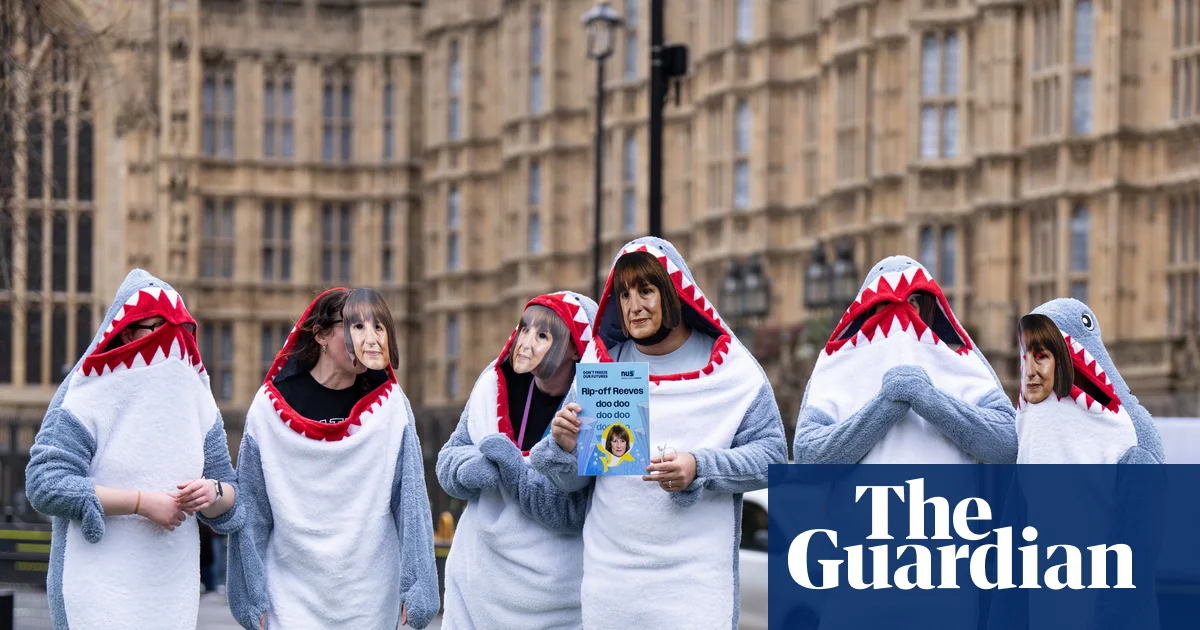
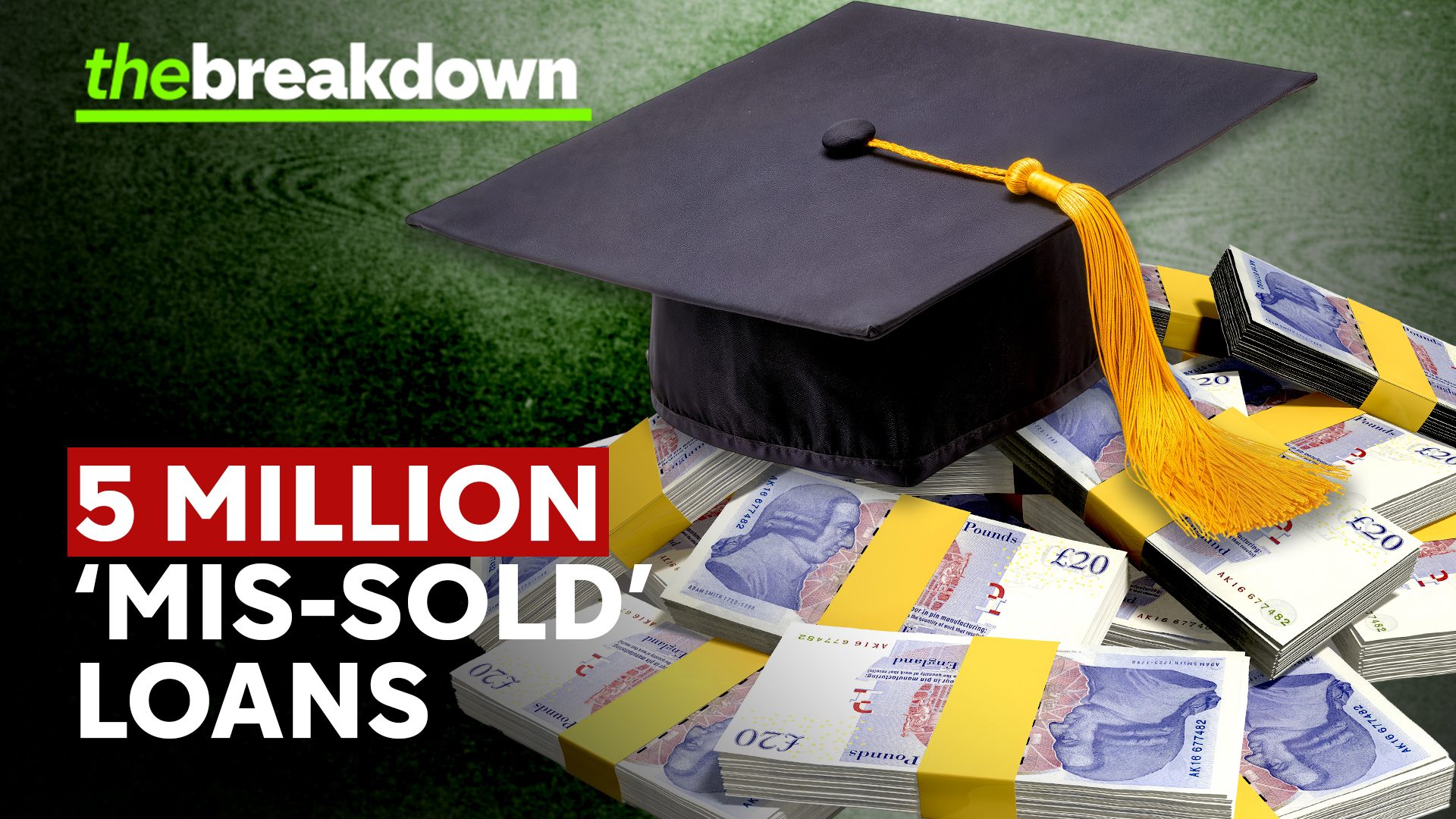
Thousands of graduates have told a parliamentary inquiry that they did not know what they were signing up for when they took out student loans. The inquiry launched by the Treasury Committee is examining whether repayment terms are 'reasonable' for students after graduation. More than half of the 52,000 people who responded to the committee's call for evidence said they did not understand what they had signed up for - and 45,843 argued the repayment terms are unfair. Some 25,191 of the respondents, meanwhile, said they would not take out a student loan if they could have their time again. That's despite most admitting they would not have been able to study at university without one. The inquiry was launched following controversy over Plan 2 loans, which were issued in England in September 2012 and July 2023 and are still issued in Wales. The plan sees graduates pay back 9 per cent of their earnings over the current £28,470 repayment threshold - though respondents describe this as unfair. The government announced in April that interest on student loans would be capped at six per cent in the next academic year to protect graduates who could have suffered from inflation caused by the war in Iran. Campaigners were in support of Labour's move, but called for wider reforms on the higher education system. Thousands of graduates have told a parliamentary inquiry that they did not know what they were signing up for when they took out student loansShadow education secretary Laura Trott said at the time: 'Labour are tinkering around the edges, while graduates will still be paying interest above inflation.'These proposals do not go far enough and they confirm Labour have no serious plan to stop graduates being ripped off.' The committee overseeing the ongoing inquiry stated that there is a strong perception that 'poorer and middle-income' graduates repay the most over their lifetime. It also states that repayments 'directly reduce mortgage availability', leaving graduates struggling to buy their own homes.One respondent complained: 'It's fundamentally unfair that students with wealthy parents can be bought out of paying interest on their tuition fees entirely. 'If I am on the same salary doing the same job as a wealthy graduate who paid upfront, I will pay far more for far longer compared to them.' Another said: 'I was told it would be less than a phone bill and barely noticeable.'I am now an adult paying back £100s a month. It was a complete lie. It's reduced my mortgage affordability, the amount I am able to invest or spend in the economy.'The chairwoman of the committee, Dame Meg Hillier, said the 'massive scale and strength of frustration and upset' amongst graduates is powerful. 'Unfortunately, what these findings tell us is that far too many young people feel over-burdened and demoralised by their student debt,' she said. The committee will consider a range of options before it makes a recommendation for change. It is expected to report back later this year. A spokesperson for the Department of Education said: 'We have taken steps to make it fairer - including raising the repayment threshold for the first time since 2021 and capping maximum interest rates this year to protect graduates from rising costs.'The student finance system protects lower-earning graduates, with repayments linked to income and any outstanding balances and interest written off at the end of repayment terms.'