The Senate now has roughly a half-dozen Republican wild cards. That could spell big trouble for Trump.Show Caption
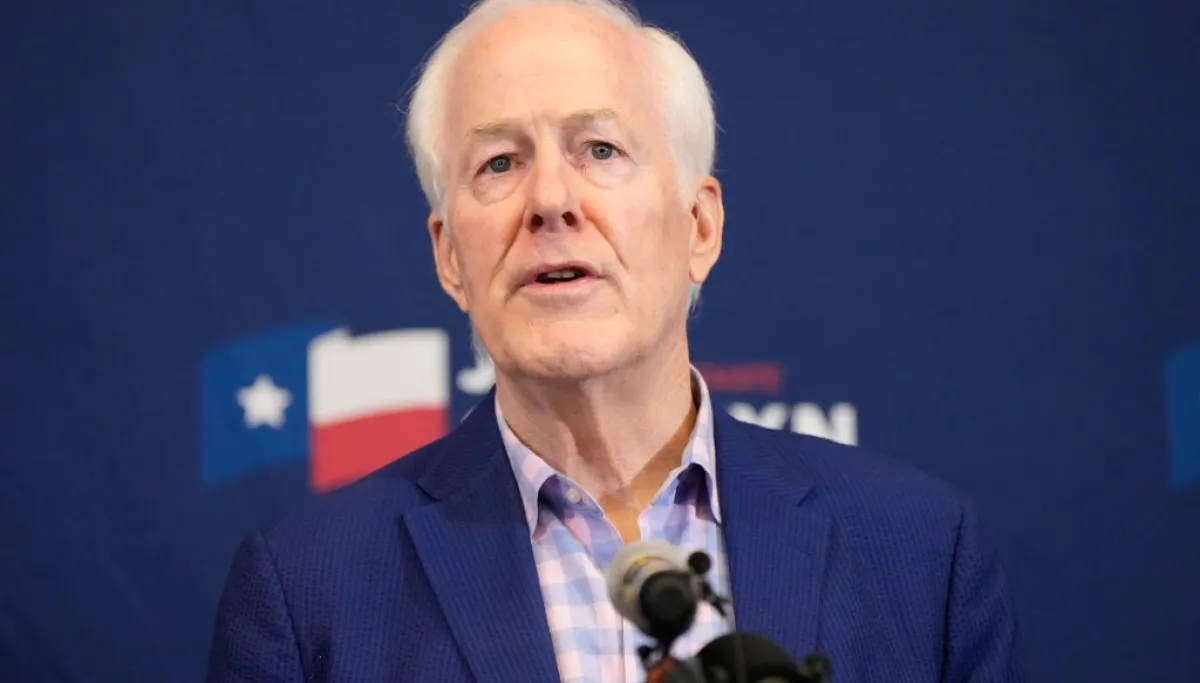
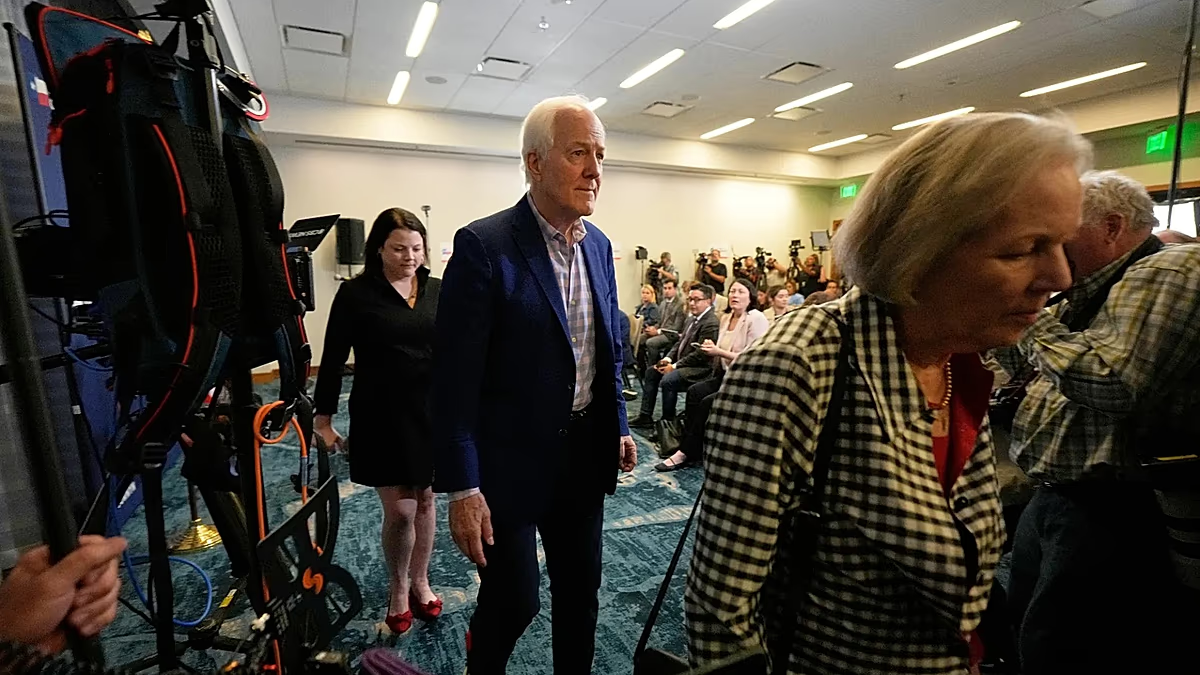
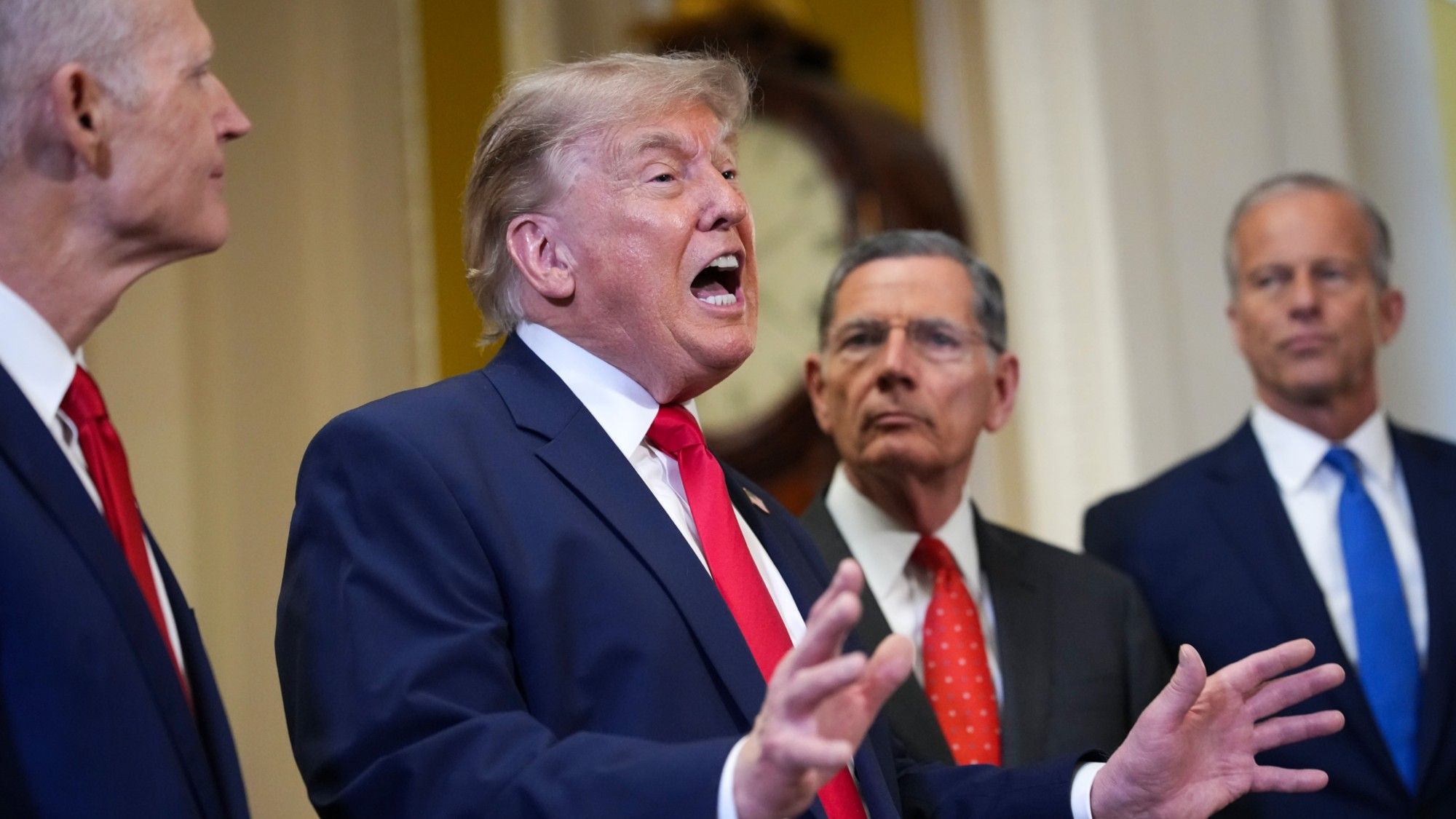
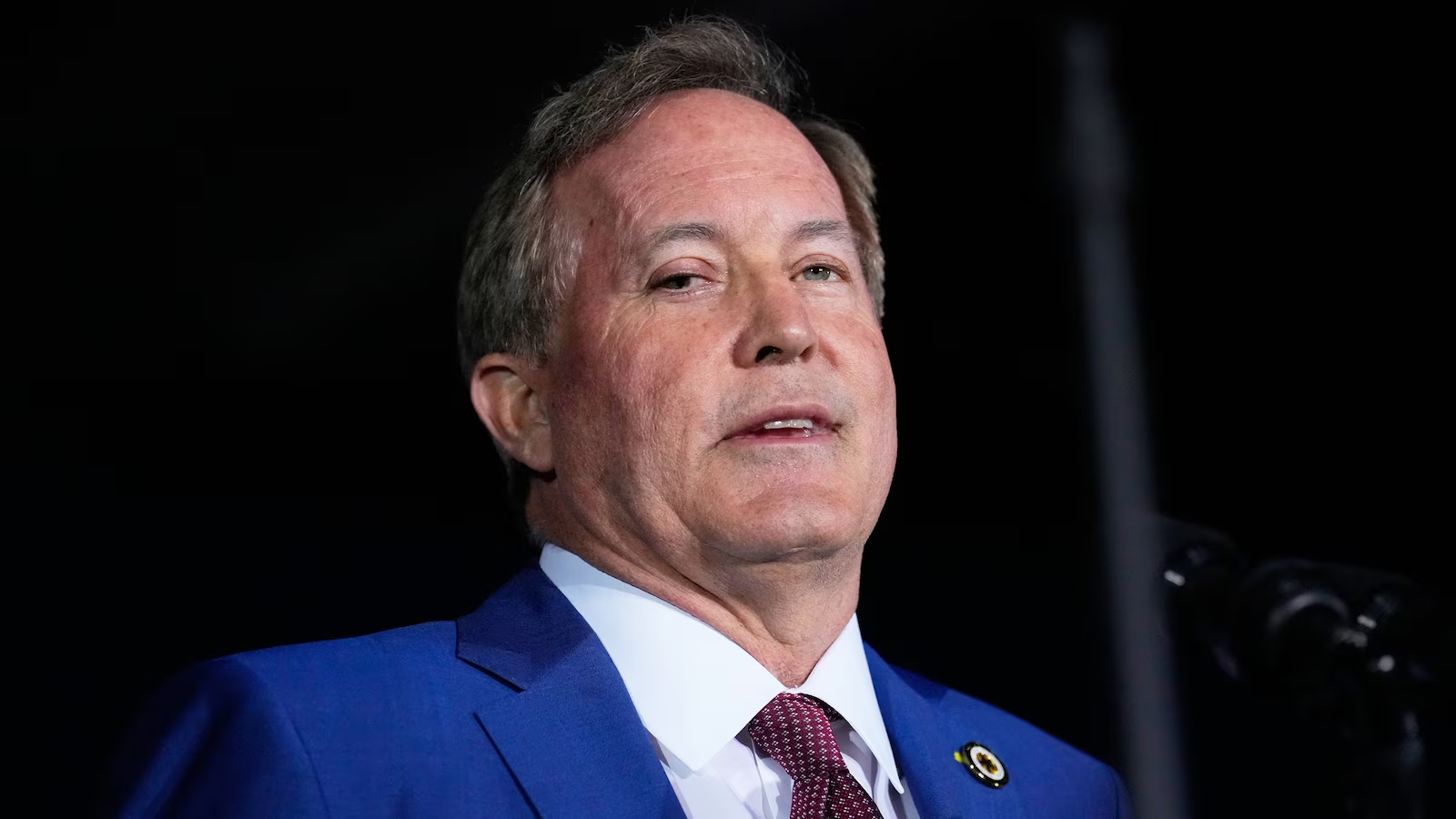
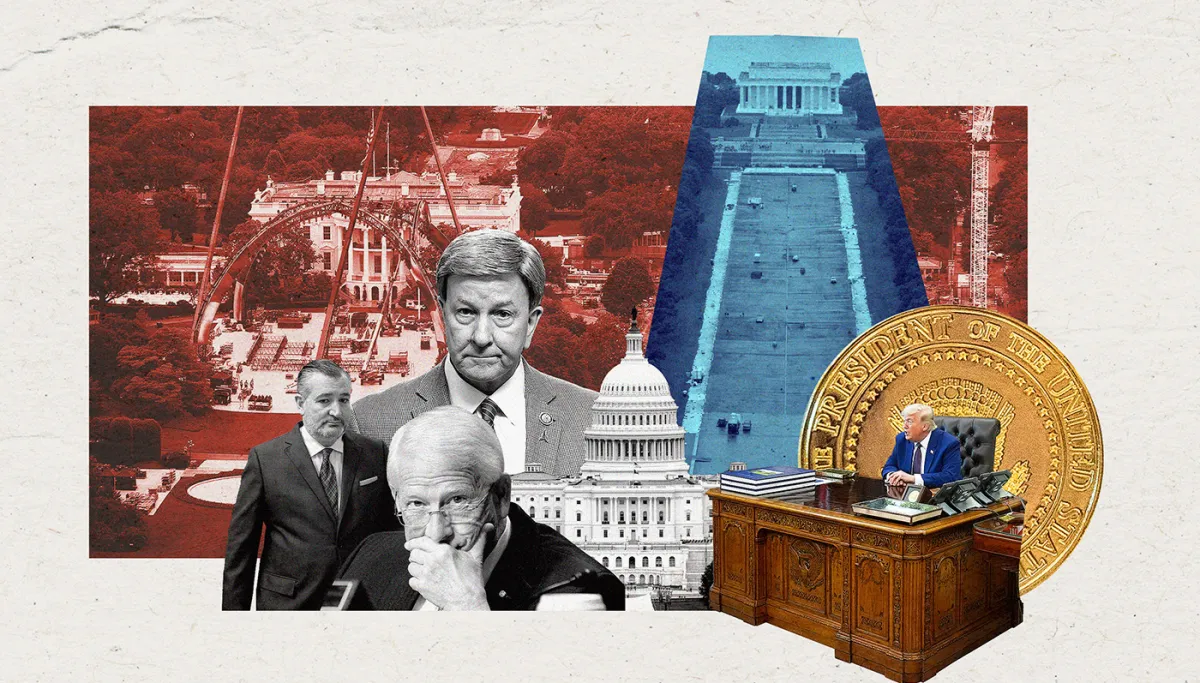
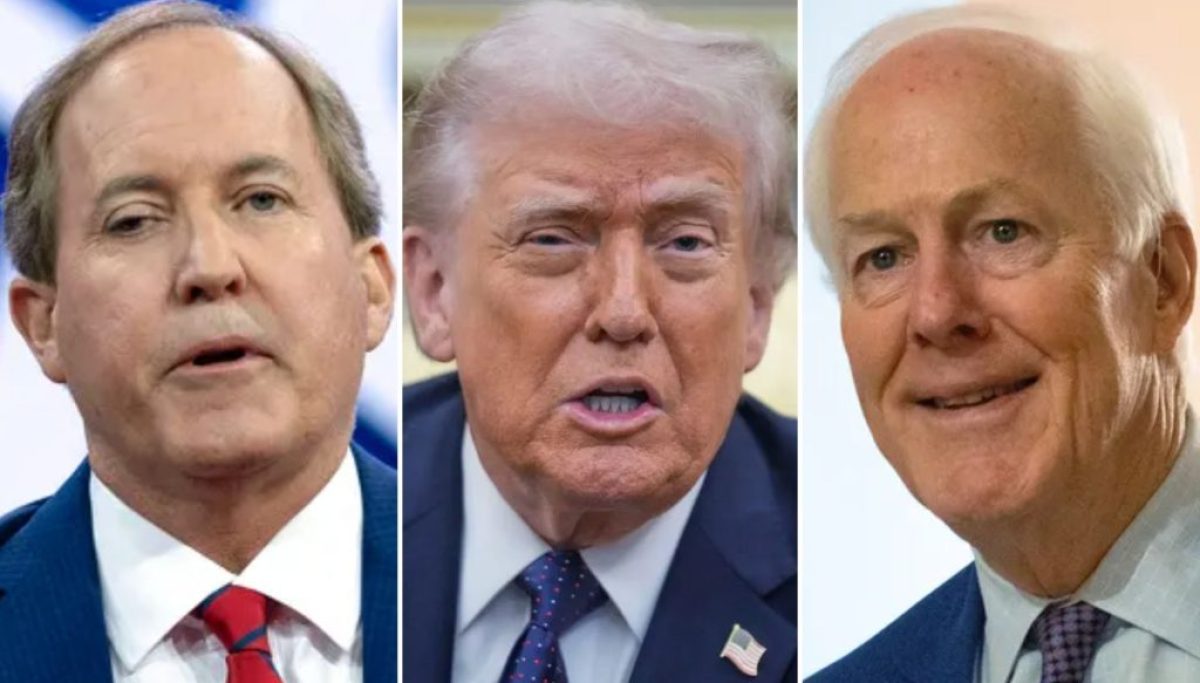
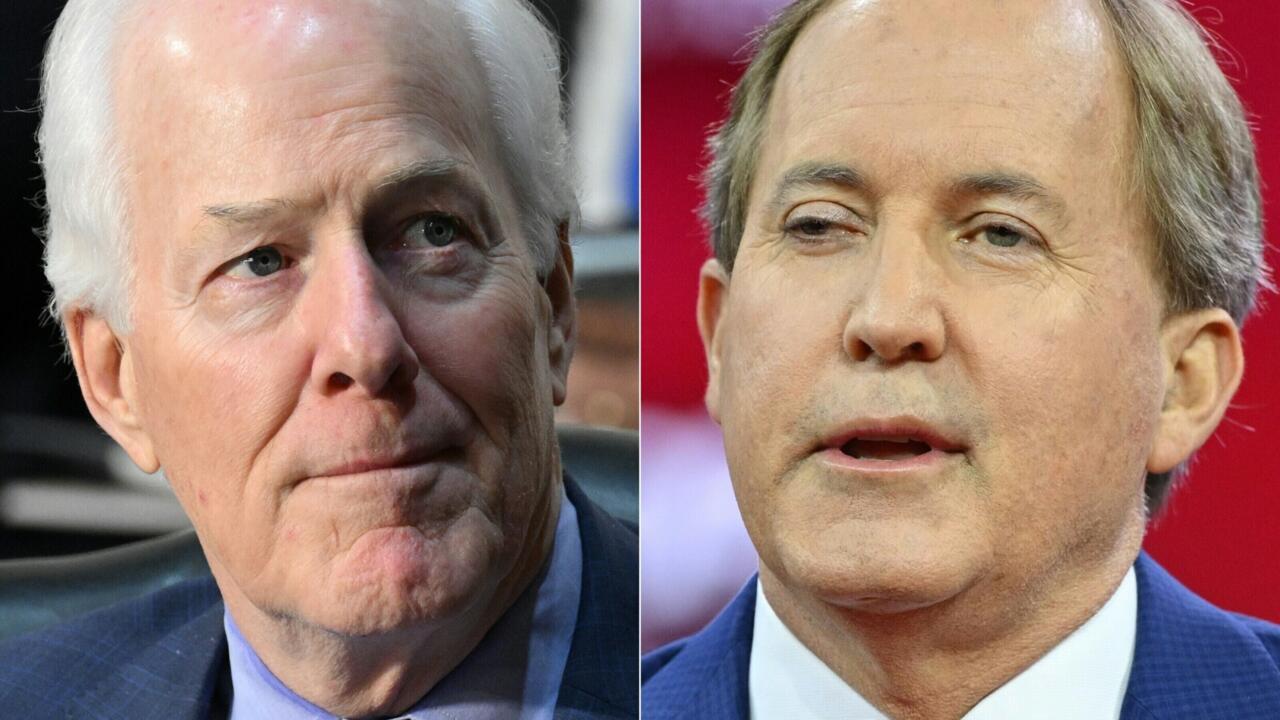
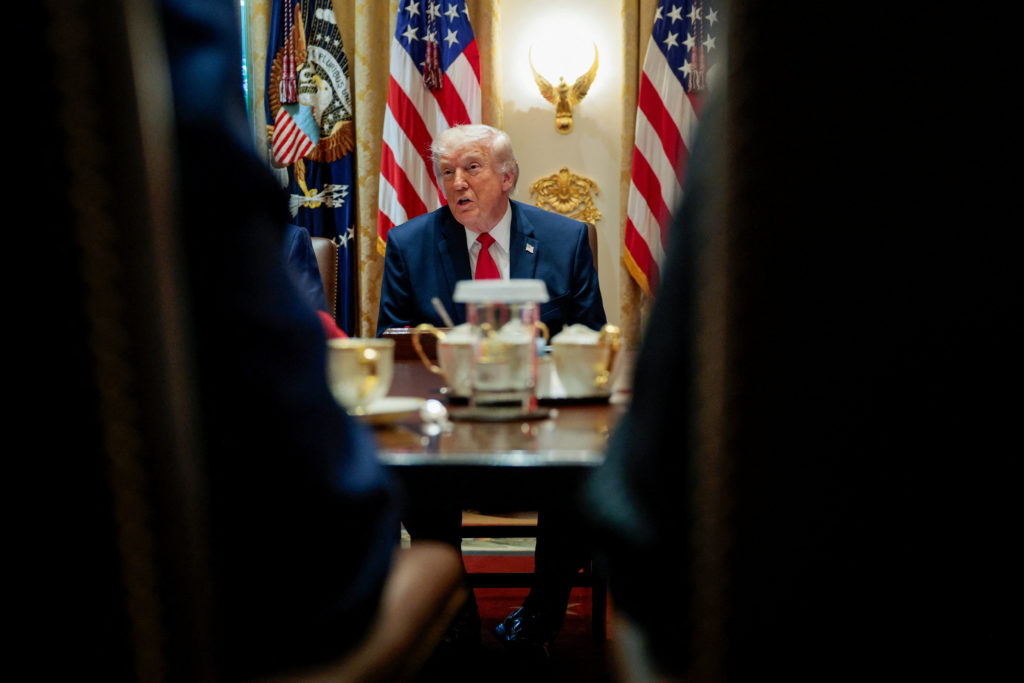
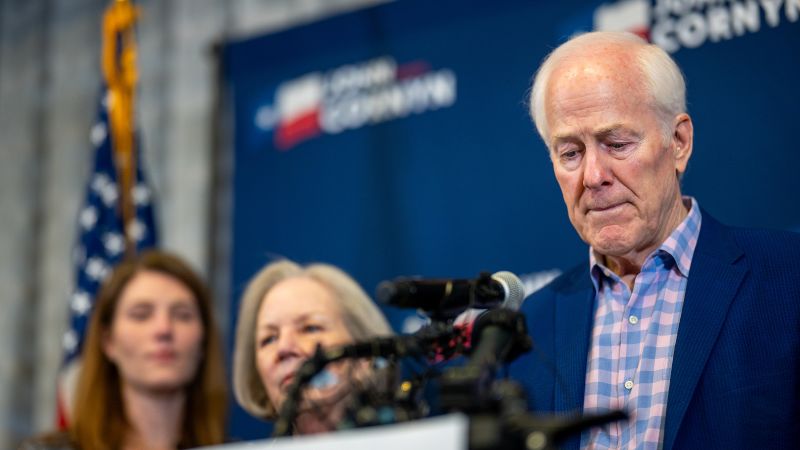
WASHINGTON – Texas Sen. John Cornyn's bruising election loss showed President Donald Trump is as dominant as ever in the Republican Party.It also underlined another harsh political reality: His era with near-total control over a fully functioning majority in the Senate may already be over.Intent on political retribution against several longtime lawmakers, the president in recent weeks decided to create two new wild cards within the Senate GOP ranks by essentially ending their congressional careers. Both Cornyn and Sen. Bill Cassidy have since become lame ducks, and it's anyone's guess how often they'll buck the White House on its legislative priorities between now and the midterm elections.Case in point: Days after Trump successfully pushed Cassidy out, the Louisiana Republican flipped his vote to support an end to the Iran war.Add the Cornyn-Cassidy pair to the list of Republican senators with reputations for consistent defiance of Trump, and the math isn't pretty for the president.Thom Tillis, Rand Paul not reliable votes for TrumpRetiring Sen. Thom Tillis, R-North Carolina, has consistently bashed the Trump administration. (Trump has called him a "Republican in Name Only.") Sen. Rand Paul, R-Kentucky, has long held steadfastly to his own libertarian principles, including on ending the Iran war. (Trump has called him "very difficult" and "highly unreasonable.") Another soon-to-be retiree, Mitch McConnell, the former Senate majority leader from Kentucky whom Trump has called a "political hack," isn't afraid to disagree with the president, either.Then there are the two moderates: Sens. Lisa Murkowski, R-Alaska, and Susan Collins, R-Maine, have long had reliably independent streaks. Trump has attacked them both many times.That's as many as seven Republican senators whose votes Trump can't always count on. In a chamber where the GOP holds a three-seat majority, that's a big problem.The new dynamics mean "there will be fewer political calculations going into people’s decision-making process," Tillis said recently in the halls of the Capitol.Even Senate Majority Leader John Thune, R-South Dakota, recently acknowledged that the politics of the Senate have shifted.Cornyn was beloved among other Republican senators and has raised lots of money for the party over his three decades in Congress. When Trump endorsed his opponent, Texas Attorney General Ken Paxton, the frustration was obvious among Cornyn's colleagues. And it intensified the already heated pushback against the Department of Justice's new “anti-weaponization” fund that could financially benefit Jan. 6 rioters."It's hard to divorce anything that happens here from what's happening in the political atmosphere around us," Thune told reporters last week.Trump's priorities imperiledThe addition of two new free agents in the Senate Republican conference likely cements the reality that several of Trump's biggest, most controversial legislative priorities won't be gaining steam any time soon.Among those focuses is his passion for eliminating the filibuster. A number of Republican senators have been at least privately wary about changing the Senate's rules to permanently pass legislation with only a simple majority. Cornyn, long an ardent defender of the 60-vote threshold, had a public change of opinion while gunning for Trump's endorsement. His newfound political freedom could allow him to revert back to his original position.Then there's the SAVE America Act. The legislation would institute a slate of election restrictions and changes (plus some bipartisan ideas, such as voter ID) that have caused alarm among voting rights groups. Despite unyielding pressure from the White House to pass the measure, Thune's frank assessment of the bill's slim chances hasn't gotten any rosier. Having more Trump critics in the GOP won't simplify that political calculation.Amid all those other challenges, the Department of Justice's new "anti-weaponization" fund is only adding fuel to the fire. Concerns about the nearly $2 billion reserve prompted "screaming" from multiple Senate Republicans at acting Attorney General Todd Blanche during a May 22 meeting, said Sen. Ted Cruz, R-Texas. On an episode of his podcast, Cruz called it "one of the roughest meetings I've ever had in the Senate."It wasn't lost on Cruz, Cornyn's Texas counterpart, that several Republican senators are just "really, really unhappy" – and that fact is already causing problems."We have a 53-47 majority. If you lose four senators, you're below 50 and you can't get anything done," he said, referring to Cassidy, Cornyn, Paul and Tillis. "That is going to be a complicating factor for the rest of the year."Zachary Schermele is a congressional reporter for USA TODAY. You can reach him by email at zschermele@usatoday.com. Follow him on X at @ZachSchermele and Bluesky at @zachschermele.bsky.social.