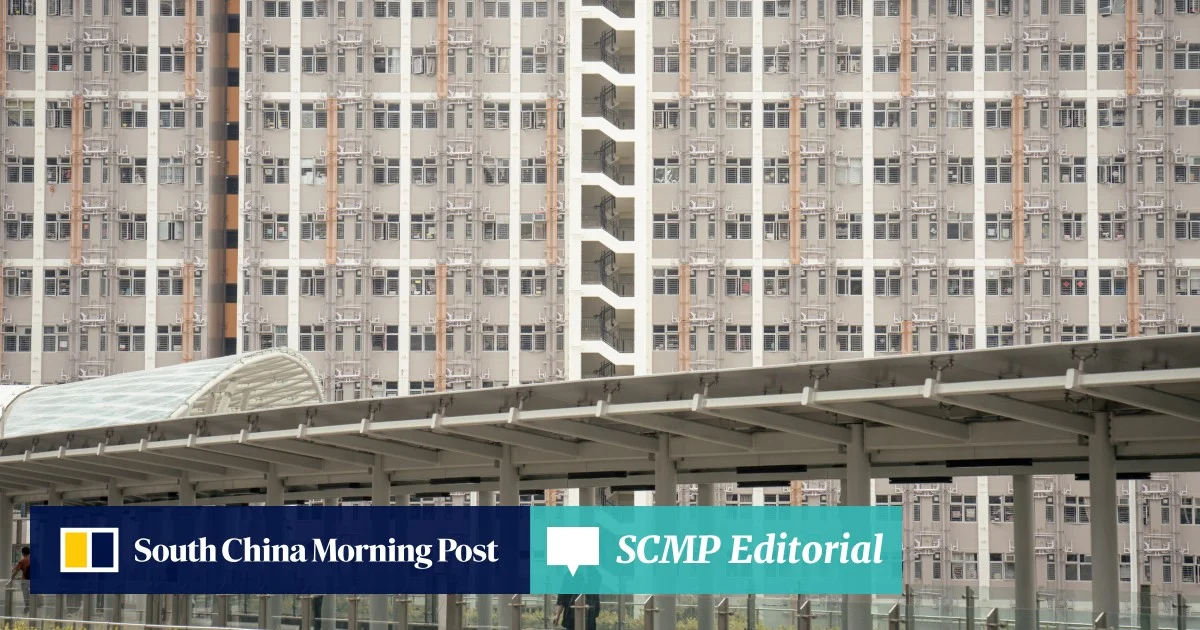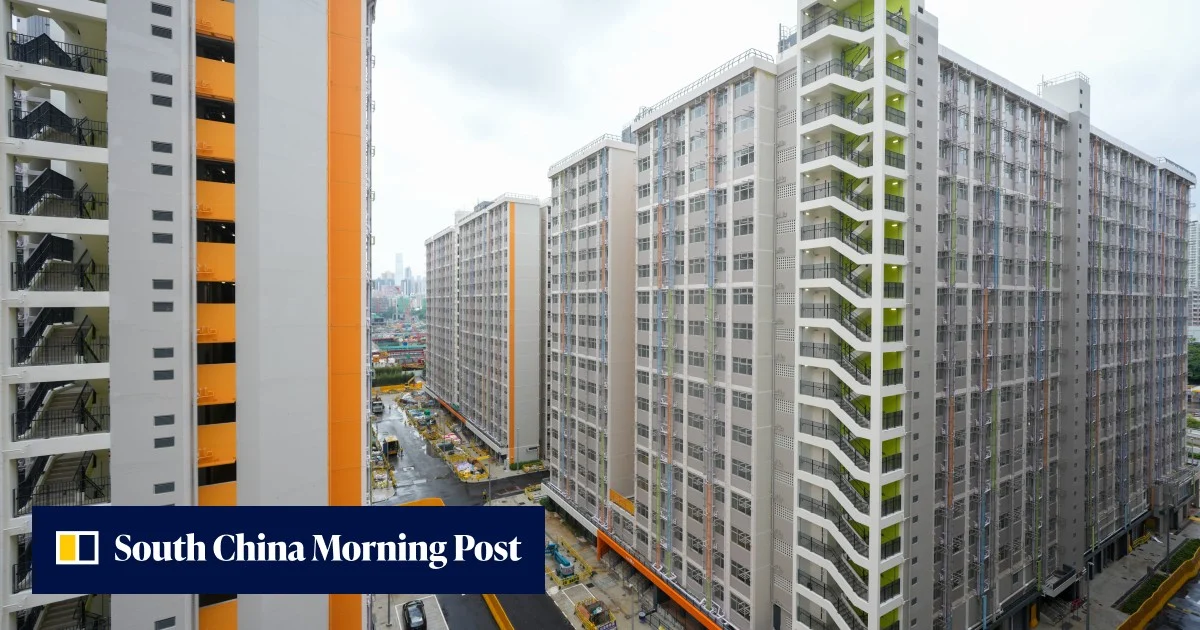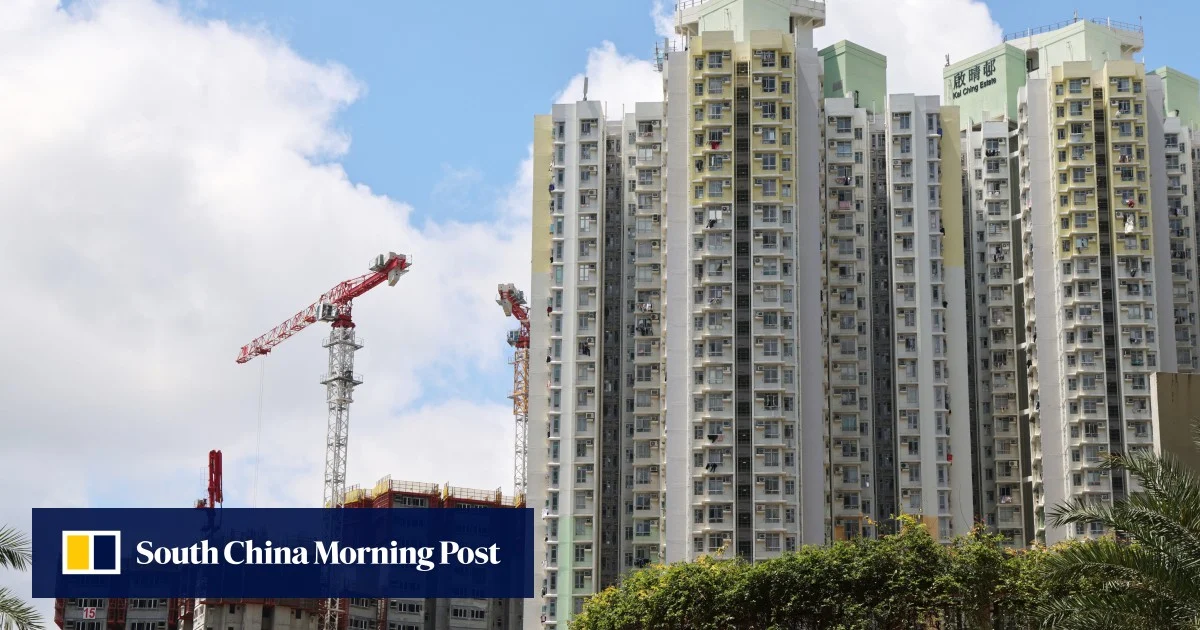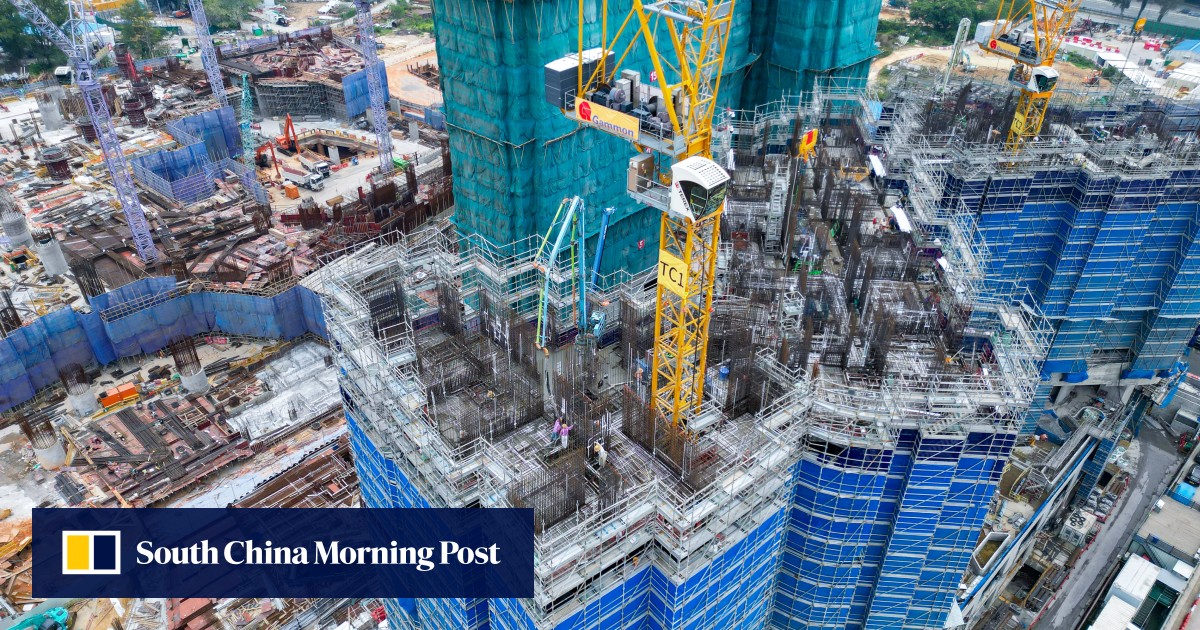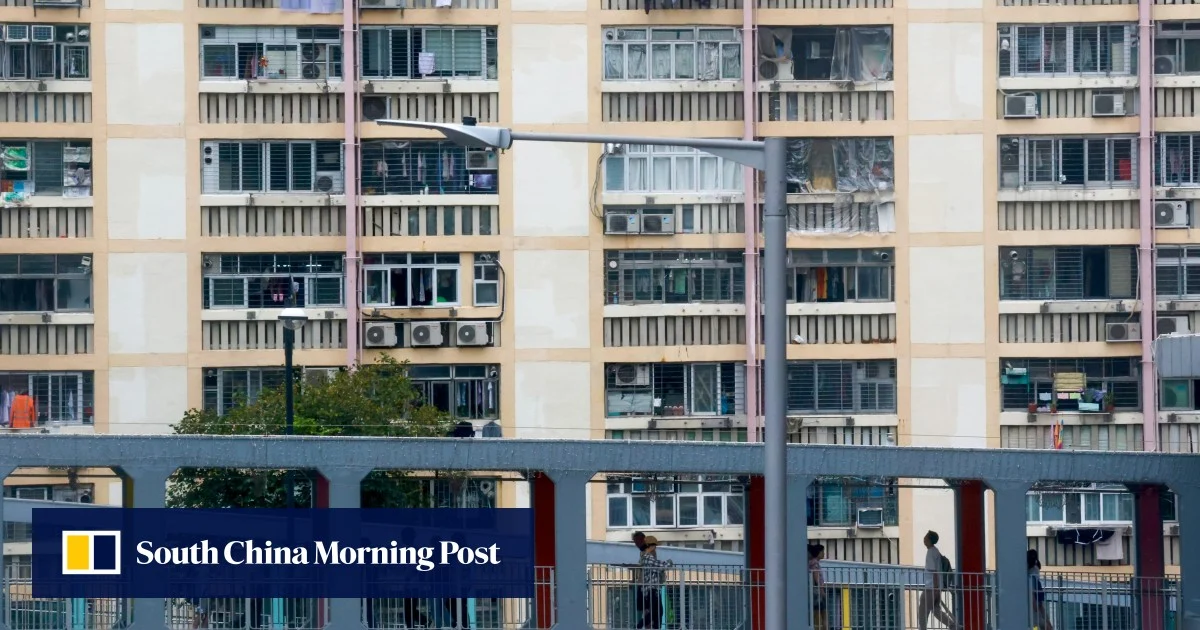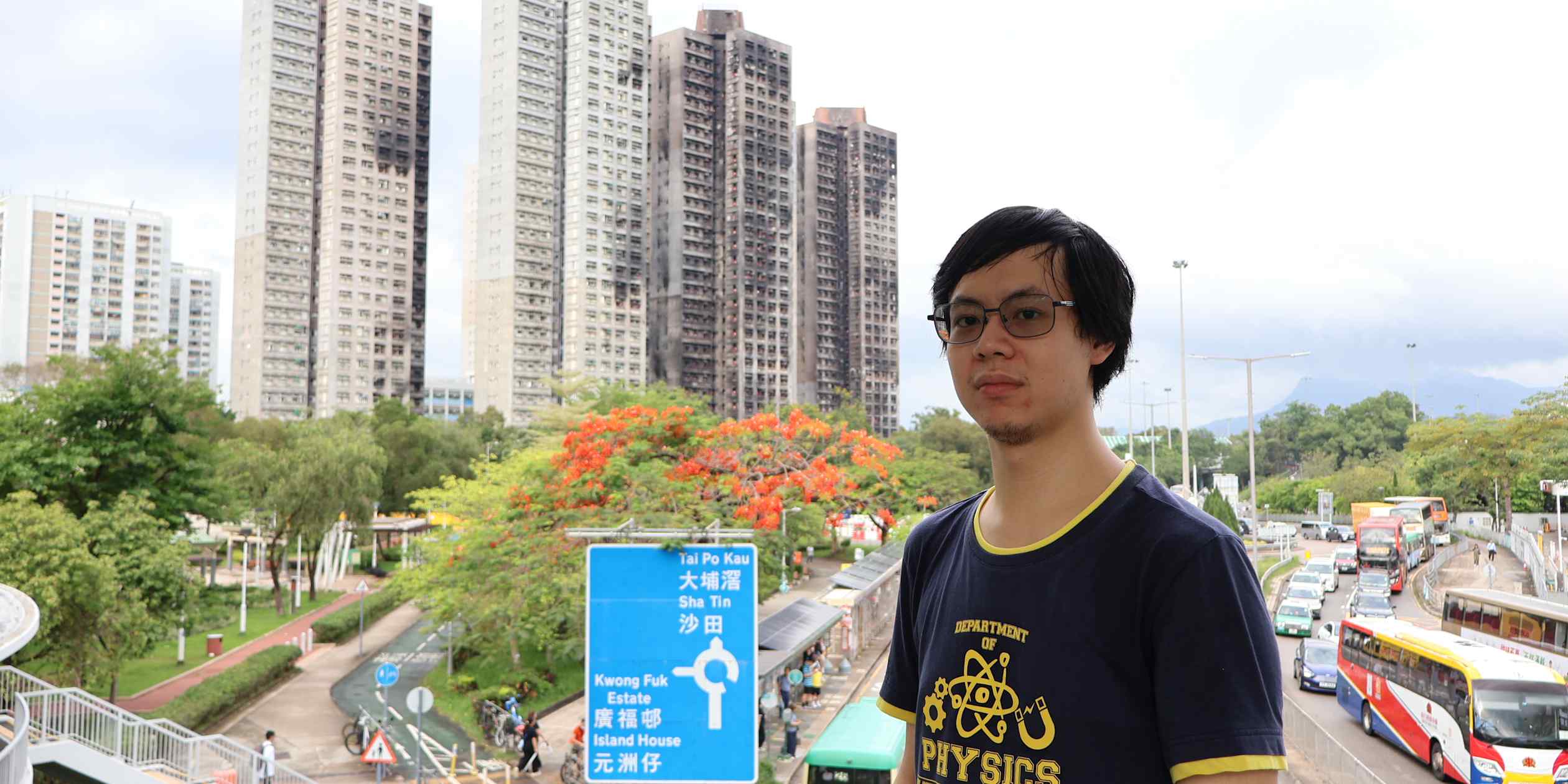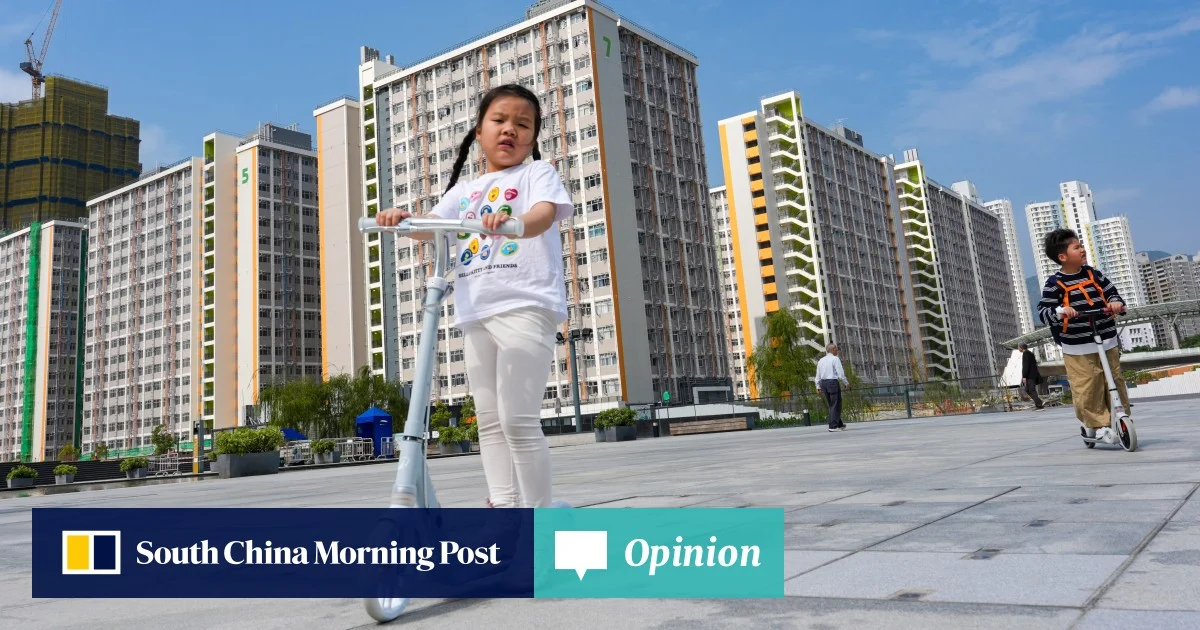
Hong Kong’s public housing conversation is often dominated by a single anxious question: how long do you have to wait for a home? Today, the answer is starting to change. The average waiting time for a general applicant for subsidised public rental housing has fallen to 4.7 years, a shift that feels small on paper but enormous for the families living it.The real transformation runs deeper than that headline figure. We have moved from a system that was playing catch-up to one that is steadily delivering volume. Traditional public housing completions have climbed to an expected average of around 35,000 and 45,700 units per year in the next five and 10 years, respectively, comfortably above the Long Term Housing Strategy (LTHS) targets.Many factors contributed to the improvement. Construction cycles have shortened, thanks to the use of Modular Integrated Construction. Flats are assembled the way we might piece together a model kit, reducing months of on-site labour.Alongside this, the arrival of light public housing and transitional housing has thrown a lifeline to families trapped in cramped, unsuitable conditions, buying precious time while permanent homes rise from the ground.Even the policy language is broadening – from a singular focus on speed and numbers to embracing liveability. Design guidelines aimed at enhancing well-being are reshaping how we think about the spaces between buildings: the playgrounds, gardens and community kitchens that turn an estate into a neighbourhood.All of this has given Hongkongers something rare these days: breathing room – the kind that lets us lift our gaze beyond the next quarter’s statistics. When we do, a different kind of opportunity comes into focus: a large number of our public housing estates are getting old.
Opinion | Hong Kong’s golden window to renew ageing housing estates is now
After years of playing catch-up, Hong Kong can begin to look beyond the short term and make bolder plans for its public housing estates.
280 words~1 min read