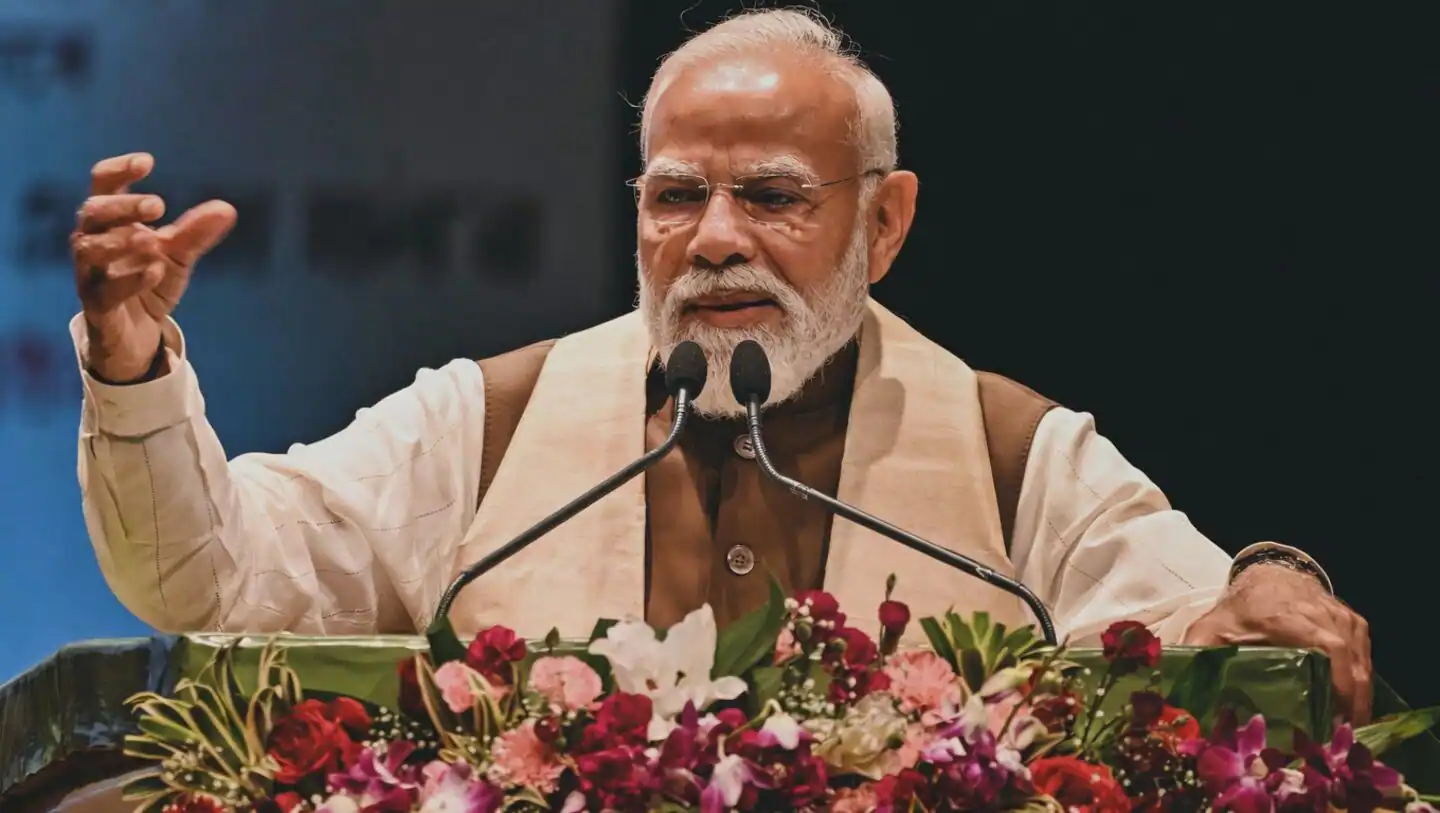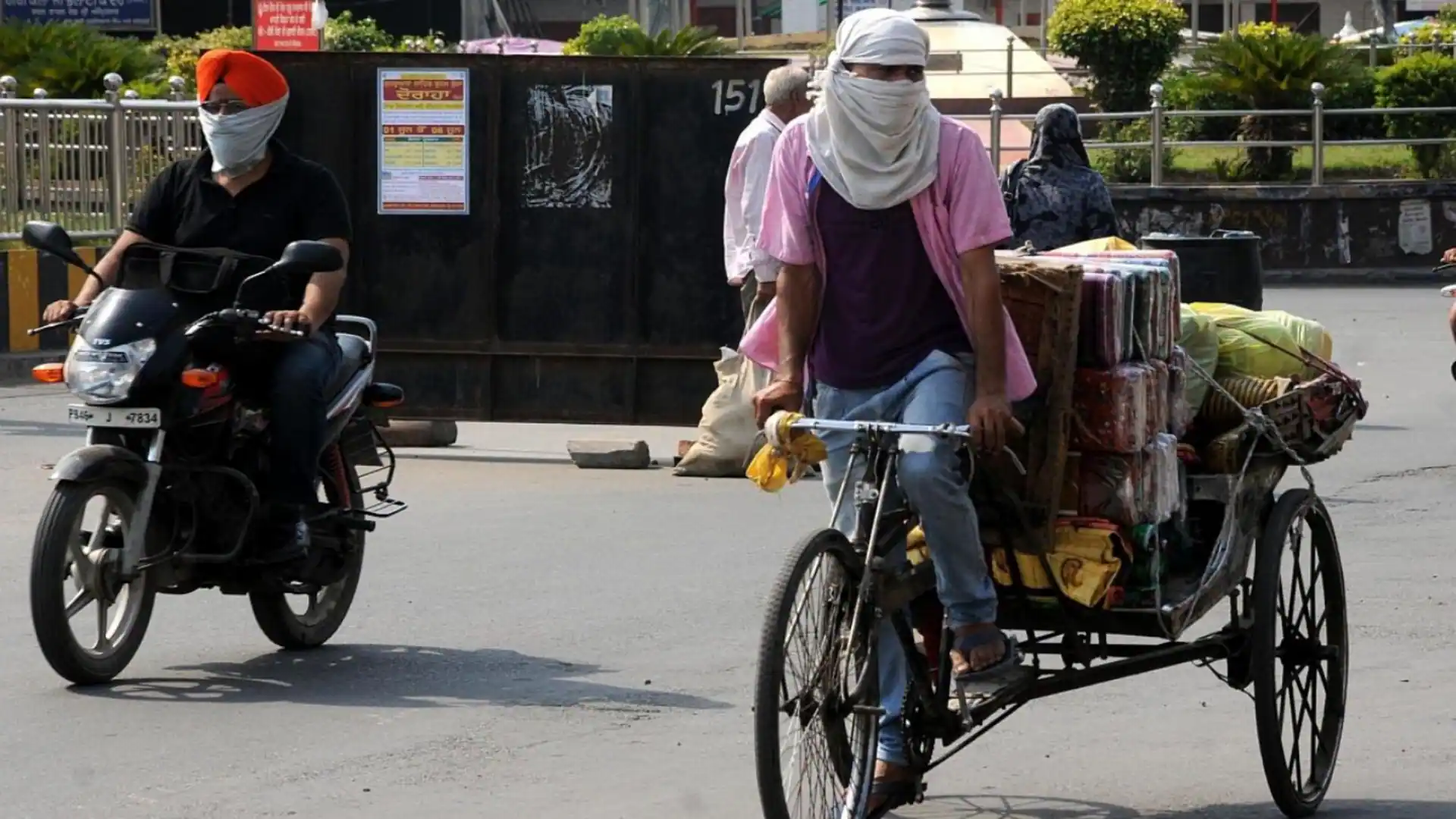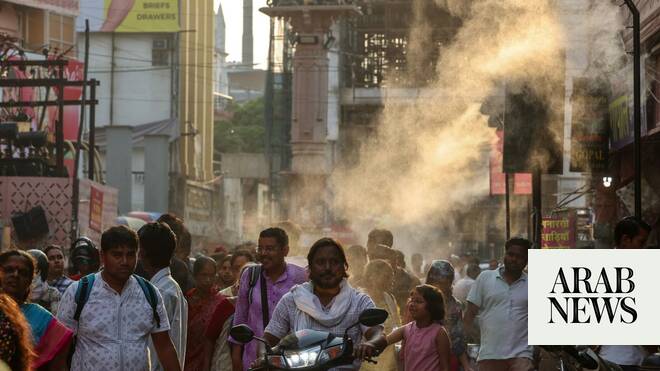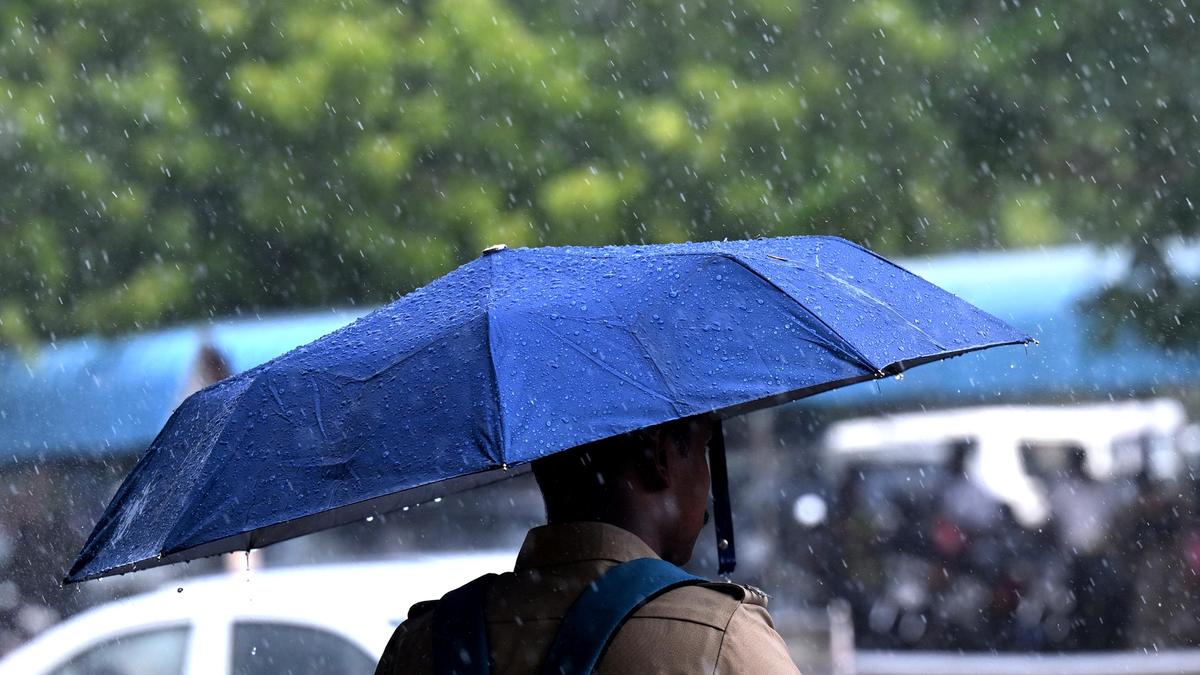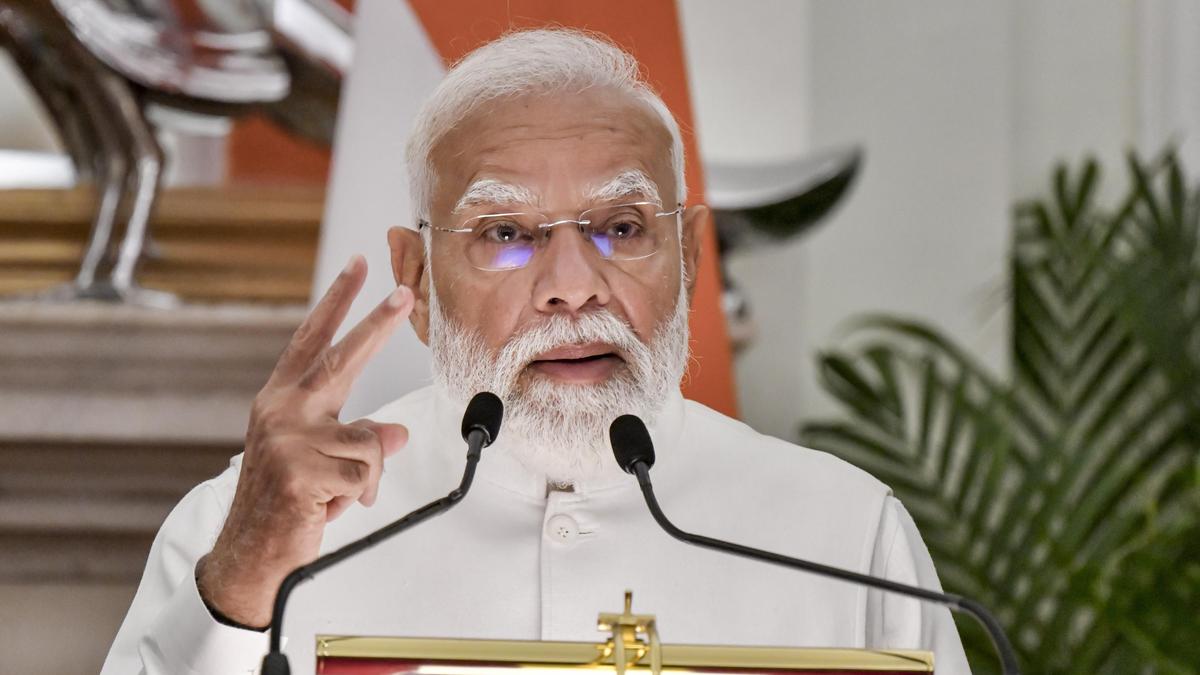
Heat wave to severe heat wave conditions are likely to continue over Central and Northwest India during next two to three days, the India Meteorological Department (IMD) has warned. Large parts of the country have been recording a prolonged hot spell for a week now, further accentuated by warm nights in many places.PM Narendra Modi urges precaution as IMD warns heatwave for next 2-3 daysOn Wednesday, Prime Minister Narendra Modi urged people to take all precautions to prevent heat exposure and help the vulnerable who are already exposed to heat.In an X post, the PM wrote, “Different parts of India are witnessing soaring temperatures and the challenges that come with it. This heat is harsh on all of us and I urge you all to take as many precautions as possible. Please stay hydrated, keep water with you when stepping out. Offer a glass of water to others. In weather like this, such kindness goes a long way.”Modi urged citizens to watch for signs of heat exhaustion like dizziness, nausea or extreme fatigue, adding that ignoring these warning signs can quickly turn dangerous and may even lead to heatstroke.“If someone around you feels unusually unwell, weak or develops a headache, it is best to help move them to a cool and shaded place immediately. Ensure they get water, ORS etc. that helps them. Children, the elderly and those working outdoors are especially vulnerable during extreme heat...In such weather, timely care and attention go a long way,” he added.PM Modi requested people to provide care to the vulnerable and to birds and animals.“Whenever possible, call and check on elderly parents, grandparents and loved ones during this heatwave. Remind them to stay hydrated, avoid stepping out in peak afternoon hours and take rest whenever possible…In this extreme heat, let us also remember the birds and animals around us. A small bowl of water kept outside your home, balconies, terraces, shops or offices can become a lifeline for a thirsty bird. May compassion guide us in these difficult days,” he said.‘Worsening climate change’Simon Stiell, executive secretary, United Nations Framework Convention on Climate Change, said extreme heat over India is a result of worsening climate change, largely driven by the world burning colossal amounts of coal, oil and gas. He also said solar and other renewable energy sources have helped in meeting day-time peaks, and India’s strong steps to ramp up solar power have been a benefit.“Large parts of India are already experiencing a punishing summer of extreme heat, with severe human and economic impacts, and the main culprit is worsening climate change, largely driven by the world burning colossal amounts of coal, oil and gas. These are testing times for those living in homes without cooling or working long hours outdoors. These extremes drive home the importance of measures to adapt to climate impacts, globally,” Stiell said in a statement on Wednesday.India’s large renewable energy capacity has helped, he said. “India has also seen record- breaking peak electricity demand in recent days. Solar and other renewable energy sources have helped in meeting day-time peaks, and India’s strong steps to ramp up solar power have been a benefit.”“The heat extremes over India are a reminder of the potential of homegrown clean energy and energy efficiency measures which could help provide cooling to the most vulnerable, and more secure and affordable electricity to help power homes, businesses, vital health services and electric transport,” Stiell said while adding that this heat spell is a doubly challenging, “coming amid the current fossil fuel cost crisis – with spiraling prices for imported fossil fuels around the world due to conflict in the middle east, and is a double-reminder of the need for nations to move even faster to renewables, for energy security, affordability and protection of population and economies.”On Tuesday, the Intergovernmental Panel on Climate Change (IPCC) flagged “as unusually hot weather hits parts of the world, it’s worthwhile to recall the 2023 #IPCC’s Synthesis Report. It showed that every increment of warming results in rapidly escalating hazards.” It has also cited a map from the Synthesis report which shows that with projected warming of 1.7 to 2.3 degree C, there will be a perceptible rise in days per year when temperature and humidity conditions pose a risk of mortality to individuals, over several parts of Asia, Africa, Australia, Americas. Such a rise is also seen over India.Meanwhile, the UK has just set a provisional new May heat record with 35 degree C recorded in West London, exceeding the 34.8 degree C reached yesterday. France has also seen record breaking heat with 36 degree C recorded in the country’s southwest on Monday as a heat dome sits across much of western Europe, World Weather Attribution, a network of climate scientists and experts who conduct rapid attribution studies, said.“This record-breaking heat has the fingerprints of climate change all over it. Temperatures on this scale were once exceptional even at the height of summer. Seeing 35C in the UK during spring is absolutely astonishing, but the science is very clear - climate change makes these heatwaves hotter, longer, and far more frequent,” said Friederike Otto, Professor of Climate Science, Imperial College London in a statement. “The climate we are living in today is simply not the one we grew up with, and our buildings and infrastructure are woefully unprepared for what’s next. While we have made some progress in cutting emissions, it is not fast enough. Temperature records will continue to tumble until we fundamentally halt global emissions and reach net zero,” she added.“This spell has been quite prolonged. It is mainly because of hot, dry westerly winds coming into India. There has been no weather system to break this spell. Nights have also been extremely warm,” said Mahesh Palawat, Vice President, Climate and Meteorology, Skymet Weather.There is likely to be a reduction in maximum temperatures and abatement of heat wave conditions from May 29 onwards.Isolated heavy to very heavy rainfall is likely over northeast and adjoining east India during next 2-3 days and over south peninsular India, and over Tamil Nadu, Puducherry and Karaikal till May 29. IMD has warned of moderate to severe thunderstorm activity with squally wind speed reaching up to 70 kmph over northwest India, central India and east India during May 28 to May 30.On Tuesday, maximum temperature was in the range of 45- 47 degree C over Madhya Pradesh, Rajasthan, East Uttar Pradesh, Haryana, Rajasthan, Vidarbha and 40-45 degree C over rest parts of the country except north east India, west Himalayan region, west coast and interior Tamil Nadu. The highest maximum temperature of 47.4 degree C was reported at Banda in Uttar Pradesh.Heat wave conditions are very likely in isolated/some pockets over Punjab, Haryana, Chandigarh, Delhi, Uttar Pradesh on May 27 and 28; with severe heat wave conditions in some pockets over East Uttar Pradesh Punjab, Haryana, Chandigarh and Delhi on May 27. Heat wave conditions are very likely in isolated/some pockets over West Rajasthan during May 27 to 29; East Rajasthan on May 28; with severe heat wave conditions in some pockets over West Rajasthan on May 28. Heat wave conditions are also very likely in isolated pockets over Madhya Pradesh till May 29; Chhattisgarh on May 28 with severe heat wave conditions in isolated pockets over West Madhya Pradesh; East Madhya Pradesh, Vidarbha on May 28.
PM Narendra Modi urges precaution as IMD warns heatwave for next 2-3 days
Heat wave to severe heat wave conditions are likely to continue over Central and Northwest India during next two to three days, the India Meteorological Department (IMD) has warned. Large parts of the country have been recording a prolonged hot spell for a week now, further accentuated by warm nights in many places. | India News
1,225 words~6 min read