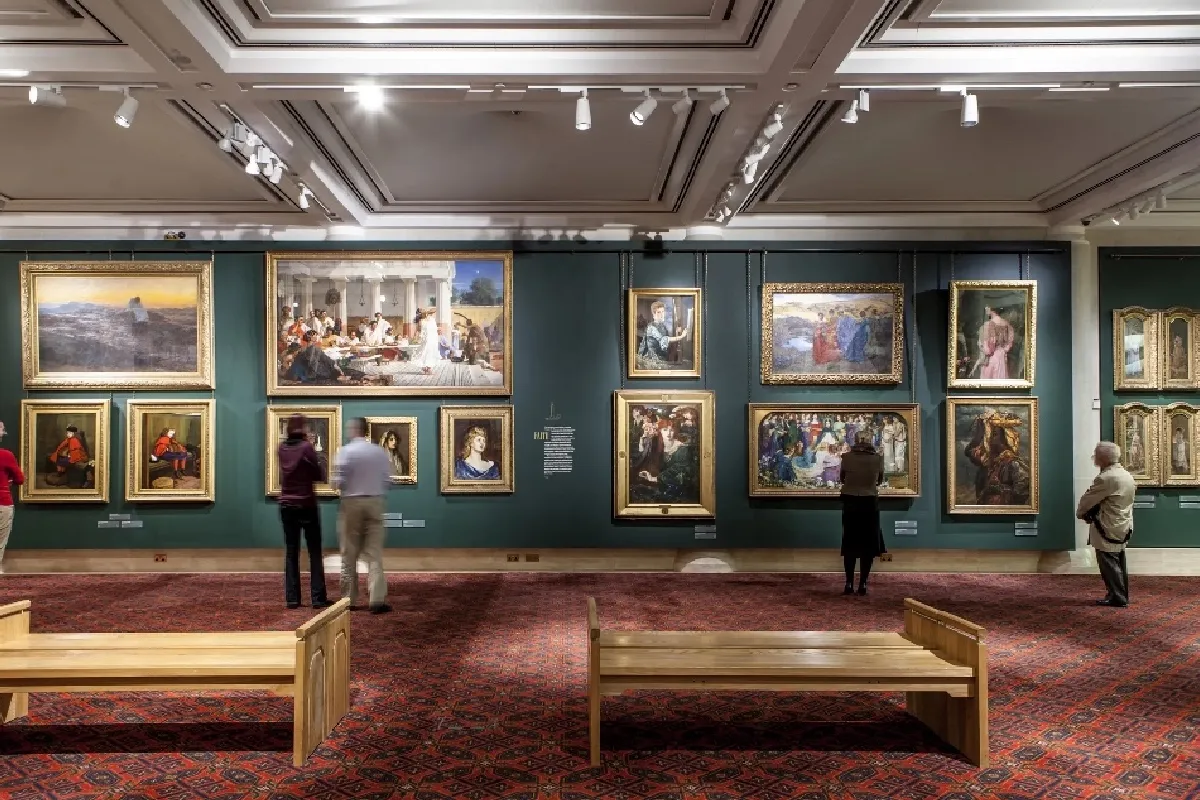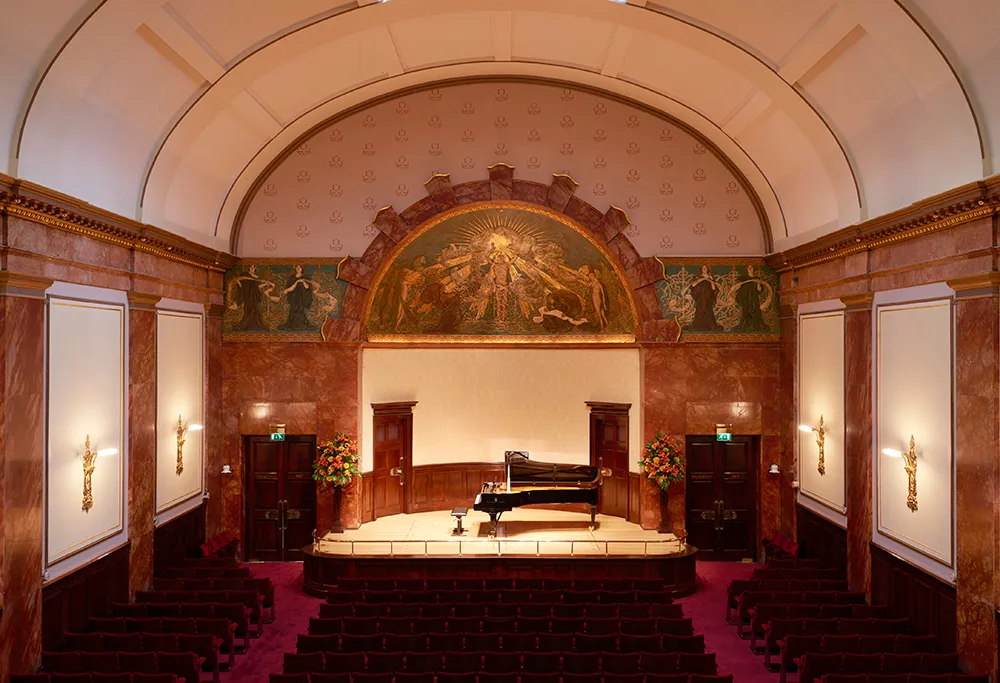
If you’ve ever strolled to the Wallace Collection or hurried to an appointment in Harley Street, fled an overcrowded Selfridges or sat on a sunny bench in Cavendish Square Gardens, you’ll probably have walked past the Wigmore Hall. It’s easy to miss – a wrought-iron canopy and a small mosaic embedded in the pavement the only signage. But this ‘modest building tucked away behind a busy London shopping street’ contains multitudes.
Now celebrating its 125th birthday, it has been variously described as ‘London’s most sumptuous temple of music’ and the symptom of a ‘faded, bombed-out world’; ‘a place where it was possible to experience the exotic, unfamiliar and bizarre’ and one filled with ‘too many dull concerts and too many indifferent debut pianists’. It has hosted royalty and refugees, broken taboos and reinforced traditions, and kept its doors open through two world wars and a global pandemic.
Most popular
Ross Clark
Tony Blair is right about Britain – but can’t own up to his mistakes