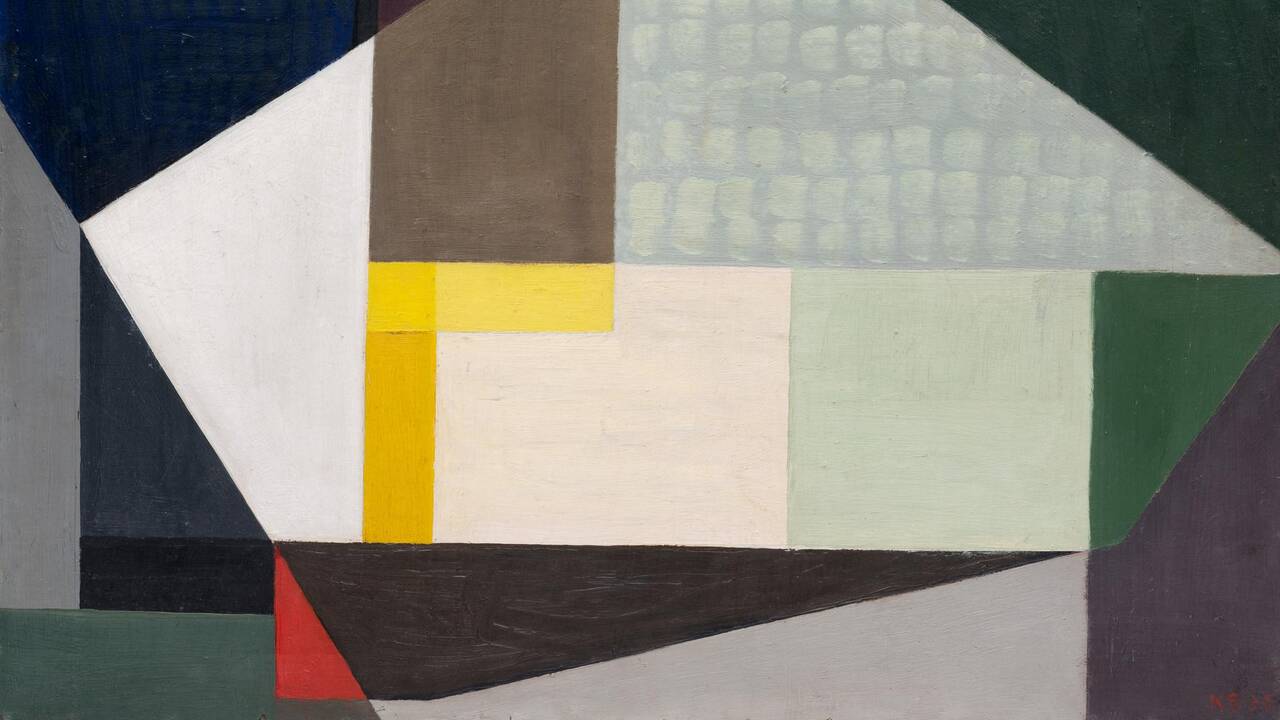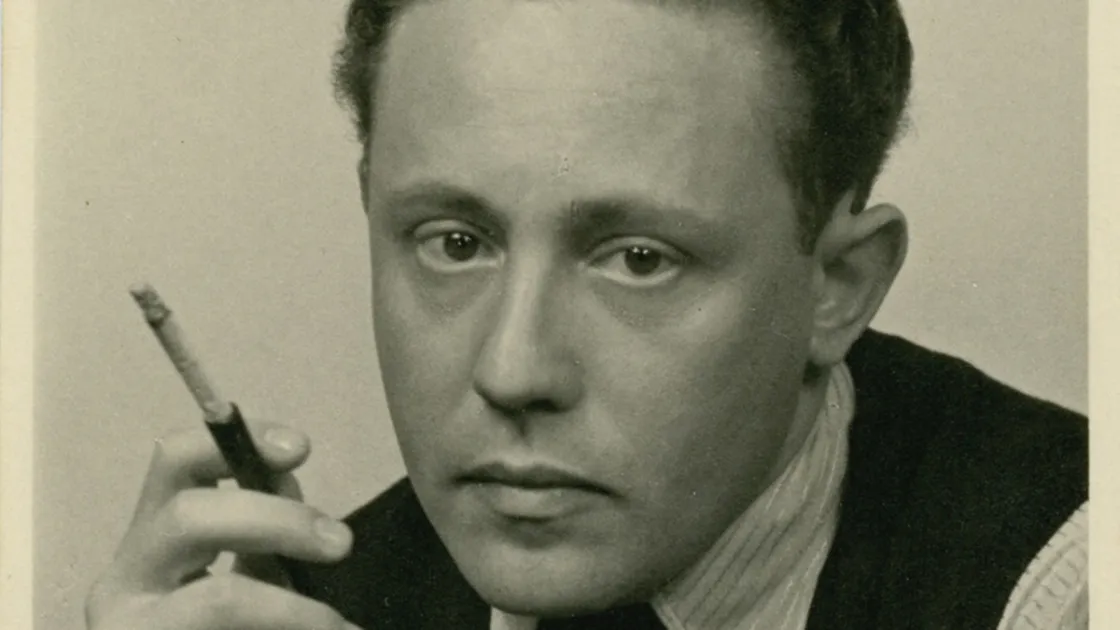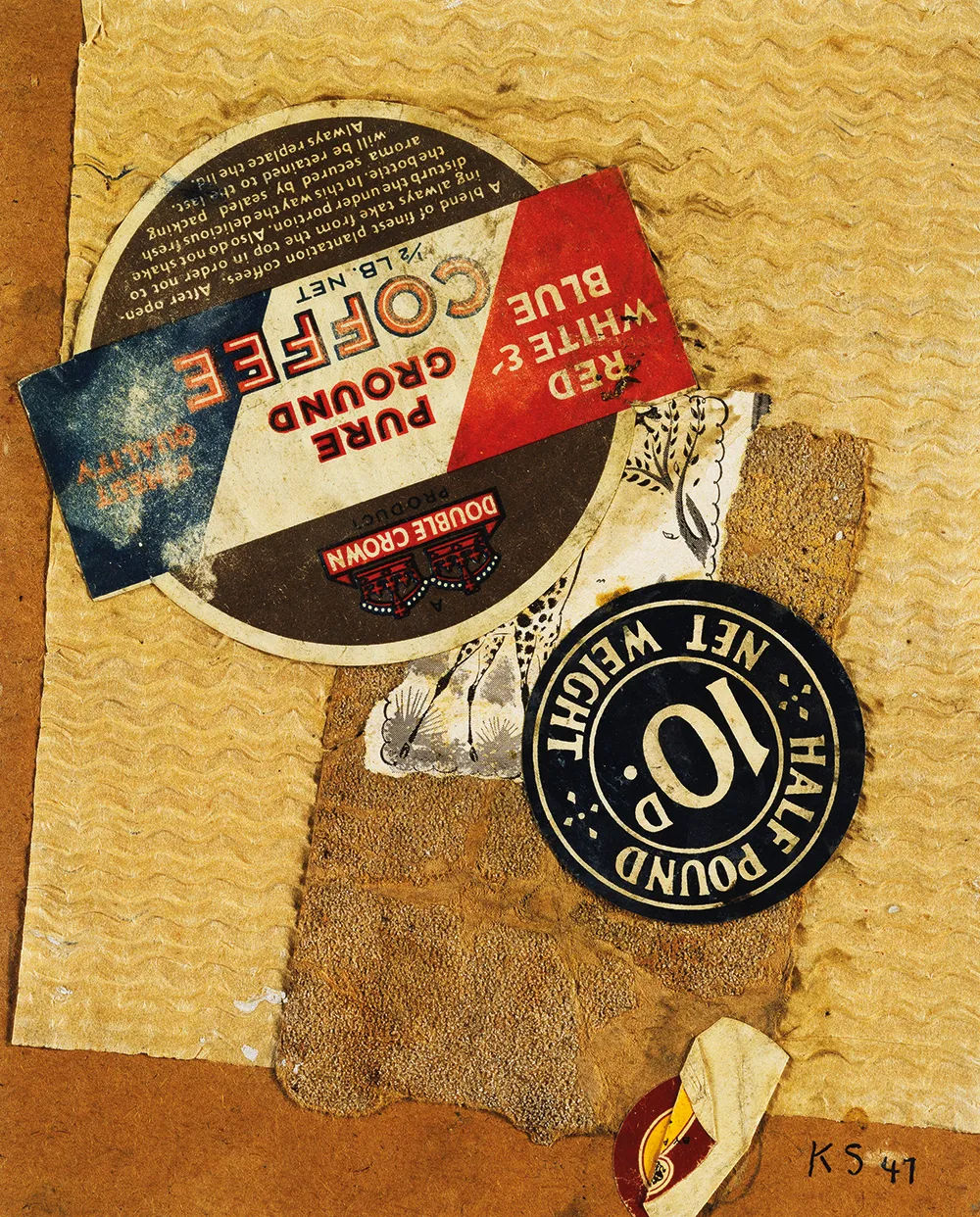
Aged ten, Jennifer Potter moved to Ambleside in the Lake District and was soon aware that one of the giants of modern art, Kurt Schwitters (1887-1948), had lived there some years earlier. He was a German artist associated with Dadaism, the anarchic movement that ushered in Surrealism, who developed his own brand of anti-rational art called ‘Merz’. He assembled urban detritus into two or three dimensions (collages and objects). His work was witty, lyrical and abstract, but also organic. He called art ‘structure’ or ‘creative evidence’, as natural as a plant or a crystal, but reliant, too, on the action of the artist’s imagination.
He was a large man, somewhat shambolic in appearance. His girlfriend called him ‘Jumbo’
Schwitters became a lifelong obsession for Potter, and this book, besides being an evocative love letter to Lakeland, is an account of their unusual relationship. She was drawn to the German by the intensity with which he lived and by his dedication to his work. Schwitters pursued his vision through painting, collage, sculpture and writing (he was a considerable poet), from single pictures and objects to complete environments, never deviating from the certainty that he had something worth communicating. For an epigraph to her book Potter takes Schwitters’s exhortation: ‘Make connections, if possible, between everything in the world.’