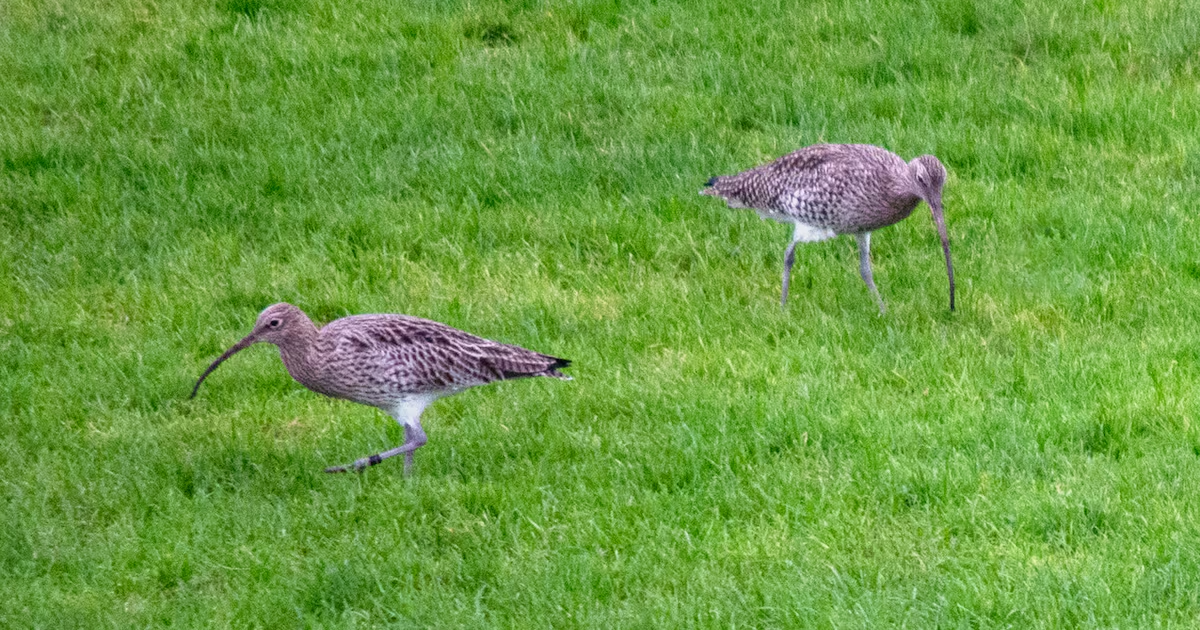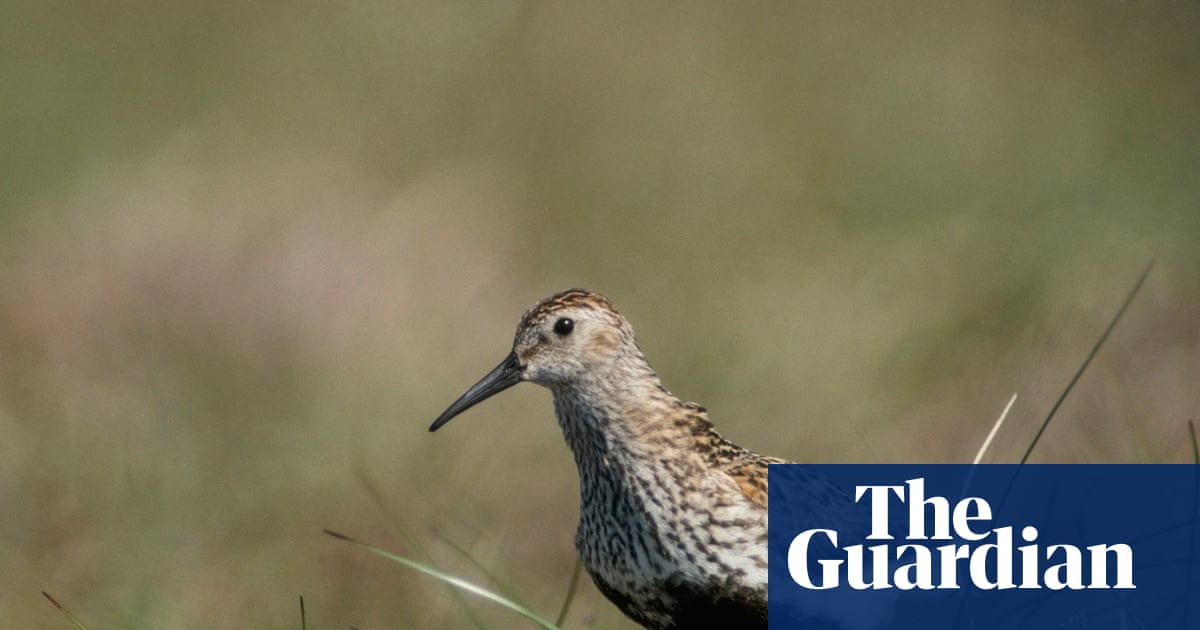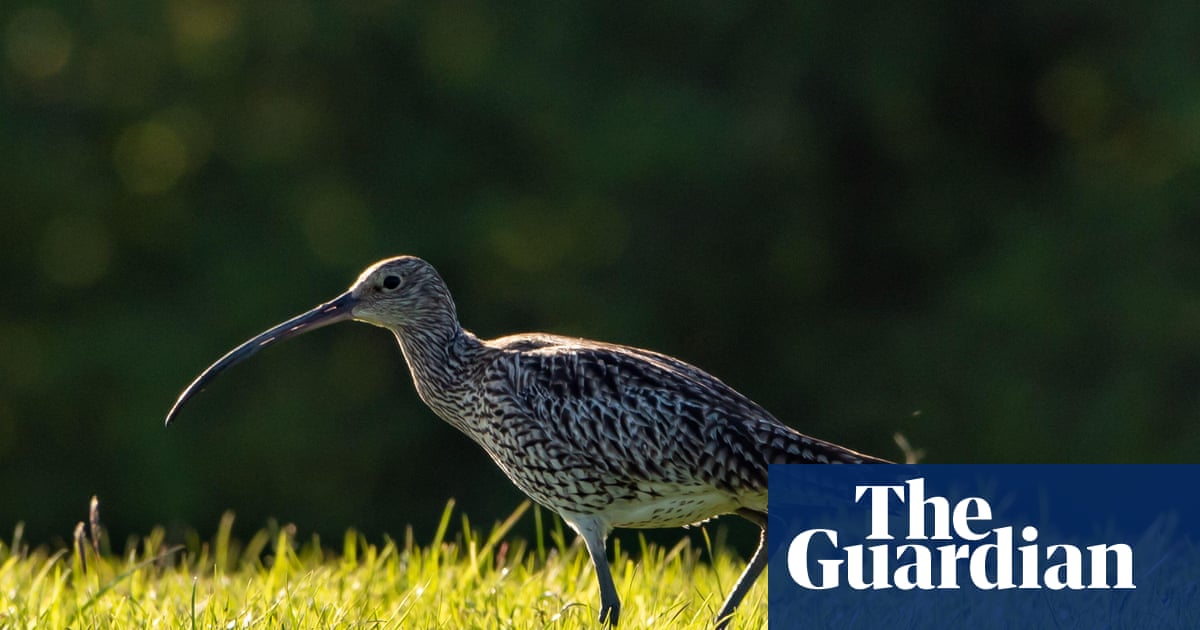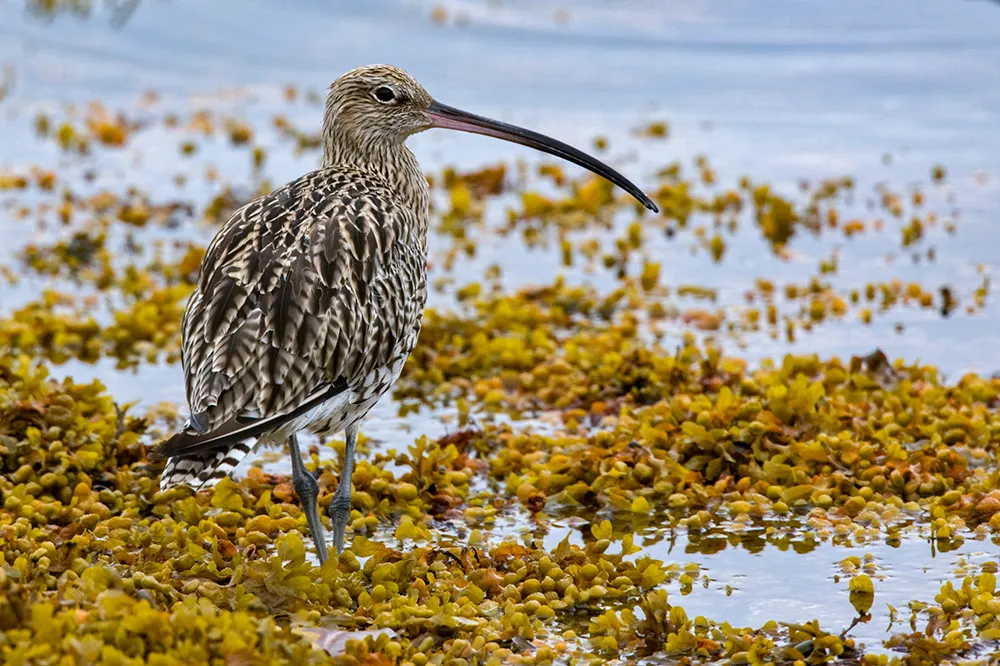
Unlike last year, when drought caused many curlews in the Durham dales to delay breeding, this has been a great spring for them. Last week, wherever I walked, anxious curlew parents were whinnying above me like aerial ponies. At one point I stepped carefully aside as a day-old chick, clumsy on its oversized blue legs, tried to hide in the cotton grass.
The Pennines, North York moors and eastern Scotland are the world stronghold of the curlew, or ‘whaup’, a bird whose bubbling aria fills the sky over these moors in spring so fully that you cannot find a one-minute gap of silence between their songs in a typical April dawn (I’ve tried). A Scotsman who was once taken to hear a nightingale was unimpressed: ‘It’s a’ very gude but I wadna gie the wheeple o’ a whaup for a’ the nightingales that ever sang!’
Its song has gone from most of the English lowlands, the Welsh hills and south-western Scotland
Of the world’s eight species of curlew, two have already gone extinct – a greater loss than any other genus of continental bird. The eskimo curlew of northern Canada has not been seen since 1987; the slender-billed curlew of central Asia since 2006. Being large birds that only breed from the age of three, curlews are easily wiped out.