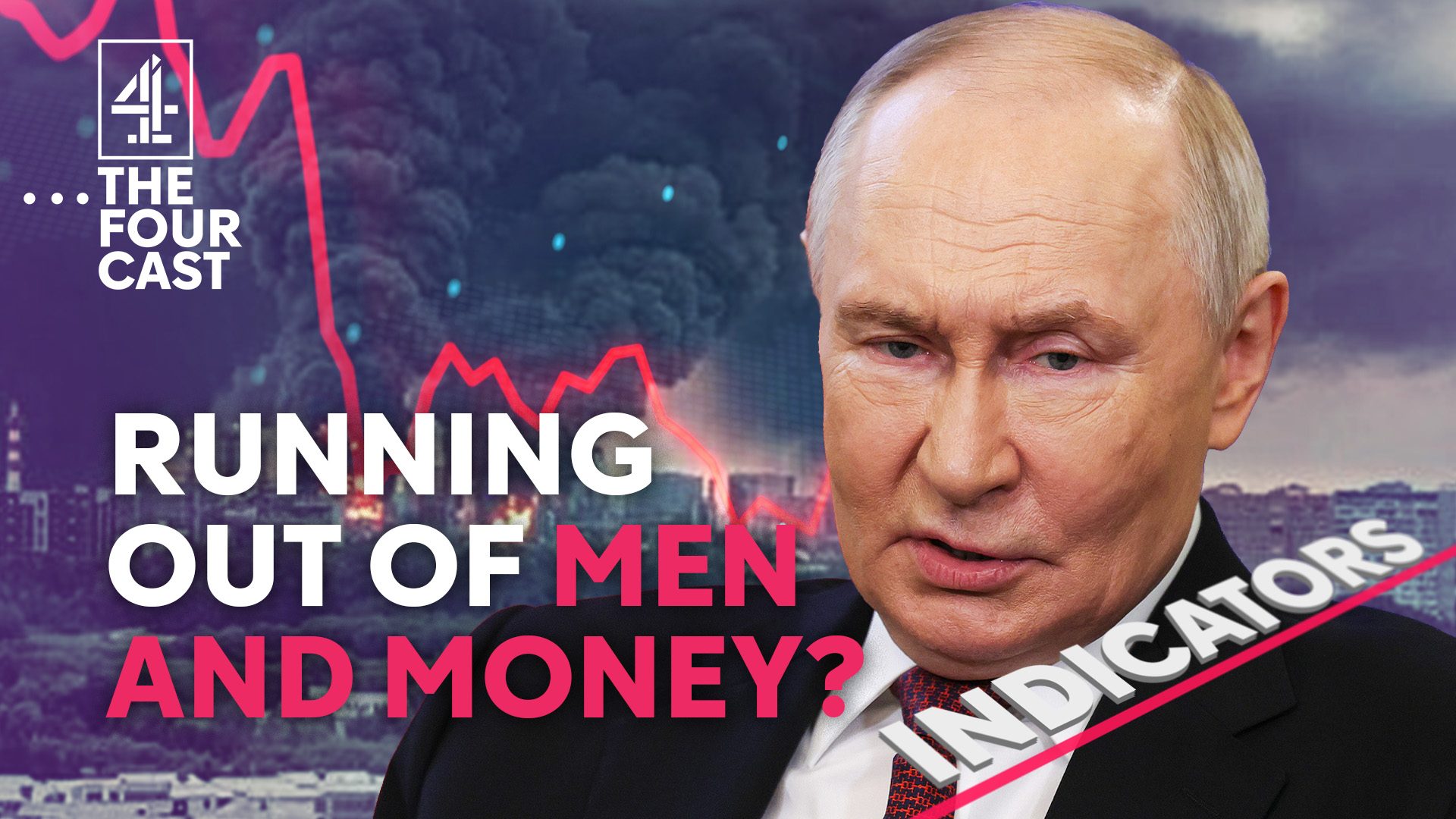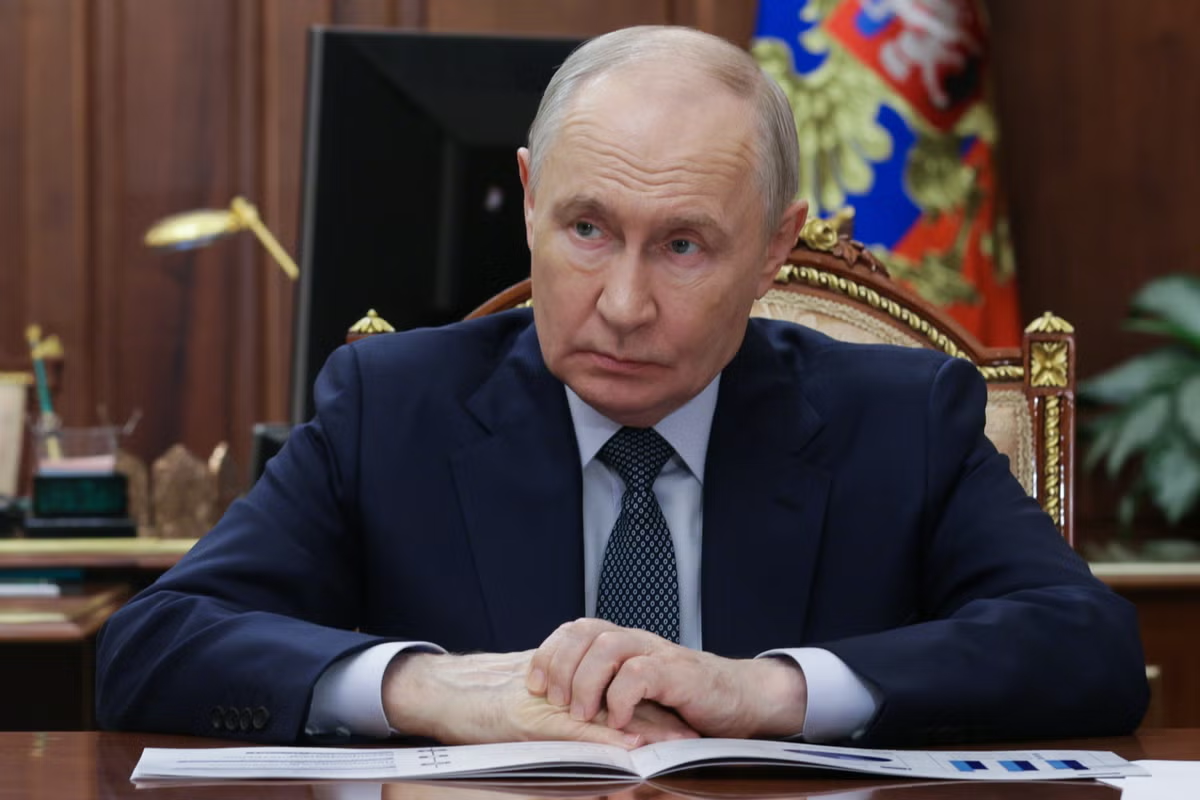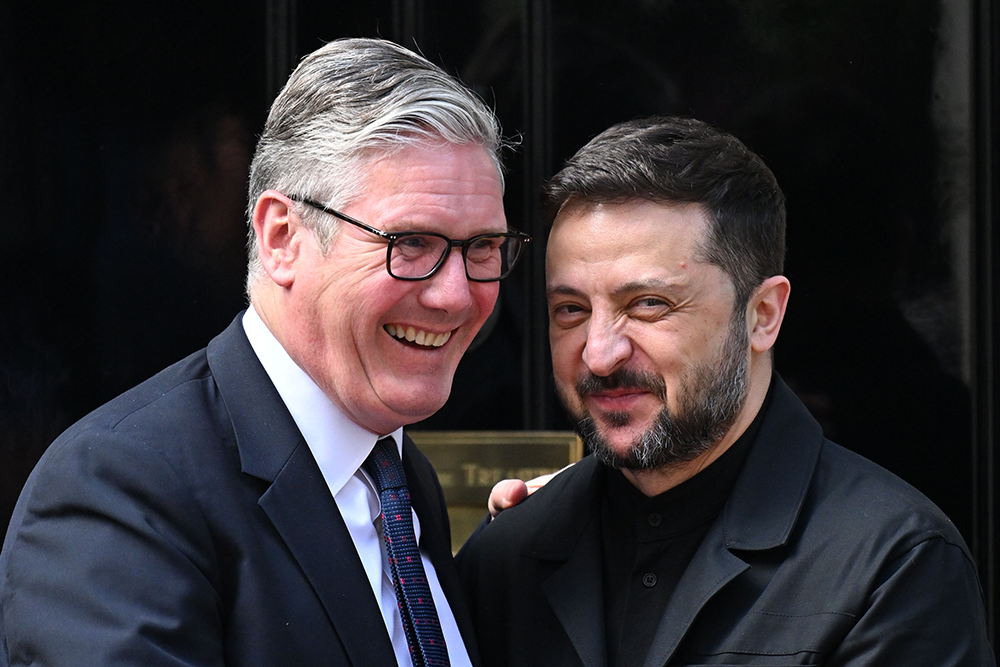
Moscow is coming under direct drone attack, the Russian economy is creaking, patriotic bloggers are ever more apocalyptic in their predictions of military disaster and evidence is piling up that Russia’s elites are becoming seriously disillusioned with the war and Vladimir Putin himself. Is this the moment for Britain to desert Ukraine by easing sanctions and refusing to commit more money to Kyiv’s military?
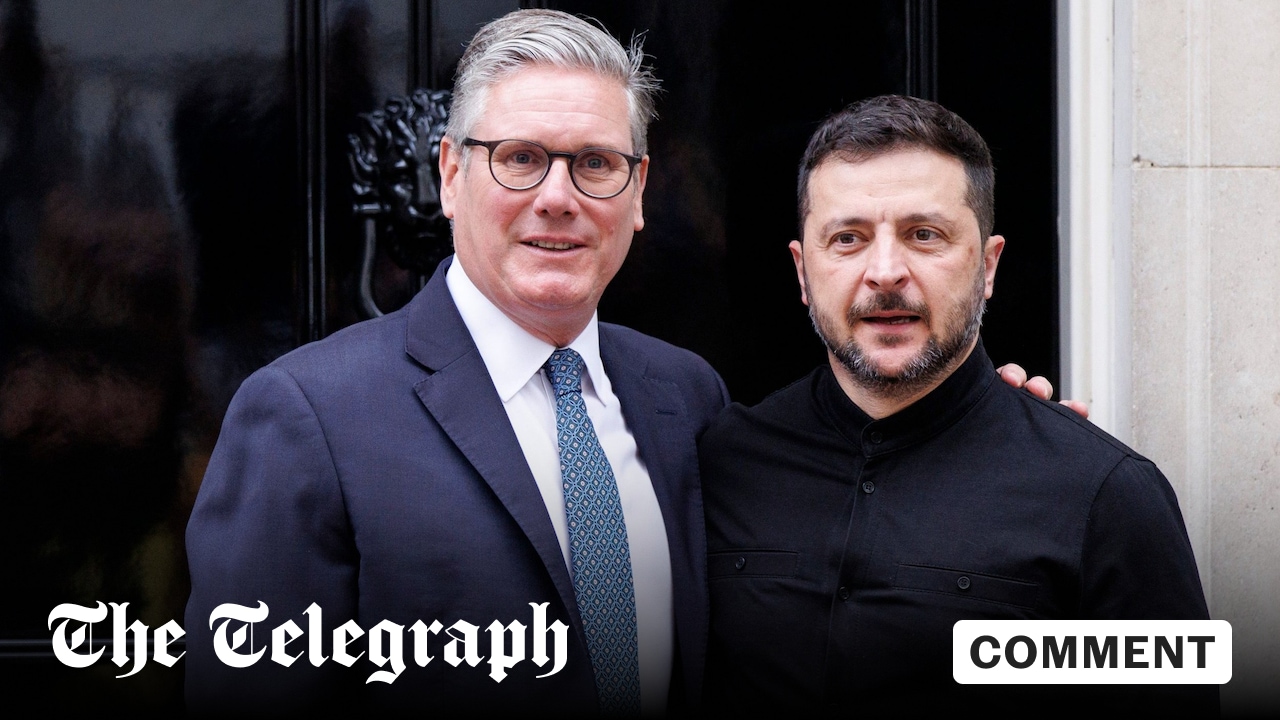
Last week, the British government issued licences for the import of gasoline products from Russia refined in a third country. No. 10 also approved licences for British companies to continue to service tankers carrying Russian liquefied natural gas (LNG). And Britain, in common with other major European states, refused to sign up to a plan drafted by Nato Secretary General Mark Rutte to commit 0.25 per cent of GDP to funding Ukraine’s war effort. These, on the face of it, appear to be serious betrayals of Sir Keir Starmer’s promise earlier this year to his partners in the Coalition of the Willing to ‘keep up the pressure on Russia’.
The fear of crashing our economies by sanctioning Russia too harshly has been the Kremlin’s biggest enabler
The truth is more complicated. Downing Street points out that, unlike most European countries, Britain banned the import of all Russian oil products regardless of where they’re refined last October, and the import licences are temporary measures to prevent a supply crunch on aviation fuel. And, again unlike Europe, Britain banned the import of Russian LNG in 2023 – though British ports and tankers still handle major shipments destined for the continent. As for the funding, Britain remains more generous with financial and military aid than many European countries. Now the US has stopped such aid, the UK is Ukraine’s fourth-leading bilateral donor in absolute terms, and has committed £3 billion annually through to 2030.