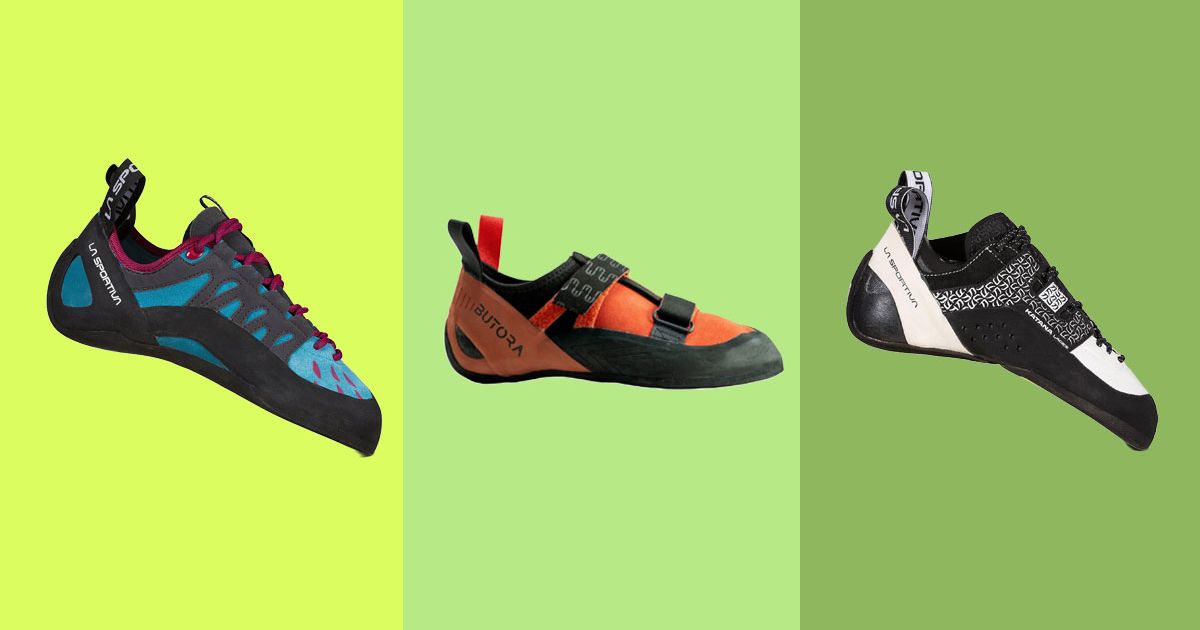
Understanding climbing-shoe fit
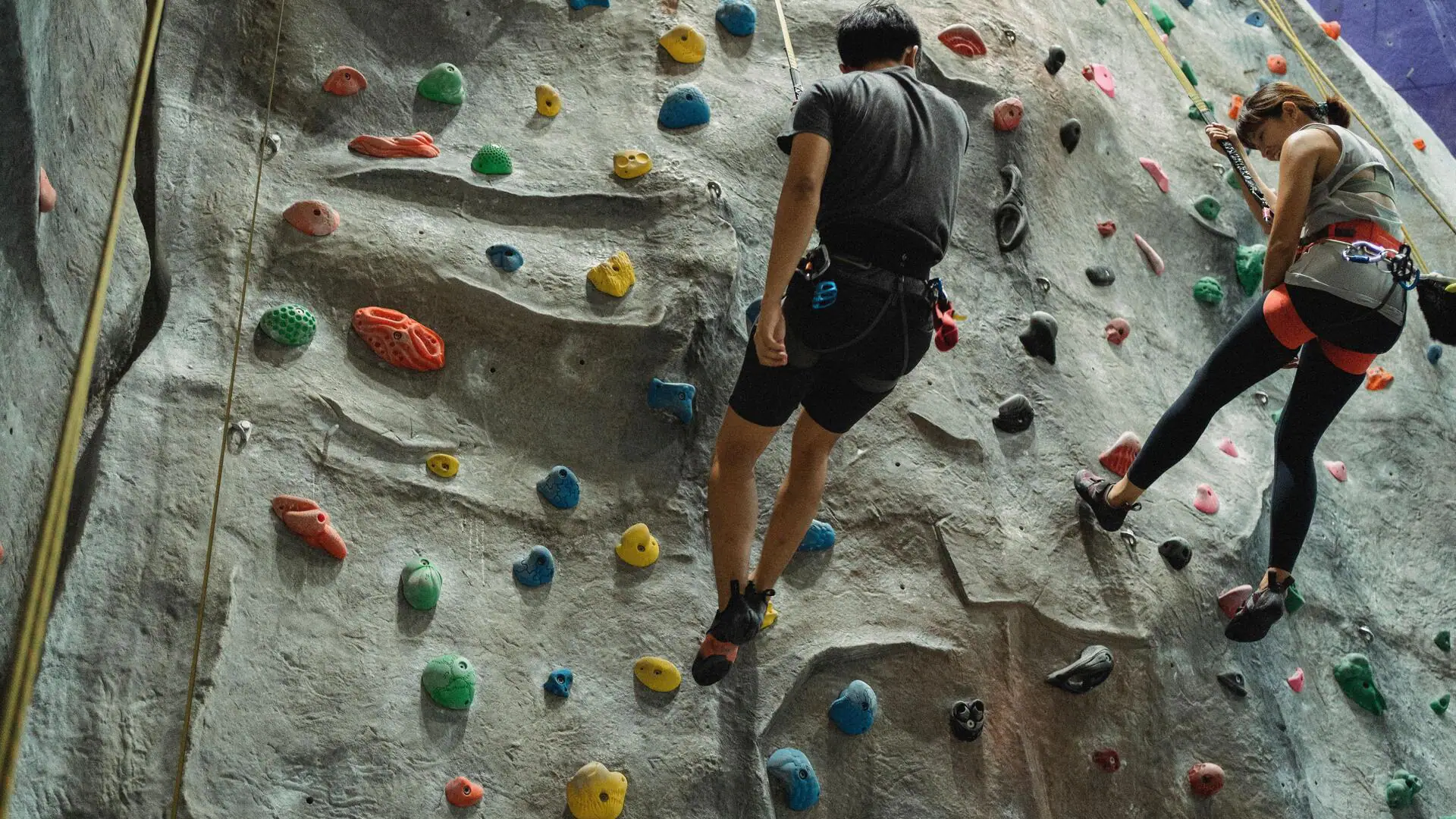
Climbing shoes fit unlike any other footwear. The shoes are meant to feel molded to your feet, compressing your toes to allow you to exert force precisely on small footholds. Most shoes come in European sizing, but even then, the sizing doesn’t always translate. For example, I wear a U.S. 8 running shoe, but in my main climbing shoe brand (La Sportiva), I wear a size 36, which translates to a U.S. size 6, for a tighter fit and more precision on the wall.
“The most important thing about fitting a climbing shoe is to find the one that fits your specific foot shape,” says Ty Morrison-Heath, former climbing-gym manager, avid climber, and current climbing-gym marketer, adding that “many brands have different sub-models of the same shoe in different widths/depths to fit different sizes of feet.” Don’t just buy a shoe because your friend loves it; he says: “Make sure it’s a fit for your foot shape.”
He recommends trying on the size above and below your preferred size to make sure you land in the middle of pre-break-in discomfort. The shoes will likely feel too tight at first, but know that a leather upper will stretch up to a half-size after breaking in, and a synthetic upper will still stretch, but less. The shoes should feel snug at first but don’t need to cut off circulation to your toes. “Climbing shoes are supposed to fit snug, but unless you are climbing very hard, you can typically get away with a comfortable snug,” says Morrison-Heath. “You don’t have to torture yourself with an uncomfortable shoe.