Commentary
Women in the modern workforce still face barriers in reaching senior positions, with stereotypes hiding in plain sight, says this writer.
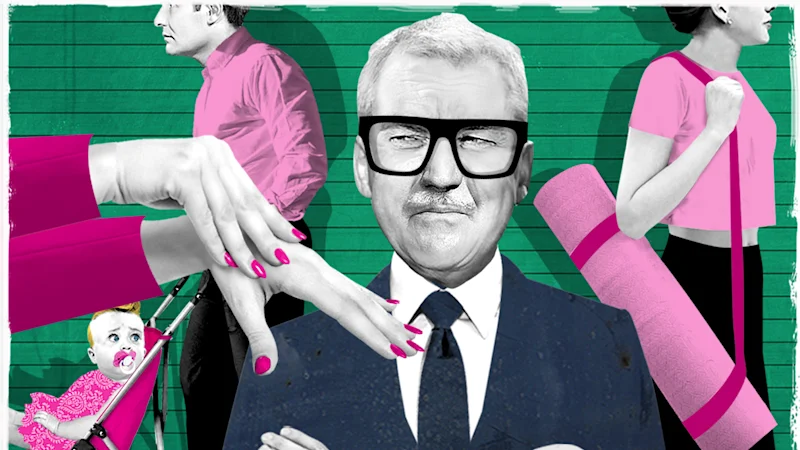
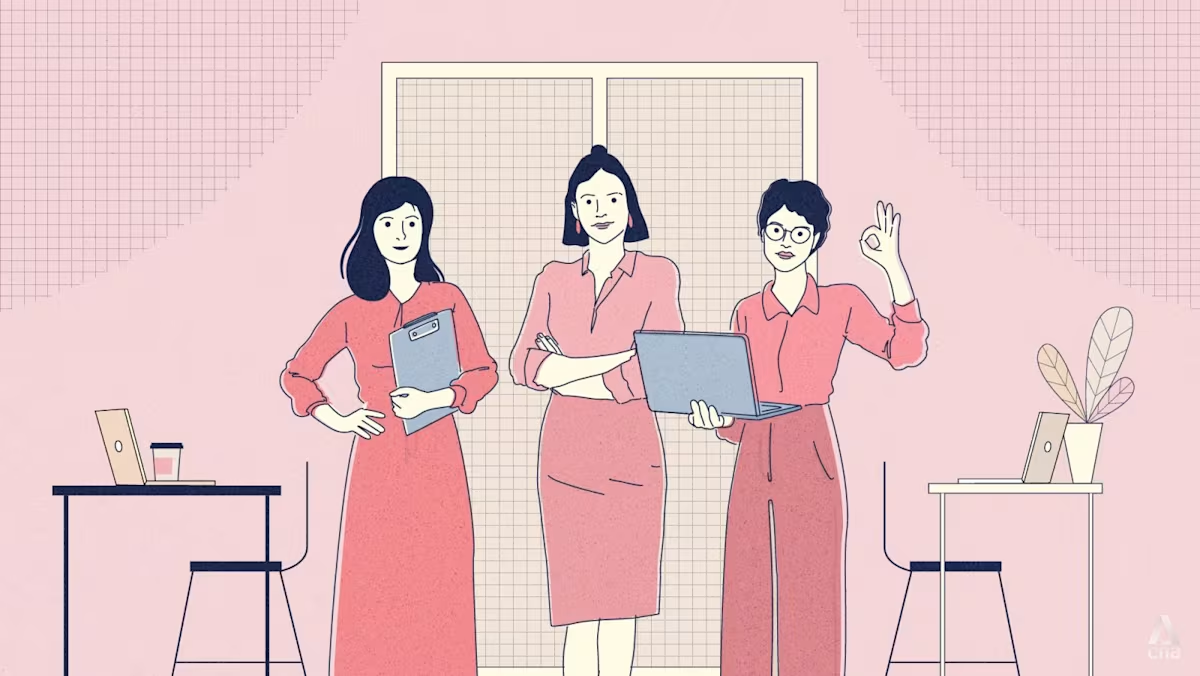
Gender stereotypes are often amplified in the workplace, segregating men into high-power roles and women into lower-power ones. (Illustration: CNA/Samuel Woo)
28 May 2026 05:58AM
CALGARY, Alberta: Since women began entering the modern workforce in large numbers, support roles - or those who help someone else do their work, like administrative assistants and paralegals - have been predominantly occupied by women. The people in the higher-ranking positions these roles support, such as executives, lawyers and surgeons, have been predominantly men.Women still face barriers to reaching senior positions with decision-making authority in organisations. Only 21 per cent of Canada’s top publicly traded companies are led by female CEOs. By contrast, 92 per cent of executive assistants are women.Even within the same job role, research consistently shows women are less likely to be assigned promotable tasks - high-visibility decisions that get noticed and rewarded - than men. They are more likely to be assigned administrative tasks or “office housework”: the kind of labour that keeps an organisation running but rarely leads to a raise or a promotion.