Show Caption
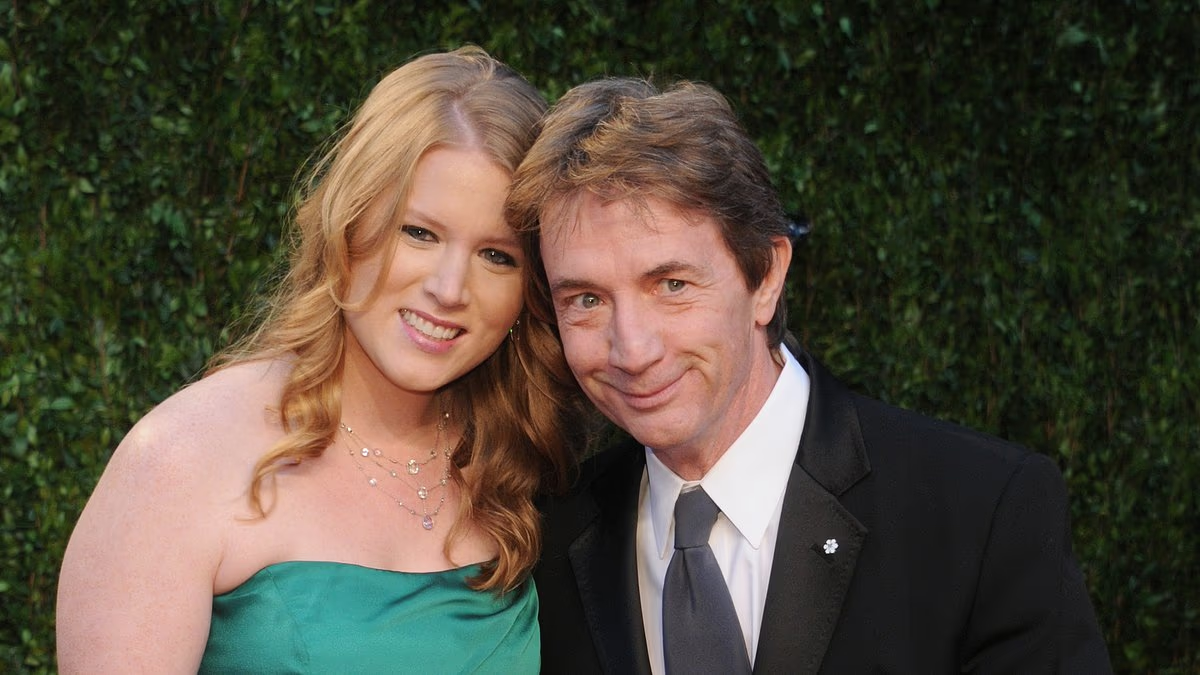
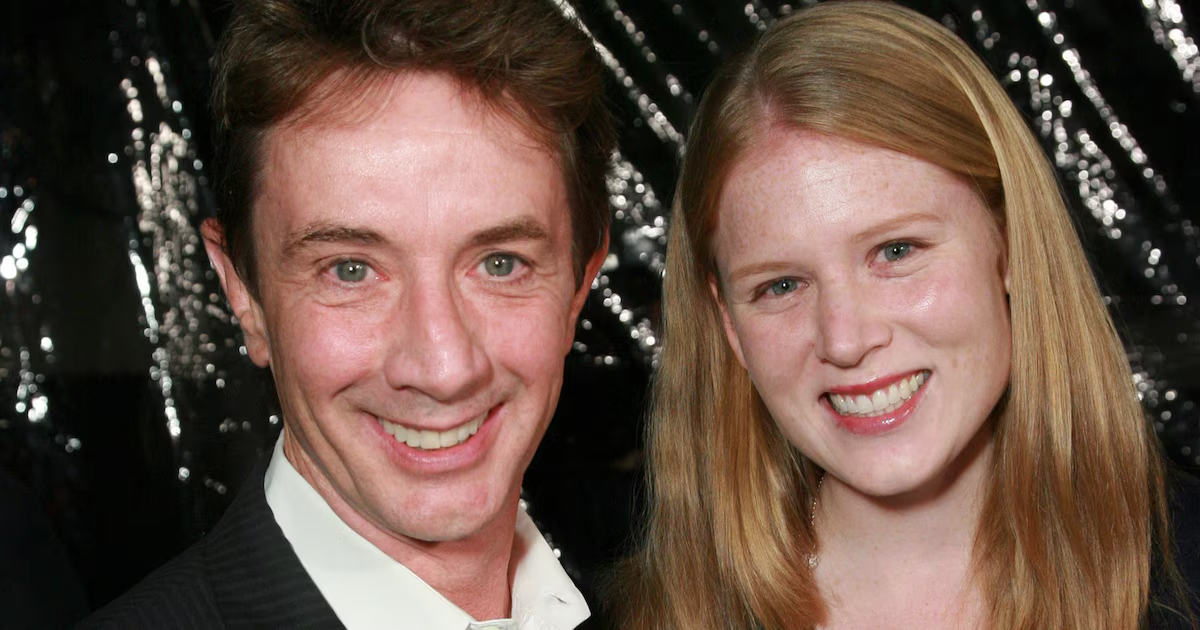
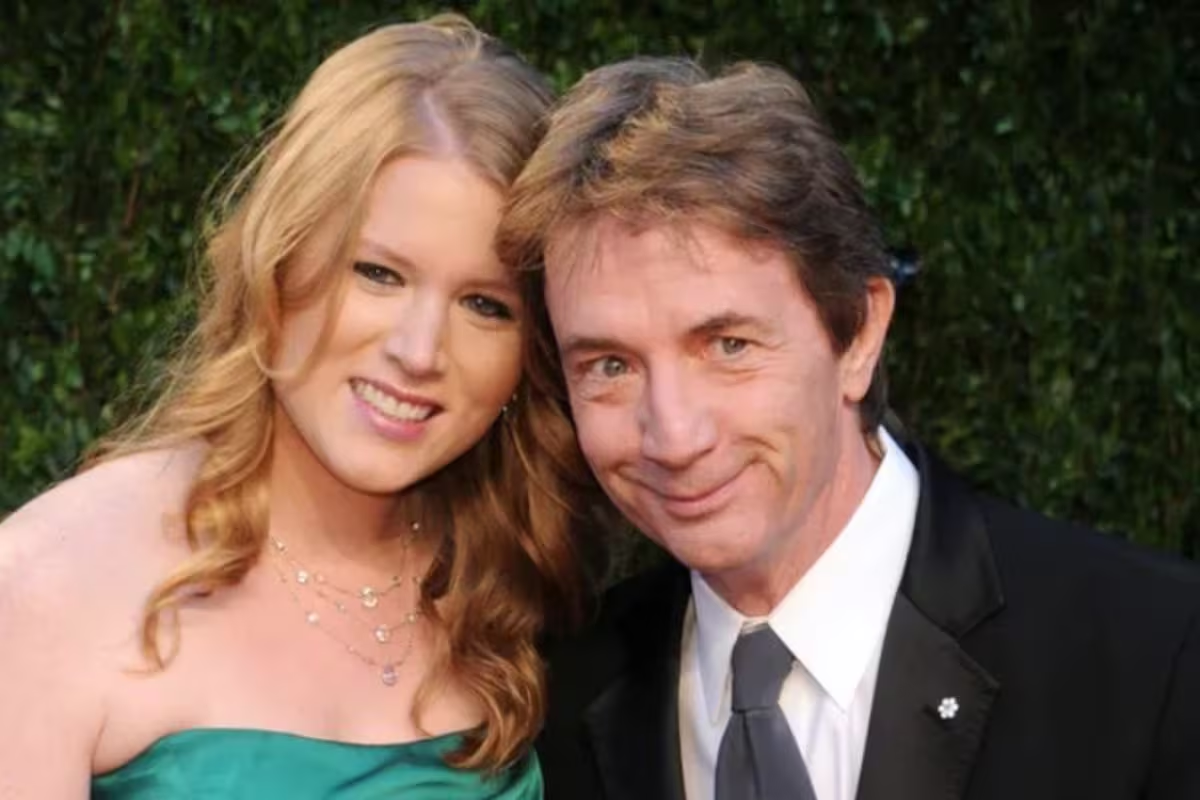
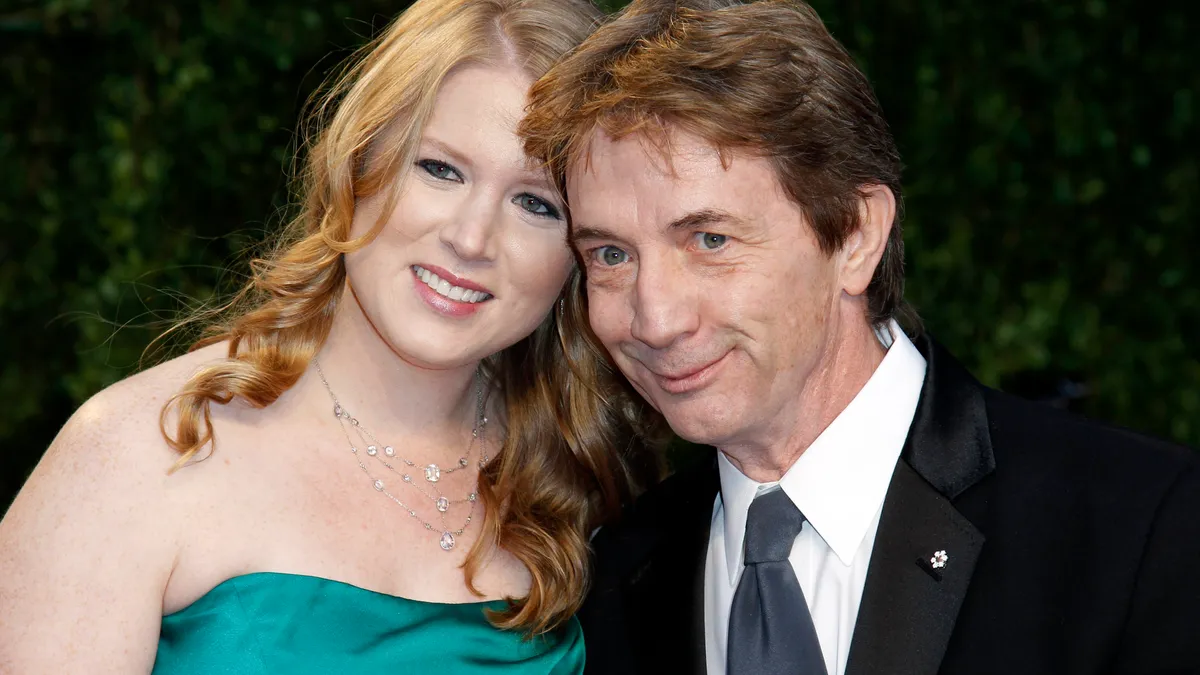
It's a call no parent wants to make.But after more than 24 hours of silence from his adult daughter, actor Martin Short asked a friend of his daughter's to go to her home for a wellness check, according to a report obtained by USA TODAY. Knowing his daughter had struggled with her mental health for years, it's possible Short was fearing the worst. Once at the house, the friend called 911 and authorities eventually found Katherine Hartley Short, 42, dead in her bedroom."My daughter fought for a long time with extreme mental health − borderline personality disorder, other things − and did the best she could until she couldn't," Short said during an interview with "CBS Sunday Morning" in May, adding that he wants more people to talk about mental health to take away the stigma.While some people struggling with their mental health may seek care or manage their condition without parental oversight, there are many cases in which parents of adult children with mental health issues are faced with impossible choices.There are 63 million unpaid family caregivers in the United States, and 28% care for a loved one with emotional or mental health issues, according to a 2025 AARP report.Randye Kaye, an author and mental health advocate, has lived this reality for decades with her 44-year-old son, who has schizophrenia. She wishes she knew more about the illness while he was a child, when she still had the legal authority to manage his care for him."When I had a baby, did I ever think I'd have to have a (protective) order against my own son? No," she said. "He's a gentle person, but I have to be realistic."Kaye has seen her son struggle with homelessness and addiction and helped him in the past, only to see him fall back. She's watched him decline rapidly after months-long hospital stays. She said she could relate to what likely led up to the tragic deaths of Rob and Michele Reiner, as well as the pain Short must have felt seeing his daughter struggle with her mental health."For years I had heard, 'the problem is you.' You're a helicopter mom, you're too involved. You're not involved enough. You're saving him. You're not helping him," Kaye said. She's written two books about her experience parenting her son, and the rollercoaster of loving an adult child who can't care for themselves. She's also a teacher/trainer for the National Alliance on Mental Illness, where she works with other parents who have children facing mental health struggles."We get blame, on top of the shame, on top of the grief," Kaye said, adding that she's "stepped in to save my son so many times.""But there's only so much you can do," she said.'I did everything in my power to support my child'Kaye said her son, who she described as "a great kid, extremely bright, so sweet, so gentle, so loving, a great big brother to my daughter," began to exhibit what she now knows are early symptoms of schizophrenia as an adolescent. She blamed those early signs on typical teenage moodiness and sought therapy and mentorship opportunities for him. But once he started using marijuana, she said, his mental health deteriorated and his behaviors grew more and more alarming."I think I could share this with Marty Short, the Reiners, every other family I've heard of: I did everything in my power to support my child where he was," she said. But after a while, she had to set boundaries.Melissa Malinoski, a physician assistant, works with patients suffering from mental health disorders and substance use. She always encourages these parents to find a therapist, "because it's really stressful.""Eventually, they are going to burn out," Malinoski said. "I've worked with a ton of families whose adult child has had enough meltdowns where they've hurt them, you know, really seriously hurt them."Though her son has struggled, Kaye said he's had good years, too, and has lived with her intermittently when he's been open to medication and finding some stability. Right now is not one of those times. Just like Short did in February, Kaye is in the process of trying to get a wellness check on her son now."I've gotten (my son) back and lost him so many times," Kaye said. "It's like a cancer that goes into remission and then comes back. That's how it feels."To cope, she holds on to the good moments."Any good day with him, any good meal with him, I just catch those memories like a falling star and I put it in my pocket," she said. "I always have hope, but I've learned not to have expectation."Madeline Mitchell's role covering women and the caregiving economy at USA TODAY is supported by a partnership with Pivotal and Journalism Funding Partners. Funders do not provide editorial input.Reach Madeline at memitchell@usatoday.com and @maddiemitch_ on X.