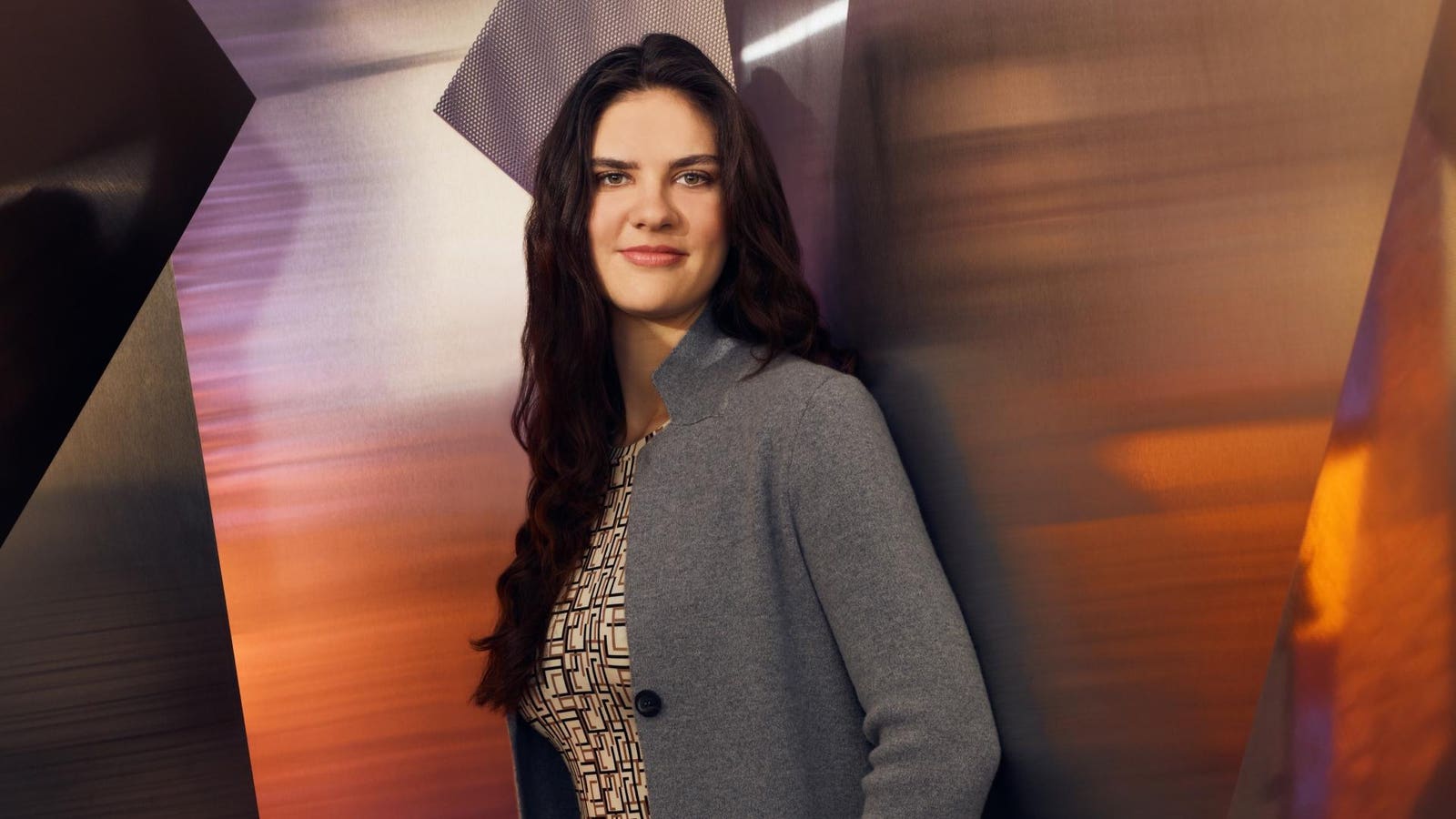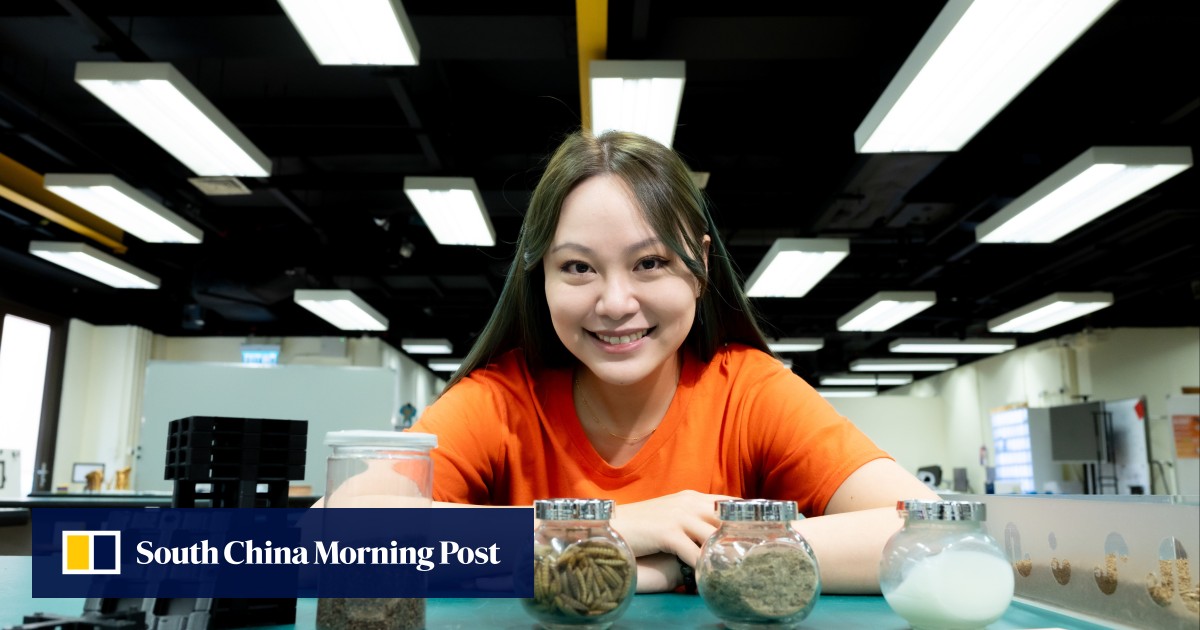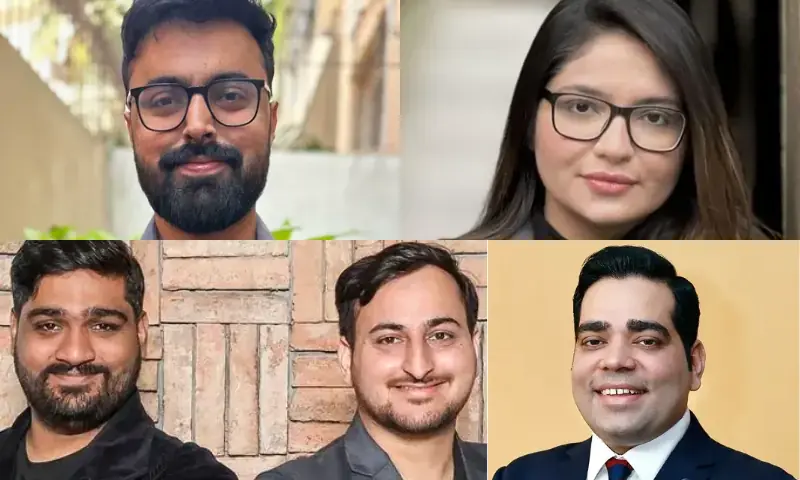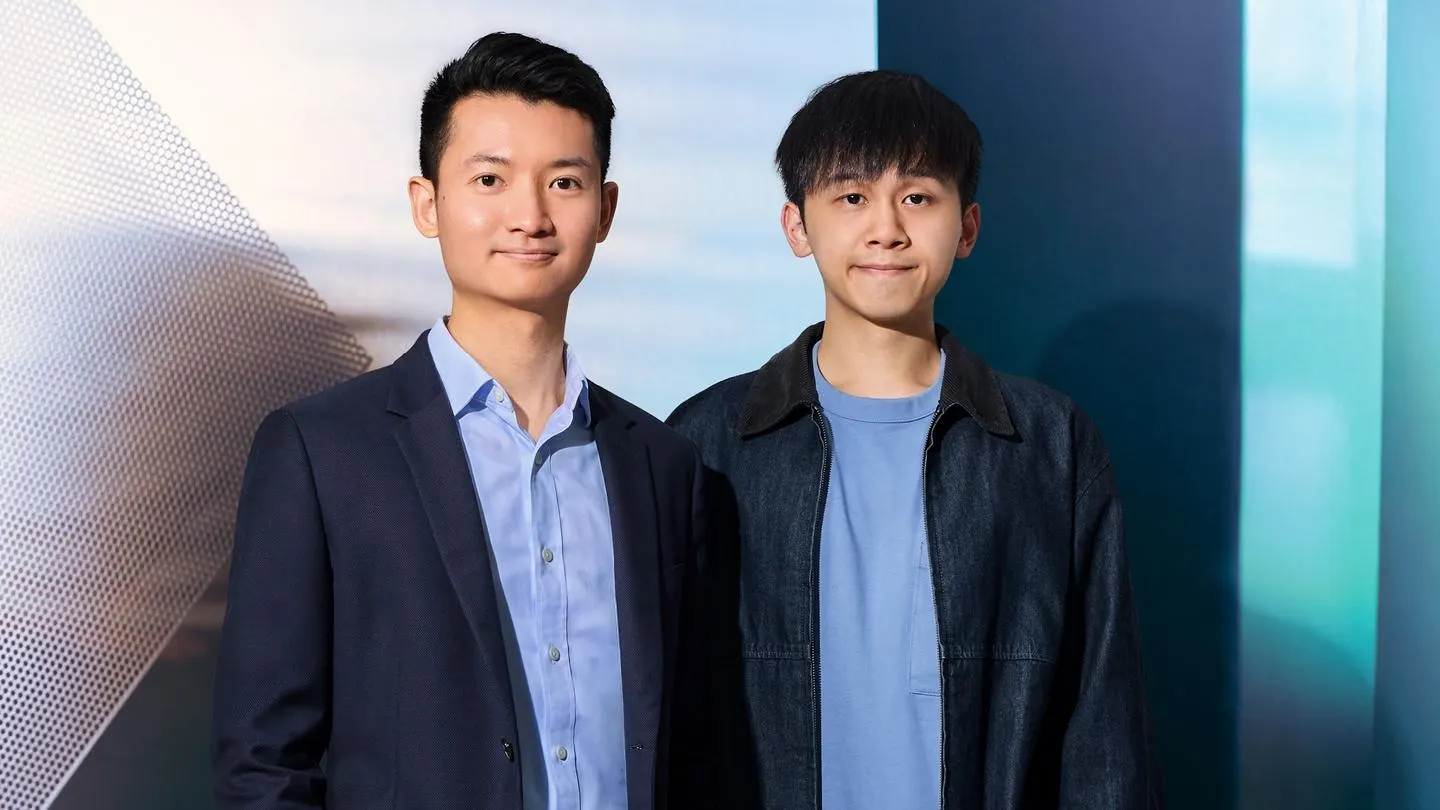
Also addressing food waste in Japan is Kai Hashizume, who cofounded Booon in 2022 to convert leftover food into a low-cost source of insect protein for aquaculture feed. The Nagasaki-based circular economy startup collects food waste from farms and processing plants and uses it to raise mealworms, reducing input costs while keeping organic waste out of landfills. Booon has developed a proprietary process to make the waste more digestible for mealworms, then turns the insects into fishmeal “recipes” tailored to specific species. Hashizume says the startup is addressing rising fishmeal costs and concerns about overfishing anchovies for feed ingredients. Meanwhile, in Australia, Belle Hayman and Benjamin Michelson cofounded FoodFilled to collect unsold food from roughly 170 supermarkets, cafes and bakeries and give it to partner agencies for distribution to people in need, including asylum seekers and people escaping domestic violence. Originally launched as a volunteer group in 2018, the Melbourne-based charity was formally established in 2020 and claims to have delivered more than 1.1 million meals. Hayman stepped down as CEO in early 2026 but remains a board member while Michelson is president.Upgrading Public Infrastructure Beyond food sustainability, this year’s social entrepreneurs are deploying robotics and construction technology to improve public infrastructure.Shreeram Ravichandran and Gobinath Pandurangan, cofounders of Modulus Housing.Supplied photoIn India, Shreeram Ravichandran saw the need for faster, more resilient construction firsthand when floods ravaged his hometown of Chennai in 2015. After earning a bachelor’s degree in civil engineering from the Indian Institute of Technology in Madras in 2018, he teamed up with schoolmate Gobinath Pandurangan to found Modulus Housing. The startup makes low-rise modular buildings that can be installed in two days. Modulus says it has completed over 1,200 buildings, including rapid-response hospitals, schools and warehouses. In December 2025, the startup raised a 700 million rupees ($7.8 million) Series A round led by Kalaari Capital and Samarthya Investment Advisors, as well as conglomerate Hero Enterprise.Across Asia, thousands of sanitation and industrial workers still enter hazardous confined spaces every day. India’s Shubham Vishvakerma cofounded Arc Robotics to take them out of harm’s way. The deeptech startup is developing flexible, snake-like robotic arms designed to navigate narrow, cluttered and unpredictable environments like sewers, industrial tanks and urban pipelines. Its systems can perform inspection, cleaning and maintenance tasks in spaces where manual work often poses serious safety risks. Arc Robotics works with municipal bodies and industrial clients to automate dangerous jobs and improve safety standards for sanitation and industrial workers.Supporting the MarginalizedSome listees this year are focusing their efforts on empowering neglected communities. Girish Mehta and Anisha Sharma, who both spent time in orphanages, cofounded the Careleavers Inner Circle (CLiC) Forum in 2021 to support India’s orphans and foster youth after they age out of institutions and lose government assistance when they turn 18. The nonprofit helps these “careleavers” access housing, financial assistance, vocational training, mental health support and employment opportunities. For those that lack documents such as passports or ID cards, CLiC Forum verifies personal details and issues a digital “CLiC ID” they can use to apply for government programs. The group is backed by UNICEF, the Azim Premji Foundation, and regional governments.Aishworya Shrestha, founder of Heart of Nepal.Supplied photoIn Nepal, Aishworya Shrestha started two nonprofits in her home country: Heart of Nepal, which works with Dalit and Janajati families to help them with education and economic empowerment, and Antardhoni Nepal, which offers free mental health services, including for victims of domestic violence. Shrestha, who won the Miss Grand Nepal beauty pageant in 2022, earned a master’s degree in social work from Nepal’s Tribhuvan University and is studying for a Ph.D. at Columbia University’s School of Social Work.Paras Kalura is COO of Migrasia Global Solutions, a Hong Kong-registered charity combating forced labor across Asia. Founded in 2018, Migrasia claims to have recovered about HK$280 million ($35 million) on behalf of migrant workers in cancellation of illegal debts, agency fee refunds and labor tribunal recoveries. Since joining Migrasia in 2022, Kalura has overseen tech developments at the charity, such as PoBot, an AI-driven chatbot for migrant workers needing legal advice. Advocating for Women’s HealthWomen’s wellness is another core focus of this year’s social entrepreneurs who are building for-profit businesses to improve access to health services and feminine hygiene products. Losing her mother to breast cancer at 15, Manami Yamada decided to focus on women’s health in her career. In 2021, her company My Fit launched Mylily, an app that helps women going through menopause. Patients consult doctors via video chats, get prescriptions and arrange deliveries of the medications. The Tokyo-based company has raised ¥160 million ($1 million) in funding, including from Anobaka.In India, Shruti Chand founded Naarica in 2023 to manufacture antibacterial and reusable menstrual underwear that can save up to 200 disposable pads over the garment’s lifespan of three years. Through sales directly to consumers and through NGOs and government bodies, its product has reached more than 50,000 women in India, Nepal and Sri Lanka. In 2025, Naarica secured 2.5 million rupees from investors including Saina Nehwal, India’s first Olympic medalist in badminton.Shruti Chand, founder of Naarica.SUPPLIED PHOTOSimilarly, Noureen Aysha is a cofounder of FemiSafe, a direct-to-consumer startup that sells period products, such as menstrual cups and environmentally-friendly alternatives to conventional disposable sanitary pads. FemiSafe has also expanded to include wellness products, such as magnesium body lotion, acne patches and period cramp relief supplements. In 2024, FemiSafe launched the “Pad-Free Kerala” campaign in the southwestern state of Kerala, with support from Kerala’s chief minister, to educate women on menstrual cup use.Read our complete Social Impact list here – and be sure to check out our full Forbes 30 Under 30 Asia 2026 coverage here.30 UNDER 30 ASIA RELATED ARTICLESForbesMeet The Forbes 30 Under 30 Asia Class Of 2025By Rana Wehbe Watson
Forbes 30 Under 30 Asia: The Social Entrepreneurs Tackling Issues From Food Waste To Inequality
Across Asia-Pacific, young startup and nonprofit founders are using an entrepreneurial mindset and technology to fight for better environmental and human conditions.
961 words~4 min read