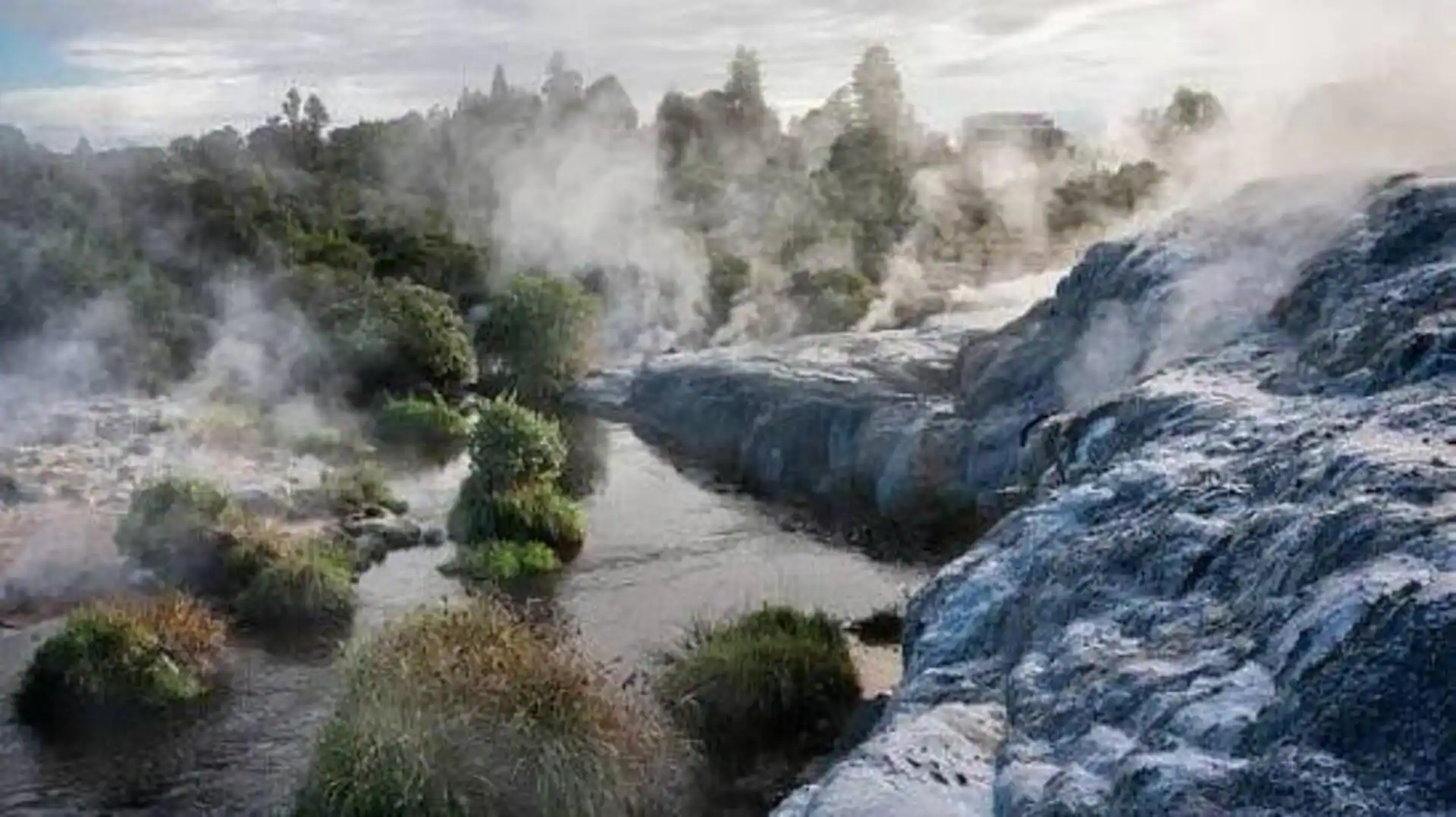
New Zealand’s coastline extends across two main islands separated by the Cook Strait, and the beaches that line those islands reflect the full range of what ocean environments can produce. The North Island’s beaches tend toward warmer water and more accessible conditions, with surf beaches on the west coast and sheltered harbors and coves on the east. The South Island’s west coast is wilder and wetter, shaped by the Southern Alps and the Tasman Sea, while the east coast runs from the alpine landscapes of Otago north to the top of the island and the national parks that line it. The seasonal calendar works differently here than in the Northern Hemisphere: summer runs December through February, but the shoulder seasons — autumn from March through May and spring from September through November — often deliver beach-quality weather across much of the country.
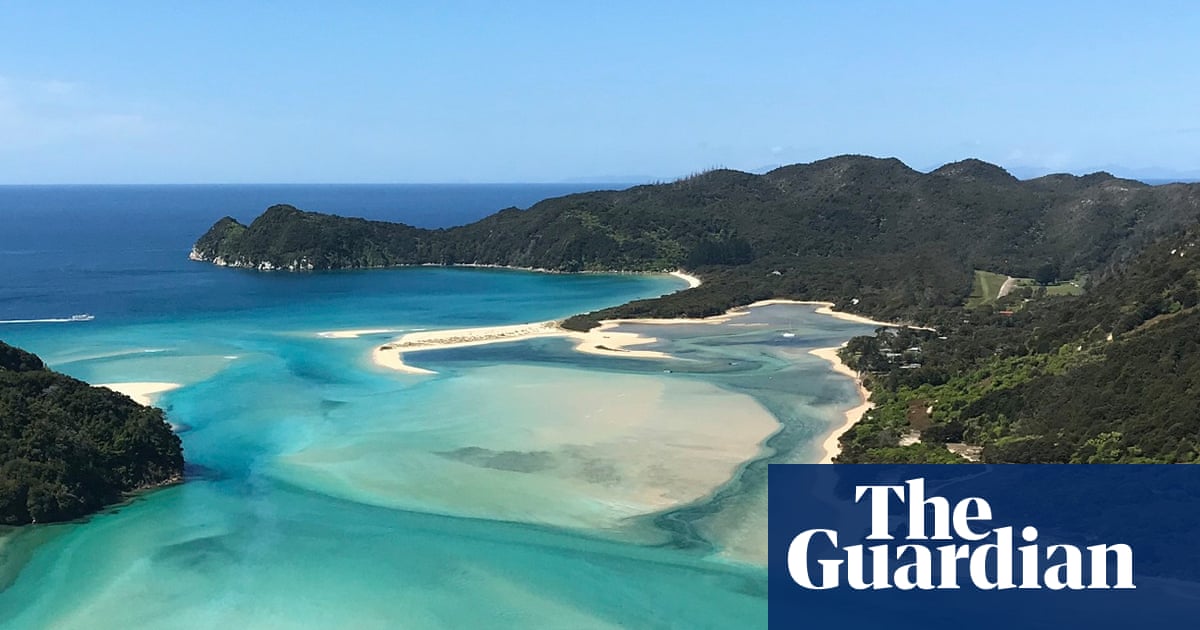
The beaches here span both islands and showcase the variety New Zealand’s geography offers. Several are remote enough to require planning: Awaroa Beach in Abel Tasman National Park is accessible only by boat or multi-day hike, and Rarawa Beach is a five-hour drive from Auckland. Others are within an hour of major cities and can be done as day trips. Together, they cover the range from surf beaches to geothermal sand, from white quartz shores to black volcanic sand, and from geological curiosities to UNESCO-recognized natural environments.