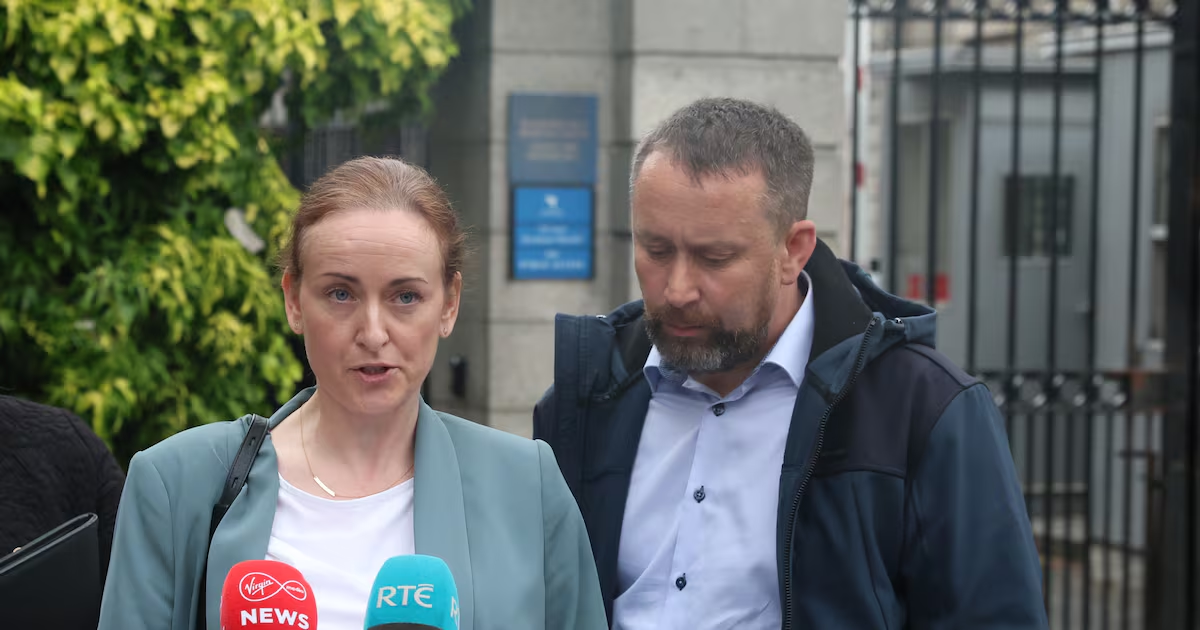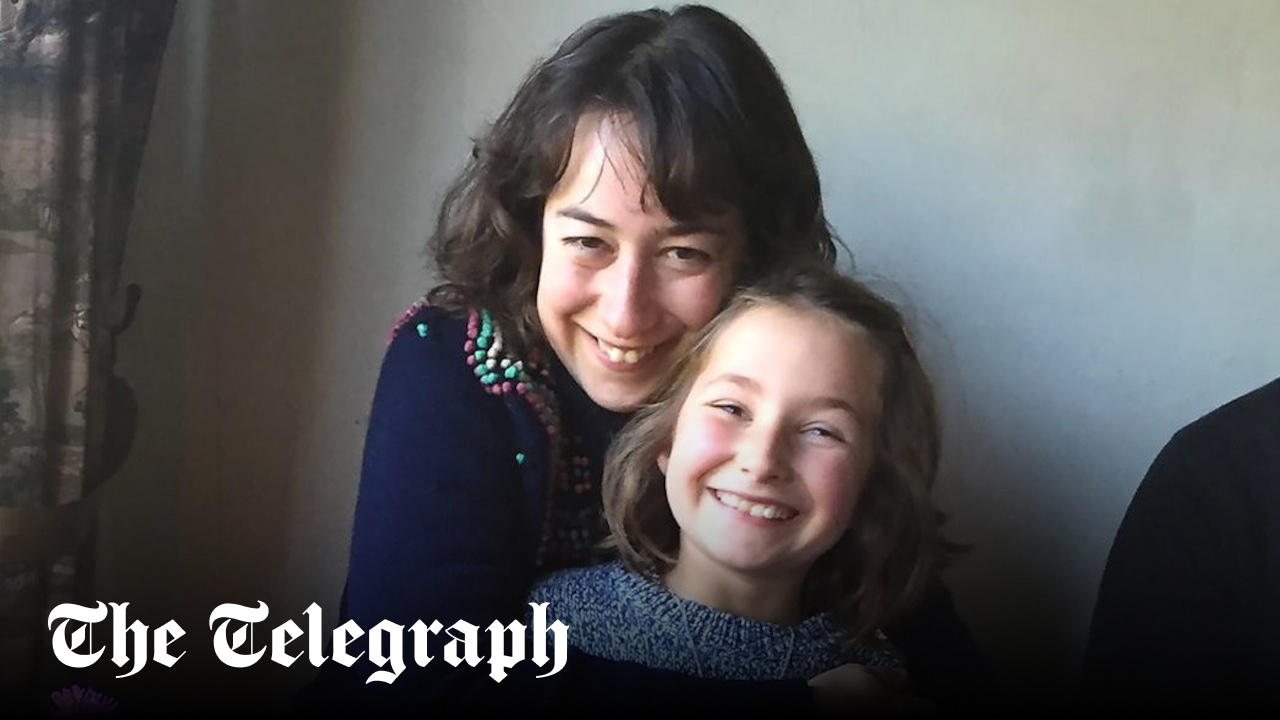
An inquest into the death of a full-term, stillborn baby girl in Mayo University Hospital in December 2023 has recorded a verdict of medical misadventure.Marion Hunt, mother of Amelia Rose Hunt, attended the hospital in Castlebar on a number of occasions in the month leading up to her daughter’s birth, raising concerns about her baby’s movements.A sitting of the Mayo Coroner’s Court in Swinford on Wednesday heard Hunt’s pregnancy was considered high risk under a number of headings.The 42-year-old was considered to be of “advanced maternal age” and Amelia was conceived via IVF. Hunt was diagnosed with polyhydramnios, which is an excess of amniotic fluid.Concerns were also flagged on her chart about the risk of shoulder dystocia, an obstetric emergency where a baby’s head is delivered, but their shoulder gets stuck behind the mother’s pelvic bone.Hunt had attended the hospital on three occasions and raised concerned about reduced foetal movement. Her consultant did not at any point suggest or advise her about an elective Caesarean section, the court heard.Announcing her verdict, coroner Dr Eleanor Fitzgerald said there were indications that an elective section could have been offered to Hunt. The coroner acknowledged there is “no guarantee” a baby will be delivered safe and well, but added that there were “warning signs that trouble could have been on the cards”.In conclusion, Fitzgerald said it was her belief that “alternative” treatment options should have been offered and these “may have managed the outcome for baby Amelia and Marion”.Speaking outside the court, Amelia’s parents Marion and Robert Hunt described the verdict as a “relief”.“Amelia deserved justice because what happened to her wasn’t right. We feel that today has vindicated us and shown that there were things that could have been done,” Marion said.“There’s no reason why she shouldn’t be here. If this loss prevents other people and other families going through this, it will have been worth fighting all the way for this.”Marion Hunt attended hospital on December 27th, 2023 to be induced into labour at 38 weeks. By noon, she said she experienced significant pain from contractions, which increased in severity and frequency over the following 30 minutes.Two scans were then carried out, with both confirming there was no foetal heartbeat. Marion Hunt was transferred to a bereavement room and delivered Amelia at 12.55am on December 28th, at which point the umbilical cord was wrapped tightly around her body.A postmortem was not carried out but the court heard the cause of death was understood to be cord obstruction.In her statement to the court, Marion Hunt said they had wanted a third child, and particularly wanted a baby girl but had difficulty conceiving.She and Robert underwent several years of fertility treatment in an attempt to conceive, which was a challenging time for the couple.“The loss of our daughter has devastated our family,” she said. “After everything we did to have Amelia, I would never have run the risk of a natural delivery if I knew that [injury] could have happened to her.”Dr Tariq Awadalla, consultant in obstetrics and gynaecology, under whose care Hunt fell, said he did not feel an elective Caesarean section was the best option for the baby on the balance of risks and benefits at that time. “I admit I should have explained that. I thought at the time I was doing the best for her and her baby. That’s why I chose to go with induction,” he said.At a meeting six weeks after Amelia’s death, Awadalla told the grieving parents he was “very sorry I failed you”.“I feel very emotional about it. I am still terribly sorry,” he told the court but maintained it was his opinion that a C-section was not appropriate given the risks.
Couple ‘vindicated’ after coroner rules medical misadventure in case of stillborn baby girl
Court hears Marion Hunt was not offered C-section during ‘difficult’ birth of baby Amelia Rose in December 2023
617 words~3 min read