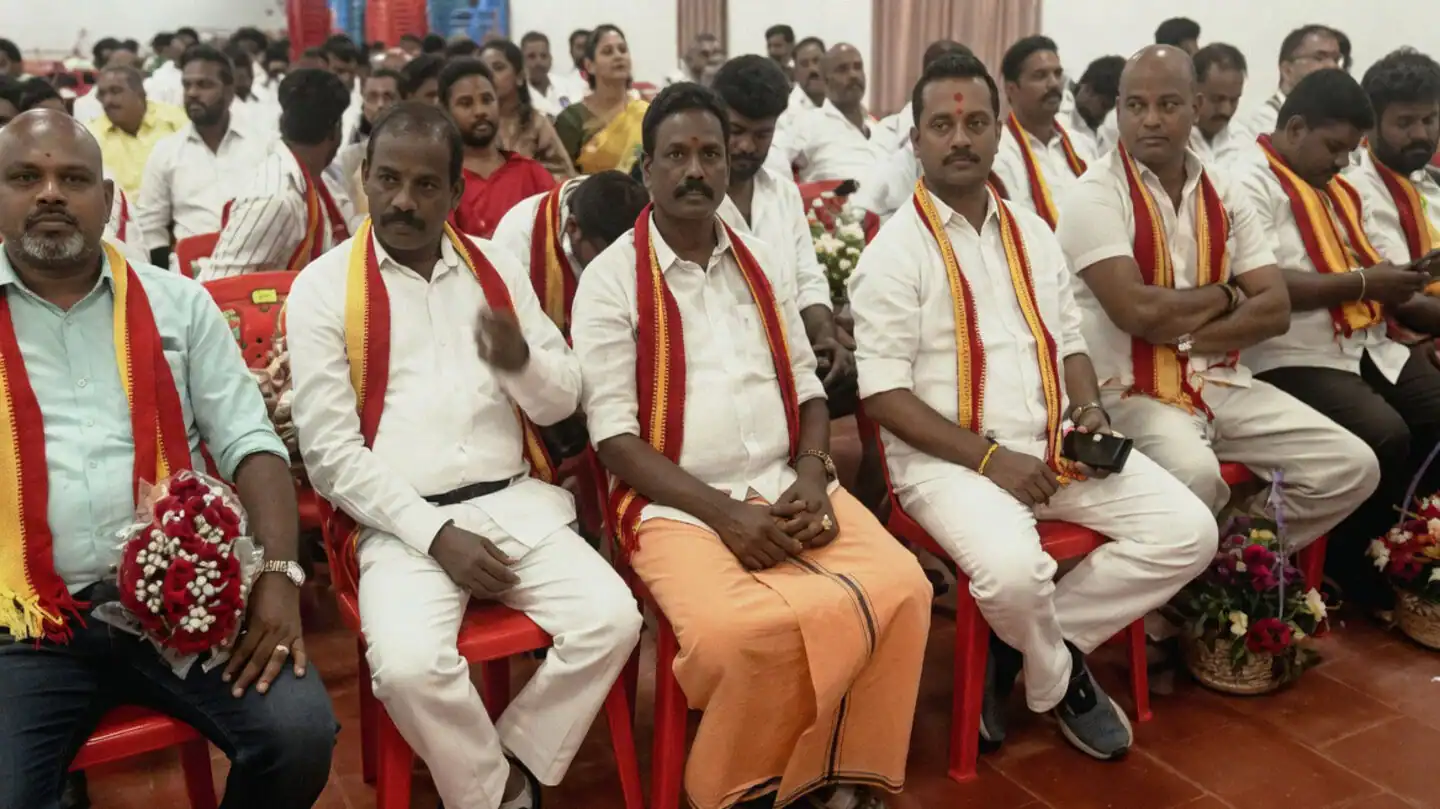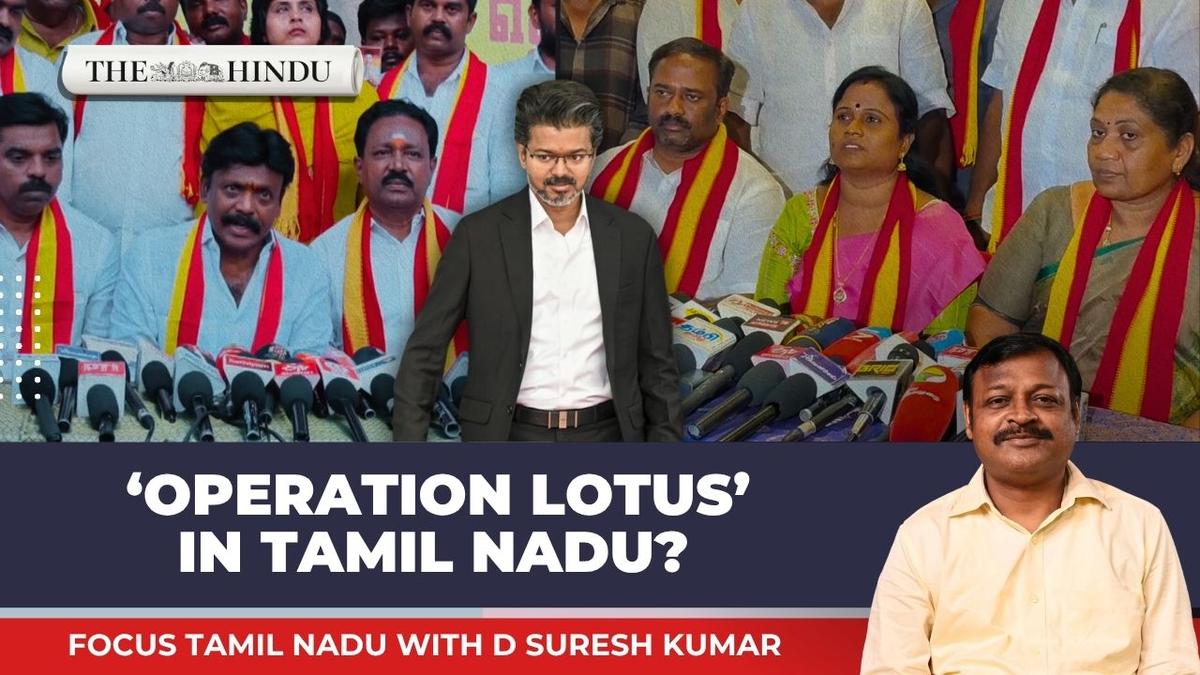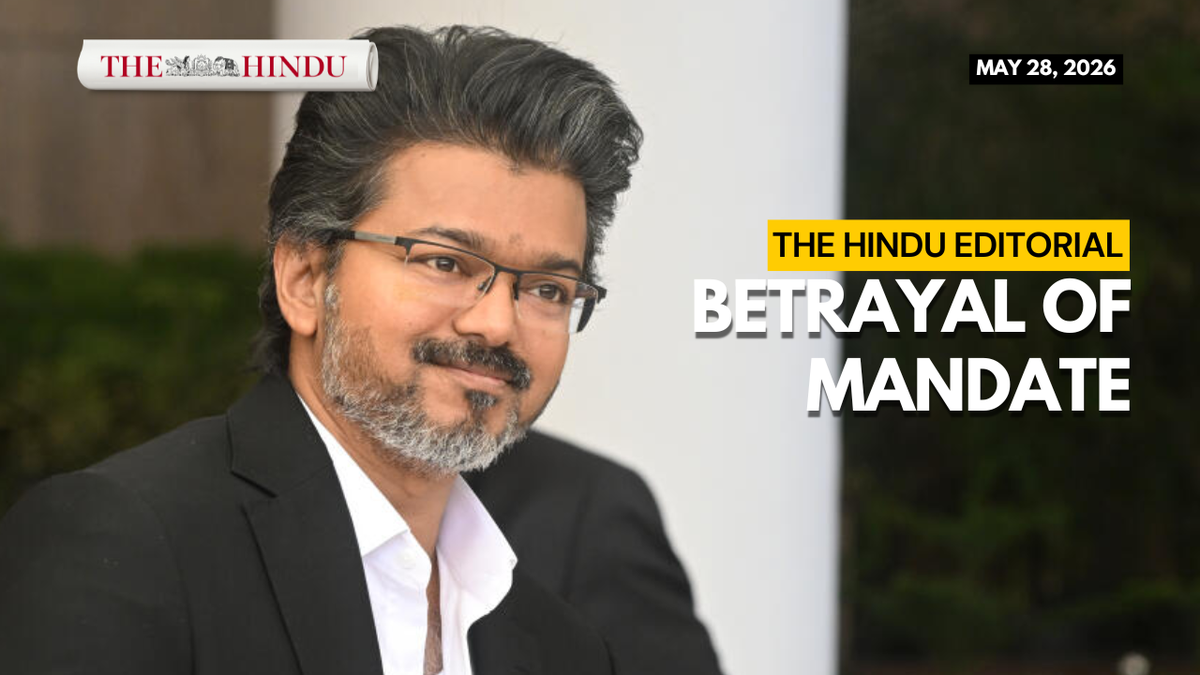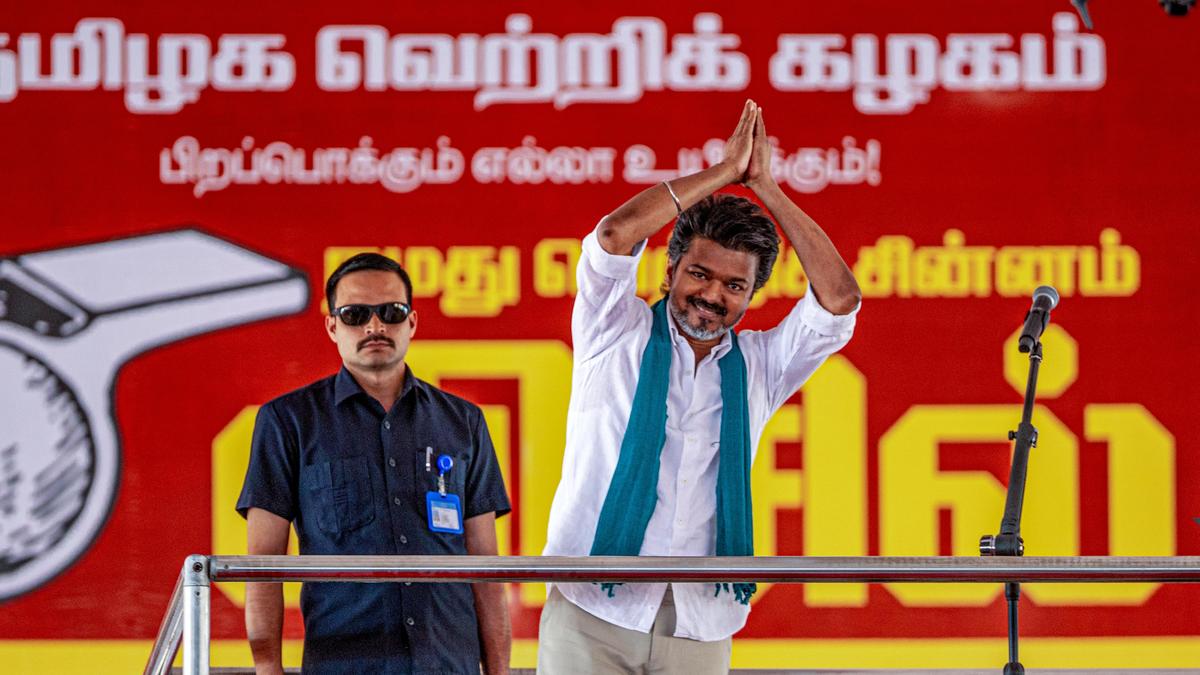
Before the indelible ink applied on voters’ index fingers could fade, the Tamilaga Vettri Kazhagam (TVK) has introduced in Tamil Nadu a disturbing brand of politics bearing striking similarities to the ‘Operation Lotus’ model first adopted by the Bharatiya Janata Party (BJP) in Karnataka. By instantly embracing into its fold four All India Anna Dravida Munnetra Kazhagam (AIADMK) legislators who resigned their Assembly membership, the fledgling TVK, which marketed itself as a “pure force”, has adopted a dubious tactic deployed by its “ideological opponent”, the BJP. This model encourages Opposition legislators to resign and join the ruling party, with an opportunity to re-enter the Assembly through by-elections. Irrespective of its legitimacy or the prospects of the four legislators re-entering the electoral fray soon, the operation’s objective remains no different from the ‘Aaya Ram, Gaya Ram’ model of horse-trading. The AIADMK rebels, who voted for the TVK during the trust vote, attributed intra-party concerns to their resignations, which the Speaker accepted in quick time. Apart from dishonouring the people’s mandate within just 21 days, the move comes when petitions for their disqualification were pending with the Speaker. Clearly, the TVK is wary of the inherent political checks and balances in the State’s fragile first post-poll coalition government and appears to be preparing to ease out allies should they pose challenges.The development is not entirely surprising, as the TVK has so far displayed an uncanny political instinct for exploiting support from rival parties to tide over crises, be it after the Karur rally stampede or during government formation. In the wake of the fractured mandate, the TVK simultaneously reached out to constituents of both the Dravida Munnetra Kazhagam (DMK)-led Secular Progressive Alliance and the National Democratic Alliance that includes the AIADMK and the BJP. Early on, Amma Makkal Munnetra Kazhagam leader T.T.V. Dhinakaran had flagged an attempt to poach his lone legislator. Besides, despite securing the support of the DMK’s erstwhile allies, C. Joseph Vijay had no qualms about calling on tainted AIADMK rebel leaders on the eve of the floor test, while calculatedly ignoring the party’s general secretary, Edappadi K. Palaniswami. This encouraged divisions within the AIADMK legislature party during the voting, prompting representations for disqualifying the rebels. By now, ‘Operation Lotus’ has become a familiar playbook for subverting the people’s mandate. The trend calls for amendments to election laws, perhaps through the imposition of a “cooling period” restraining candidates from contesting the immediate by-election caused by their resignation. Otherwise, such defections accompanied by resignations will only be seen as subverting democratic processes. Published - May 28, 2026 12:20 am IST
Betrayal of mandate: on the TVK and Tamil Nadu politics
The fledgling Tamilaga Vettri Kazhagam, which projected itself as a “pure force”, has adopted the very dubious political tactics long associated with its claimed ideological opponent
430 words~2 min read