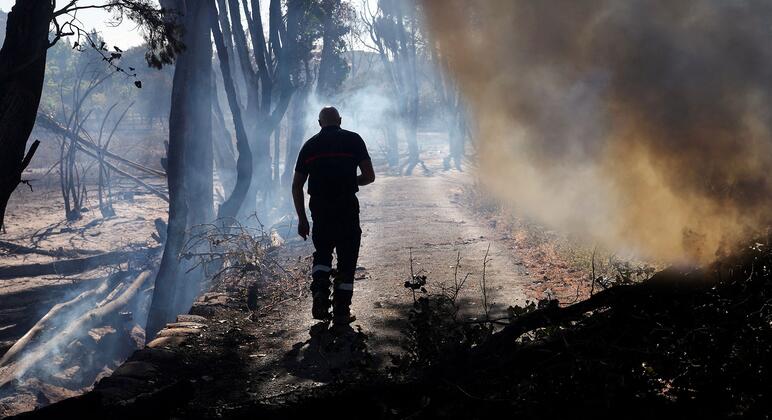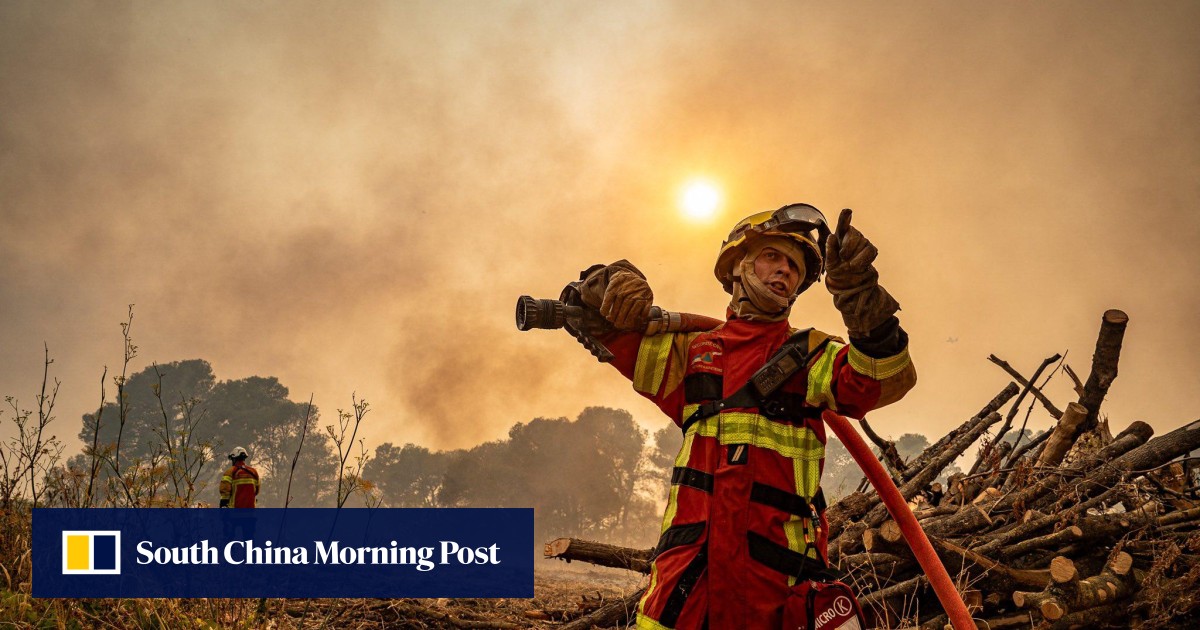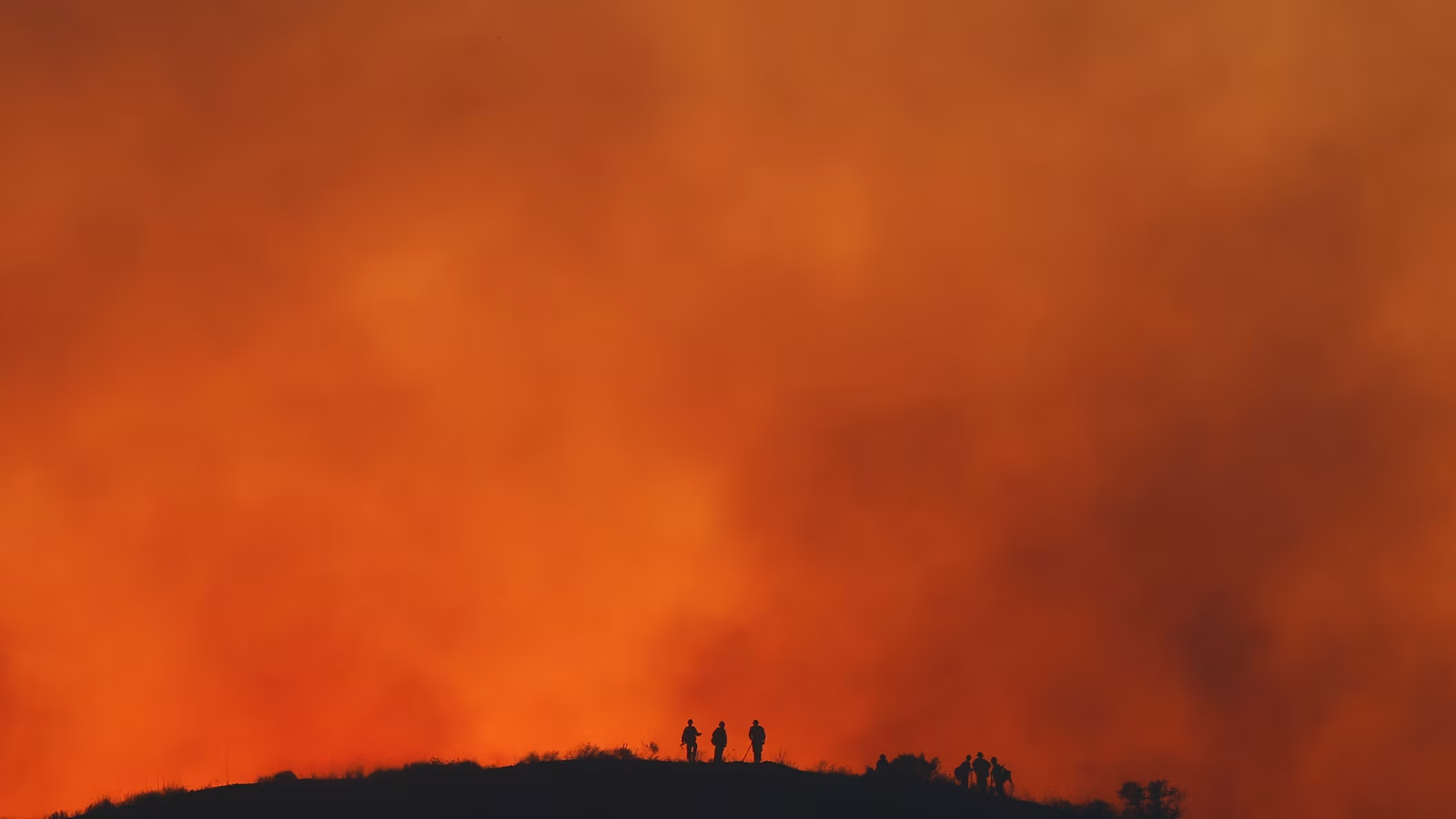
Flames tower over the redwoods. A thick blanket of dense, black smoke spirals upwards, leaving behind a pungent, acrid stench. A fierce wind howls, sucking at the flames. The wall of fire edges closer, slowly eating through the forest.
Wildfires are on the rise around the globe. Ever more frequent, severe and longer lasting fire hotspots are expanding to new territories, as the fingers of climate change reach farther around the planet.
But it’s not just the destructive power of the flames we need to worry about. As the landscape burns it releases a hazardous mix of pollutants into the atmosphere, including ozone, nitrogen oxide, and ultra fine particles.
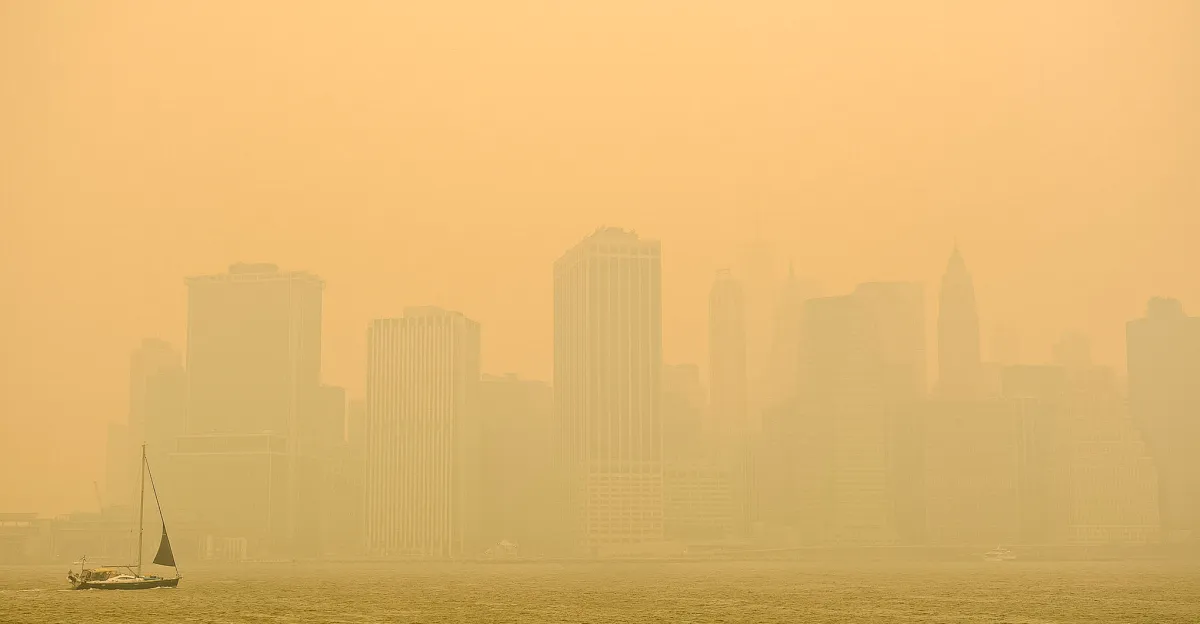
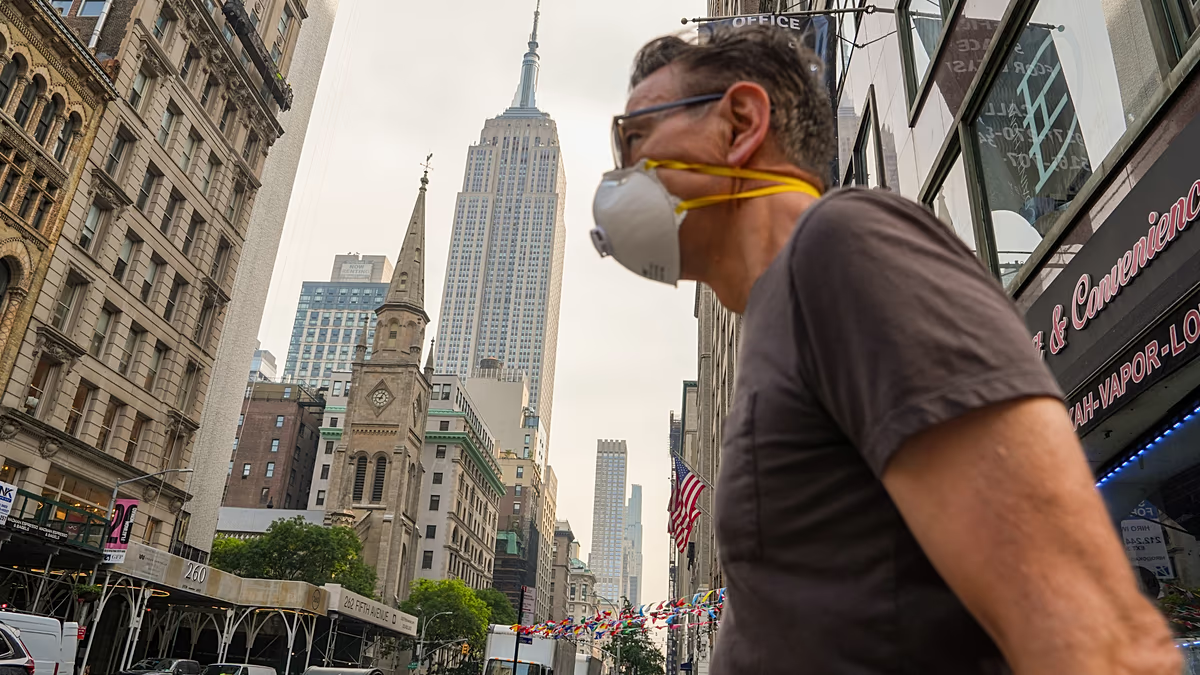
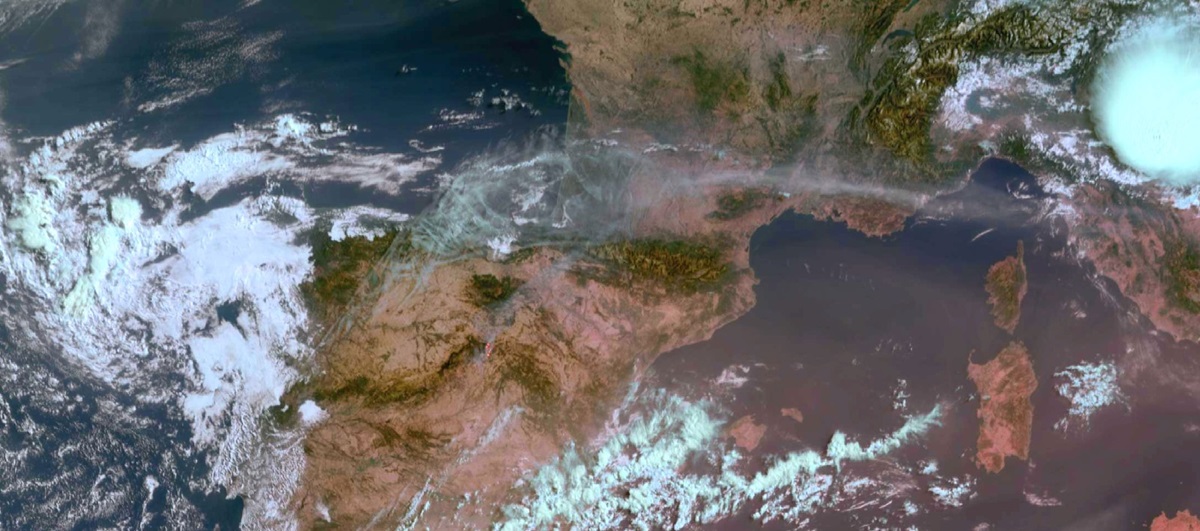
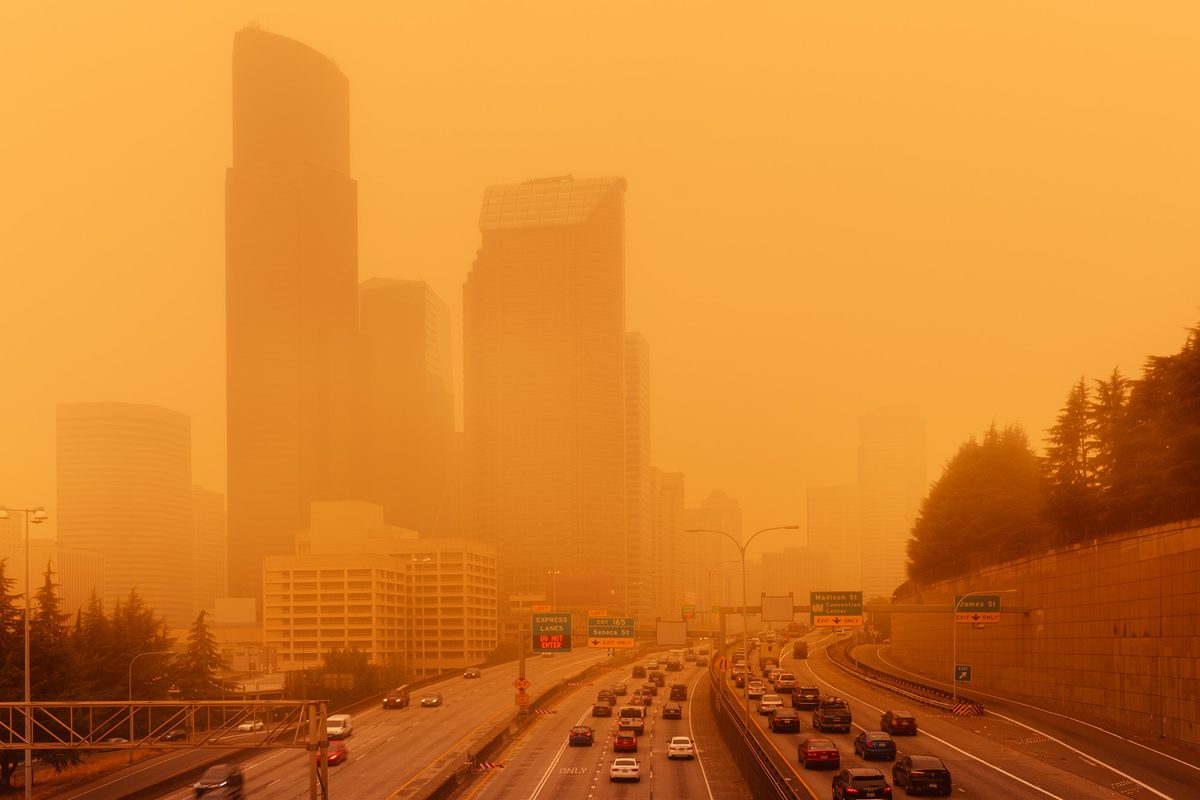
The people living nearby aren’t the only ones choking on the smoke. If the wind is strong enough, toxic wildfire smoke can be detected hundreds of kilometres from the actual flames. You could be in New York, and breathe in the smoke from a wildfire raging in California without ever knowing.
Smoke from a 2020 fire in LA was carried by the wind up right across the US - Credit: NOAA