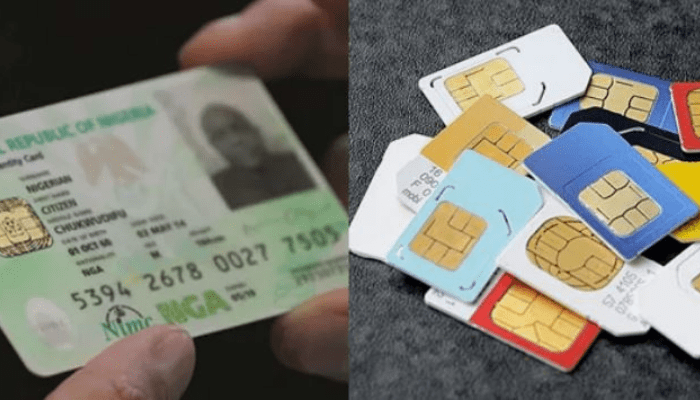
Nigeria’s fast-growing digital financial system, once celebrated for expanding access to banking services, is now facing a deepening security dilemma.
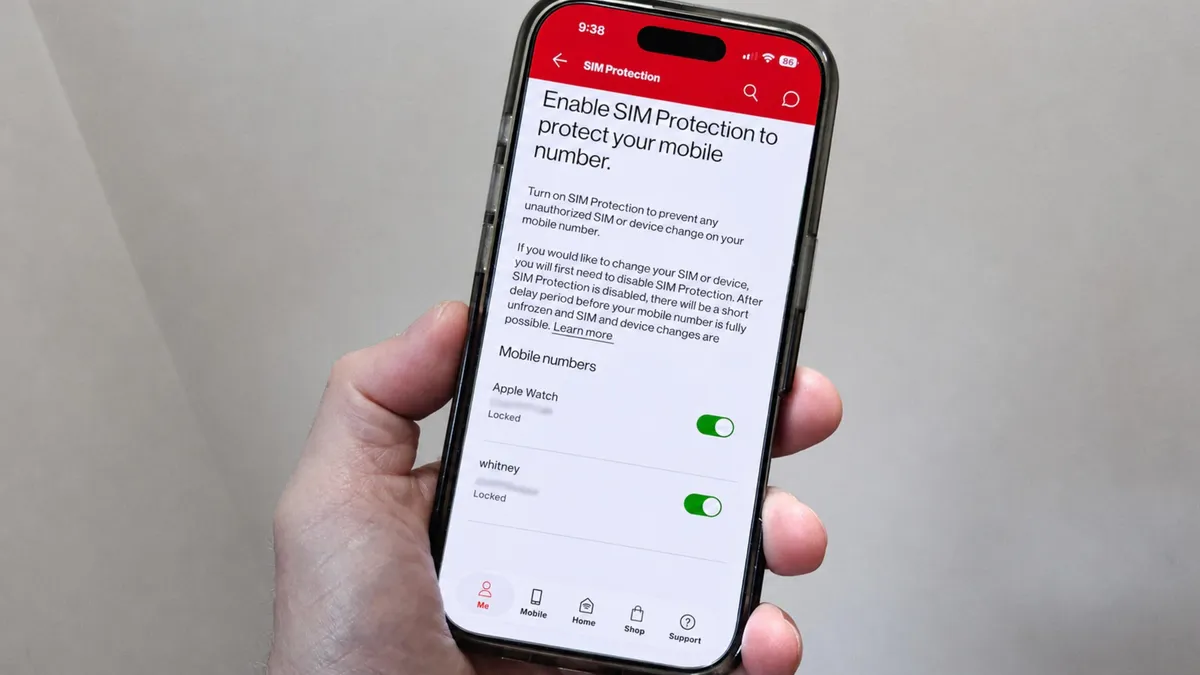
The same telecom networks that power mobile banking have become a critical vulnerability point exploited through SIM swap and number recycling attacks.
From Lagos to Abuja and across the diaspora, cases are emerging where users lose control of their phone numbers, sometimes without warning and shortly after, their bank accounts begin to show unauthorized activity. The issue is no longer isolated. It sits at the intersection of telecom regulation, banking authentication systems, and identity management failures in a highly connected financial ecosystem.
At the centre of the debate is how deeply telecom infrastructure is now embedded in Nigeria’s banking architecture. Mobile numbers are no longer just communication tools. They are identity keys.
A digital identity built on phone numbers