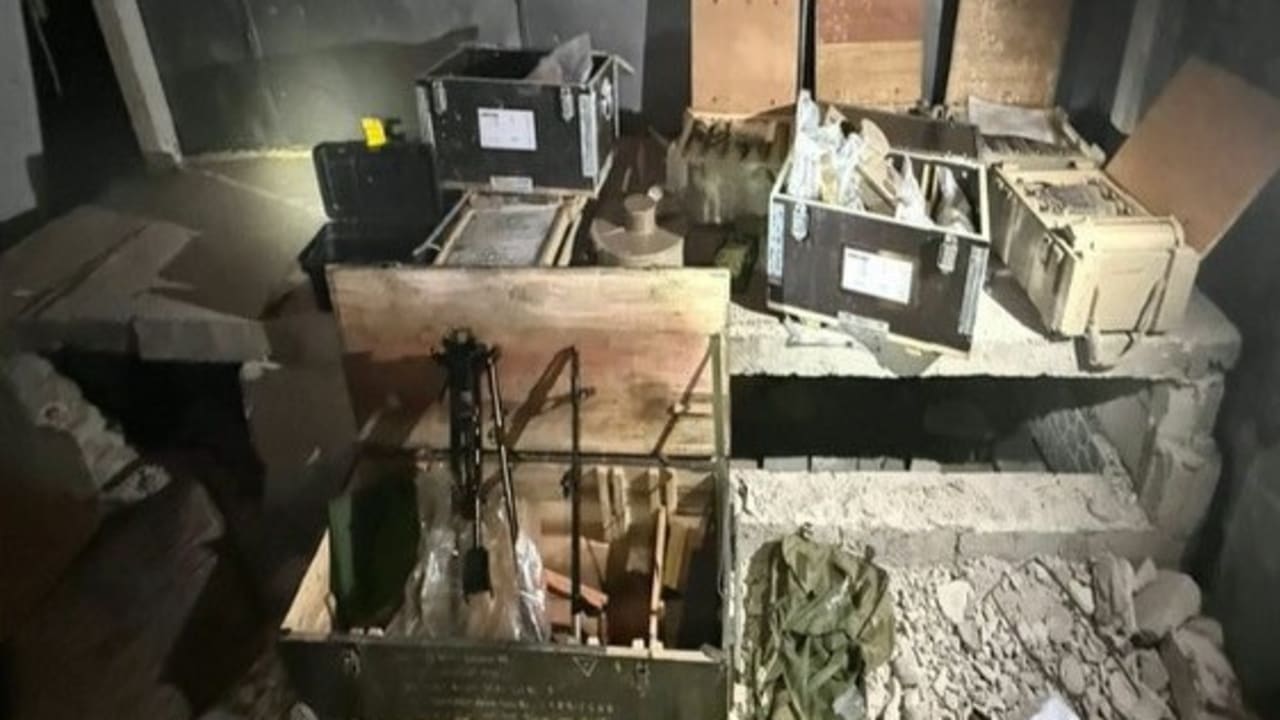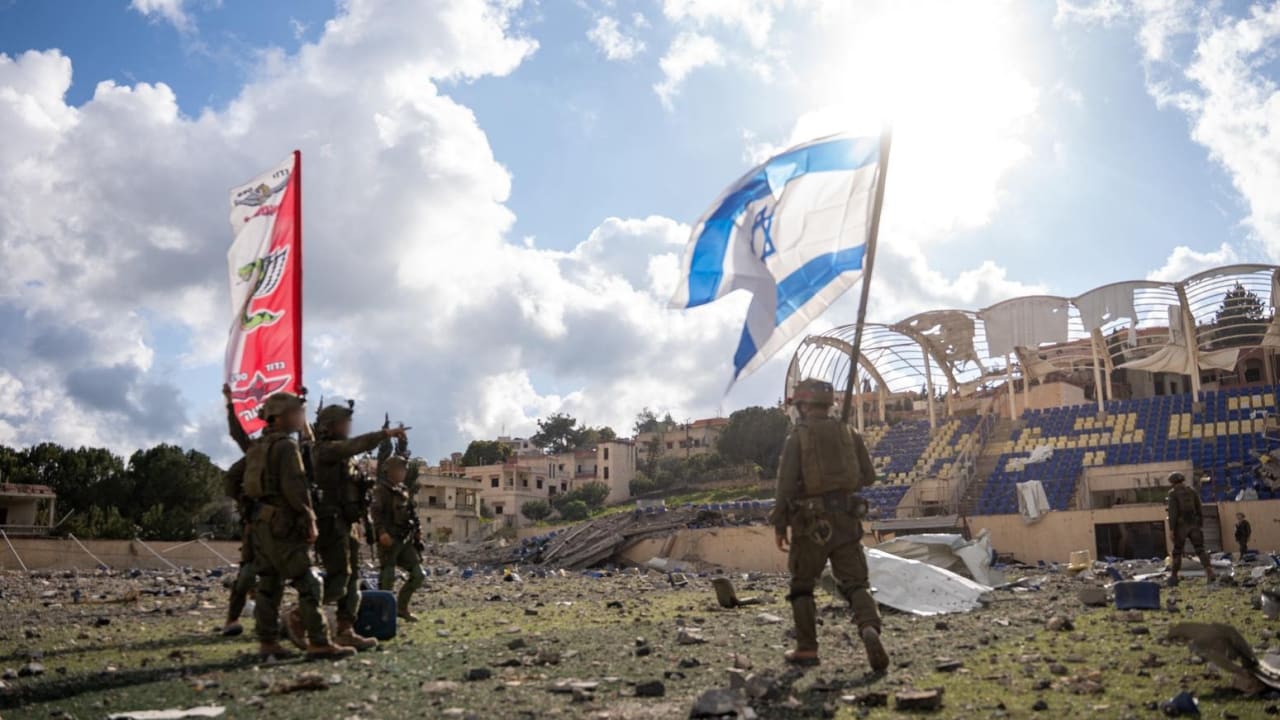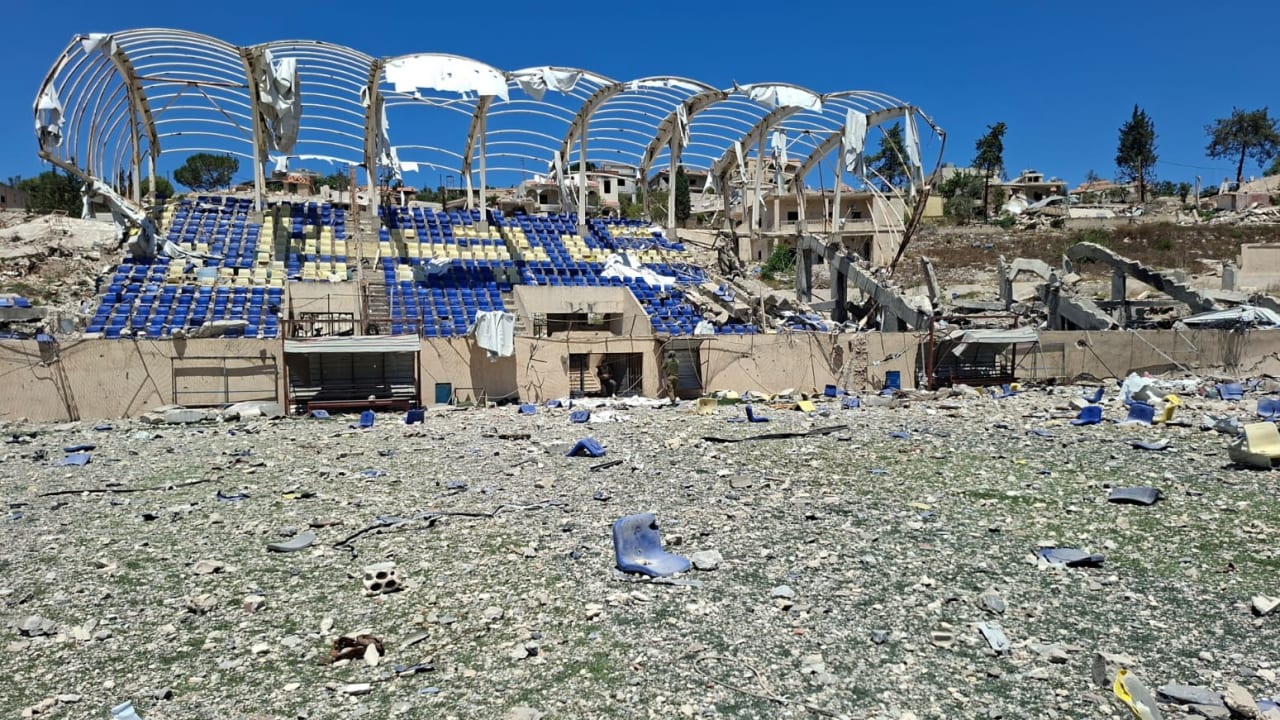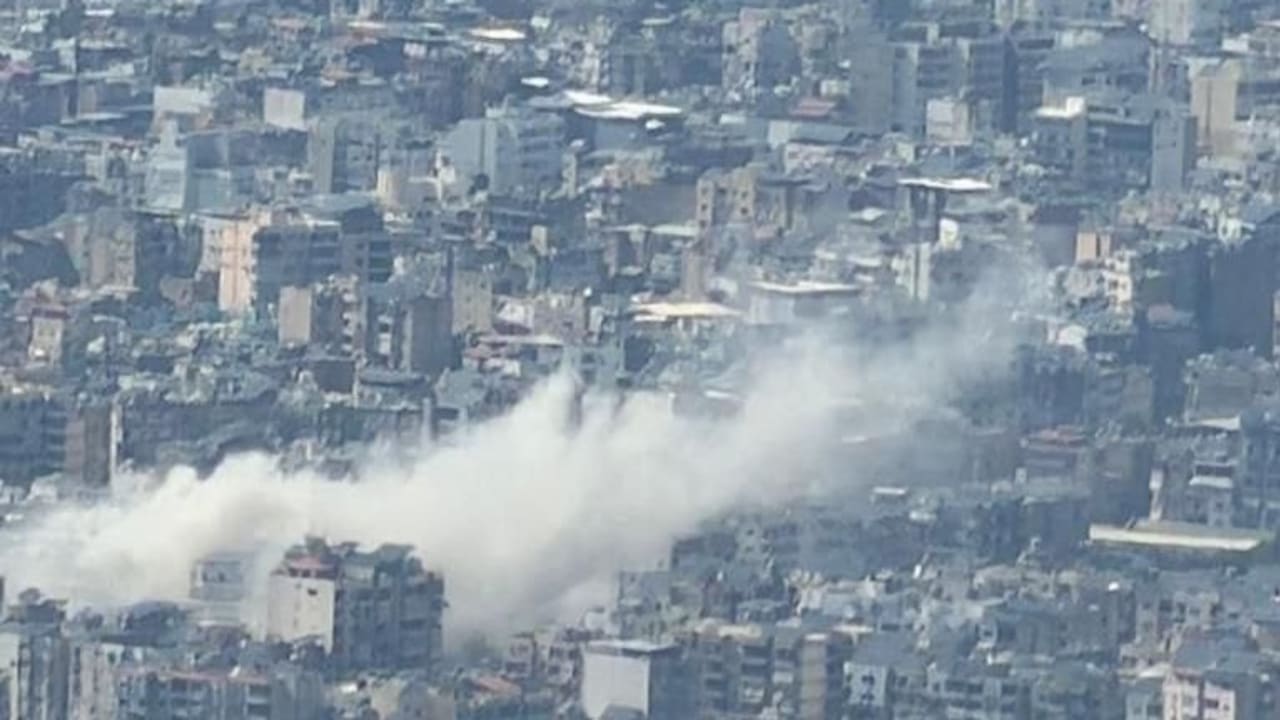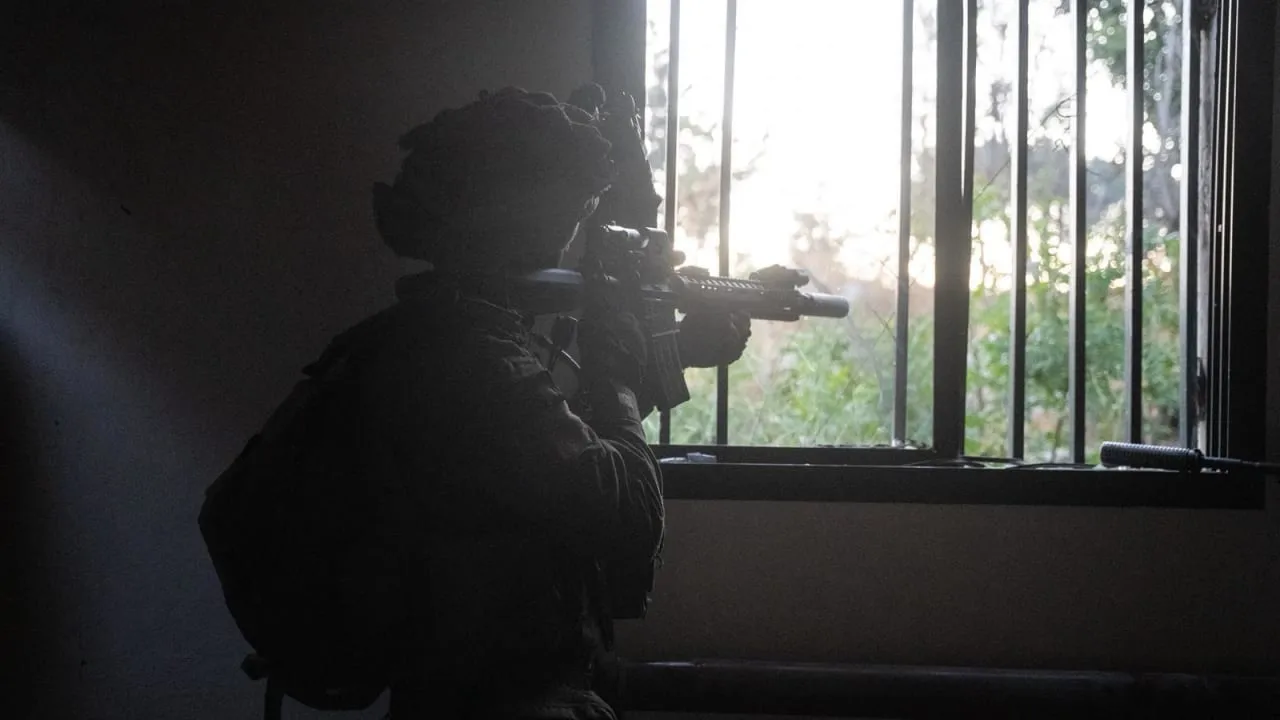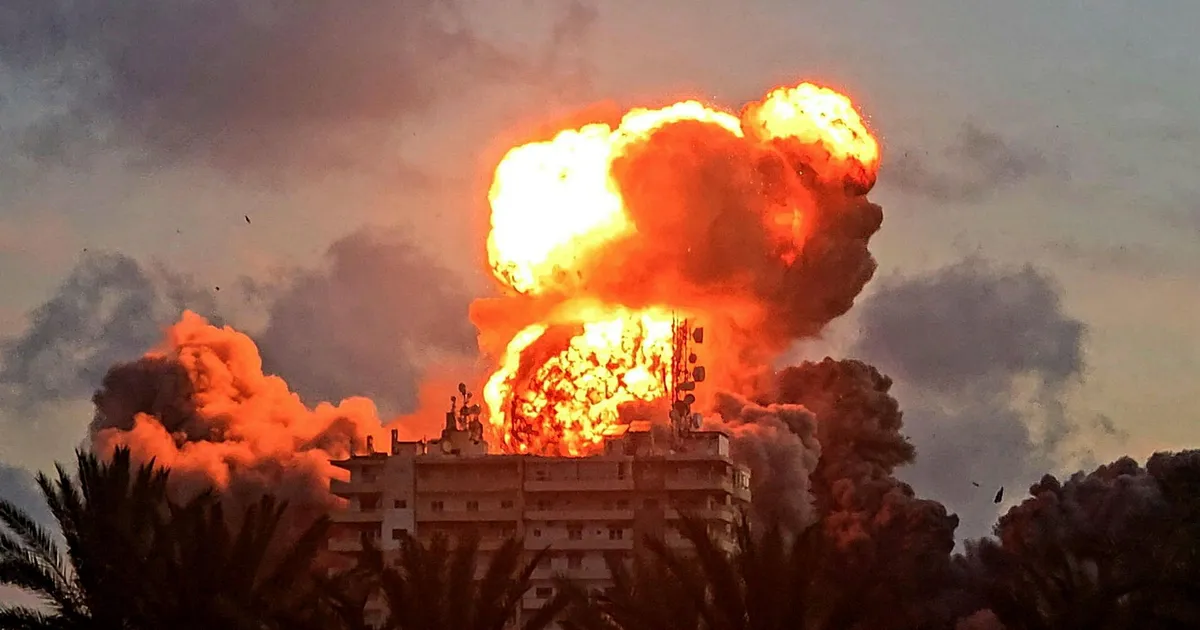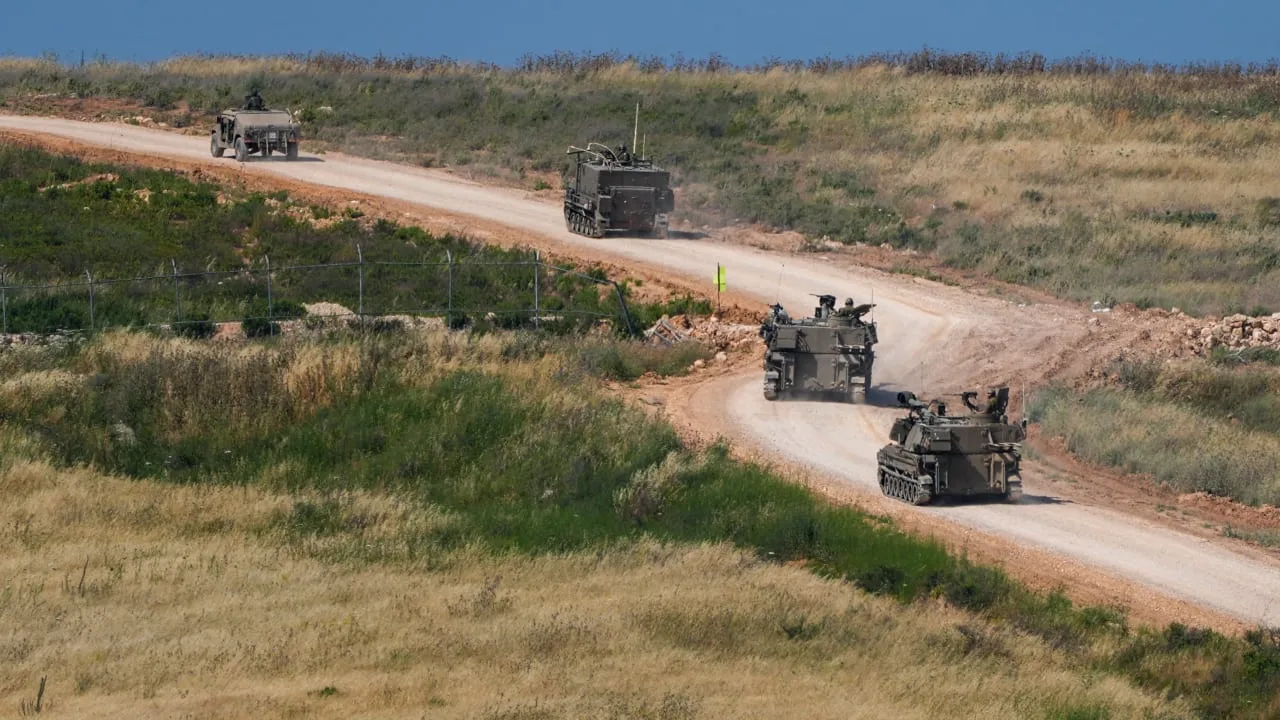
ByYONAH JEREMY BOBMAY 27, 2026 21:05Updated: MAY 27, 2026 21:08The Israel-Hezbollah conflict intensified on Wednesday with the IDF striking over 150 targets in Tyre, Nabatieh, the Bekaa Valley, and throughout southern Lebanon, and the terror group launching drones at Rosh Hanikra, Shlomi, and sirens wailing in Kiryat Shmona.Hezbollah also continued to launch drones at IDF soldiers in southern Lebanon, with expected additional injuries following weeks of regular injuries and occasional deaths.Throughout Wednesday, IDF Arabic Spokesperson Col. (res.) Avichay Adraee warned residents of a long list of cities and villages to evacuate north of the nearby Zahrani River or otherwise away from locations of Hezbollah, which the IAF was planning to strike.“In light of the Hezbollah terror organization’s violations of the ceasefire agreement, the IDF is forced to act against it with force and does not intend to harm you,” he said multiple times.Late Wednesday night, the IDF said that over the course of the week, it has struck over 550 Hezbollah targets.Israeli self-propelled artillery vehicles travel in a convoy toward southern Lebanon near the Israeli-Lebanese border, May 27, 2026. (credit: AYAL MARGOLIN/FLASH90)The IDF did not provide any new updates regarding its invasion deeper into Lebanon, which it revealed on Tuesday.In response to ongoing Hezbollah drone attacks, which have harmed an increasing number of IDF soldiers, the IDF confirmed on Tuesday that the military had invaded deeper into Lebanon beyond the April 17 ceasefire yellow line.Extent of penetration into Lebanon unclearIt was unclear how much deeper the IDF would penetrate, though for the moment, it appears the penetrations are temporary, with no intent to hold onto additional territory.Yet, when the IDF initially entered southern Lebanon, its initial goals were only to take over a few kilometers.It only pushed deeper toward the Litani River when its initial invasion failed to stop Hezbollah from striking Israel's northern border towns.In that sense, how far the IDF may go could depend on whether the new moves actually block Hezbollah from striking those northern villages.Moreover, Prime Minister Benjamin Netanyahu on Tuesday night suggested that the IDF may hold onto some of the new areas it has taken to establish a larger security zone in southern Lebanon.Further, in prior interviews, multiple IDF officials cited specific locations beyond the yellow line, but nearby to their existing positions, from which they believed they could reduce the drone threat if they took those positions.In fact, on April 29, the IDF's 7th Armored Brigade Commander Col. Shaul Yisraeli expressed frustration to The Jerusalem Post that the April 17 ceasefire with Hezbollah has generally restrained him from initiating attacks further into central or northern Lebanon to reduce the terror group's long-range attacks on his troops.He said Hezbollah was using strategic points nearby, but slightly further North, to continue to regularly launch aerial attacks on his soldiers, and that at the same time, the ceasefire was not allowing him to secure those areas so that his soldiers would be less threatened.Katz: Trump restraining IDF from attacking BeirutDefense Minister Israel Katz on Tuesday said in a cabinet meeting that, on one hand, the Trump administration was restraining the IDF from attacking in Beirut, but that on the other hand, the IDF generally had a free hand in many areas to strike Hezbollah.It was unclear how Katz would resolve the gap between the idea that the IDF can strike Hezbollah anywhere versus the clear restrictions the Trump administration has placed on Israel since the April 17 ceasefire.After all of this, if Hezbollah simply moves its drones and launching teams back further, it could potentially continue to launch drones at IDF soldiers.Multiple IDF officials repeatedly failed to explain how pushing Hezbollah from around 10 kilometers from Israel's border to around 12 kilometers back would stop the Lebanese terror group from launching drones at Israel with a 30-kilometer range.Whether the latest IDF penetration is truly designed to gradually increase Israeli control of Lebanese territory as a pressure point to get Hezbollah to reduce drone attacks or even agree to partial disarmament, or whether it is more symbolic to try to convince the Israeli public that the IDF and government are responding harshly to the drone attacks, also remains unclear.Separately, late Tuesday night, Channel 14 reported that the IDF has destroyed around 10,000 homes in southern Lebanon.Multiple IDF sources had failed to contradict these numbers on Tuesday night and throughout the day on Wednesday.The enormous amount of destruction would be commensurate with the public threats Katz made during the war.In contrast to Katz, who may seek to make statements to impress Israel's domestic audience in preparation for the upcoming elections, the IDF has tried to downplay publicizing when its "targets" are specifically homes.On the other hand, the IDF has taken multiple media tours, including the Post, to southern Lebanese villages to see that the vast majority of the homes there contained Hezbollah weapons.To date, there has been less global condemnation of the IDF's conduct of the war in Lebanon, given a much lower death toll and a much lower percentage of accidentally killed civilians than in Gaza.However, the publicizing of the number of destroyed houses could complicate Israel's image globally regarding the Lebanon war if clear proof is not assembled and presented systematically (versus on a piecemeal basis) regarding the homes being used for weapons storage.Follow us on Google
IDF may have destroyed 10,000 weapon-holding homes in Lebanon | The Jerusalem Post
Prime Minister Netanyahu on Tuesday night suggested that the IDF may hold onto some of the new areas it has taken to establish a larger security zone in southern Lebanon.
881 words~4 min read