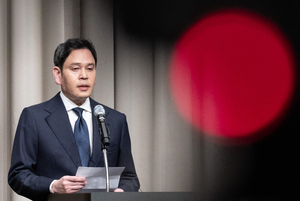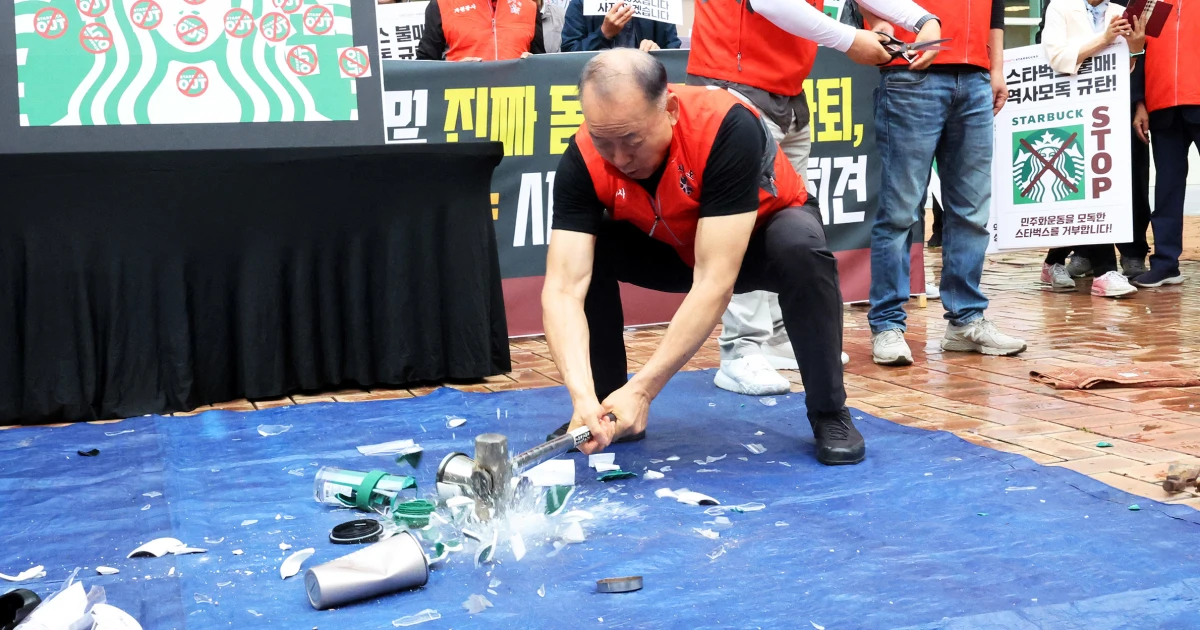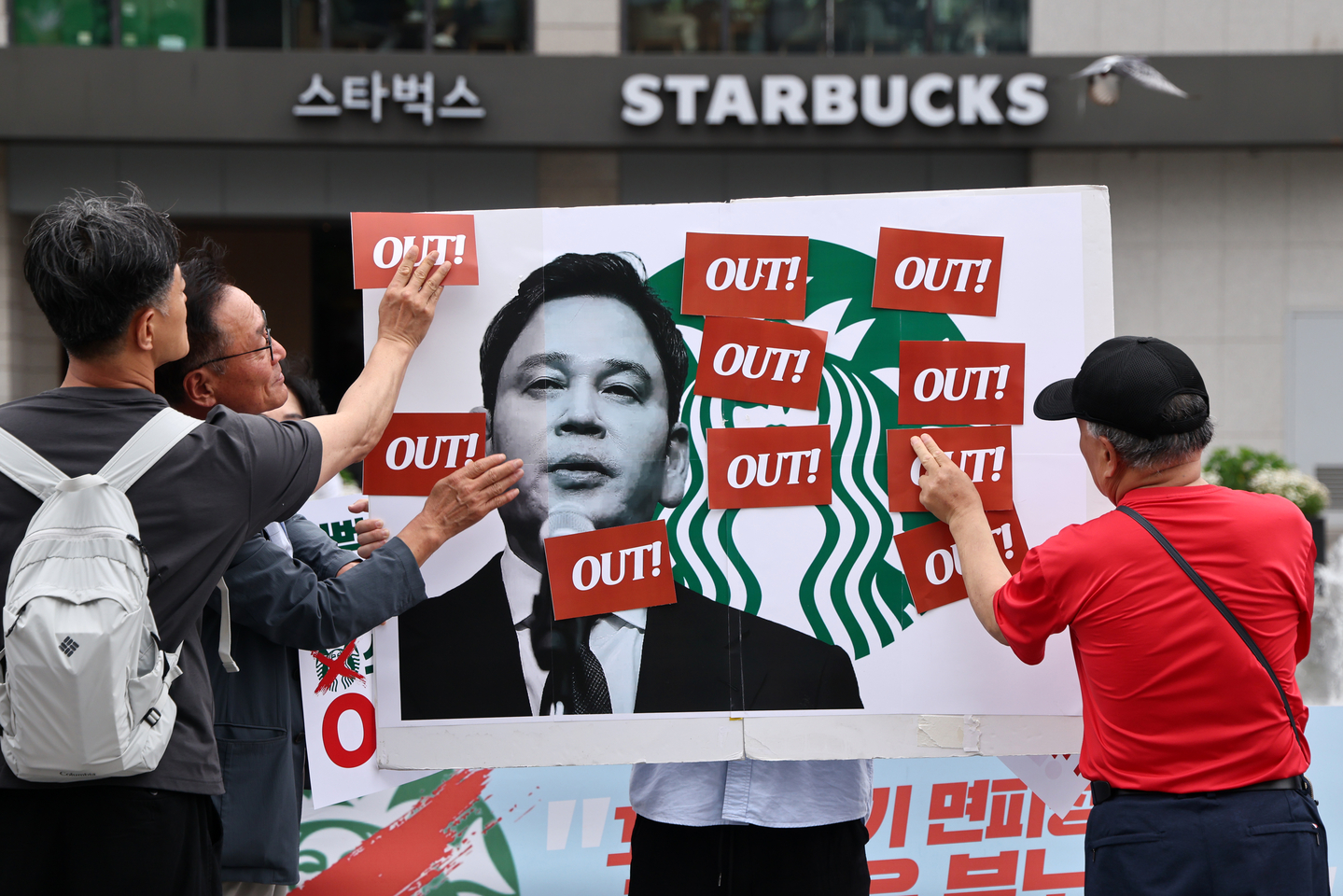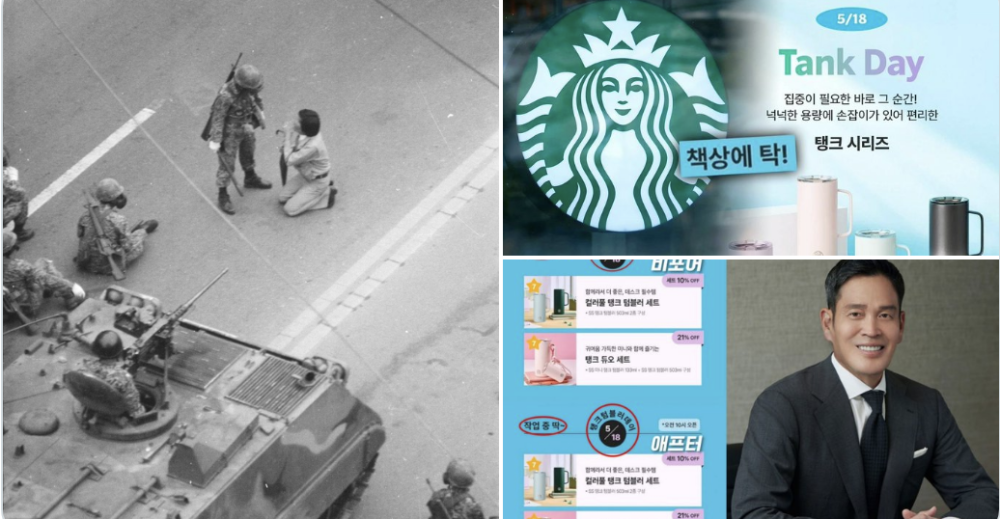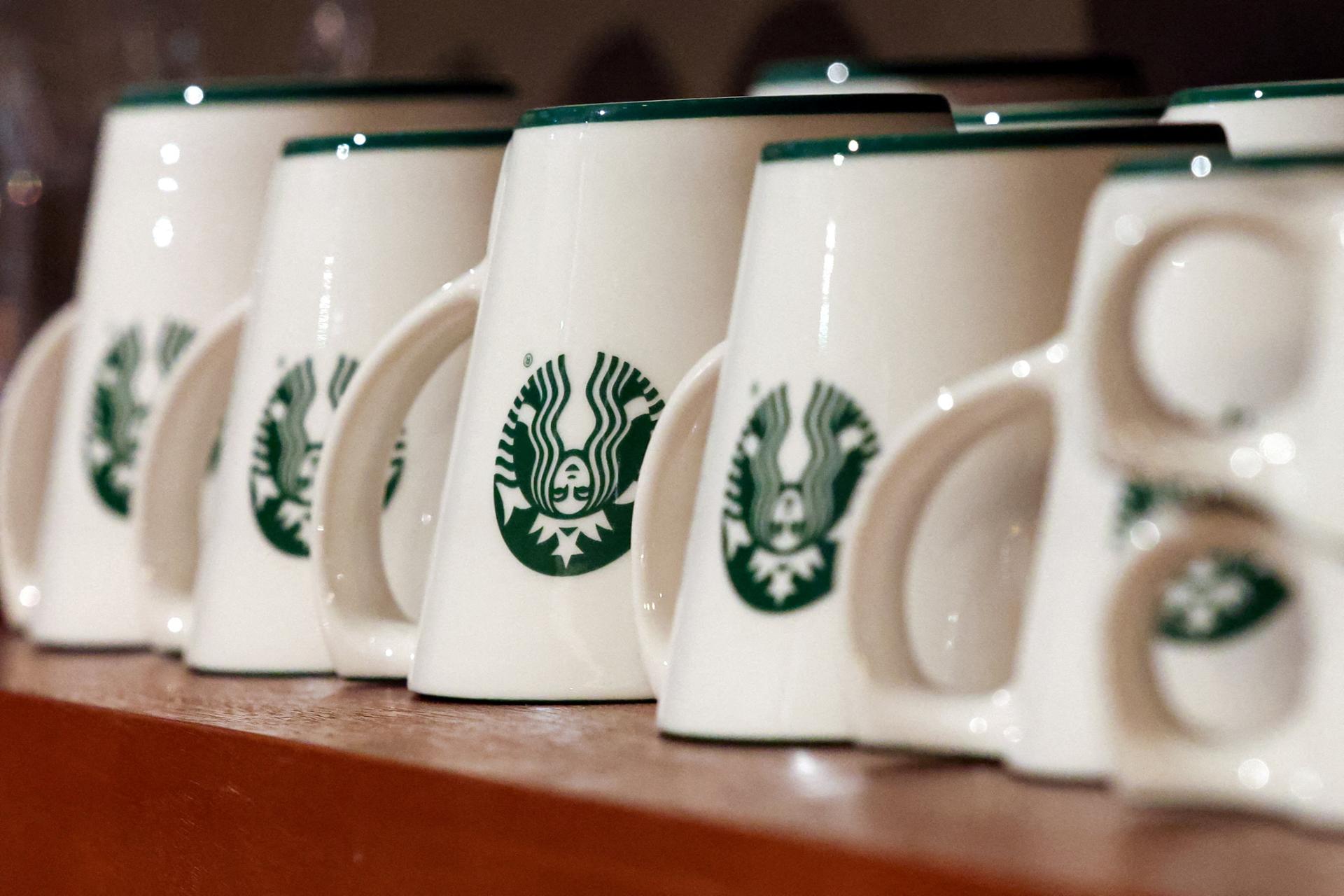
Starbucks new signature mugs are displayed during the Starbucks Investor Day event in New York City on Jan. 29. Reuters-YonhapSEATTLE — Koreans in the United States are turning up pressure on Starbucks headquarters in Seattle over the company’s “Tank Day” controversy, arguing the issue has evolved from a local marketing blunder into a global brand problem tied to the historical trauma of the May 18 Gwangju Uprising.The movement has been gaining traction on MissyUSA, a popular online community for Koreans living overseas, where users have been sharing sample complaint emails in Korean and English, as well as Starbucks contact information, and encouraging others to contact the company directly.Many of the messages reference the painful memories associated with the 1980 military crackdown in Gwangju, when troops and tanks were deployed against pro-democracy demonstrators. Critics say the use of the phrase “Tank Day” in a marketing campaign trivialized one of South Korea’s darkest chapters.“I couldn’t stay silent after seeing the campaign,” said a Korean woman in Seattle surnamed Kim, who said she emailed Starbucks headquarters earlier this week. “On May 18, tanks aren’t something people joke about.”Yoo Jee-hee, 34, who lives in New Jersey, said the controversy changed the way she viewed the Starbucks brand itself.“I learned about the Gwangju uprising growing up, so seeing the term ‘Tank Day’ used so casually was honestly shocking,” she said. “This doesn’t feel like just a Starbucks Korea issue anymore because now the Starbucks name itself is tied to the controversy.”One widely circulated email described the campaign as “deeply shocking and appalling” to those who experienced South Korea’s democratization movement during the 1980s. The message argued that tanks symbolize “violence, fear, and the sacrifice of innocent lives” in modern Korean history and urged Starbucks headquarters to take stronger action.“Because of this, I now feel a strong aversion even toward Starbucks coffee in the United States and can no longer bring myself to drink it.” The e-mail read. “From now on, whenever I see the Starbucks logo, I will only be reminded of “Tank Day,” which causes me great discomfort and disgust.”The overseas backlash adds a new layer to a controversy that has already sparked boycotts, protests and political criticism in South Korea.Shinsegae Group Chairman Chung Yong-jin later issued a public apology over the controversy, while Starbucks Korea dismissed its CEO and launched an internal investigation. Starbucks headquarters in the United States has also acknowledged the seriousness of the matter and said it was monitoring developments.
Koreans in US send protest emails to Starbucks HQ over ‘Tank Day' - The Korea Times
SEATTLE — Koreans in the United States are turning up pressure on Starbucks headquarters in Seattle over the company’s “Tank Day” controversy, argu...
410 words~2 min read